South Park has once again stirred intense online debate after a new segment from the long-running animated series went viral, with many viewers interpreting it as a satirical jab at Meghan Markle.
The exaggerated storyline, combined with familiar visual and narrative cues, quickly spread across social media, reigniting arguments over the boundaries of satire and its potential impact on personal reputation.
Almost immediately after the episode aired, clips circulated widely on platforms such as X, Reddit, and TikTok. Fans dissected scenes frame by frame, drawing parallels between the fictional characters and long-standing rumors and criticisms surrounding Meghan.
While the show never explicitly named her, viewers pointed to the exaggerated portrayal of fame, self-branding, and public grievance as evidence that the segment was a deliberate nod to the Duchess of Sussex.
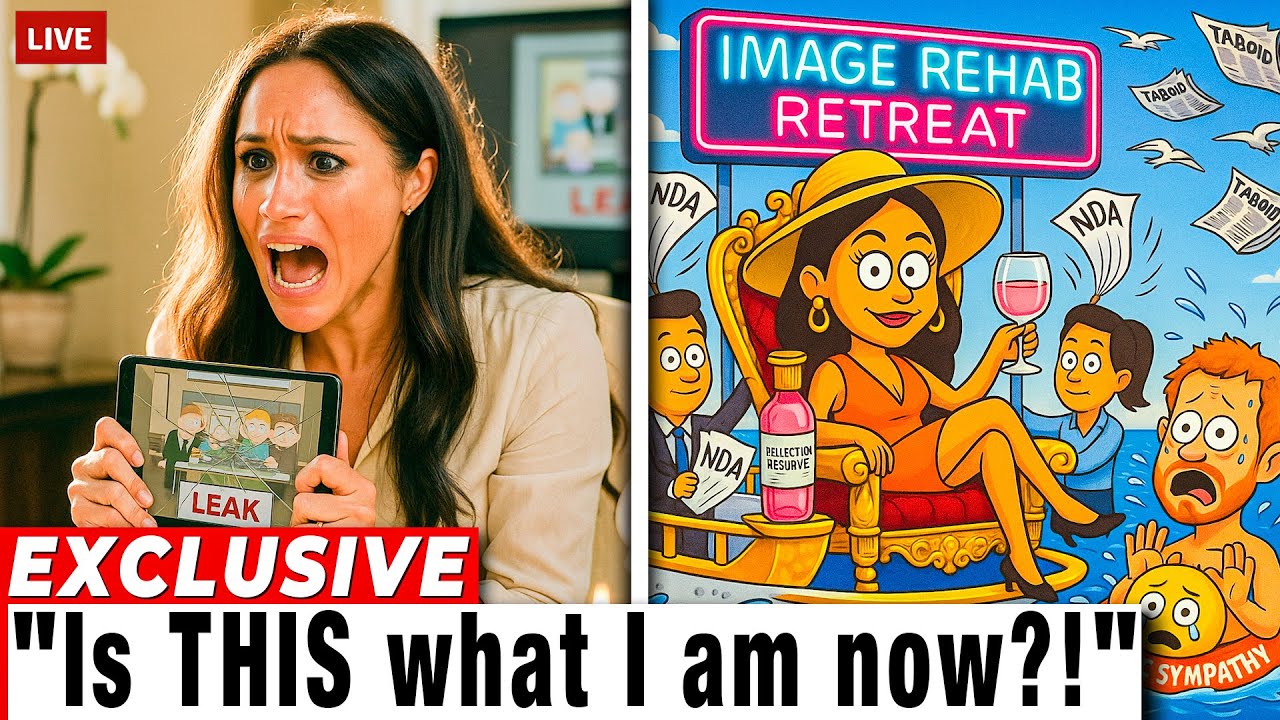
Supporters of South Park argue that the controversy is unsurprising. The series, created by Trey Parker and Matt Stone, has built its legacy on fearless, often abrasive satire. Over the years, it has targeted world leaders, corporations, celebrities, and entire belief systems, frequently using shock value to critique hypocrisy and cultural contradictions. From this perspective, Meghan is simply another high-profile figure caught in the show’s crosshairs because of her continued visibility and polarizing public image.
However, critics see the situation differently. Some argue that repeatedly satirizing the same individual—especially one who has spoken openly about the mental health toll of public scrutiny—risks crossing from parody into reputational harm. They contend that when satire leans on unverified rumors or internet speculation, it can reinforce harmful narratives rather than challenge power or privilege.
The backlash reflects a broader divide in how the public views Meghan Markle. Since stepping back from official royal duties with Prince Harry in 2020, Meghan has remained a constant presence in global media through interviews, documentaries, charitable initiatives, and business ventures. To her supporters, she represents a woman asserting control over her narrative and speaking out against institutional and media mistreatment. To critics, she symbolizes perceived contradictions between calls for privacy and sustained public exposure.

Media analysts note that South Park’s satire often succeeds because it distills complex public debates into blunt, memorable imagery. “Satire works by exaggeration,” one commentator noted, “but the danger is that exaggeration can harden opinions rather than provoke reflection.” In the age of viral clips and algorithm-driven outrage, even a short animated scene can shape perception far beyond its original context.
So far, Meghan and her representatives have not issued any response. This silence aligns with previous instances in which she has avoided engaging directly with comedic or satirical portrayals. PR experts suggest that responding could inadvertently extend the lifespan of the controversy, while staying quiet allows the news cycle to move on more quickly.

Still, the episode highlights how little control public figures have over narratives once they enter the realm of popular culture. Satire, by nature, exists outside traditional media accountability, making it difficult to challenge or contextualize. For Meghan, whose public image remains fiercely contested, even indirect parody can reopen old debates and intensify scrutiny.
Whether the segment was intended as a direct commentary on Meghan Markle or a broader critique of celebrity culture, its impact is undeniable. The renewed attention underscores South Park’s enduring ability to provoke—and Meghan’s continued status as a cultural lightning rod. As discussions rage on, one question lingers: in an era of viral satire, where should the line be drawn between humor, critique, and lasting reputational damage?