In a weekend that can only be described as a comprehensive disaster, both Lewis Hamilton and Charles Leclerc were left dejected, frustrated, and searching for answers that simply do not exist. The Qatar Grand Prix has become the stage for a dramatic unraveling of Ferrari’s 2025 campaign, exposing a car—the SF25—that has not just stagnated, but seemingly regressed, leaving its superstar drivers “broken” and the Tifosi in despair.
A Qualifying Catastrophe
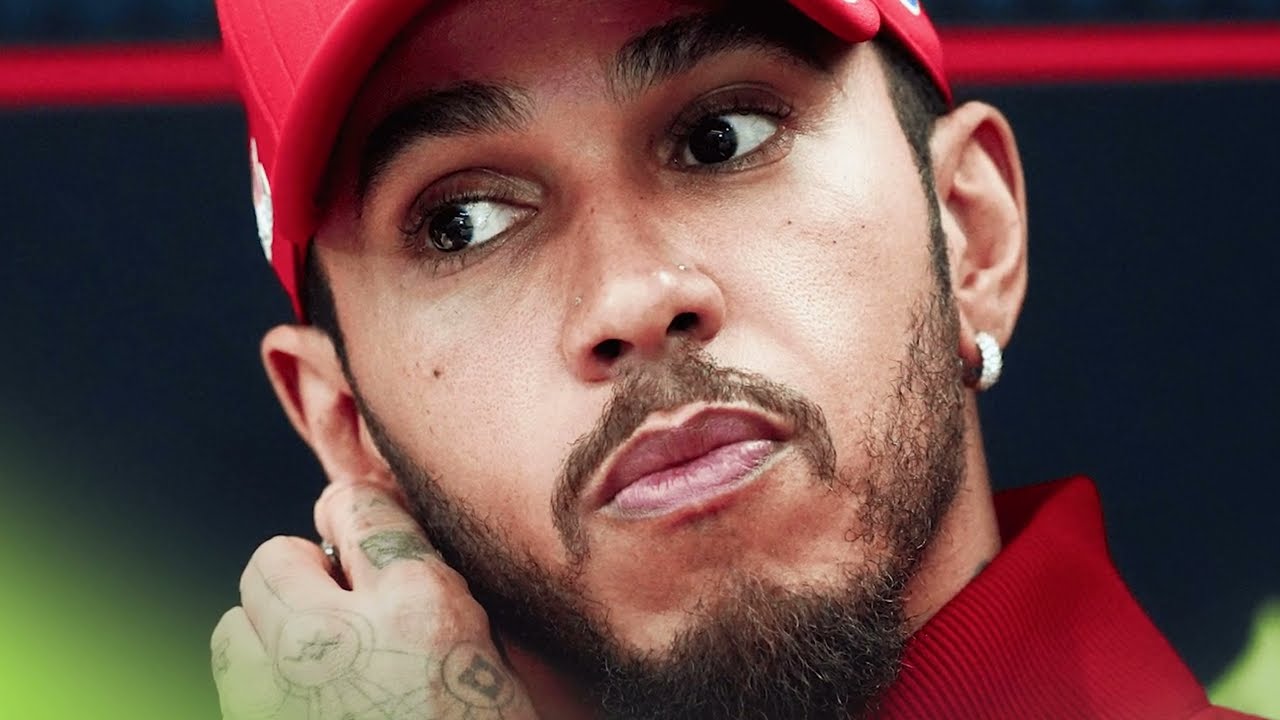
The statistics from the qualifying session are grim reading for any Ferrari fan. Lewis Hamilton, the seven-time World Champion whose move to Maranello was hailed as the transfer of the century, found himself knocked out in Q1. He is condemned to start the Grand Prix from 18th on the grid—a position utterly alien to a driver of his caliber.
Hamilton’s struggle wasn’t a matter of bad luck or traffic; it was a fundamental lack of pace. “I was generally feeling better… but just wasn’t quick,” Hamilton admitted, his voice heavy with resignation. He described a car lacking stability and downforce, teetering on the “ragged edge” of control. For a driver who thrives on precision, the SF25 has become a blunt, unpredictable instrument.
On the other side of the garage, Charles Leclerc fared little better. Though he managed to drag the car into Q3, a dramatic spin underscored the treacherous nature of the machine he is trying to tame. He qualified P10, over a second adrift of the pole time set by Oscar Piastri. In the high-speed, unforgiving corners of Qatar, the Ferrari looked less like a challenger and more like a relic.
“Zero Performance”: Leclerc’s Brutal Honest
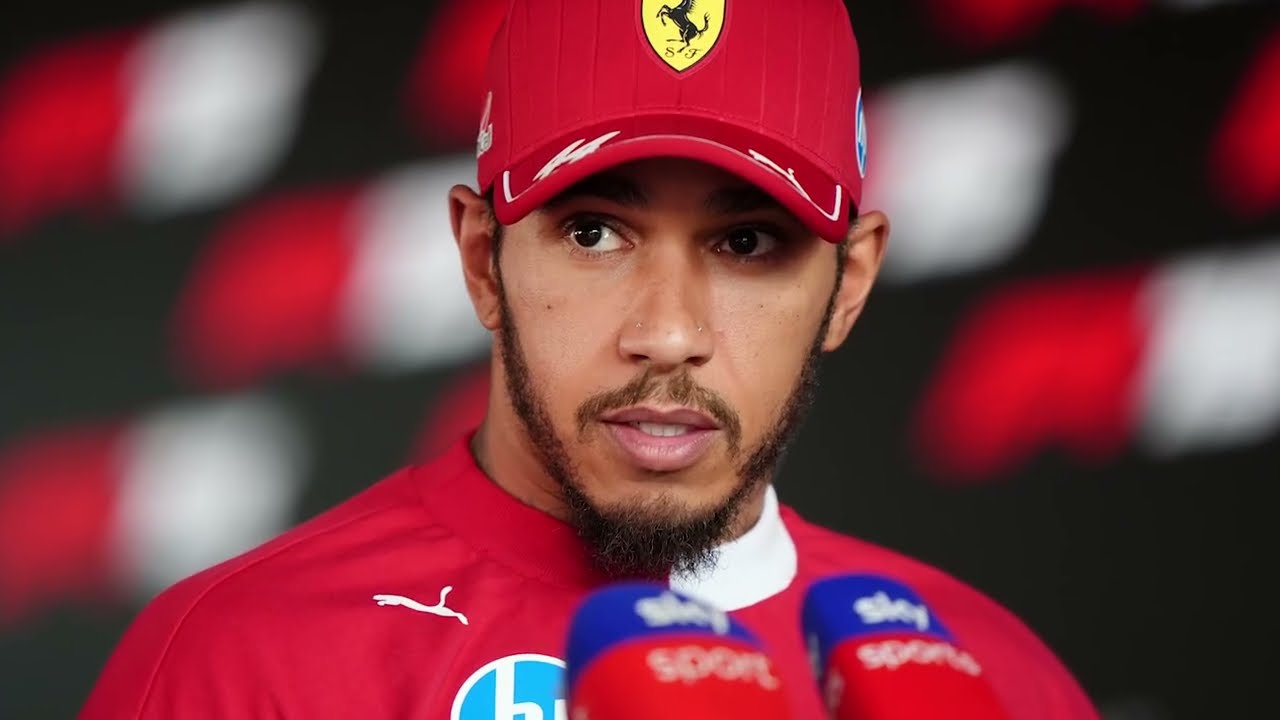
If Hamilton sounded defeated, Leclerc sounded devastated. The Monegasque driver, usually the eternal optimist of the team, cut a forlorn figure in the media pen. His assessment of the car was scathing in its honesty.
“Incredibly difficult day, incredibly difficult weekend. I don’t really know what to say,” Leclerc confessed. “It’s been extremely difficult to drive this car, to keep it on track. I’m trying absolutely everything to extract anything I can… but at the moment this is the only thing that’s possible.”
When asked if he held any hope for the race, his answer was chilling: “Am I optimistic for tomorrow? I am not. Which is quite rare… but I have to say that this weekend there’s zero performance in this car.”
“Zero performance.” It is a damning phrase that echoes through the paddock. It suggests not just a bad setup, but a fundamental failure of engineering. Leclerc’s desperation was palpable as he admitted his only hope for the race lay in “safety cars” and “luck”—a strategy unbecoming of the sport’s most historically successful team.
The “2026 Excuse” and the Strategic Gamble
As the on-track performance collapses, the off-track explanations have begun to surface. Ferrari Team Principal Fred Vasseur revealed that the team had shifted its engineering focus to the 2026 regulations—which involve sweeping chassis and engine changes—as early as April. This effectively froze the development of the current SF25.
The logic is clear: sacrifice the present for a better future. But is it a valid excuse for falling this far behind?
Martin Brundle, the respected Sky Sports F1 analyst, doesn’t think so. He wasted no time in challenging the official narrative from Maranello. Brundle pointed out that every front-running team, including Mercedes and McLaren, has shifted focus to 2026. Yet, those teams are still finding performance, while Ferrari is sliding backward.
“Ferrari are missing the bigger picture if they believe their decline is purely strategic,” Brundle warned. He highlighted deeper, structural flaws: an inconsistent car, a lack of correlation between wind tunnel data and track performance, and the uncomfortable reality that Ferrari-powered customer teams are now humiliating the factory outfit.
Humiliation by Customers
Perhaps the bitterest pill for Ferrari to swallow in Qatar was the performance of their customer teams. In the Sprint race, drivers like Oliver Bearman (Haas) and Gabriel Bortoleto (Sauber/Audi), using Ferrari engines, were running ahead of the factory Ferraris on merit.
Brundle noted the irony was stark: “Bearman and Bortoleto… were running ahead on merit, leaving the Scuderia humbled once again.” When a customer team, operating on a fraction of the budget and resources, can build a chassis that outperforms the factory team using the same engine, it points to a crisis of competence within the chassis department at Maranello.

Hamilton’s Mental State: A Cause for Concern?
The psychological toll on Lewis Hamilton is becoming increasingly visible. This was meant to be his swansong, his brave new chapter. Instead, it is turning into a “cautionary tale.”
Brundle expressed genuine concern for Hamilton’s demeanor. “He cuts a deflated figure,” Brundle observed, noting that Hamilton is struggling to draw any confidence from the car. Unlike Leclerc, who occasionally wrestles the car into positions it doesn’t deserve, Hamilton seems unable to find a rhythm with the unpredictable SF25.
This deepens the frustration. Hamilton knows he needs “ingenuity and bold moves” to carve through the field from 18th, but the Lusail circuit is notoriously difficult for overtaking. “You saw in the sprint, there is no overtaking,” Hamilton remarked bluntly. It is the sound of a driver who knows his Sunday afternoon will be a long, painful procession.
The Road Ahead
With Mercedes now sitting comfortably 63 points clear in the standings, Ferrari’s fight for second place in the Constructors’ Championship is effectively over. The team is left reeling, trapped in a limbo of their own making.
They have bet the house on 2026, hoping that this year of pain will result in a championship-contending car in the new era. But as the 2025 season limps to its conclusion, doubts are lingering. If the current technical team cannot understand why the SF25 is failing, can they be trusted to build a world-beater for 2026?
For now, Hamilton and Leclerc must endure. They must strap themselves into a car they do not trust, in front of millions of fans, and drive on the “ragged edge” just to fight for scraps. It is a humbling, heartbreaking situation for two of the sport’s greatest talents, and a dark chapter in the illustrious history of Ferrari.
As the engines fire up for the Grand Prix, one thing is certain: the Prancing Horse is wounded, and the scars of Qatar will take a long time to heal.