In the high-octane world of Formula 1, communication is everything. It is the lifeline between the cockpit and the pit wall, a stream of data, strategy, and adrenaline-fueled emotion.
But at the conclusion of the Qatar Grand Prix, the most significant message wasn’t a scream of victory or a roar of anger. It was silence. A cold, heavy, and devastating silence that has sent shockwaves through the paddock and signaled a potential breaking point in the partnership between Lewis Hamilton and Scuderia Ferrari.
The 2025 season was promised to be the dawn of a new golden era for the Prancing Horse. The arrival of Lewis Hamilton, the sport’s most decorated driver, was meant to be the final piece of the puzzle—the spark that would ignite the SF25 into a championship contender capable of toppling the dominance of McLaren and Red Bull.
Instead, under the floodlights of the Lusail International Circuit, that dream seemed to dissolve into the desert night, leaving behind a stark reality of technical failure and broken trust.
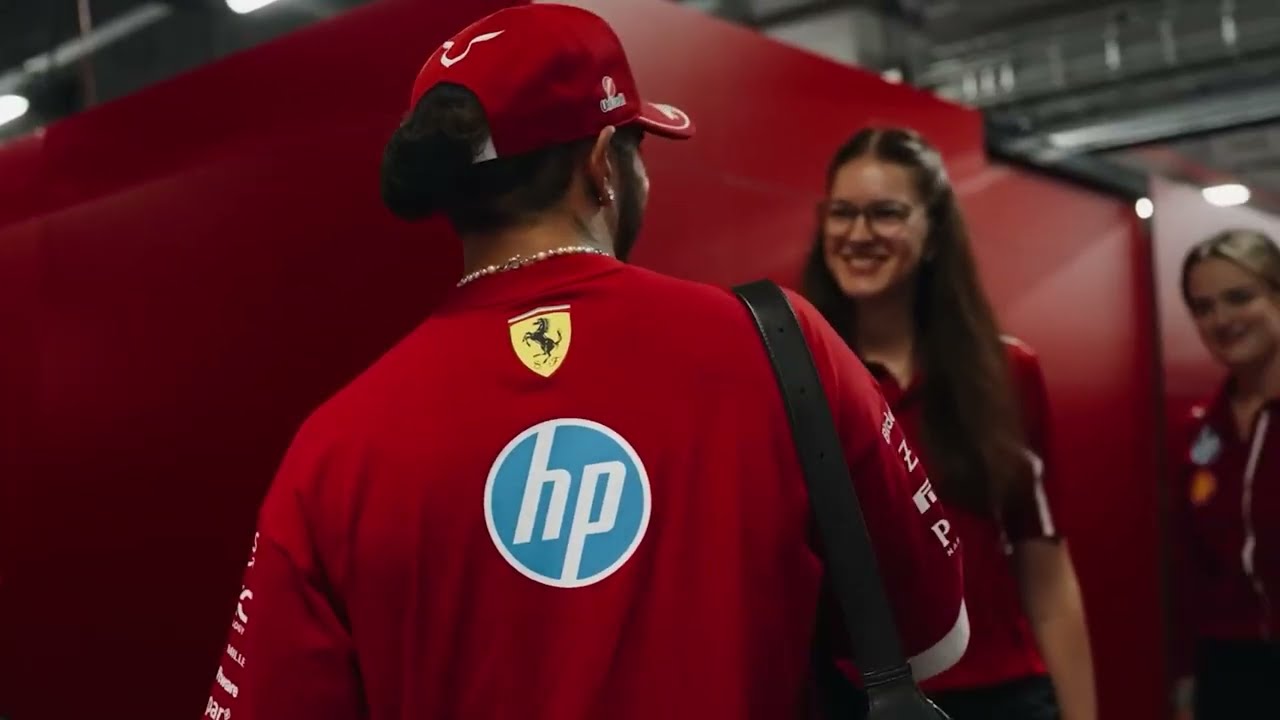
The Seven Words That Broke Hearts
As Hamilton crossed the finish line in a position far below his talent and pedigree, the radio crackled to life. Usually, this is the moment for a post-race debrief, a rallying cry, or at least a vent of frustration. Throughout his career, Hamilton has been defined by his emotional transparency. Whether it’s the euphoria of a pole position or the sharp sting of defeat, he has always worn his heart on his sleeve, motivating his team even in the darkest moments.
But this time, the response was chillingly different. “I don’t know how we made the car worse,” he said. The tone was flat, devoid of the fiery passion that has fueled his seven world titles. It wasn’t constructive criticism; it was a resignation.
When his race engineer pressed for a final comment—something, anything, to close out the weekend for the mechanics who had toiled for hours—Hamilton delivered a blow that hit harder than any crash. “I have no message. I’m sorry.”
That silence that followed was not just an absence of words; it was the sound of a driver who has stopped believing. It was the auditory manifestation of a “checkmate” against his own ambitions. For the first time in recent memory, Hamilton didn’t sound like a pilot fighting for a solution. He sounded like a witness to a disaster he had no power to stop.
The SF25: A Technical Betrayal
To understand the depth of Hamilton’s despondency, one must look at the machine he has been tasked with taming. The Ferrari SF25 has proven to be an enigma wrapped in a failure. The Qatar Grand Prix was not merely a “bad weekend” caused by external factors like weather or bad luck. It was a systematic exposure of the car’s fundamental flaws.
Hamilton’s haunting admission—that they had somehow made the car worse—is backed by a grim reality. Ferrari brought updates to Qatar intended to stabilize the rear axle and improve downforce. Instead, the upgrades acted like a virus in the car’s aerodynamic philosophy. The SF25 became erratic, unpredictable, and dangerous. It betrayed its drivers in mid-corner, lost traction where it was needed most, and chewed through tires with alarming appetite.
For a driver like Hamilton, whose superhuman consistency relies on a predictable platform, the SF25 is kryptonite. It is a machine that does not communicate with its driver. It snaps without warning. The technical humiliation is compounded by the fact that this regression happened late in the season, a time when top teams are supposed to be refining their packages, not breaking them. The car was failing on all fronts: tire temperature management, pace in dirty air, and stability in high-speed direction changes—critical factors for the sweeping curves of Lusail.
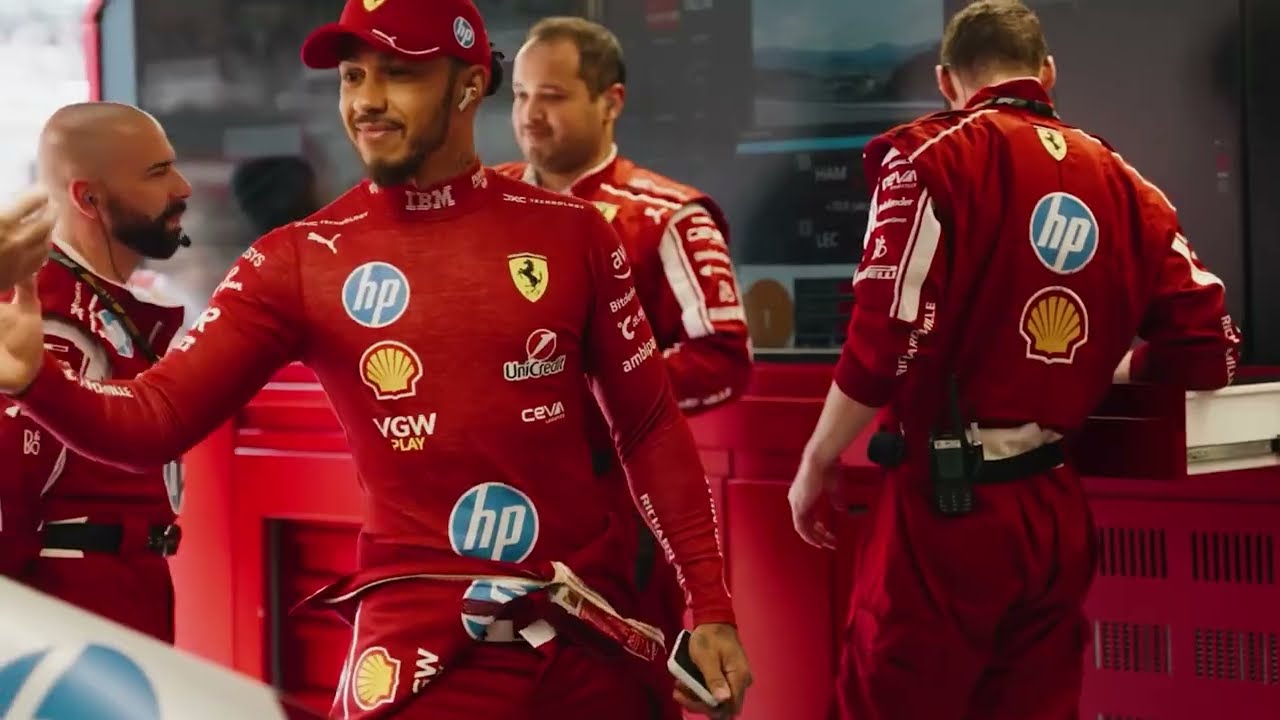
A Team in Identity Crisis
The issues at Ferrari run deeper than carbon fiber and suspension geometry. The Qatar GP exposed a structural collapse within the team’s engineering department. There is a growing disconnect between the data produced in Maranello’s state-of-the-art wind tunnels and the reality on the asphalt.
During the Friday practice sessions, the team frantically tested three different rear suspension configurations. None worked. In a sport defined by precision, this level of improvisation is a hallmark of confusion. It suggests that the team no longer understands the physics of their own creation. When engineers cannot explain why a car behaves the way it does, trust evaporates.
This loss of technical direction has created a rift between the drivers and the pit wall. It is not just Hamilton who is suffering; Charles Leclerc, a master of qualifying and adapting to difficult machinery, has also been forced to revert to older, less aggressive setups just to keep the car on the track. When both drivers start ignoring the “evolved” setups in favor of outdated ones, it is a vote of no confidence in the development team.
The Human Cost of Failure
The narrative surrounding Lewis Hamilton’s move to Ferrari was one of romance and legacy. He was the knight arriving to restore glory to the red kingdom. But the “honeymoon phase” has been brutally cut short. The paddock is now whispering about the emotional toll this is taking on the Briton.
Hamilton did not join Ferrari to fight for scraps in the midfield. He joined to make history. Yet, in Qatar, he looked less like a challenger and more like a prisoner of a failed project. The silence on the radio suggests an emotional disconnection, a defense mechanism against the relentless disappointment. As the video analysis of the race poignantly noted, “What kind of message can carry more weight than a scream?”
The danger for Ferrari is that this silence could turn into permanence. If a driver of Hamilton’s caliber loses faith in the project, no amount of budget or marketing can fix it. Trust is the currency of Formula 1, and Ferrari is currently bankrupt.
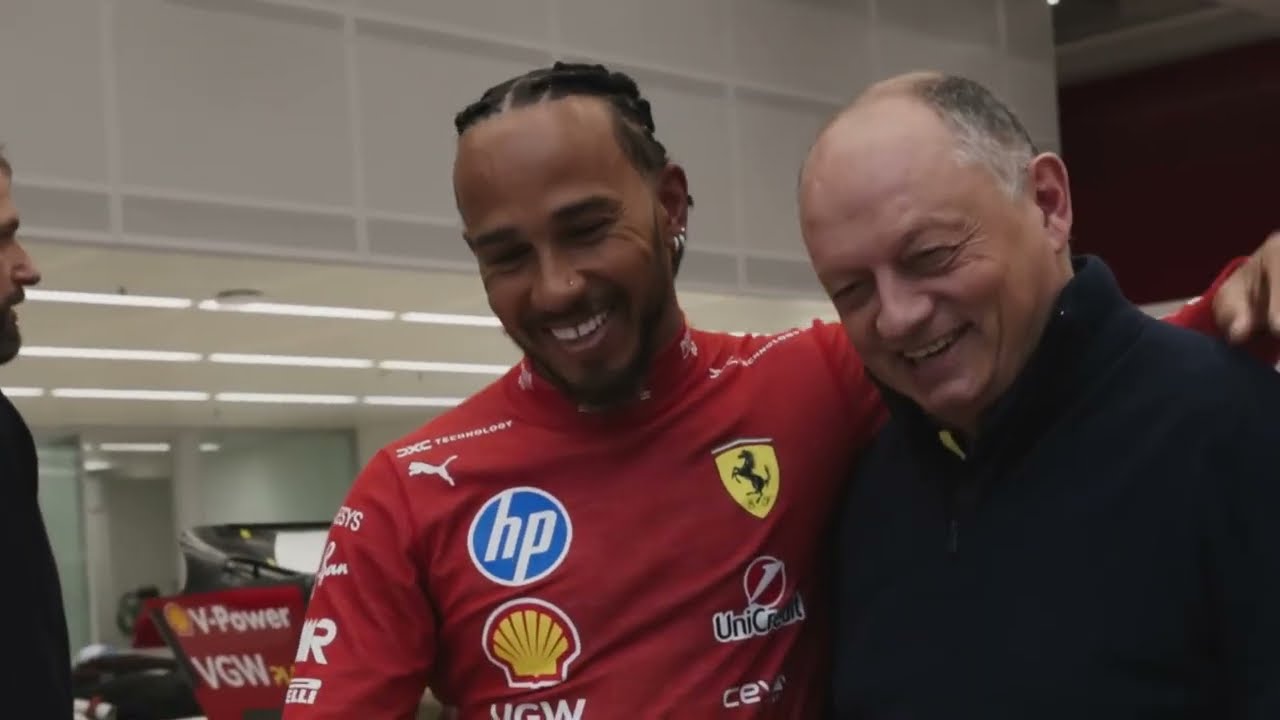
Looking Down the Barrel of 2026
The stakes could not be higher. With the 2026 regulation changes looming—bringing a new hybrid era and a complete reset of the competitive order—Ferrari cannot afford another “lost year.” The failure of the SF25 is not just a 2025 problem; it is a terrifying omen for the future. If the team’s current methodology is producing cars that regress with updates, what hope is there for the all-new 2026 challenger?
The British media is already sharpening its knives, questioning the wisdom of Hamilton’s contract. Italian columns are shifting from blaming the car to questioning the driver, a classic Ferrari defense mechanism that often precedes internal civil war.
Lewis Hamilton stands at a crossroads. He came to Maranello to cement his legacy, but he currently finds himself in a “cemetery of ambition.” The Qatar GP may well be remembered not for who won, but for the moment the seven-time world champion realized that the Prancing Horse might not be able to carry him to number eight.
His silence was a warning. If Ferrari cannot find its voice and a solution, the roar of the Tifosi might soon be replaced by the quiet exit of the sport’s greatest star. For now, the message from the cockpit is clear, precisely because it wasn’t there at all: I have nothing left to say.