The world of Formula 1 stands on the precipice of a monumental shift. The 2026 season represents more than just a regulatory change; it is a complete reset of the performance hierarchy, driven by new power units, radically different aerodynamics, and a complete overhaul of tire specifications. And amidst this high-stakes environment, Scuderia Ferrari has thrown down the gauntlet. The famed Italian team is approaching this new era with an aggressively planned, meticulously executed, and almost ruthless strategy, signaling to the entire paddock that they are absolutely taking no chances in their long-awaited pursuit of the World Championship crown.
The core message radiating from Maranello is one of profound ambition. Their pre-season schedule, already partially confirmed, is perhaps the most telling sign of their intent. Ferrari plans to unveil their 2026 challenger, the SF-26, positioning them as one of the earliest teams to reveal their hand. This early debut is not a theatrical flourish; it is a calculated move to maximize crucial preparation time. Every single day gained in the off-season is a data point earned, a component checked, and a competitive advantage secured.
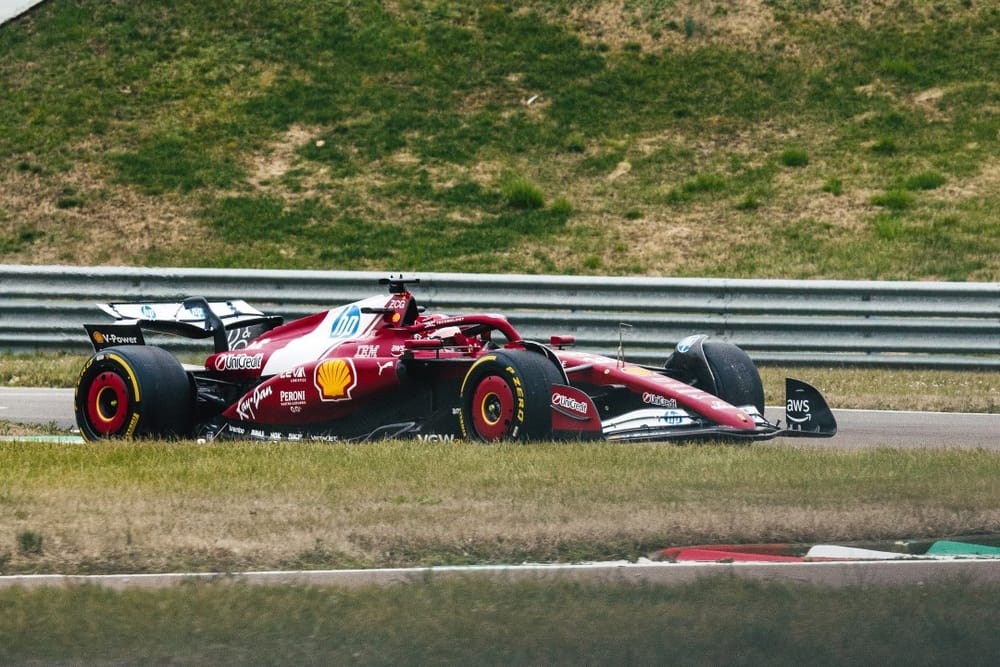
Following the unveiling, the car will immediately head to the team’s private circuit at Fiorano for an essential shakedown. This initial run is not about setting blistering lap times or seeking performance glory. Instead, it is a crucial systems check—a diagnostic run to iron out the inevitable technical “gremlins” that accompany any new, complex Formula 1 car. In a season defined by so many new variables—power units, tires, and aerodynamic rules all converging—this methodical approach to system validation is vital.
The true test begins shortly thereafter when Ferrari joins the rest of the grid for collective pre-season testing, running behind closed doors. Under the new regulations, with the complexity of brand-new power units, tires, and aero concepts all being deployed at once, this testing window will be absolutely crucial. Ferrari’s goal is crystal clear: to arrive fully prepared, arguably more so than any other team could possibly be.
The Secret Weapon: Tire Management and Suspension Overhaul
While the early car launch generates buzz, the true revolution within Ferrari’s 2026 preparation happened before the off-season even began: the post-season Abu Dhabi test. This is where the core of their tactical superiority for the coming era may lie. Ferrari deployed both Charles Leclerc and, significantly, the incoming Lewis Hamilton, to extensively collect data on the new 2026 tires.
This focus is deeply rooted in Formula 1 history. Tires, often overlooked in favor of headline-grabbing engine figures or aerodynamic concepts, are consistently the single biggest performance differentiator in the sport. Ferrari has long struggled with maximizing tire usage, often failing to unlock consistent grip across long stints or within the narrow temperature windows required for qualifying success. The 2026 tires are expected to behave radically differently, forcing every team to rethink their entire car concept.
Ferrari’s strategy is a direct attack on this historical weakness. The invaluable data gathered is not sitting in a spreadsheet; it is being fed directly into the design of the SF-26’s suspension system. The goal is ambitious: to engineer a suspension platform that allows the tire to operate in its ideal working window for as long as possible.
The connection between suspension and tires is profound and often underestimated. Suspension systems directly affect how the tires load, heat up, and consequently, how they degrade. By optimizing this interface, Ferrari is targeting tangible performance gains that win races:
Better traction out of slow corners.
More consistent performance over long stints.
Less sensitivity to track temperature swings.
In a regulation reset, getting tire usage right early on can define the entire season. If Ferrari nails this complex interaction, it grants them a profound advantage over rivals who are still trying to understand the nuances of the new rubber. A perfect aerodynamic package and the best engine power are rendered useless if a car cannot consistently get its tires into the working window in qualifying or maintain their performance throughout a grand prix. This hyper-focus on the mechanical link between the chassis and the contact patch is the most compelling evidence yet that Ferrari is pursuing an engineering masterclass.
The Technological Cutting Edge: Front Wings and Driver Interfaces
The post-season test was not solely about suspension and tires. It was also a proving ground for several advanced concepts that define the 2026 technical landscape. Ferrari tested a new steering wheel prototype, providing their drivers an early look at how driver interfaces must evolve to manage the increased hybrid complexity of the new regulations. Intriguingly, Lewis Hamilton, known for his preference for simplified controls, appears to be influencing this development, with the evidence suggesting a move towards a much more streamlined version.
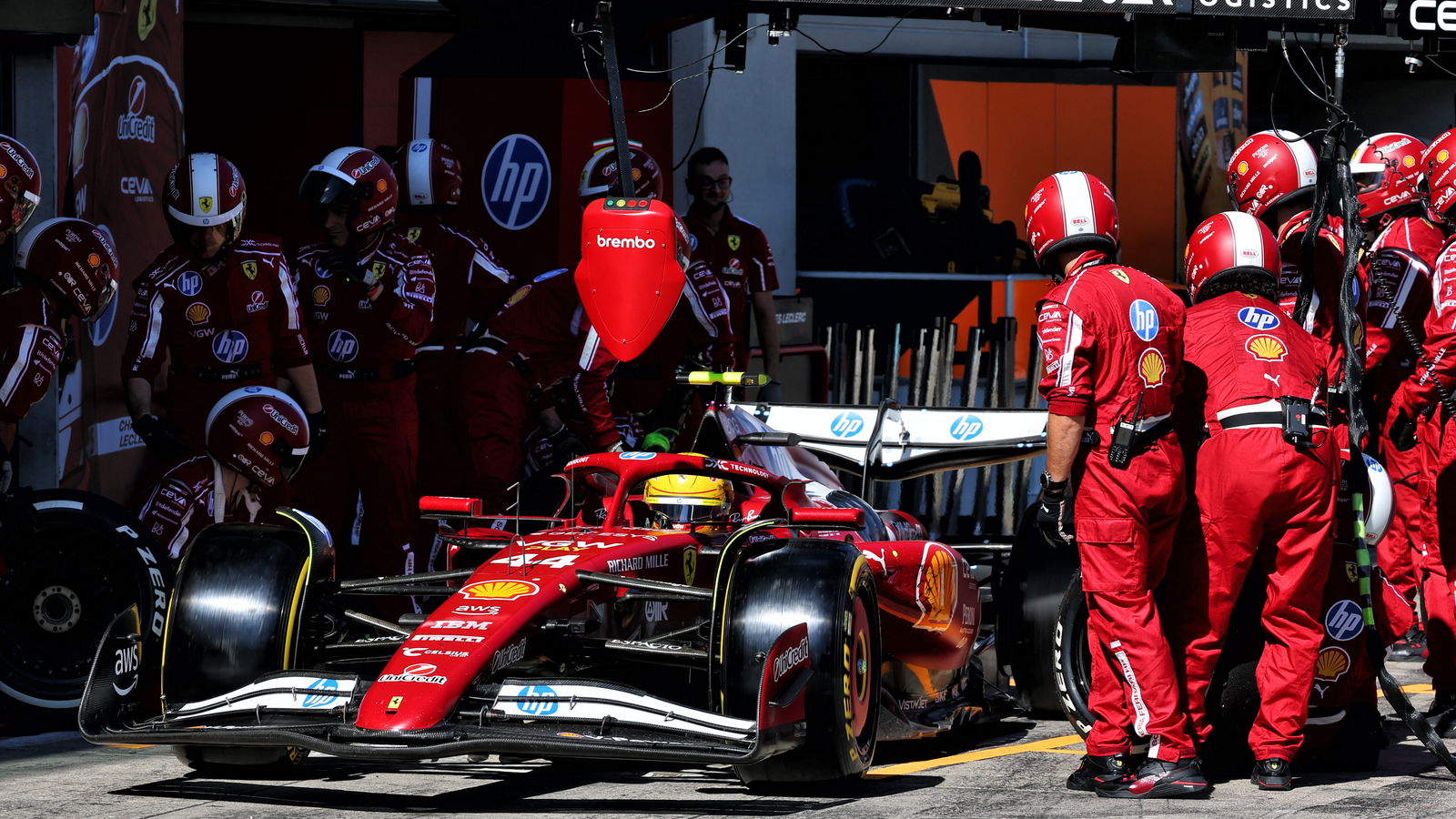
However, the most eye-catching piece of hardware tested was Ferrari’s highly advanced prototype of a 2026 front wing. The next generation of F1 cars will utilize active aerodynamics, requiring a sophisticated approach to wing design. While rivals, notably Mercedes, ran a more rudimentary design, Ferrari’s prototype was firmly installed on the underside of their front wing. This configuration is anticipated to be the norm for next season’s designs, as it is the mandated method through which the active elements must be integrated. This suggests Ferrari gained significantly superior and more relevant data compared to their rivals, allowing them a head start in validating their aerodynamic philosophy. By tackling the complexity head-on, they maximized the value of the limited testing time.
Power Unit Confidence Meets Reliability Risk
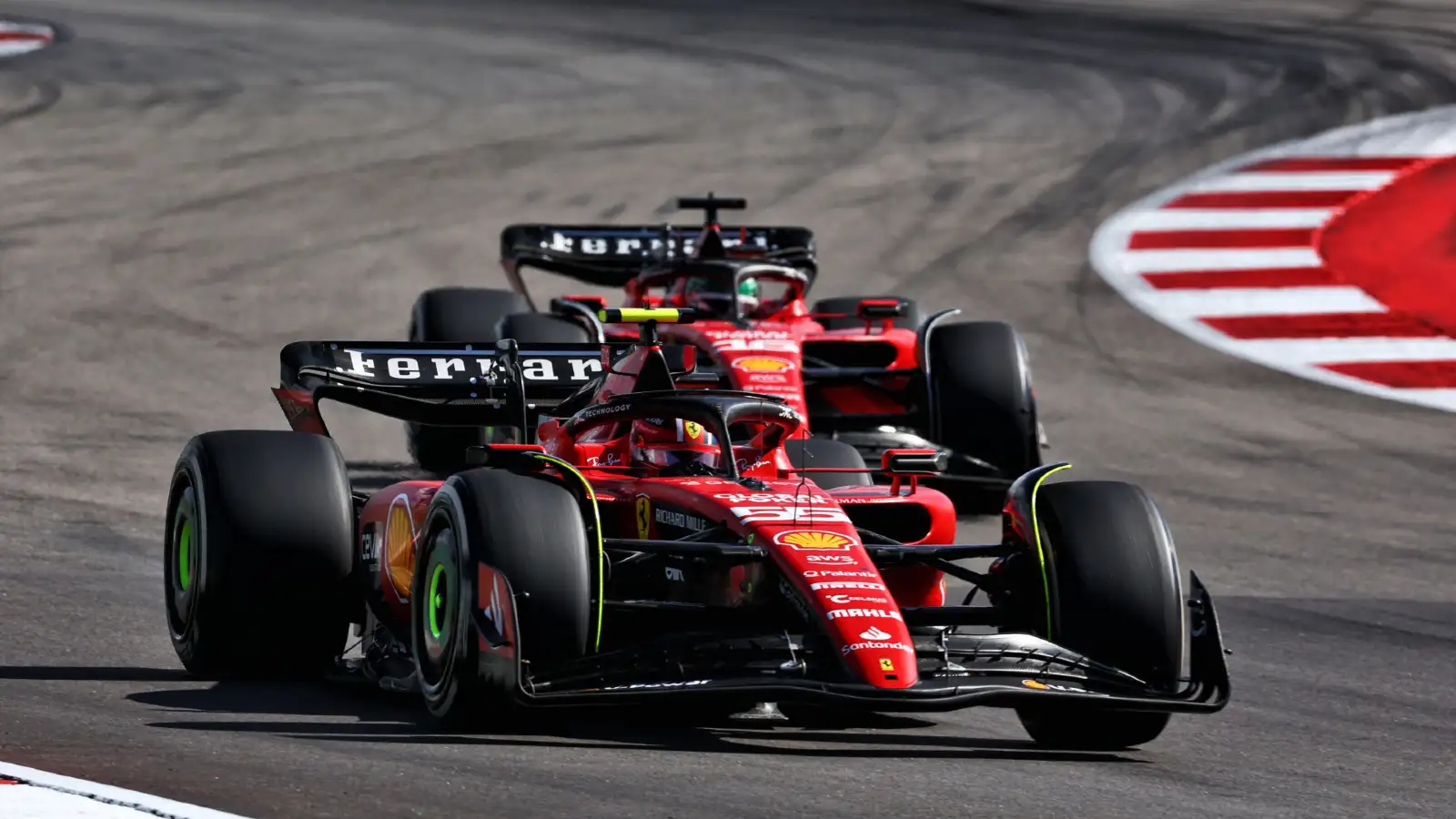
Beyond the chassis and aerodynamics, the 2026 power unit regulations are arguably the most impactful change. Here, too, Ferrari is radiating a quiet confidence backed by early developmental success.
Reports suggest that the Scuderia is very confident in two critical aspects of their new power unit:
Peak Performance: Their engine is believed to be competitive, possessing the raw horsepower (grunt) necessary to compete at the absolute front of the grid.
Energy Recovery: They have developed a strong electrical deployment system, a vital element given the increased emphasis on hybrid energy in the 2026 regulations.
This confidence in raw power and sophisticated energy management provides a crucial psychological and engineering boost. Yet, confidence is tempered by caution. Like every team facing a complete engine redesign, Ferrari remains wary of the looming threat of reliability. New engines, new electrical systems, and radically altered cooling requirements all introduce parameters that heighten technical risk.
This is precisely why the pre-season tests take on such profound significance. In the high-octane world of Formula 1, peak performance is meaningless if the car cannot reliably maintain that performance over an extended period of time—specifically, over a full race distance and across an entire season. The collective testing window will be a relentless validation exercise, pushing the new power unit to its absolute limits to ensure the delicate balance between maximum performance and bulletproof reliability has been achieved.
In conclusion, Ferrari’s planning for 2026 is a masterpiece of calculated aggression. From their early car debut to their pivotal focus on suspension design informed by intensive tire data, and their cutting-edge front wing testing, every step is geared towards a single objective: turning meticulous preparation into championship execution. The SF-26 is not merely a new car; it is the manifestation of Ferrari’s most concentrated effort in decades, a strategic war plan designed to capitalize on the massive regulatory upheaval and finally deliver the World Title back to Maranello. The question now shifts from “Are they ready?” to “Can they maintain this advantage through a gruelling 2026 season?” The racing world will soon find out.