In the cold, clinical air of Maranello, behind doors secured against the intrusive gaze of the outside world, a critical experiment took place in late December 2025. It was a moment devoid of the usual fanfare, headlines, or glory associated with the most iconic name in Formula 1.
An engine fired for the first time—Ferrari’s 2026 power unit, a beast conceived under the most radical regulation reset the sport has seen in decades. Engineers, the custodians of a fragile Italian legacy, held their breath. The initial disclosures were breathtaking: the power was there. The sophisticated hybrid system functioned perfectly. The performance numbers looked, on paper, competitive.
Yet, despite this victory, one chilling word kept echoing within the Scuderia’s technical halls, acting like a shroud over the celebration: Reliability. This single variable, the Achilles’ heel of the Prancing Horse for nearly two decades, remains the critical, unresolved question that will ultimately define success or failure.
For Ferrari, this is not merely a technical challenge; it is a psychological battle against 17 years of self-inflicted wounds. The path ahead leads either to redemption or to repetition of a heartbreak that has destroyed more championships than any rival ever could.
The Ghost of Ambition Without Endurance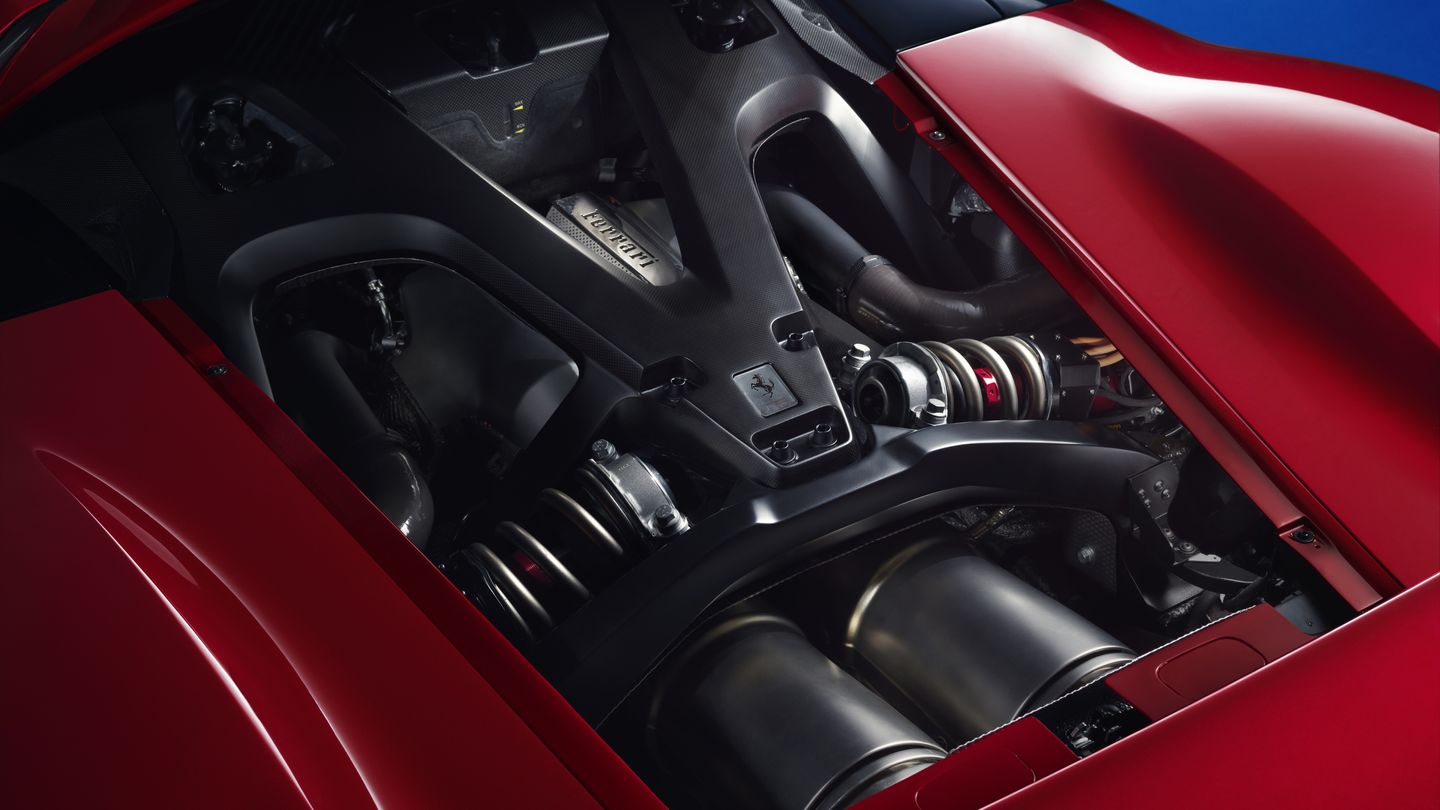
The 2026 regulations are not a mere evolution; they are a revolution, fundamentally flipping the delicate balance between internal combustion and electrical power delivery. Traditional horsepower is being dethroned. The new currency is energy deployment, thermal stability, and, most crucially, the predictable, sustained transfer of power across an entire race distance. Ferrari’s power unit group, spearheaded by Enrico Gualtieri, has successfully navigated the initial, high-stakes performance hurdle, validating their core power output and hybrid energy recovery projections.
But this is the juncture where past trauma rears its head. The reliability caveat is not a vague ‘needs improvement’ note; it is flagged internally as the critical variable. This frank admission speaks volumes about the team’s lingering awareness of its own history. This is the same outfit that once produced the brilliant, yet terminally fragile, SF90—a rocket ship that often seemed to melt itself under pressure. It is the same team that pushed the SF1000 so aggressively that it became an uncompetitive midfield car by the Spanish Grand Prix due to thermal constraints. For too long, the Ferrari mantra has been characterized by “ambition without endurance,” and “speed without survival.” Now, faced with the most complex hybrid regulations in F1 history, Ferrari is admitting the one thing they cannot simulate away: whether their ambition can last the distance.
A Unified Platform: The Silent Strategic Shift
The decision that followed the initial fire-up changed the dynamics of their entire campaign, though it was a quiet, internal call that most fans and pundits will likely miss. Ferrari committed to assembling and validating the 2026 power unit alongside the chassis from the very beginning of the development cycle. This may sound like common sense, but for Ferrari, it represents a profound cultural break from decades of ingrained practice.
In previous regulation cycles, the Scuderia’s departments notoriously operated in isolation. Power unit engineers chased peak performance figures, while chassis designers focused purely on aerodynamic downforce. When the two departments finally brought their respective masterpieces together late in the cycle, the result was often chaos: cooling ducts that didn’t fit, vibration frequencies that destroyed suspension components, and thermal limits that forced the aero team to compromise rear-end grip by opening up bodywork. These late compromises led to conservative final designs and missed potential—the definition of a Formula 1 disaster.
This time, the strategic pivot is absolute. The 2026 project is being treated as a unified platform. The power unit is being validated inside the chassis environment while design solutions remain flexible. This integrated approach, simple in concept, is what separates dynasties like Mercedes and Red Bull from the recurring disasters that have plagued Maranello. It allows the team to understand the real-world interaction between combustion, electrical systems, cooling, and vibration under load—interactions that are impossible for even the most advanced simulation tools to fully predict. If a crack appears, they still have time to redesign the architecture before it is locked in for the season, turning what used to be a point of irreversible chaos into a solvable validation event.
The Hamilton Effect: Fighting the Unpredictability
This new strategic discipline under Team Principal Fred Vasseur and Technical Guru Loïc Serra—focused heavily on tire behavior and suspension geometry—underscores a stark new reality for 2026: absolute aerodynamic figures will matter less than consistency and predictability. In a world of lighter cars and revised aero concepts, maintaining tire stability through varying energy deployment cycles will be decisive. This mandates that the power unit cannot be erratic. It cannot spike, it cannot fade; it must function with the relentless, precise rhythm of a metronome.
This is where the story connects to the most decorated figure in the sport: Lewis Hamilton. The seven-time World Champion is not just coming to Maranello for a photo opportunity; he is there to serve as a high-fidelity, human feedback loop. Hamilton’s unparalleled experience allows him to detect the subtle nuances that raw telemetry can miss: inconsistencies in braking feel, power delivery transitions, and erratic energy recovery behavior. These are precisely the nuances that become catastrophic liabilities under the tight coupling of driver input and hybrid response mandated by the new rules.
Hamilton’s presence is Ferrari’s proactive measure to prevent theoretical performance from masking practical limitations—the exact scenario that doomed their 2022 campaign, which, despite having blistering pace, was undone by fundamental weight distribution problems that cost them crucial lap time in slow corners. This time, Ferrari is confronting their limitations before the first pre-season test, using the most experienced driver on the grid to ensure they develop a car that can be naturally exploited, not one that requires constant, desperate management of its own intrinsic weaknesses.
Redemption, Repetition, or War
The planned ignition tests in late December were more than a milestone; they were a warning shot fired across the paddock. Every manufacturer faces the same, immense uncertainty inherent in the 2026 regulation reset. Even the best simulations cannot guarantee real-world success.
For Ferrari, three scenarios loom large, defining the immediate future:
The Path to Redemption: Ferrari stabilizes reliability before the crucial Barcelona testing phase. The platform proves dependable, allowing Hamilton and Charles Leclerc to exploit its speed from race one. The integrated chassis philosophy, the tire management strategy, and driver strength align perfectly. After a 17-year drought, Ferrari is suddenly and convincingly back in the fight for the Constructors’ Championship.
The Repetition of Failure: Small, persistent reliability issues—a consequence of their historical weakness—appear during pre-season running. Ferrari enters the season with a fast but fragile package, forcing them to detune the power unit to prevent catastrophic failures. The entire car concept is compromised, and by mid-season, they are fighting an expensive, draining battle for damage control instead of titles.
The All-Out War: Ferrari gets its integration and reliability exactly right, but so do their rivals, Mercedes and Red Bull. Barcelona becomes a true lottery, a crucible where the team that solves the intricate puzzle of sustained hybrid performance first doesn’t just win a race, but defines an entire era.
Ferrari has met its targets for power and energy recovery. The revolutionary integration strategy is a clear sign of their commitment to breaking the cycle. Lewis Hamilton is on the inside, shaping development. But the ultimate truth rests on that single, dark shadow: reliability. Can a team that last won a constructor’s title in 2008 master the most complex technical regulations Formula 1 has ever designed? The first engine fire-up gave them hope, but the real answer will only be revealed when the lights go out in Australia, and the new hybrid system must survive the relentless pressure of a 23-race season without compromise. In Formula 1, it is not about who promises the most; it is about who can deliver when the temperatures are rising and the long, unforgiving weight of history is staring you down. The race for 2026 isn’t about raw speed; it’s about survival of the fittest—a question of whether Ferrari is finally ready to survive its own, immense ambition.