Formula 1 is standing on the precipice of its most significant transformation in decades. The sport we know and love is about to hit a massive “reset button,” ushering in a new era defined by agility, sustainability, and raw strategic warfare.
The FIA has officially revealed the regulations for the 2026 season, and to call them a “game-changer” would be a drastic understatement. This isn’t just a fresh coat of paint or a minor tweak to the front wings; this is a complete foundational overhaul designed to fix the complaints of the past and future-proof the pinnacle of motorsport.
From cars that shed their “clumsy” weight to engines that roar with equal parts petrol and electricity, the 2026 grid will look, sound, and race differently than anything we’ve seen before. Let’s dive deep into the revolution that promises to turn the order of the grid upside down.

The “Diet” Revolution: Smaller, Lighter, Nimble
For years, drivers and fans alike have voiced a common complaint: F1 cars have become boats. They are heavy, wide, and sluggish in slow corners—often compared to driving a luxury SUV rather than a precision sports car. The 2026 regulations address this head-on with a strict “diet” plan that aims to bring the “spark” back to the chassis.
The new machines will be visibly smaller and lighter. The wheelbase—the distance between the front and rear wheels—is being shortened significantly, while the overall width of the car is being reduced. While shaving off centimeters might not sound like headline news to the casual observer, in the world of precision engineering, this is a monumental shift. A shorter wheelbase creates a car that is far more eager to rotate, making it “pointy” and responsive in tight sectors.
Furthermore, the weight limit is finally dropping. After years of cars getting heavier with every regulation cycle, the 2026 specs demand a lighter machine. This reduction reduces the inertia the drivers have to fight against, making the cars dance through chicanes rather than lumber through them. The removal of the small arches over the front wheels is just one of many tweaks aimed at reducing drag and cleaning up the airflow. The philosophy is clear: a return to the nimble, agile, “throwable” race cars that reward bravery and precision over pure downforce management.
The Death of DRS and the Rise of “Active Aero”
Perhaps the most shocking headline from the new rulebook is the death of the Drag Reduction System (DRS). Since its introduction, DRS has been a controversial “necessary evil”—a button that opens the rear wing to give a trailing car an artificial speed boost to overtake. In 2026, DRS is gone. In its place comes a futuristic, high-tech solution: Active Aerodynamics.
This system is not just a passing aid; it is a fundamental part of how the car operates. Drivers will have the ability to adjust the angle of both the front and rear wings while driving.
Here is how it works: In the corners, the wings will default to a “High Downforce” mode, sticking the car to the tarmac and allowing for maximum grip and cornering speed. However, once the driver hits the straight, they can activate a “Low Drag” mode. This literally flattens out the wing elements, slicing through the air with minimal resistance and granting a massive boost in top speed. The best part? This isn’t limited to specific “zones” or only when you are behind someone. It is a tool available to every driver, on every lap. It puts the management of speed and grip directly into the cockpit, removing the artificial nature of DRS and replacing it with a strategic tool that drivers must master.
The 50/50 Power Unit: A Hybrid Monster
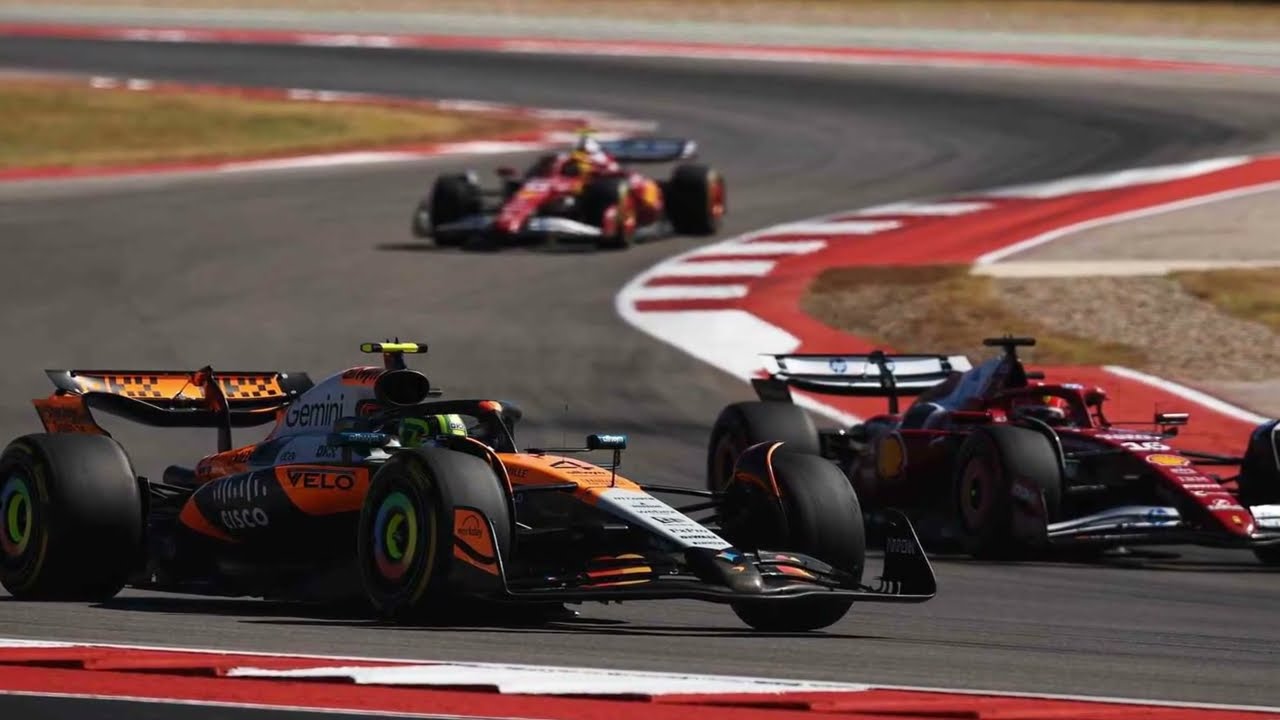
Under the engine cover, the changes are just as radical. The sport is keeping the 1.6-liter V6 Turbo architecture that has defined the hybrid era, but the internal balance of power is shifting dramatically.
Currently, the internal combustion engine (ICE) does the heavy lifting. In 2026, the split between the petrol engine and the electric motor will be roughly 50/50. The electric motor’s power output is being nearly tripled to a staggering 350kW. This means that while the screaming V6 will produce slightly less power on its own, the electric system will fill the gap with instant, torque-filled acceleration.
This shift is critical for two reasons. First, it aligns Formula 1 with the global automotive trend towards electrification, making the technology relevant to road cars. Second, it has successfully wooed major manufacturers like Audi and Ford to join the grid, proving that F1 is once again the place to be for automotive innovation.
Fueling these monsters is another breakthrough: 100% sustainable fuel. Sourced from carbon capture technology, municipal waste, and non-food biomass, this fuel ensures that while the engines still scream, their carbon footprint is virtually non-existent. It is a bold step toward the sport’s “Net Zero by 2030” goal, ensuring that the roar of an engine can survive in an eco-conscious world.
The “Video Game” Element: Manual Overtake Mode
If Active Aero wasn’t enough to excite the strategists, the introduction of the “Manual Overtake Mode” certainly will. Because the electric motor is so powerful, how that energy is deployed becomes a massive tactical weapon.
The new rules introduce a logic similar to the “KERS” system of the past but on steroids. Drivers will have a “Boost Button” or a specific overtake mode that dumps extra electrical energy into the wheels. This is designed to be used when a driver is within one second of a rival—giving them that critical surge of power needed to close the gap and make a move.
It creates a fascinating game of cat and mouse. Do you use your battery energy to defend a position now, or do you save it for a blistering lap later? The car doesn’t just give you everything automatically; the driver has to choose when to deploy their arsenal. It reintroduces resource management as a key skill, separating the thinking drivers from the ones who just drive flat-out.
Safety and the Great Unknown
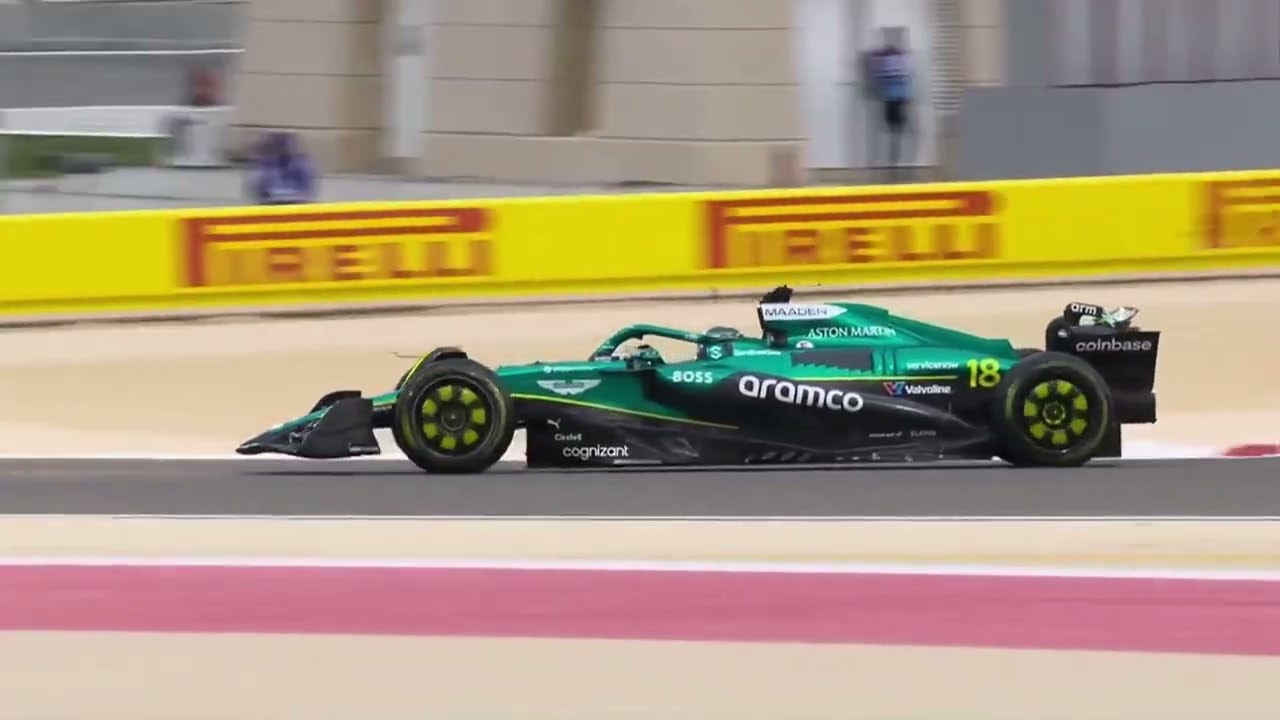
Of course, speed is nothing without safety. The 2026 chassis will feature a strengthened “survival cell,” a tougher roll hoop (likely a response to scary rollover accidents in recent years), and improved side-impact structures. The sport continues to push the boundaries of driver protection, ensuring that as cars get faster and battles get closer, the risk is managed as effectively as possible.
Ultimately, the 2026 regulations represent a “Great Unknown.” History tells us that major rule changes often shake up the competitive order—just look at how Mercedes dominated the start of the hybrid era in 2014. With such a radical departure from the current “ground effect” cars, the door is wide open for a midfield team to find a “magic bullet” innovation and leap to the front.
Will Red Bull maintain their edge? will Ferrari adapt? Or will a newcomer like Audi shock the world? The only certainty is that Formula 1 is changing. The cars will be harder to drive, the strategy will be deeper, and the racing—hopefully—will be closer than ever. The reset button has been pressed; now we just have to wait for the lights to go out.