The world of Formula 1 is no stranger to “Silver Bullets”—those rare, ingenious technical innovations that arrive once a decade and completely rewrite the competitive order. From the double-diffuser of 2009 to the Mercedes “DAS” system of 2020, history is written by the engineers who find a way to dance on the edge of the rulebook. As we look toward the seismic regulation shift of 2026, the first whispers of a new revolution have finally emerged, and they center on a component most fans rarely think about: the front wing actuator.
According to explosive new reports from Autoraer, one of the elite teams on the grid is currently developing a highly secretive electric actuator for their 2026 front wing. In a sport where every milligram is weighed with the intensity of a diamond merchant, this move away from traditional hydraulic systems could be the “unfair advantage” that decides the first world championship of the new era.
The Great 2026 Weight Crisis
To understand why an electric motor in a nose cone is such a big deal, you first have to understand the nightmare facing F1 designers for 2026. The new regulations introduce complex, heavy hybrid power units with massive batteries. To compensate, the FIA is demanding smaller, more agile cars, but meeting the minimum weight requirement has become the “Final Boss” of engineering challenges.
In Formula 1, weight is the enemy of everything. A heavy car accelerates slower, brakes later, eats its tires faster, and is fundamentally lazier through corners. For 2026, many teams are privately terrified that they won’t even be able to hit the minimum weight limit, meaning they will have to run “overweight” and effectively start every race with a self-imposed handicap.
This is where the genius of the electric actuator comes in. Traditionally, active components like the DRS (Drag Reduction System) or the new-for-2026 active front wings rely on hydraulics. A hydraulic system is a mess of heavy high-pressure tubing, oily fluids, pumps, accumulators, and complex seals. It is reliable, but it is incredibly heavy. By switching to a purely electric actuator, a team can rip out all that plumbing and replace it with lightweight wiring and a compact motor. It is the automotive equivalent of trading a heavy cast-iron stove for a sleek induction hob.
The “Free” Lap Time
The narrator of the recent technical breakdown on F1Unraveled put it best: this is “free lap time.” If a team can save several kilograms by going electric, they aren’t just making the car faster; they are giving themselves the freedom to move that saved weight elsewhere in the chassis to improve balance.
The 2026 cars will feature what is known as “X-mode” and “Z-mode”—active aerodynamic settings that allow the car to shed drag on the straights and gain downforce in the corners. This transition must be lightning-fast and perfectly synchronized between the front and rear wings. If the electric system is faster and more precise than the hydraulic alternative, the car will be more stable, giving the driver the confidence to push the absolute limit.
Whodunnit? Narrowing Down the Suspects
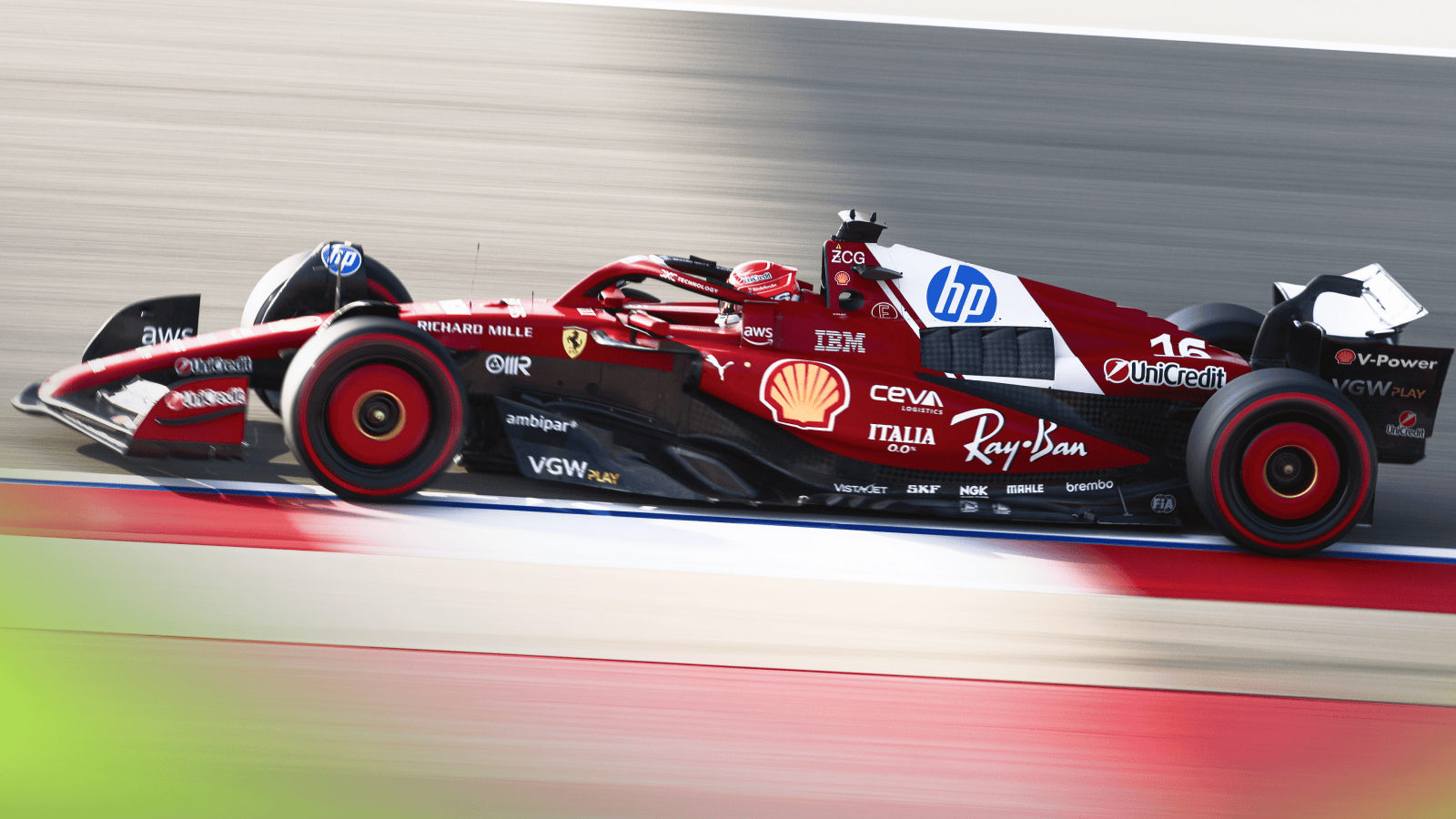
The big question remains: Which “elite” team is the one holding this card? We can already start crossing names off the list. Following the post-season tests in Abu Dhabi, insiders noted that both Ferrari and Mercedes were running traditional hydraulic systems to test their 2026 aero concepts. While they could switch later, they appear to be sticking to the “tried and true” path for now.
That leaves the “Big Three” of the 2026 transition: Red Bull, McLaren, and Aston Martin. While McLaren and Red Bull certainly have the engineering muscle to pull this off, the paddock’s collective gaze is turning toward Silverstone.
The Adrian Newey Effect
There is one name that is synonymous with obsessive weight saving and aerodynamic wizardry: Adrian Newey. The “GOAT” of F1 design recently made shockwaves by joining Aston Martin, and his fingerprints are all over this kind of lateral thinking. Newey has spent his career finding ways to make cars smaller, tighter, and lighter than anyone thought possible.
The rumor mill suggests that Aston Martin, backed by the bottomless pockets of Lawrence Stroll, has left no stone unturned. If you are building a “dream team” of engineers, you don’t hire them to build a standard car; you hire them to find the electric breakthrough that catches Ferrari and Mercedes napping. With the AMR26 scheduled for a secret shakedown at Silverstone in January, the world will soon see if the “Green Team” has truly found a way to bypass the laws of physics.

A Signal of Intent
This electric actuator isn’t just a part; it’s a signal. It tells the rest of the grid that the team behind it isn’t playing it safe. They are looking for “marginal gains” in places the competition hasn’t even looked yet. In a sport where titles are won by thousandths of a second, saving a few kilograms in the nose cone could be the difference between a podium and a championship trophy.
As we move closer to the 2026 season opener in Australia, the tension is palpable. The “Weight War” has officially begun, and while some teams are still wrestling with heavy pipes and oily fluids, one team might have already switched the lights on for a new era of dominance. The only question left is: can anyone catch them?