The high-octane world of Formula 1 is officially heading back to the Atlantic coast. In a move that has sent shockwaves of excitement through the global motorsport community, the Portuguese Grand Prix has been confirmed for a triumphant return in the 2027-2028 season.
The race will be held at the breathtaking Algarve International Circuit, more affectionately known as Portimão, a track that has earned the nickname “The Rollercoaster” due to its dramatic elevation changes and blind crests.
The announcement comes directly from the highest levels of the Portuguese government. Prime Minister Luís Montenegro recently confirmed that all arrangements are in place to formalize the return of the premier class of motorsport to the Algarve region.
While hosting an event of this magnitude requires a significant financial commitment from the state, Montenegro emphasized that the direct and indirect returns—both in terms of global promotion and economic impact—make it a “frankly worthwhile” investment for the nation.
A Triumphant Return After the Pandemic Era For many fans, the return to Portimão feels like a homecoming. The circuit famously stepped in during the 2020 and 2021 seasons when the COVID-19 pandemic forced a complete rewrite of the F1 schedule. In 2020, Portimão provided the backdrop for a historic milestone: Lewis Hamilton’s 92nd career victory, the moment he officially surpassed Michael Schumacher’s long-standing record for the most Grand Prix wins in history.
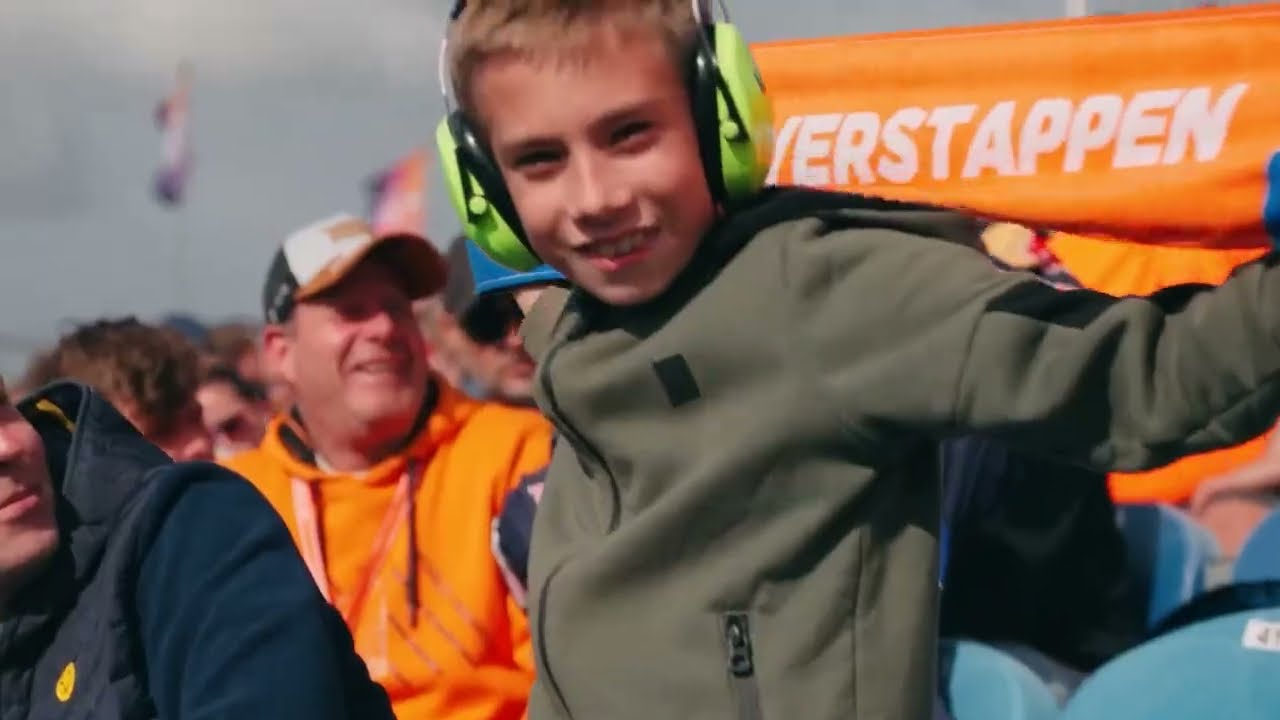
However, those pandemic-era races were bittersweet. The 2020 event saw a limited crowd of just over 27,000 fans, while the 2021 race was held behind closed doors. When the circus returns in 2027, the atmosphere will be transformed. Organizers are preparing for over 100,000 spectators per day, finally allowing the Portuguese fans to bring their legendary passion to the grandstands in full force.
The Drivers’ Favorite: Why Portimão Matters Unlike some modern street circuits that have faced criticism for being “processional,” Portimão is a pure driver’s track. Seven-time World Champion Lewis Hamilton has been a vocal advocate for the circuit, previously stating that he would love to see the Algarve permanently integrated into the calendar. He noted that growing up watching the Portuguese Grand Prix at the old Estoril track made competing in the country a deeply personal experience.
The technical challenge of the 4.6-kilometer lap is immense. Two-time champion Fernando Alonso has highlighted the unique, blind corners that demand absolute precision and place extreme stress on the tires. Alpine’s Esteban Ocon described the layout as “spectacular and complicated,” noting that the blind exits are a feature found nowhere else on the current F1 calendar. For the drivers, it is a physical and mental workout; for the fans, it is a visual spectacle of cars plunging down hillsides and hitting apexes they can barely see.
The Era of the Rotating Calendar The confirmation of Portimão marks a significant shift in how Formula 1 manages its increasingly crowded schedule. With interest from nations like Thailand, Turkey, Germany, and South Korea, as well as a long-awaited bid for an African Grand Prix in South Africa or Morocco, space on the 24-race calendar is at a premium.
To accommodate this demand, Formula 1 is moving toward a “rotation” model for European races. Portimão has secured an initial two-year contract, signaling that it may share a slot with other iconic venues in the future. While legendary tracks like Silverstone and Monaco are expected to remain permanent fixtures, other European venues may soon find themselves on an “every other year” schedule to allow more variety and global reach.
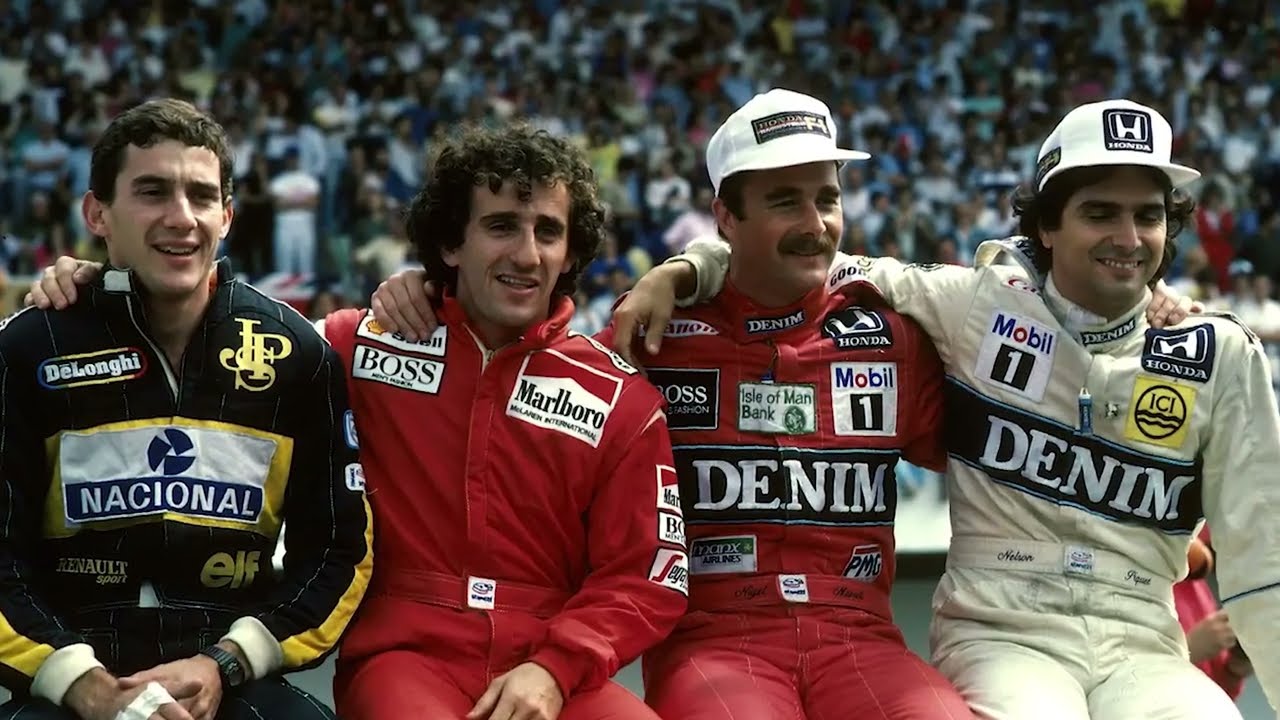
A Rich Heritage and a Bright Future Portugal’s history with Formula 1 is deeply rooted. From the legendary street races in Porto’s Boavista circuit in 1958—where Sir Stirling Moss took victory—to the golden era at Estoril between 1984 and 1996, the country has always been a cornerstone of racing culture. Who could forget the iconic 1986 photograph at Estoril featuring the “Big Four”: Ayrton Senna, Alain Prost, Nigel Mansell, and Nelson Piquet?
By securing the 2027 spot, Portugal isn’t just looking back at its heritage; it is positioning itself as a modern hub for tourism and sport. The Algarve region, famous for its stunning beaches and world-class cuisine, is already a favorite for travelers. The addition of Formula 1 alongside the already secured MotoGP races for 2025 and 2026 makes the region a global capital for speed.
As we look toward 2027, the message is clear: the rollercoaster is back, the fans are ready, and the engines are set to roar once again in the hills of the Algarve. For those who love pure, unadulterated racing, the return of the Portuguese Grand Prix is nothing short of a victory.