It was supposed to be the revolution that saved Formula 1. When the ground effect regulations were introduced in 2022, the promise was seductive and simple: “raceability.” The sport’s governors envisioned a new golden era where cars could follow each other closely, nose-to-tail, without being washed away by the turbulent “dirty air” that had plagued the sport for decades.
Fast forward to the end of the 2025 season, and the verdict is in. It is messy, complicated, and incredibly lucrative.
On the asphalt, the dream has largely crumbled. The cars, described by experts and drivers alike as “unracable beasts,” have become faster but significantly harder to drive. The initial success of 2022, where a following car could retain 85% of its downforce at a 10-meter distance, has evaporated. By 2025, that figure plummeted to 65%, dragging the sport back into the very aerodynamic quagmire it tried to escape.
But off the track? The sport has never been healthier. In a twist that no one saw coming, the very regulations that failed to fix the racing have inadvertently created the most financially robust and competitively tight grid in the history of Grand Prix racing.
The “Dirty Air” Deception
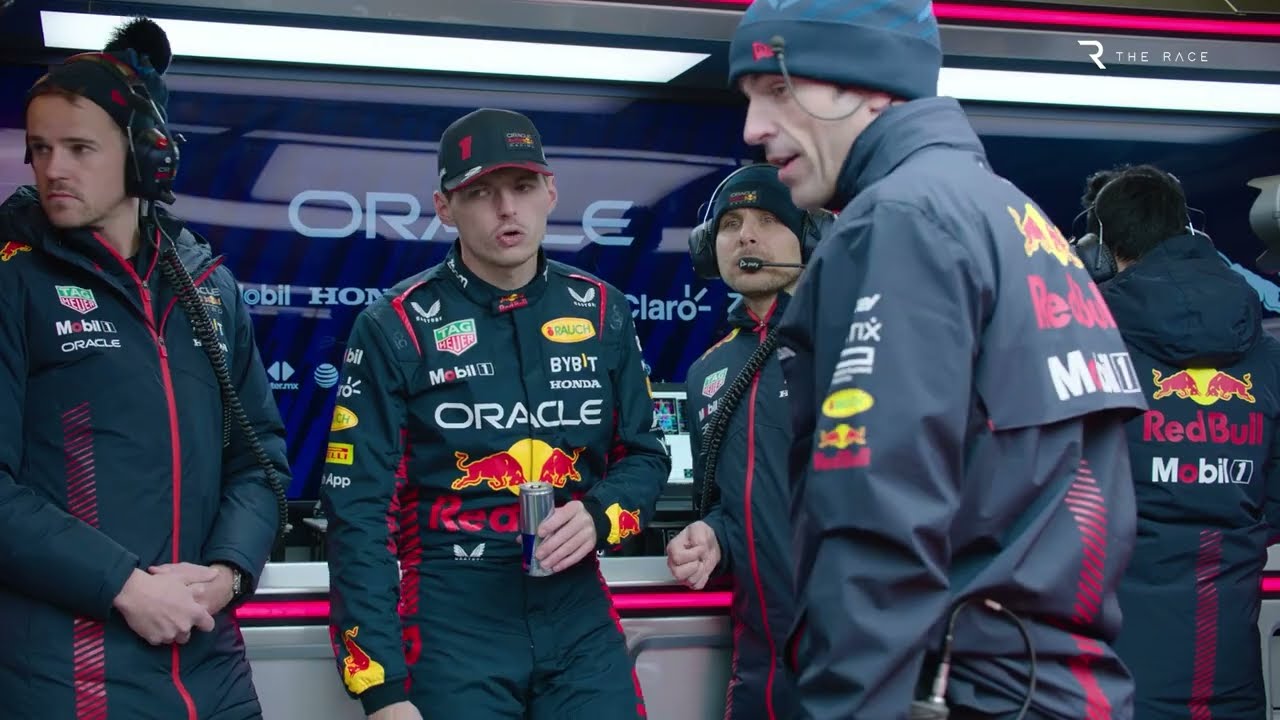
To understand what went wrong, you have to look at the physics of “outwash.” In simple terms, F1 teams want to push turbulent air away from their own car to maximize speed. The 2022 rules were designed to stop this, forcing teams to generate performance from the floor (ground effect) rather than complex wings that throw “dirty air” into the face of the driver behind.
“The short answer is that the teams did everything they could to break the regulations in their relentless pursuit of performance,” says the analysis from The Race.
And break them they did. From Mercedes’ controversial front wing endplates to the complex “brake duct winglet arrays” that sprouted like mushrooms on every car, the smartest minds in engineering found every loophole available. They clawed back the outwash, sacrificing the sport’s “raceability” for pure lap time.
Nikolas Tombazis, the FIA’s Single Seater Director, was candid in his assessment, giving the regulations a “B or a C” grade. He admitted that while the intent was noble, the governance structure of F1—which requires team agreement for mid-cycle rule changes—left the FIA powerless to stop the rot. The result? A 2025 season plagued by driver complaints about the difficulty of overtaking, mirroring the frustrations of the pre-2022 era.
The Competitive Miracle
However, to label the era a total failure would be to miss the forest for the trees. While the quality of the wheel-to-wheel combat may have suffered, the closeness of the competition has been nothing short of miraculous.
The 2025 season ended with a three-way fight for the title involving Lando Norris, Max Verstappen, and Oscar Piastri—a scenario fans could only dream of during the Hamilton domination years. But the real statistic that proves the success of the era is buried deep in the data: the “competitive spread.”
In 2025, the average single-lap pace deficit of the slowest team (Alpine) to the front was just 1.369%. This is the smallest gap in the 21st century. Essentially, the entire grid has been compressed. There are no more backmarkers finishing three laps down. Every team, from Red Bull to Haas, is fighting within the same few seconds of asphalt.
This tightening of the field isn’t an accident. It is the direct result of the restrictive technical rules and the standardization of parts. By limiting what designers could do with suspension and gearboxes, the FIA forced the teams into a smaller performance box, inadvertently creating the most competitive field the sport has ever seen.
The $6 Billion Gold Rush
If the technical rules earned a “C,” the financial regulations have earned a resounding “A+.”
The cost cap, introduced in 2021 and tightened throughout the ground effect era, has fundamentally altered the DNA of Formula 1. Gone are the days of teams spending $400 million a year to buy a championship. The spending limit—dropping to $135 million by 2023—has saved the teams from themselves.
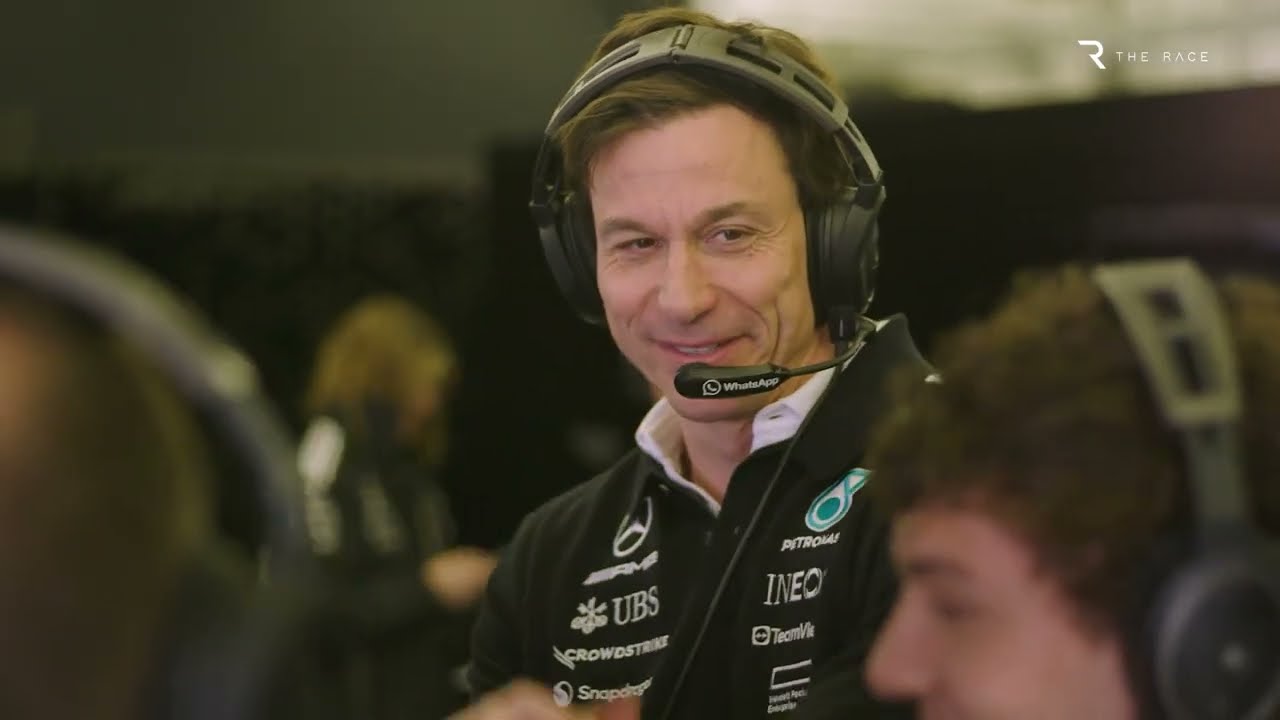
The impact has been astronomical. With costs controlled and revenues skyrocketing, F1 teams have transformed from money pits into profit-generating machines. The ultimate proof of this financial metamorphosis arrived in late 2025, when Mercedes team principal Toto Wolff sold a 15% stake of his holding to CrowdStrike CEO George Kurtz.
The deal valued the Mercedes F1 team at a staggering $6 billion.
To put that in perspective, that is a higher valuation than many top-tier European football clubs or NFL franchises. It is a testament to the stability and profitability that the cost cap and the “sliding scale” of aerodynamic testing (ATR) have brought to the sport.
“That might prove to be the great legacy of these regulations,” the analysis concludes. “The ground effect rules didn’t deliver on the best hopes for improving the racing… But in terms of the health and stability of the F1 teams… they will go down in history as a resounding success.”
A Mixed Legacy
As the sport prepares for yet another massive regulation overhaul in 2026, the 2022-2025 era will be remembered as a paradox. It was a time when the cars became “unracable beasts,” defying the very physics they were meant to harness. Yet, it was also the era that saved Formula 1 from financial ruin, turning a grid of precarious businesses into a powerhouse of billion-dollar enterprises.
The fans may still be waiting for that perfect, wheel-to-wheel dogfight, but for the team principals and shareholders, the ground effect era has been nothing short of a victory lap.