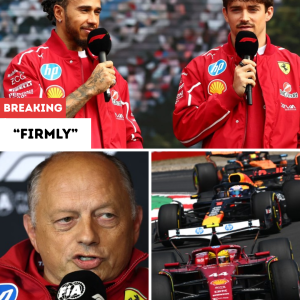
There is a quiet, unsettling storm brewing in the heart of the Formula 1 paddock, and for once, it has nothing to do with budget cap scandals, penalty points, or inter-team politics. This crisis cuts much deeper. It is about the very soul of racing itself.
As the simulation results for the revolutionary 2026 car regulations begin to circulate, something has snapped within the grid. The sport’s biggest names—world champions, seasoned veterans, and rising stars alike—are breaking rank. They aren’t just complaining about technical tweaks; they are issuing dire warnings. Some are even hinting at the unthinkable: walking away from the sport they have dedicated their lives to.
Why the sudden panic? Because what is coming in 2026 isn’t just an evolution; it is being described as a “science project” that threatens to strip the joy out of driving.
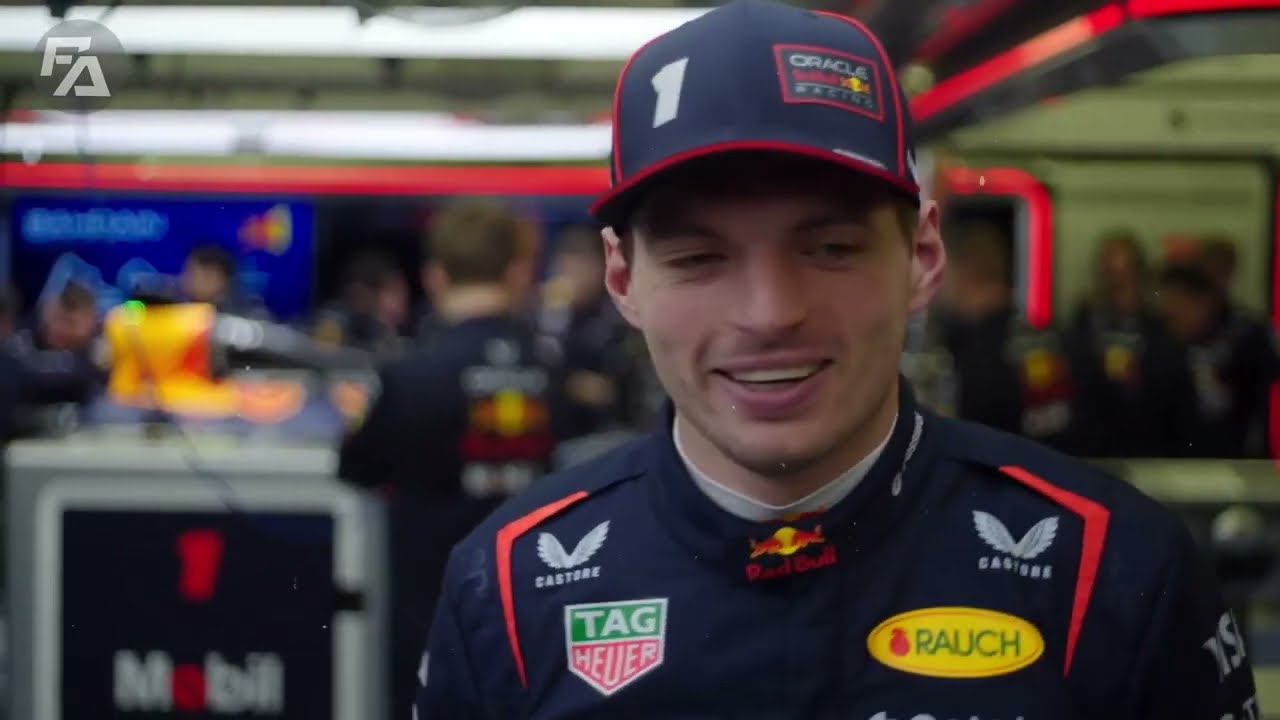
The “Science Project” Revolution
The 2026 regulations were sold as a bold step into the future: sustainable, innovative, and road-relevant. But the reality facing the drivers in the simulator is starkly different. The new machines feature a 50/50 power split between the internal combustion engine and the battery, along with active aerodynamics where wings change shape mid-lap.
On paper, it sounds futuristic. In practice, drivers are describing a nightmare.
The cars are projected to be absolute rockets on the straights, potentially hitting 400 km/h, but they will reportedly “crawl” through the corners. With a 30% drop in downforce and a massive reliance on energy harvesting, the driving style will shift from pushing the limits of physics to managing a battery gauge.
Lance Stroll, a driver typically known for his reserved and calm demeanor, didn’t mince words. “It’s a bit sad,” he said, his tone reflecting resignation rather than anger. He described the future of F1 as a disjointed experience—blistering speed followed by sluggish cornering. “Managing energy and battery power is not as exciting as pushing a car to its limits with lots of downforce,” he added.
But his most chilling comment? “All the drivers agree on this.” In a sport where competitors rarely agree on the color of the sky, a unified front of dissatisfaction is a massive red flag waving frantically over the grid.
A Cry for Simplicity from the Legends
The criticism isn’t coming from rookies struggling to adapt; it is coming from the masters of the craft.
Charles Leclerc, Ferrari’s “Golden Boy” who thrives on precise, high-speed commitment, was brutally honest. “The 2026 car is not the most enjoyable race car I’ve driven so far,” he admitted. For a driver who lives for the thrill of a qualifying lap, the prospect of a heavier, slower, less agile car is a bitter pill to swallow.
Then there is Fernando Alonso, the grid’s relentless warrior. At over 40 years old, he races for the pure, visceral love of combat. His take on the 2026 rules was a desperate plea for simplicity. Alonso stated he doesn’t want to use his “brain 200%” just to manage systems and battery levels mid-race. He wants to go fast. He wants to win.
“Just give me the fastest car and let me drive,” Alonso implied. It is a sentiment that echoes the thoughts of millions of fans. When a two-time world champion feels the sport is becoming an exercise in software management rather than gladiator combat, something has gone fundamentally wrong.
Perhaps the most alarming comparison came from Esteban Ocon, who likened the handling of the 2026 cars to “rally cars.” Rally cars are incredible machines, but they are designed for dirt, instability, and sliding. Formula 1 is supposed to be the pinnacle of precision and grip. If the pinnacle of motorsport feels like a sliding rally car on tarmac, the DNA of F1 is being rewritten in a way that many drivers simply cannot accept.
The Threat of Exodus
The most terrifying prospect for Formula 1’s commercial rights holders isn’t just unhappy drivers—it’s absent ones.
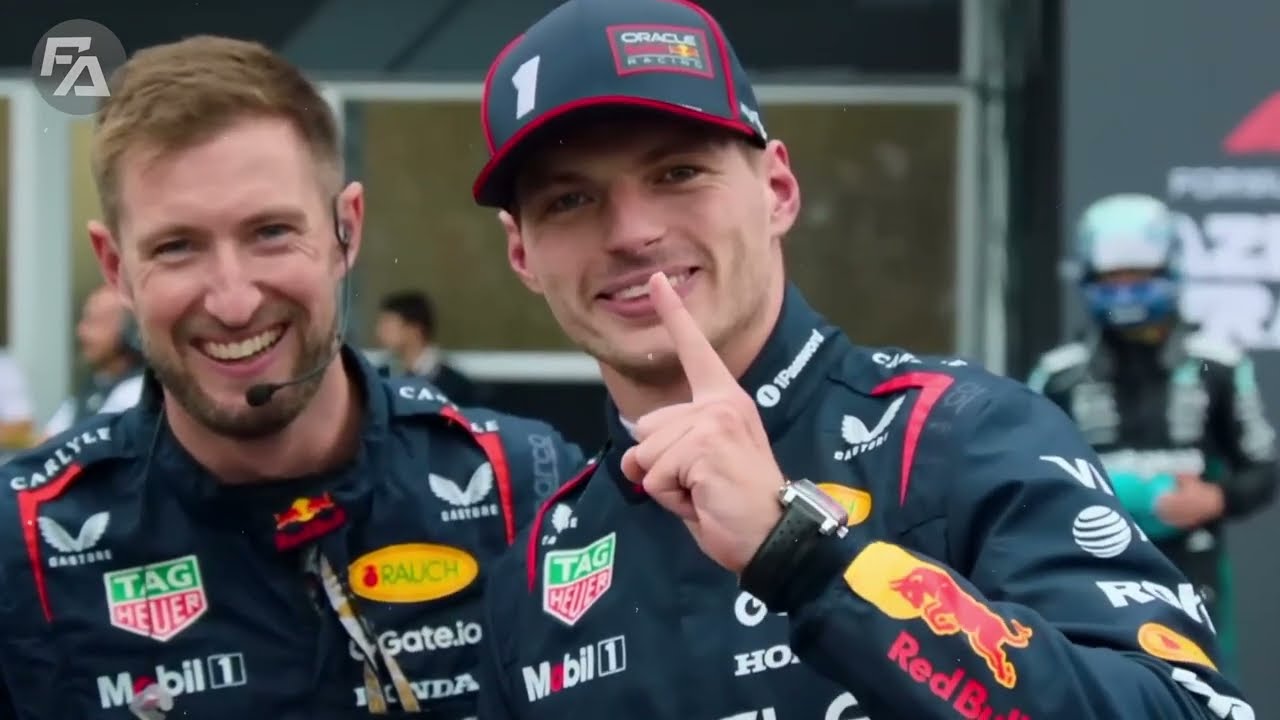
Max Verstappen, the reigning dominator of the sport, has been famously vocal about his ambivalence toward F1’s expanding calendar and theatrical direction. His reaction to the 2026 rules was cool, detached, and ominous. “I’m not making the rules anyway,” he shrugged, sounding like a man already mentally preparing for the exit door. If the cars aren’t fun, Max has made it clear: he won’t stay. He doesn’t need to.
Lewis Hamilton, a seven-time champion who has seen more rule changes than anyone, is equally concerned. While he has been critical of the current “ground effect” era, his worry for 2026 is altruistic. He fears for the fans. He worries that the spectacle of “racing without racing”—of coasting to save energy and downshifting on straights—will turn audiences away.
“There’s not a single thing I’ll miss about the current cars,” Hamilton said, but his tone suggested that what comes next might be even worse.
The Architects Defend Their Vision
The disconnect between the cockpit and the boardroom has never been wider. While drivers mourn the loss of speed and grip, team bosses are preaching patience and “relevance.”
Mercedes boss Toto Wolff attempted to rationalize the shift. He admitted that if you asked any driver what they wanted, they would demand a “naturally aspirated V12 with maximum grip and power.” He knows that is the dream—the raw, screaming soul of racing. But, as Wolff noted, “We’re in a different era now.” The sport is chasing sustainability and manufacturer relevance.
James Vowles of Williams tried to calm the waters, suggesting that development would eventually smooth out the awkwardness of the new regulations. But even he couldn’t ignore the “elephant in the room”: overtaking. With active aero and energy reliance, there is a genuine fear that races will devolve into parades of battery management, where passing is mathematically determined rather than fought for on the tarmac.
A Leap into the Unknown
Formula 1 is currently enjoying a golden era of popularity, with close championships and booming viewership. Jonathan Wheatley from Sauber pointed out that regulation changes always bring complaints, yet the sport survives. “We just had the closest championship in the history of the sport,” he reminded everyone.
But this feels different. This isn’t just about adapting to a new tire or a different wing shape. This is a fundamental shift in what it means to be a Grand Prix driver.
The weight of the cars is barely dropping—a meager 32kg reduction that amounts to little more than the weight of a single tire. The “light and nimble” promise has been broken. The “pure racing” promise is buried under layers of hybrid complexity.
Drivers are looking at the 2026 regulations and seeing a job description they didn’t sign up for. They want to be pilots, not systems engineers. They want to wrestle a beast, not coax a computer.
As retirement talk begins to swirl around the paddock, the question hangs heavy in the air: Is Formula 1 walking blindfolded into a disaster? If the cars arrive in 2026 and are indeed slower, clunky, and boring to drive, the sport risks losing its greatest heroes.
“I’ll wait and see,” is the common refrain from the drivers. But in F1, “wait and see” is often code for “I’m checking my options.”
The 2026 season was meant to be the dawn of a bright new future. Instead, it threatens to be the sunset for the generation of drivers who value the purity of speed above all else. The gamble has been made. Now, we wait to see if the house wins, or if the players simply walk away from the table.