In the high-octane world of Formula 1, silence is often the loudest sound. But recently, the silence coming from Maranello has been broken by a roar—not from an engine on the track, but from a leak that has sent shockwaves through the paddock. It has been nearly two decades since Ferrari truly ruled the sport. The days of Michael Schumacher’s dominance and Kimi Räikkönen’s 2007 title feel like ancient legends, gathering dust in the trophy cabinet. The Constructor’s Championship has eluded them since 2008, a painful drought for a team that defines itself by winning.
But 2026 promises a new dawn. With the sport undergoing a massive regulatory overhaul, the playing field is being leveled. And in the shadows of their Maranello factory, Ferrari has been forging a weapon that defies convention, logic, and perhaps even safety. They call it Project 678, but the world is about to know it as the “Steel Heart” of Ferrari.
The Impossible Choice: Why Steel?
For years, the formula for a winning F1 engine has been lightness above all else. Aluminium has been the gold standard for critical components like cylinder heads—light, effective enough, and predictable. But Ferrari, staring down the barrel of another decade of mediocrity, has decided that “predictable” doesn’t win championships.
In a move that has baffled rival engineers and delighted tech nerds, Ferrari’s 2026 power unit will reportedly feature cylinder heads made from a newly developed steel alloy.
On the surface, this sounds like madness. Steel is heavy. In a sport where every gram is shaved off with obsessive precision, voluntarily adding weight to the engine seems counterintuitive. However, the 2026 regulations have changed the math. Power units are getting heavier anyway—up to 150kg—and the emphasis is shifting from pure lightweight materials to combustion efficiency and durability.
The new rules mandate a 50/50 split between electric power and the internal combustion engine (ICE). To get the most out of that combustion side, you need heat. Extreme heat. You need pressures that would melt standard aluminium components into slag. That is where steel enters the picture. Steel can withstand thermal punishment that aluminium simply cannot. It allows for more aggressive ignition strategies, higher compression ratios, and ultimately, more explosive power from every drop of fuel.
The Struggle Behind the Scenes
This innovation didn’t come easily. In fact, it almost didn’t happen at all. Reports from inside the team suggest that the road to Project 678 was paved with failure. Early prototypes of the steel heads were a disaster. They suffered from thermal cracking and fatigue, unable to survive the brutal vibrations and heat cycles of an F1 simulation.
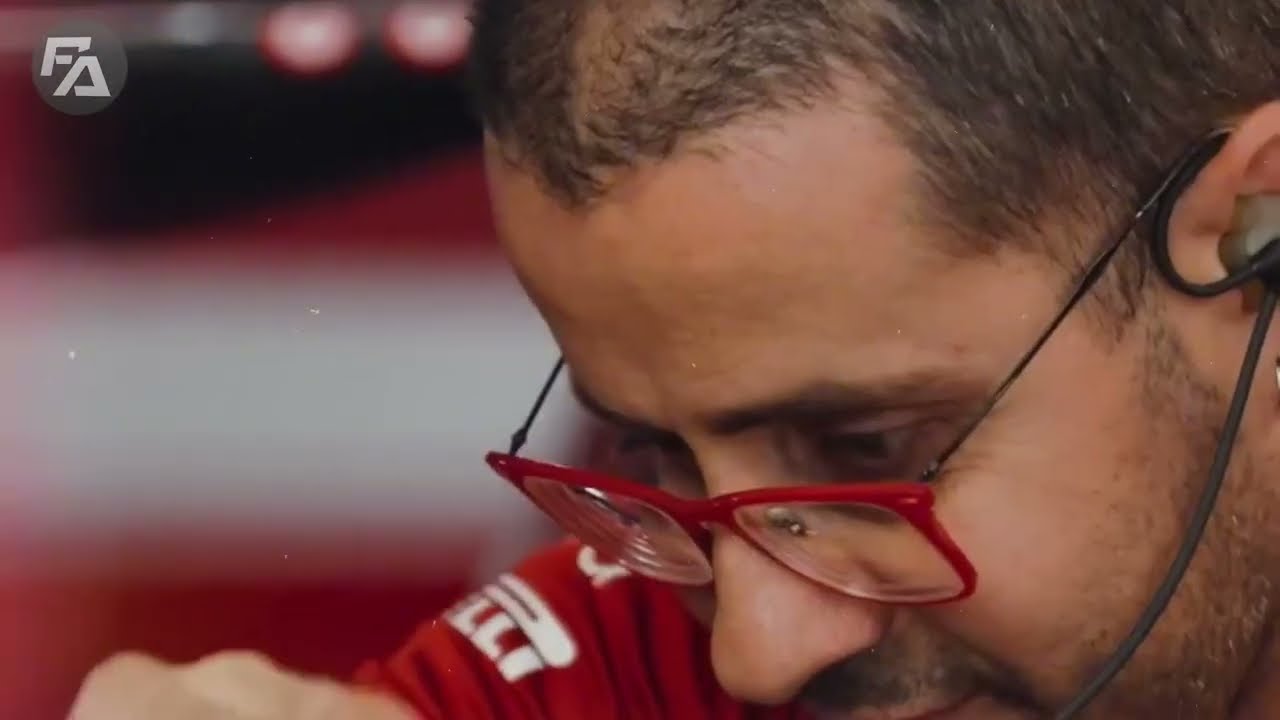
Wolf Zimmerman, the mastermind behind Ferrari’s combustion technology, reportedly faced a wall of skepticism. There were whispers that the project was too extreme, too risky, and that the team should retreat to the safety of aluminium. The fear was palpable: in 2026, teams are strictly limited to just four internal combustion engines per driver for the entire 24-race season. If your fancy steel engine cracks in race three, your championship hopes are effectively over.
Facing a technical dead end, Ferrari did something rare for the proud Italian outfit: they asked for help. They brought in AVL, an Austrian powertrain consultancy famous for making the impossible possible. AVL’s experts didn’t just advise; they reportedly rescued the project. Through their collaboration, they managed to turn the fragile steel concept into a reliable weapon.
Late in 2025, a quiet confidence began to spread through the factory. The aluminium backup plan was scrapped. Ferrari was all in on steel.
A Dangerous Game of Risk vs. Reward
The implications of this decision are staggering. If the reports are true, Ferrari’s new engine is producing pressures and temperatures never before seen in Formula 1. While rivals like Mercedes are reportedly chasing complex compression ratio tricks and Red Bull is focusing on battery energy cycling, Ferrari has chosen a path of brute engineering strength.
It is a high-stakes gamble. The extra weight of the steel must be compensated for elsewhere. Ferrari has reportedly developed new compact radiators, a lighter battery system, and a tighter packaging layout to offset the engine’s mass. They are also reintroducing a push-rod rear suspension—a layout they haven’t used since 2010—mimicking a geometry that Red Bull is rumored to be pursuing. This allows for better aerodynamics and a lower center of gravity, crucial for handling the heavier 2026 cars.
But the risks remain massive. “Reliability” is the watchword for 2026. A single failure can ruin a weekend; a pattern of failures ruins a season. Ferrari is betting that their Austrian-aided steel alloy can hold together while screaming at 12,000 RPM for two hours straight, Sunday after Sunday.
The Human Element: Hamilton and Leclerc
Beyond the nuts and bolts, this story is deeply human. It is about redemption.
Charles Leclerc, the prince of Maranello, has waited years for a car capable of fighting for the title on merit, not just luck. After a 2025 season where he scraped together seven podiums but zero wins, his patience is undoubtedly wearing thin. He needs a machine that matches his talent.
And then there is Lewis Hamilton. The seven-time world champion made the shock move to Ferrari not to drive in the midfield, but to cement his legacy with an eighth title in red. His 2025 season was a statistical low point—zero podiums for the first time in his illustrious career. Hamilton has seen enough failed projects to know the difference between hype and reality. Yet, insiders suggest he is “locked in” and hopeful. If Project 678 delivers on its promise, Hamilton might just have the machinery to challenge the younger generation one last time.
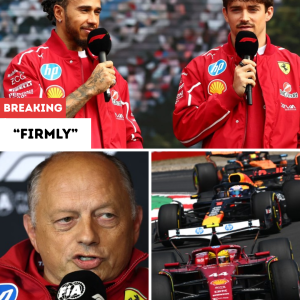
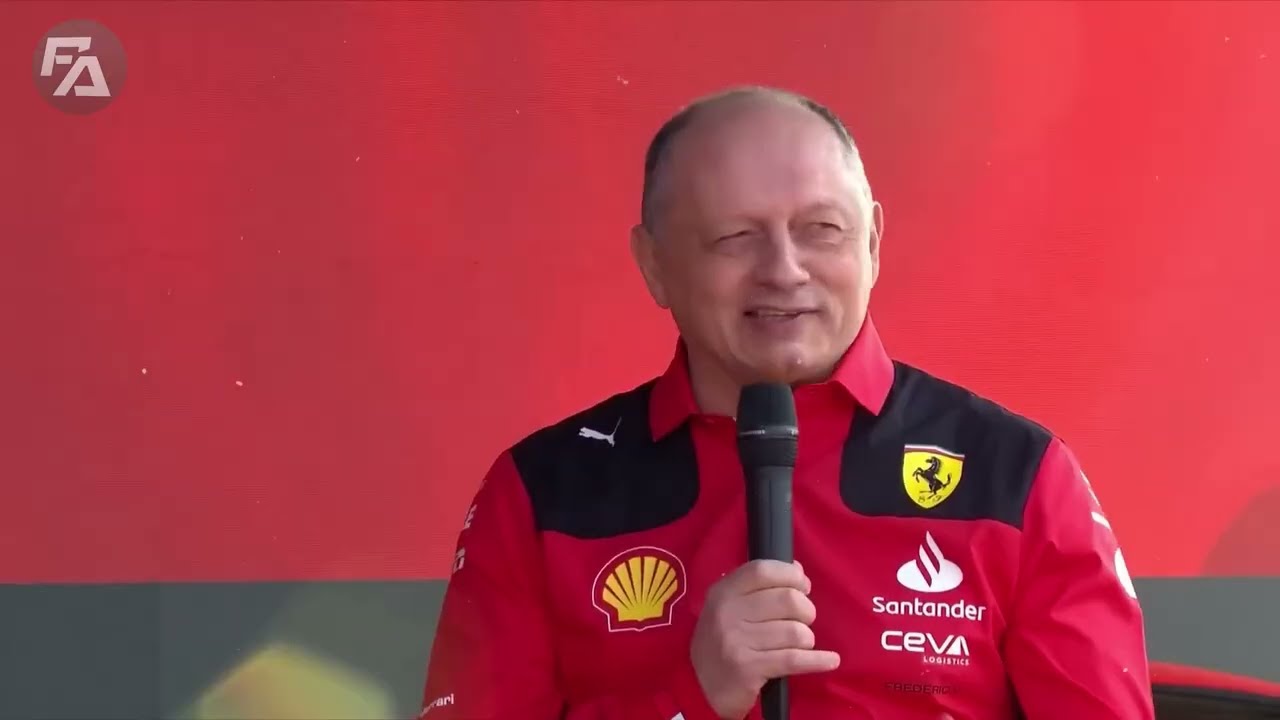
The pressure on Team Principal Fred Vasseur is suffocating. He knows that Ferrari cannot afford another false dawn. The decision to unveil the car on January 23rd—just days before the pre-season test in Barcelona—shows a team that is eager, perhaps even desperate, to prove its worth. Vasseur has even revealed a “two-spec” strategy: a launch car designed to verify the reliability of the new steel engine, and a “B-spec” performance version that will arrive later for the Bahrain race. This aggressive development plan signals that Ferrari is no longer content to play it safe.

The Verdict: A New Era or a Final Failure?
The 2026 season represents a hard reset for Formula 1. Everyone starts from zero. In this environment, the team that takes the biggest risk often reaps the biggest reward. Mercedes dominated the hybrid era because they nailed the engine regulations better than anyone else. Ferrari is hoping that their “Steel Heart” will be the defining innovation of this new era.
Rumors in the paddock already place Ferrari’s engine readiness as second only to Mercedes, and potentially ahead of Red Bull Ford. For a team that looked lost in 2025, that is a seismic leap.
But until the lights go out in Bahrain, it is all just simulation data and hopeful whispers. The steel heads could be the masterstroke that brings the world title back to Maranello after 18 years. Or, they could be the Achilles’ heel that leaves Leclerc and Hamilton stranded on the side of the track in a cloud of smoke.
One thing is certain: Ferrari is done with half-measures. They have looked at the future, saw the challenges, and decided to build something dangerous. In a sport that often rewards the brave, Ferrari has made the bravest call of all. Now, the world waits to see if the gamble pays off.