The Formula 1 paddock is no stranger to bold predictions, but few statements in recent years have sparked as much reaction as the one delivered by McLaren CEO Zak Brown. Speaking with unmistakable confidence, Brown declared that Formula 1 has officially entered a new era—one in which Lando Norris stands poised to become the sport’s defining figure, capable of challenging and eventually eclipsing the dominance established by Max Verstappen and Lewis Hamilton.
The remark sent shockwaves through the F1 community. Within hours, social media platforms erupted, paddock conversations intensified, and fan forums split into sharply opposing camps. Supporters hailed Norris as the natural heir to modern Formula 1 greatness, while critics accused Brown of exaggeration—and disrespect—toward two drivers whose legacies are already etched into the sport’s history.
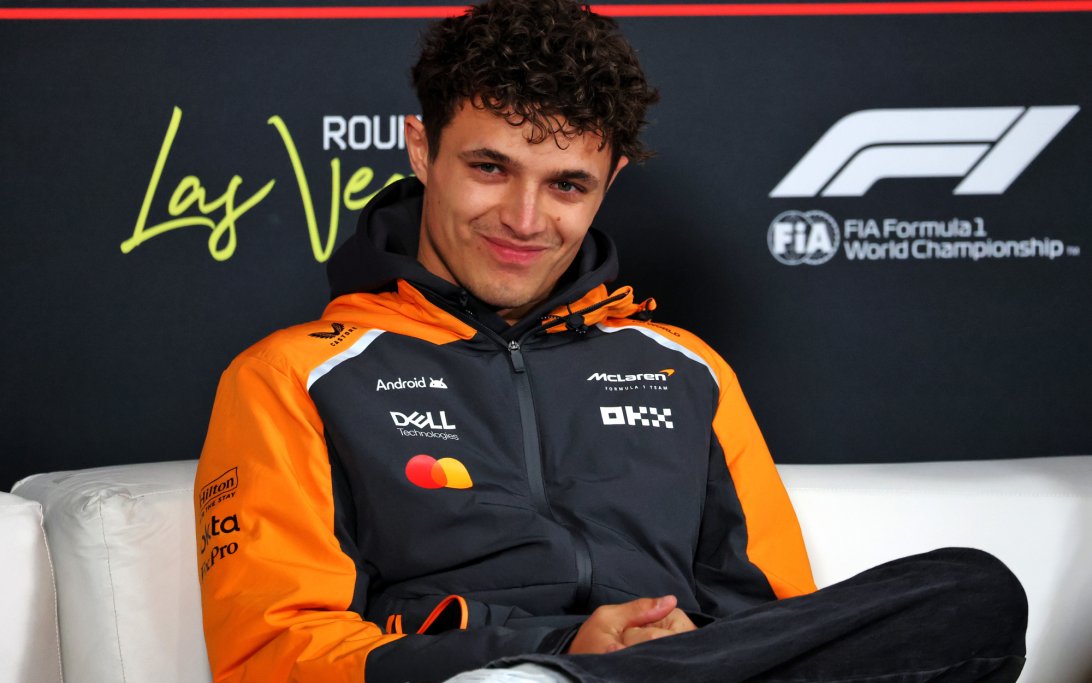
For Brown, however, the claim was neither impulsive nor rhetorical. He framed Norris as the embodiment of Formula 1’s evolution: technically astute, emotionally intelligent, and increasingly ruthless when opportunity presents itself.
“Lando has shown growth that goes far beyond raw speed,” Brown said. “It’s about race intelligence, adaptability, and leadership—qualities that define champions, not just fast drivers.”
The Case for Norris
Those aligned with Brown’s view point to Norris’s steady progression since his debut. Once known primarily for flair and humor, the McLaren driver has matured into a competitor capable of extracting maximum performance from fluctuating machinery. His ability to communicate effectively with engineers, manage tires under pressure, and remain composed in wheel-to-wheel battles has elevated him into genuine elite company.
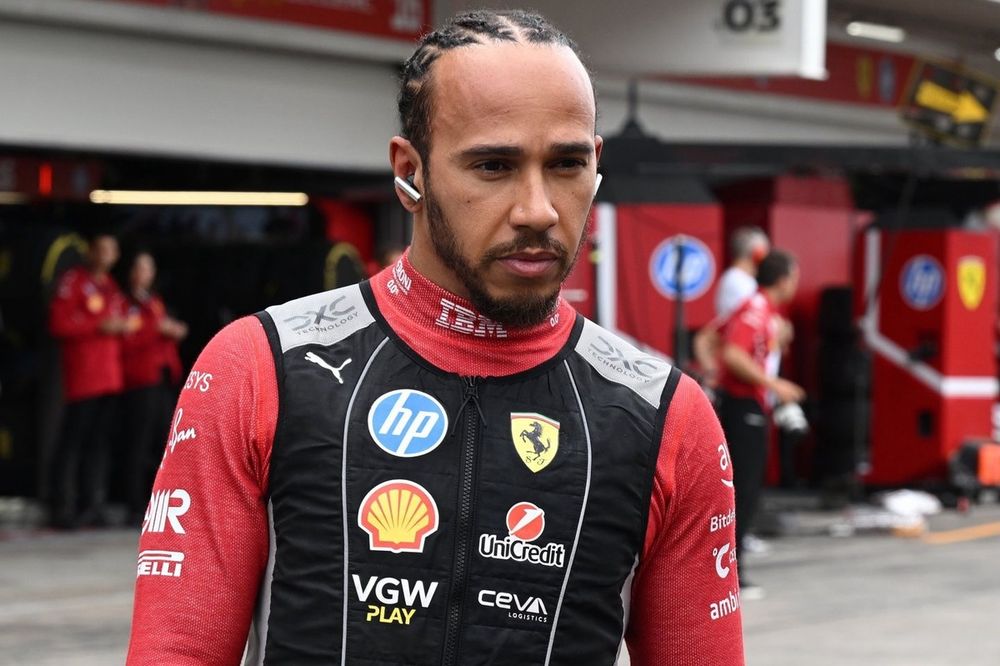
Analysts note that Norris’s performances have often exceeded the expectations placed on McLaren’s evolving car packages. In races where the team lacked outright pace, Norris consistently found marginal gains—through strategy, positioning, and precision—that kept him competitive against stronger machinery.
Supporters argue that these traits mirror the foundations of Hamilton’s longevity and Verstappen’s ruthless efficiency. Where Hamilton mastered consistency and Verstappen perfected aggression, Norris appears to blend both philosophies within the context of modern, data-driven Formula 1.
The Backlash and the Benchmark
Yet the backlash has been equally fierce. Verstappen’s supporters see Brown’s comments as provocation, particularly given the Red Bull driver’s relentless championship streak and ability to dominate entire seasons with near-clinical authority. For many, Verstappen represents a benchmark that remains untouched—an apex of speed, focus, and psychological dominance.
Hamilton loyalists, meanwhile, reject comparisons outright. They argue that no emerging driver can be spoken of as a successor until they have matched the seven-time world champion’s sustained excellence, cultural impact, and resilience across changing regulations and eras.
“Talent isn’t legacy,” one former driver commented. “Legacy is built over years of winning when everything is stacked against you.”
A Generational Shift
Beyond individual rivalries, the debate highlights a deeper generational divide within Formula 1. Younger fans increasingly gravitate toward drivers like Norris, Oscar Piastri, and Charles Leclerc—figures who feel relatable, digitally connected, and emblematic of the sport’s future. Longtime followers, however, remain loyal to the icons who defined Formula 1’s modern golden era.
This clash of perspectives has transformed Brown’s statement into something larger than simple team optimism. It has become a referendum on how greatness should be measured in an era shaped as much by branding and narrative as by lap times.
Strategy or Pressure?
Some insiders believe Brown’s declaration was carefully calculated. By positioning Norris as the face of Formula 1’s next era, McLaren signals intent—not merely to challenge for podiums, but to dismantle the established hierarchy dominated by Red Bull and Mercedes.
Others worry the statement places unnecessary pressure on Norris, who already operates under intense scrutiny as McLaren’s cornerstone. History offers cautionary tales of drivers burdened by premature comparisons, where expectation becomes weight rather than fuel.
Norris himself has responded with restraint. While openly ambitious about becoming world champion, he has consistently emphasized respect for Verstappen and Hamilton, framing his journey as incremental rather than inevitable.
“I focus on what I can control,” Norris said recently. “Improving every weekend, learning from the best, and being ready when opportunities come.”

The Reality of Championships
Experts agree on one point: championships require more than talent. They demand dominant machinery, strategic excellence, mental endurance, and consistency across an unforgiving calendar. Norris may possess the ingredients, but the recipe remains incomplete.
This fuels the central question: was Brown predicting destiny, or shaping perception? In modern Formula 1, narrative can be as powerful as performance—attracting sponsors, energizing teams, and unsettling rivals.
A Debate That Isn’t Going Away
Whether visionary or premature, Brown’s statement has achieved one undeniable outcome: it has electrified the conversation around Formula 1’s future. As established champions defend their reigns and rising talents chase legitimacy, the sport stands at a compelling crossroads.
Ultimately, no declaration—no matter how confident—can replace results. Only time, championships, and the unforgiving arithmetic of racing will determine whether Lando Norris becomes the face of a new era, or simply one of many talented drivers who dared to challenge legends.
Until then, the debate rages on—and Formula 1 is all the more captivating for it.