The promise was seductive: a new era of Formula 1 featuring sleeker cars, sustainable technology, and power units delivering over 1,000 horsepower of clean, electrified fury. But as the 2026 season looms closer, a harsh reality has shattered that glossy image.
Every single driver who has tested the new machinery in the simulator has walked away with the same conclusion—and none of them are happy.
The sport is staring down the barrel of a technical and political crisis that threatens to turn the fastest racing machines on Earth into energy-starved compromises.
The “Cliff Edge” Catastrophe
On paper, the specifications for the 2026 power units looked revolutionary. A 50/50 split between internal combustion and electric power was designed to keep F1 relevant in a changing world. The new electric motor (MGU-K) alone pumps out nearly 470 horsepower—triple the output of the current generation. When combined with the engine, the total power exceeds 1,000 horsepower.
However, there is a massive, fundamental flaw: while the power demand has tripled, the battery capacity has remained exactly the same.
The result is what engineers are calling a “cliff edge.” The battery drains three times faster than before, depleting long before the car reaches the end of a straight. When the battery runs dry, drivers don’t feel a smooth decline; they experience a brutal collapse in performance. The car instantly drops from 1,000 horsepower to around 550 horsepower—a loss of nearly 450 horsepower in the blink of an eye.
Max Verstappen, the reigning world champion, described the experience in blunt terms. In simulator runs at Monza, he found himself having to downshift hundreds of meters before the braking zone—while still flat out on the throttle—just to keep the car moving efficiently. “This is not the way forward,” he stated, highlighting a driving dynamic that feels completely alien to the pinnacle of motorsport.
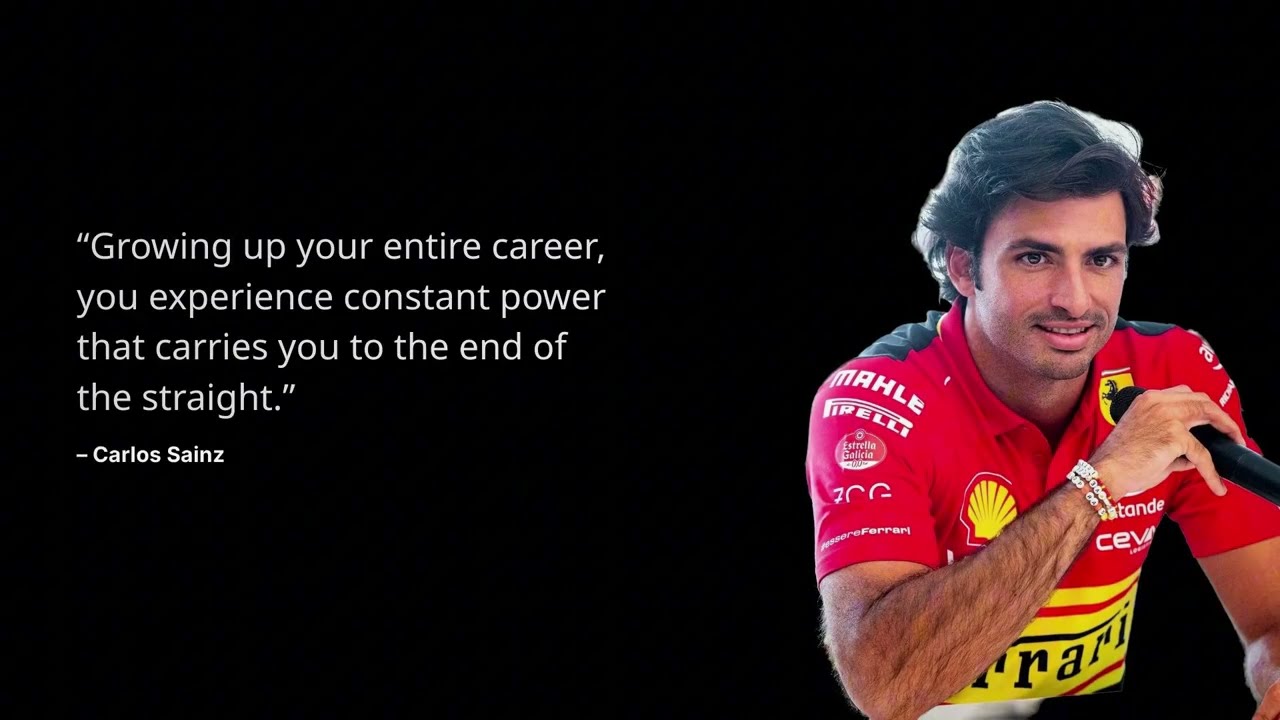
Carlos Sainz echoed these concerns, noting the bizarre sensation of speed stabilizing and then actually decreasing while driving in a straight line. It is a counter-intuitive nightmare for drivers who have spent their lives pushing vehicles to their absolute limits.
A Camel Designed by Committee
How did a sport filled with the world’s most brilliant engineers end up here? Pat Symonds, the legendary engineer and former FIA Chief Technical Officer, offered a brutal assessment. He compared the 2026 regulations to the old adage of a committee trying to design a racehorse and ending up with a camel.
Symonds revealed that the original plan included a front-axle energy recovery system, which would have balanced the energy books perfectly. However, one manufacturer vehemently opposed it, and the proposal was killed. The result is a power unit that is “sparse on energy,” forcing teams to rely on clumsy workarounds.
The FIA has attempted to bandage the wound with software fixes, creating a complicated system where power tapers off artificially at high speeds to prevent that sudden “cliff edge” drop. But these are merely patches on a broken bone. The fundamental energy deficit remains baked into the DNA of the 2026 regulations.
Politics Over Performance
The situation is exacerbated by a toxic political deadlock. Recognizing the severity of the problem, the FIA proposed a logical fix: reduce the electrical power output during races to conserve energy for qualifying and overtaking. This would have shifted the balance back toward the combustion engine for the bulk of the race, solving the “running out of juice” issue.
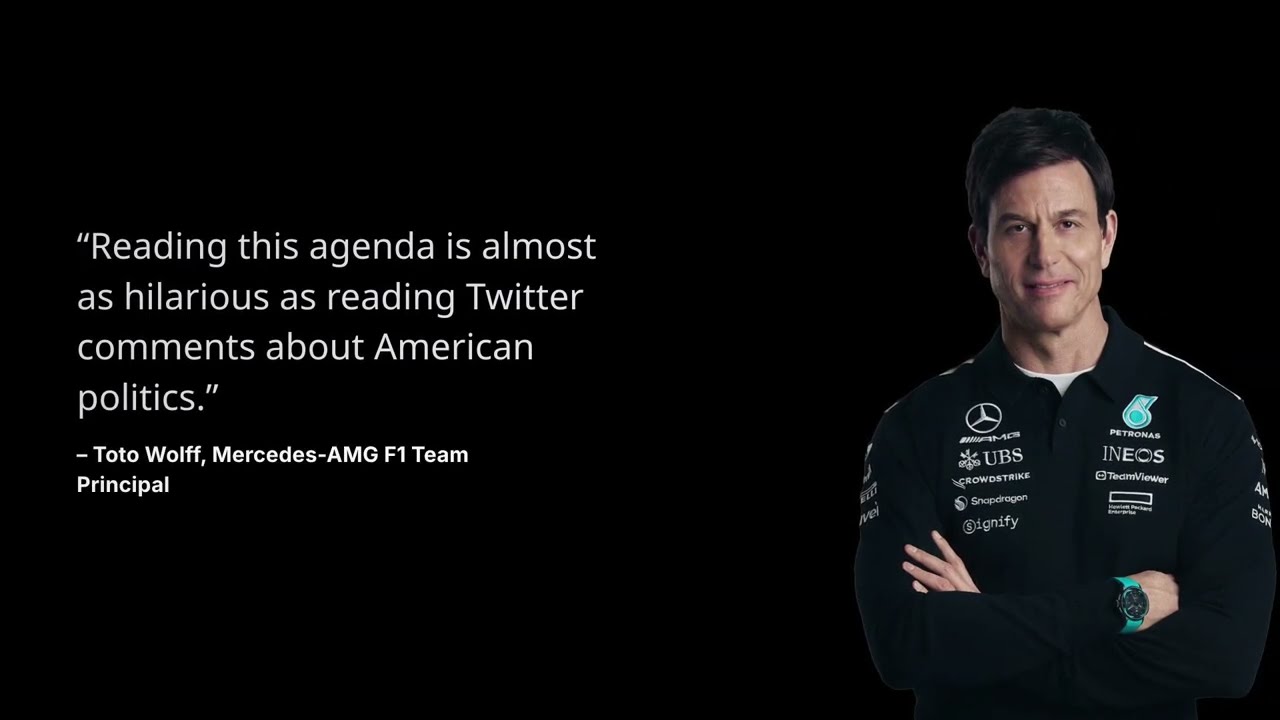
But when the proposal reached the F1 Commission, it was dead on arrival. Mercedes, Honda, and Audi blocked the change. Toto Wolff, Mercedes’ team principal, dismissively called the proposal a “joke,” comparing the agenda to reading Twitter comments. Because the regulations require a “super-majority” of manufacturers to approve changes, the opposition of just three powerhouses was enough to kill the solution.
Christian Horner of Red Bull warned that without a fix, the 2026 season could turn into a “lift and coast” championship, driving the drivers mad. Yet, rival teams, believing they might hold an advantage with the current flawed rules, have refused to budge. As Ferrari’s Fred Vasseur noted, this infighting is the “worst case for Formula 1,” where competitive paranoia trumps the health of the sport.
Drivers Speak Out: “A Science Project”
The frustration among the drivers is palpable. Lance Stroll didn’t mince words, calling the new regulations a “science project” rather than a serious racing championship. He lamented the prospect of managing energy meters instead of pushing flat out, noting it is “a bit sad” to see F1 heading toward cars that are slower in corners and powerless on straights.
Charles Leclerc offered a diplomatic but worrying take, suggesting drivers will have to “forget whatever they have learned” and start from a blank page. James Vowles of Williams went even further, warning that the performance gap between the pinnacle of F1 and the feeder series Formula 2 could shrink to just a few seconds.
The Track Lottery
The impact of these flawed regulations will not be felt equally across the calendar. At circuits like Monaco or Singapore, where heavy braking zones are frequent, the cars will have ample opportunity to recharge their tiny batteries. In fact, with smaller dimensions, the racing at Monaco might actually improve.
But at high-speed “temples of speed” like Monza, Spa, and the new Las Vegas strip, the outlook is dire. These tracks feature long periods of full throttle with minimal braking—the exact conditions that drain the 2026 batteries in seconds. Teams are terrified that races at these venues will devolve into economy runs, where drivers are forced to lift off the throttle halfway down the straight just to make it to the finish line.
A Ticking Clock
As the teams prepare for the first real-world tests in Barcelona this January, the clock is ticking. Billions of dollars have been invested by giants like Ford, Audi, and Cadillac, all of whom are now caught in a regulatory crossfire. The fear is that the 2026 season won’t showcase who is the fastest racer, but rather who is the best at managing a crisis.
James Allison of Mercedes insists that the peak power of the new units is a “thing of fearsome beauty.” But unless the sport can find a way to make that power last more than a few seconds at a time, that beauty may be lost in a cloud of frustration. With the season opener in Melbourne looming, Formula 1 finds itself in a race against its own rulebook—a race it is currently losing.