The smell of burnt rubber hasn’t even hit the tarmac at the Circuit de Barcelona-Catalunya yet, but the air in the Formula 1 paddock is already thick with something else entirely: fear.
As we stand on the precipice of the 2026 season—a year marked on the calendar for a decade as the “Great Reset” of the sport—the reality emerging from the design offices and wind tunnels is starkly different from the glossy PR brochures promised by the FIA.
We are mere days away from the first collective tests at Montmeló, scheduled for the end of January, but instead of excitement, there is a palpable sense of dread rippling through the pit lane.
The revolutionary 2026 cars, designed to be the future of sustainable, agile racing, are proving to be a nightmare of engineering compromises, political infighting, and technical failures.
The “Fat Car” Catastrophe
The headline promise of the 2026 regulations was simple: lighter, smaller, and more nimble cars. The FIA set a bold minimum weight target of 768 kilograms—a full 32 kilograms lighter than the bloated machines of 2025. It was supposed to be a return to the “dance” of F1, where drivers wrestled with agile beasts rather than managing heavy tanks.
However, sources from within the teams have revealed an uncomfortable truth that is practically an open secret behind closed doors: almost nobody is going to hit that weight target.
The physics simply do not add up. The new regulations demand a massive increase in electrical power, requiring beefier batteries, more robust cabling, and heavier cooling systems to keep the volatile hybrid units from melting down. While the chassis dimensions have been shrunk—shorter, narrower, with slimmer tires—the weight saved there has been instantly cannibalized by the complex new power units.
James Vowles, the candid Team Principal of Williams, didn’t mince words when addressing the issue recently. “It would be good to find out from others where they are, but I think most will be overweight,” he admitted. “That’s the simple fact behind it.”
For the uninitiated, being “overweight” in Formula 1 isn’t just a cosmetic issue; it is a competitive death sentence. In this sport, mass is time. The calculation is brutal: every extra 10 kilograms of weight costs a car approximately three-tenths of a second per lap. In a field where pole position is often decided by mere thousandths of a second, carrying an extra 10 or 15 kilos is the difference between fighting for a podium and languishing in the midfield.
The panic is real. Engineers are currently staring at spreadsheets in horror, realizing that the only way to shed this weight now—after the cars have been built—is to strip away paint, shave down vital components, or compromise reliability. It drains the budget cap, forcing teams to spend millions on “weight loss” programs instead of developing aerodynamic performance. As Mercedes’ Andrew Shovlin pointed out, removing weight after a car is built is the most expensive way to go faster.
The “Magic Trick” and the Return of Suspicion
If the weight issues weren’t enough to induce ulcers among team bosses, a darker cloud has formed over the engine regulations. Formula 1 has always been a sport of “creative interpretation”—finding the grey areas in the rulebook and exploiting them before the FIA closes the loop. But rumors surfacing this week suggest that the 2026 engine war has already claimed its first controversial victim.
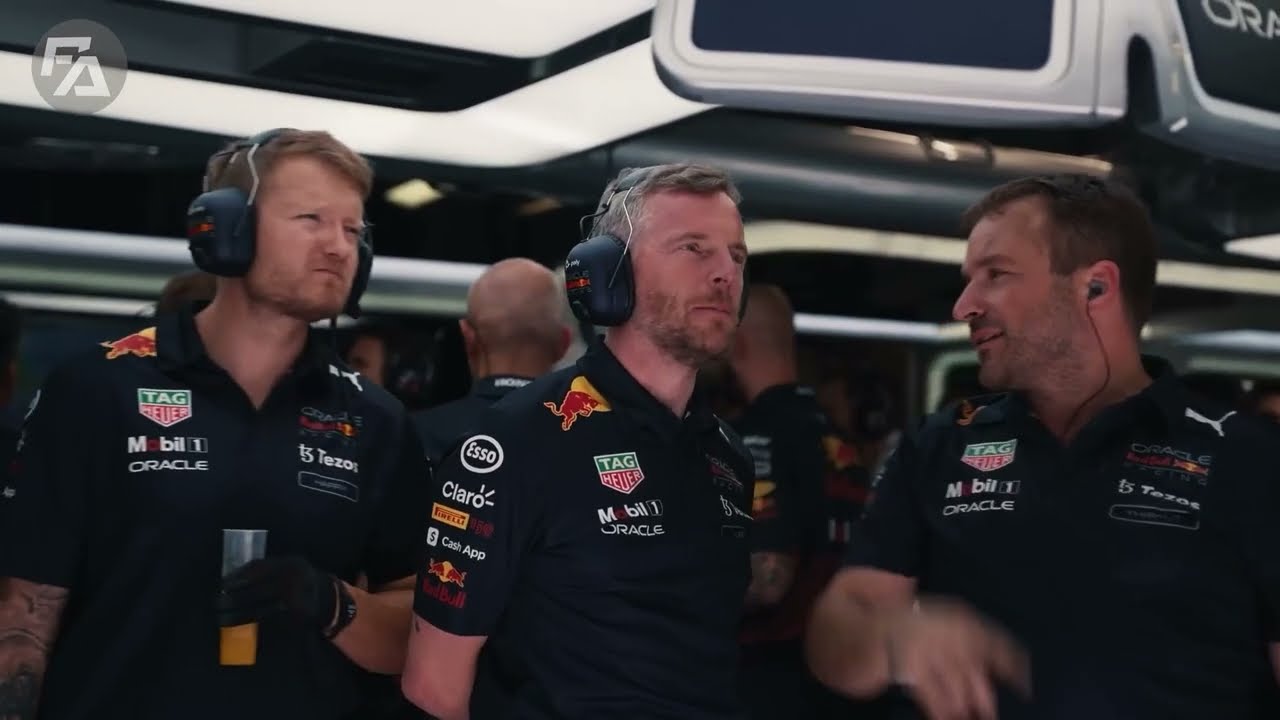
Whispers in the paddock indicate that Mercedes—and initially rumored, Red Bull—may have found a way to run an engine compression ratio of 18:1.
Why does this matter? Because the 2026 rulebook explicitly caps the compression ratio at 16.1 to keep costs down and prevent an arms race. If a manufacturer has found a “trick” or a loophole to run a higher compression ratio legally, they would unlock a significant combustion efficiency advantage, translating to more power and better fuel economy.
The reaction has been instantaneous and furious. Audi, the German giant preparing for its full-scale entry into the sport, has reportedly already lodged formal complaints with the FIA regarding this “Mercedes Trick.” It is a classic F1 political thriller: a new manufacturer, terrified of being humiliated on debut, trying to ban a rival’s innovation before a wheel is turned.
The situation is exacerbated by the confirmation that Red Bull, embarking on their brave new world of in-house engine manufacturing with Red Bull Powertrains, does not have this solution. The expectation inside the paddock is brutal: Red Bull’s engine is not expected to measure up to the best manufacturers at launch. For a team that dominated the early 2020s, the prospect of starting the new era with a power deficit is a bitter pill to swallow. The fear is that the “trick” exists, Mercedes has it, and Red Bull missed it.

The Mystery Team Left Behind
Perhaps the most alarming story to emerge from this chaotic pre-season is the rumor of a “quiet disaster” unfolding at one of the teams. Reports suggest that at least one outfit is so far behind schedule on their aerodynamic development that they may not even make it to the collective test in Barcelona.
Missing the first test of a new regulation era is catastrophic. This isn’t just about missing a few days of running; it is about missing the fundamental correlation data that tells you if your wind tunnel simulations match reality. If you miss this test, you are flying blind. You arrive at the first race with no real-world data, trying to set up a car that exists only in theory.
In a regulation set where “ground effect” has been tweaked and aerodynamic efficiency is more critical than ever due to the energy-hungry engines, falling behind on aero is, as insiders put it, a “death sentence.” The identity of this struggling team remains a closely guarded secret, but its absence in Barcelona will be a glaring admission of failure.

A Grid of Compromise
As we look toward the launch of the 2026 cars, the romantic vision of the future seems to be dissolving into a gritty reality of survival. The drivers feel it too. Fernando Alonso, the grid’s elder statesman, has long lamented the heavy, lumbering nature of modern F1 cars. “We’d all like the cars to be a lot lighter,” Nicholas Tombazis of the FIA admitted, acknowledging the trade-off between technology and excitement.
But “wanting” and “having” are two different things. The 2026 cars will likely be nervous, heavy, and technically temperamental beasts. Drivers will have to manage tires that are being crushed by the vehicle’s weight, manage batteries that are being drained by the aggressive hybrid demands, and manage their own patience as reliability issues inevitably crop up.
The first half of the 2026 season will not be won by the team with the prettiest car or the boldest marketing campaign. It will be won by the team that has made the smartest compromises. Who decided to run heavy but reliable? Who risked a fragile “glass cannon” engine for raw power? Who navigated the minefield of the rulebook without triggering a disqualification?
The “pressure cooker” environment described by insiders is not an exaggeration. Jobs are on the line. Reputations are at risk. And as the trucks begin to load up for the journey to Spain, the silence in the factories is deafening—not because of peace, but because everyone is holding their breath, waiting to see who blinks first.
Formula 1 in 2026 was promised as a revolution. It seems we are getting one, but it looks less like a parade and more like a riot.