The anticipation for the 2026 Formula 1 season is palpable, but beneath the shiny veneer of a brand-new regulation era lies a minefield of uncomfortable questions. As the sport prepares for its most significant reset in arguably a decade, the paddock is rife with anxiety, high-stakes gambles, and potential career-ending pitfalls. From Lewis Hamilton’s scarlet dream to Red Bull’s engine experiment, the 2026 season promises to be a crucible that will either forge new legends or shatter established ones.
The Hamilton-Ferrari Gamble: Dream or Delusion?
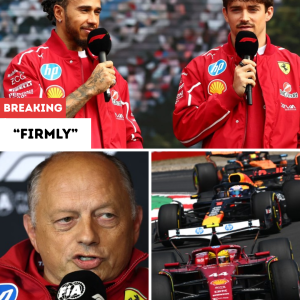
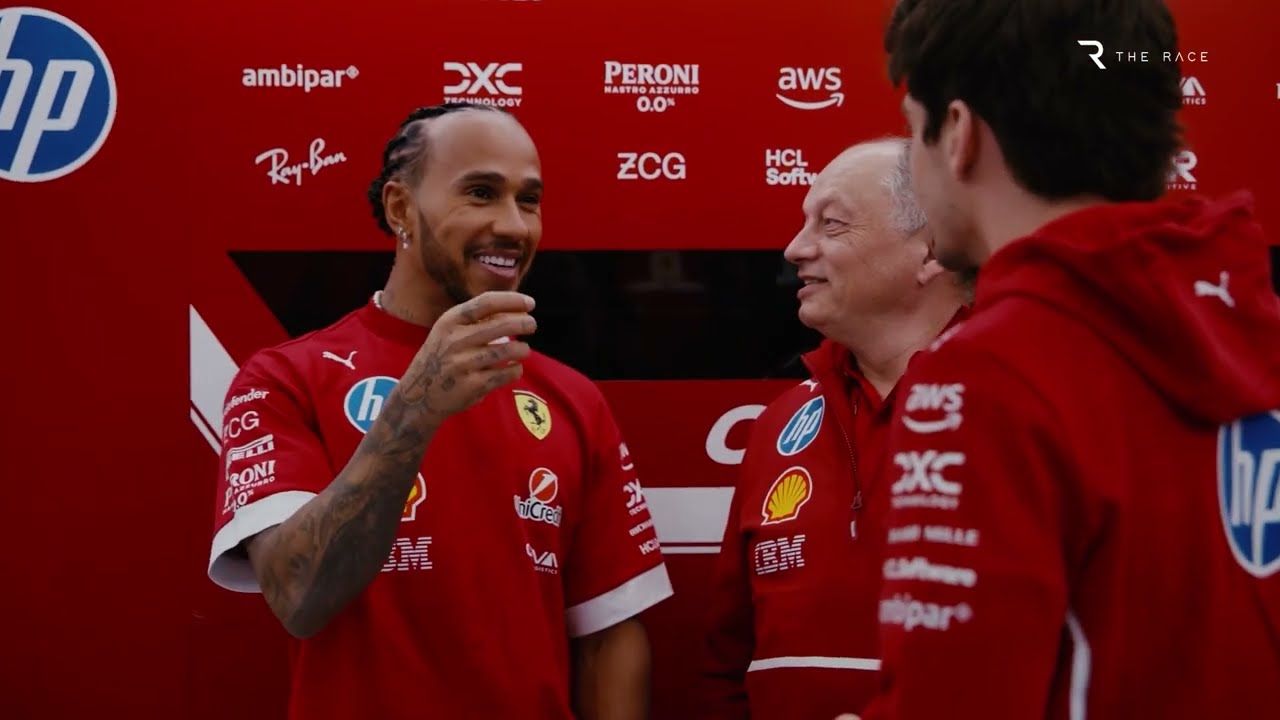
Perhaps the most emotionally charged narrative heading into the new era is Lewis Hamilton’s arrival at Ferrari. What was billed as the ultimate romantic conclusion to a legendary career is now facing the harsh light of reality. The astronomical hype surrounding the blockbuster move has been tempered by a gut-wrenching 2025 campaign where Hamilton struggled significantly.
The uncomfortable question plaguing the Tifosi and Hamilton fans alike is simple but brutal: Is this dream destined to fail? Time is a cruel mistress, and if Hamilton’s recent dip in form is age-related, even a seven-time world champion cannot reverse the tide. Charles Leclerc has established himself as the clear benchmark at Maranello, outperforming Hamilton by significant margins in the previous year—both in qualifying pace and points.
However, the 2026 rule reset offers a glimmer of hope. It is the one variable that could prove Hamilton’s struggles were car-specific rather than a decline in skill. If he can narrow the gap to Leclerc to a competitive 50/50 split, the move will be vindicated. But if Hamilton endures a season similar to Sebastian Vettel’s dismal 2020 exit, the dream will turn into a nightmare, signaling a miserable end to a glorious chapter.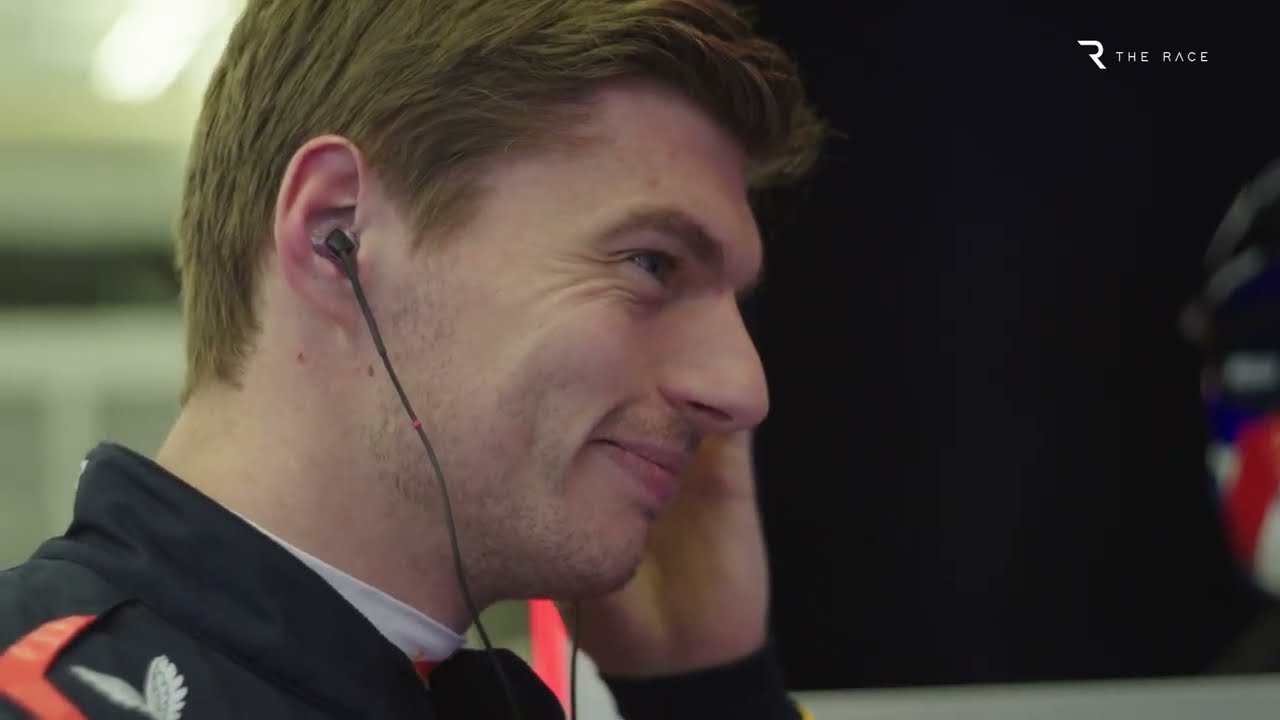
Red Bull’s Engine Risk and the Verstappen Exit Clause
While Ferrari deals with driver dynamics, Red Bull Racing faces an existential threat centered around their technical future and their star driver, Max Verstappen. You might be tired of the rumors, but they are far from over. The question of whether Red Bull can hold onto Verstappen is more relevant than ever.
Despite a contract running until 2028, performance clauses loom large. If Red Bull’s bold decision to build its own engine for the first time—a task described as “crazy” even by insiders—fails to deliver immediate results, Verstappen has an out. The target is steep: if he isn’t in the top two of the championship by the summer break of 2026, he could walk.
The challenge is monumental. Red Bull is going up against established manufacturing giants like Mercedes without the guidance of technical genius Adrian Newey, who has departed along with a host of other key personnel. While there are whispers of a promising engine loophole involving compression ratios, the reality of being a first-time manufacturer is daunting. There is no longer a Renault engine to fall back on as the “worst” on the grid; Red Bull risks occupying that spot themselves. If they falter, the sharks will circle, ready to lure Verstappen away for 2027.
Aston Martin: The Super Team Under Pressure
Aston Martin has been busy assembling what looks like a fantasy football team of technical talent. With Adrian Newey, Enrico Cardile, and a factory Honda deal, the ingredients for success are all present. Yet, the pressure to deliver is immense.
Fernando Alonso, ageless and hungry, has been waiting nearly two decades for a third world title. The expectations for 2026 are sky-high, but worrying signs are already emerging. Reports suggest Honda might be starting on the back foot regarding battery technology, potentially missing out on the trickery found by rivals like Mercedes. If the “super team” fails to gel immediately, or if the power unit deficit is real, the project could stumble before it even sprints, leaving Alonso’s final title charge in jeopardy.
The Civil War at Mercedes
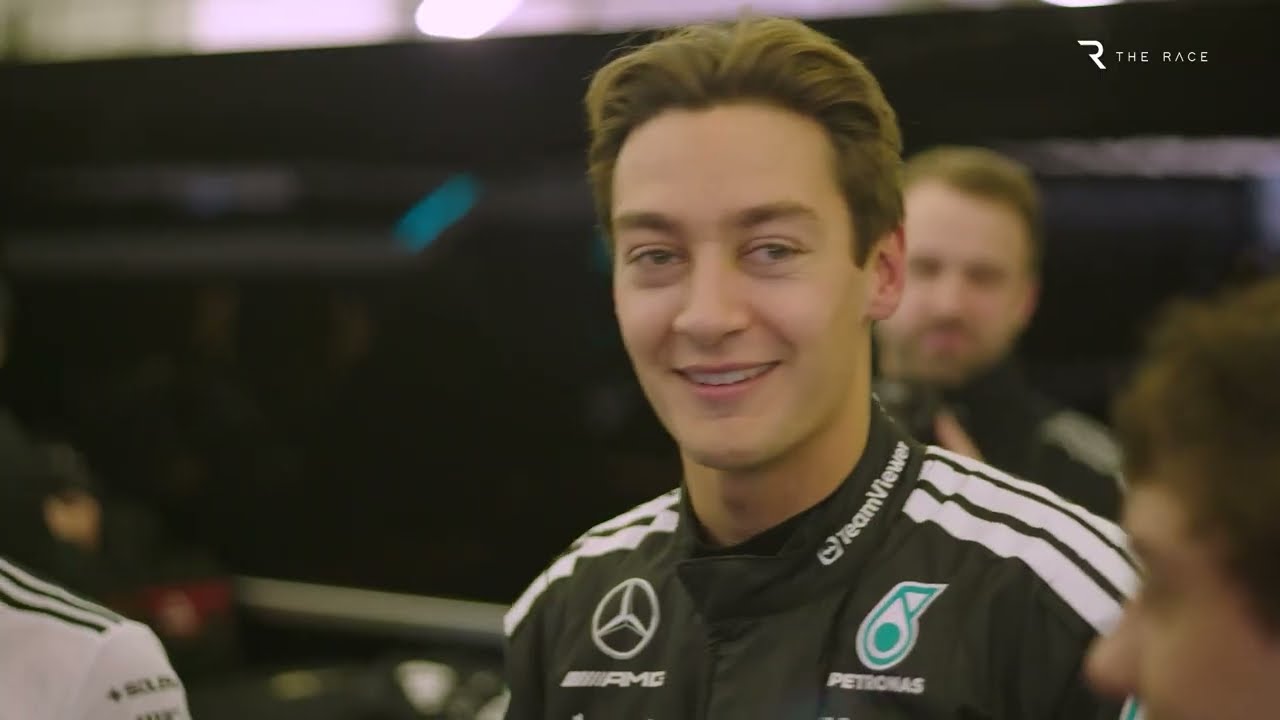
Over at Brackley, a different kind of storm is brewing. The dynamic between George Russell and young prodigy Kimi Antonelli is set to define Mercedes’ future. Russell has largely covered Antonelli during the rookie’s debut season, but the flashes of brilliance from the youngster—giving Russell serious trouble at tracks like Miami and Baku—hint at a theoretical peak that is frighteningly high.
If Mercedes starts 2026 with a title-contending car, this internal battle could have championship ramifications. Antonelli is on a steep learning curve, and while closing the gap to Russell in one season is a tall order, F1 history is littered with surprises—just look at Oscar Piastri. If Antonelli starts beating Russell regularly, the hierarchy at Mercedes could shift dramatically, threatening Russell’s status as the team leader.
Survival of the Fittest: New Teams and Struggling Drivers
The 2026 grid also welcomes Cadillac, a name synonymous with American luxury but likely to be synonymous with the back of the grid in F1—at least initially. The expectation is that Cadillac will be the slowest team, a sobering reality for General Motors, a brand used to winning. The question is one of patience: Can a huge corporation stomach double Q1 exits week in and week out while they learn the ropes?
Meanwhile, individual careers are on the line. Drivers like Esteban Ocon and Franco Colapinto are drinking in the “last chance saloon.” Ocon, outperformed by his rookie teammate Oliver Bearman, faces a trajectory that leads to the exit door unless he can replicate his rare flashes of brilliance. Similarly, Red Bull’s junior program remains a ruthless grinder. Isack Hadjar, stepping up to replace Yuki Tsunoda, must avoid the “second driver curse” that has plagued so many before him. If he fails, it points to a fundamental flaw in how Red Bull operates its second car.
The Ultimate Question: Will the Racing Be Boring?
Beyond the team drama, a dark cloud hangs over the sport itself. The 2026 regulations were designed to attract manufacturers (mission accomplished with Audi and Ford), but will the product on track suffer?
Concerns are mounting that the new cars will be energy-starved, forcing drivers to drive essentially “economy runs” rather than racing flat out. F1 is booming in popularity, and the new fanbase expects high-octane entertainment, not extreme fuel saving. If the races become processions of energy management, the FIA faces a nightmare scenario. With teams likely to block any mid-regulation changes to protect their advantages, the sport could be stuck with a “boring” formula just as it reaches its peak commercial appeal.
Conclusion
As the countdown to 2026 begins, the excitement is tinged with genuine fear for many in the paddock. From Hamilton’s legacy to Red Bull’s independence and the very quality of the racing, everything is on the line. The answers to these uncomfortable questions will not just shape the 2026 season; they will define the future of Formula 1 for years to come. Buckle up; it’s going to be a bumpy ride.