In the high-stakes world of Formula 1, time is the one currency that no amount of budget can buy. For Scuderia Ferrari, the most iconic and historically significant team on the grid, the countdown to the revolutionary 2026 season has seemingly turned from a march of confidence into a frantic race against disaster.
Recent leaks emerging from Maranello paint a worrying picture of a team under siege, battling significant developmental delays, late design changes, and a factory atmosphere described by insiders as “chaotic.”
As the Tifosi hold their breath for a return to glory, the reality behind the scenes appears to be far more turbulent than the polished PR statements would suggest.
The Alarm Bells Ring in Italy
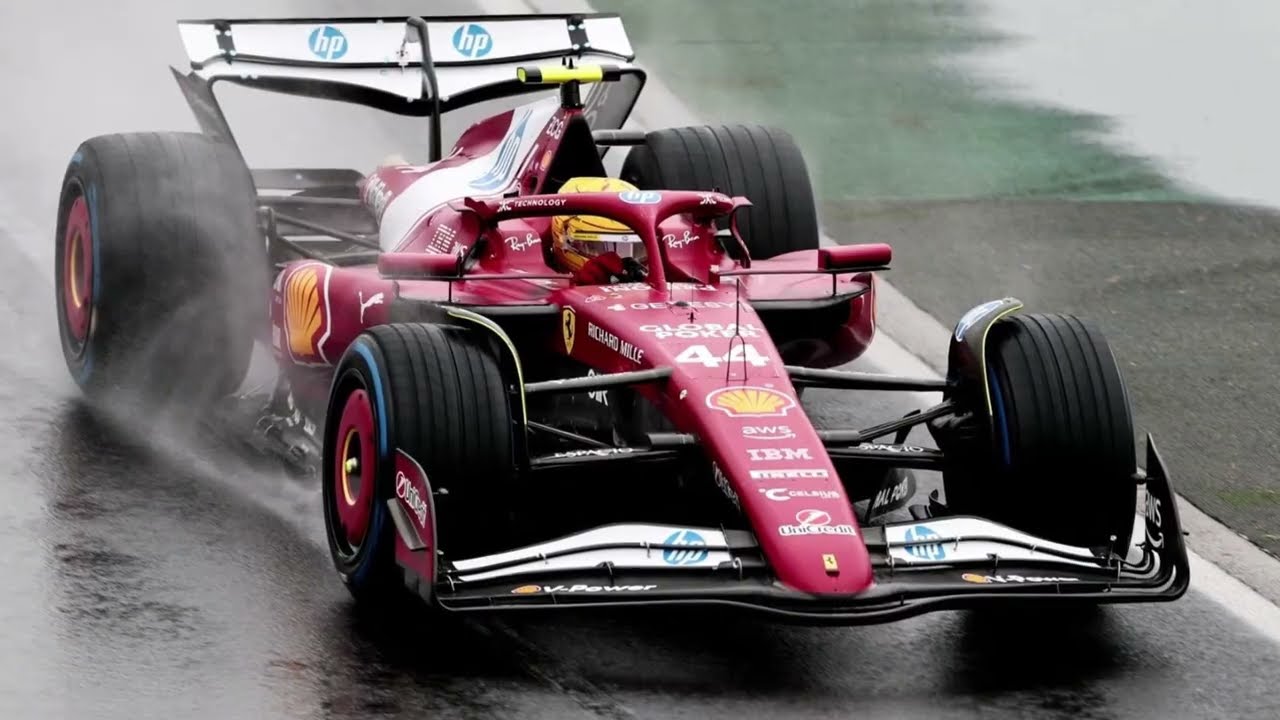
With the dawn of the 2026 regulations—the most extensive rule overhaul in the sport’s history—Ferrari viewed this year as their golden opportunity to reset the board. The goal was simple: capitalize on the new aerodynamic and power unit regulations to end a championship drought that has stretched on since 2008. However, reports from respected Italian media outlets indicate that the SF26 project is stumbling at the final hurdle.
According to sources close to the Gestione Sportiva, Ferrari has encountered severe trouble during the critical final assembly phase of their new challenger. The chassis, the central spine of the car around which all performance is built, was reportedly approved much later than usual. In the precision-engineered world of F1, where lead times are calculated in months, a delay of even a few days can trigger a catastrophic domino effect.
This late sign-off has forced engineers back to the drawing board at a time when they should be focusing on fine-tuning and systems checks. Instead of a smooth assembly process, the factory is reportedly in a state of high tension, with staff working grueling hours to recover lost time. The reports describe a “strained” environment where the focus has shifted from performance optimization to simply getting a car ready to run.
A Timeline on the Brink of Collapse
The logistical reality facing Ferrari is nothing short of a nightmare. The team is scheduled to unveil the SF26 on January 23rd at their private Fiorano test track. However, current internal schedules suggest the car will only be fully assembled on January 22nd.
This leaves a margin of barely 24 hours between the final turn of the wrench and the public launch. More critically, the car must then be immediately shipped to Barcelona for the crucial private pre-season test starting on January 26th.
In a sport where reliability is paramount, this timeline essentially eliminates any safety buffer. Typically, top teams aim to have their cars completed weeks in advance. This allows for extensive dyno testing, “fire-up” procedures to check the engine integration, and time to troubleshoot the inevitable teething issues that come with a brand-new machine. Ferrari, by contrast, appears to be cutting it dangerously close to the wire. If a single component fails or refuses to fit during that frenetic 24-hour window, the consequences could be devastating.

The Engine Dilemma: A Step Behind?
Compounding the chassis concerns are whispers regarding the power unit. The 2026 regulations have fundamentally altered the heart of the F1 car. The complex MGU-H has been eliminated, and the electrical systems now provide a staggering 50% of the total power output, running on fully sustainable fuels. This is not just an upgrade; it is a new paradigm of engineering.
Reports suggest that Ferrari’s first engine “fire-up”—a ceremonial and technical milestone where the chassis and engine roar to life together for the first time—was significantly delayed compared to their rivals. While recent updates confirm the fire-up has finally taken place, the lost time means less data, less troubleshooting, and arguably less confidence going into the first test.
While competitors like Red Bull have already completed shakedowns without reported issues, and newcomer Audi has managed to run their car on track at Barcelona, Ferrari seems to be lagging. In a formula where the engine is expected to be a major performance differentiator, starting on the back foot is a terrifying prospect for the Italian outfit.
Vasseur’s Gamble: Strategy or Excuse?
Ferrari Team Principal Fred Vasseur has attempted to quell the rising panic by framing the situation as a deliberate strategic choice. He has confirmed that the team will launch a “basic Spec A” version of the SF26. The logic, according to Vasseur, is to prioritize reliability and data gathering over outright performance in the early stages. The true “race-spec” parts are not expected to arrive until later in the development cycle, closer to the season opener in Melbourne.
“The goal is to get as many laps as possible,” Vasseur reportedly explained, emphasizing the need to validate the new systems before chasing lap times. While this sounds pragmatic, critics argue it may be a convenient cover for the fact that the performance parts simply aren’t ready.
Furthermore, Vasseur recently made a candid admission that has raised eyebrows across the paddock. He conceded that he underestimated the negative impact of abandoning the development of the 2025 car early. The decision to sacrifice the 2025 season—which saw Ferrari slump to fourth in the Constructors’ Championship without a single win—was made to go “all in” on 2026. If the 2026 car arrives late and under-developed, that gamble will have failed spectacularly, leaving the team with nothing to show for two years of sacrifice.
The Human Cost: Hamilton and Leclerc
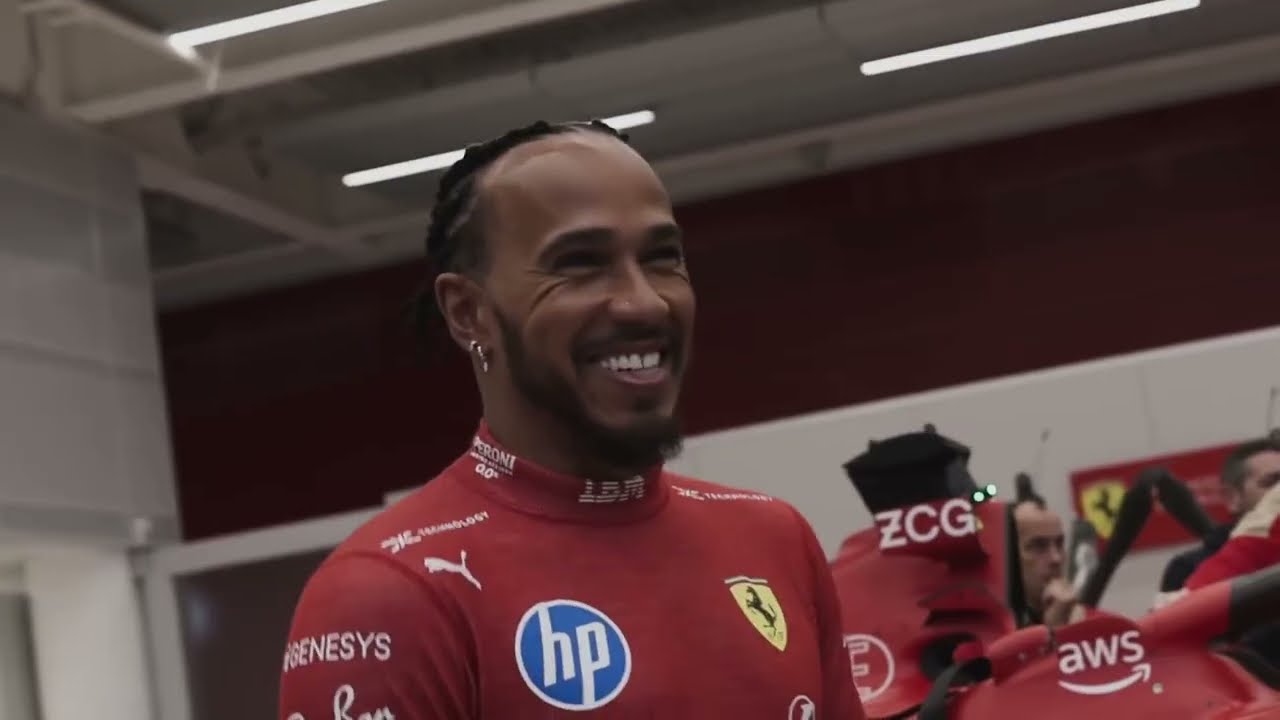
The technical crisis casts a long shadow over Ferrari’s star-studded driver lineup. Lewis Hamilton, the seven-time world champion, joined Ferrari to chase an elusive eighth title, believing in the project’s potential to dethrone the current leaders. His first season in red was statistically his worst, with no podiums and a distant finish in the standings. He needs the SF26 to be a weapon, not a work-in-progress.
Similarly, Charles Leclerc, the team’s homegrown hero, has spent years waiting for a car capable of a sustained championship fight. Leclerc has publicly stated that the first few races of 2026 will determine the pecking order for years to come. “By race six or seven, we will know,” he warned. If Ferrari starts the season fixing reliability issues while others refine their speed, the championship dream could effectively be over before the European leg of the season even begins.
The Stakes at Barcelona
The upcoming private test in Barcelona is now the defining moment for Ferrari’s future. With only three days of running allowed per team within the five-day window, every second on track is precious. If the “Spec A” car suffers from the reliability gremlins that often plague rushed builds, Ferrari will lose critical data gathering time that they cannot get back.
The contrast with the smooth sailing reported at Aston Martin and Red Bull is stark. Formula 1 is a merciless environment; it does not care about heritage, passion, or the “Prancing Horse” logo. It cares only about physics and preparation. Right now, the evidence suggests Ferrari is losing the battle on both fronts.
As the January 26th test approaches, the eyes of the motorsport world will be fixed on the Ferrari garage. Will the SF26 emerge as a misunderstood masterpiece, validating Vasseur’s conservative approach? Or will the chaotic winter at Maranello manifest as a slow, fragile car that leaves Hamilton and Leclerc fighting for scraps?
For a team that defines itself by winning, the fear is palpable: the revolution may have stalled before it ever began.