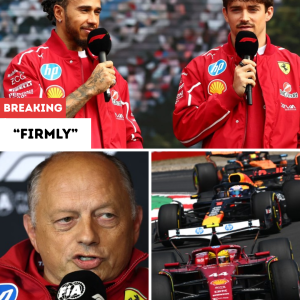
The atmosphere in the Formula 1 paddock is shifting. It is no longer just about the tension of a race weekend or the drama of a single overtaking maneuver. As we stand on the precipice of the 2026 season, the air is thick with the kind of electricity that only precedes a storm.
This isn’t just another year of racing; it is the dawn of a new era, a “Day Zero” for the sport where the slate is wiped clean, and the hierarchy of power is up for grabs.
While the cameras often focus on the immediate drama of Red Bull and Max Verstappen, a far more significant and potentially destructive war is being waged in the shadows. It is a battle between the two giants of the sport: Ferrari and Mercedes.
The 2026 regulations, which introduce entirely new power unit architectures and redefine the very physics of the cars, have set the stage for a conflict that will likely decide who controls Formula 1 for the next half-decade.
The Ghost of 2014 and the Threat of Domination
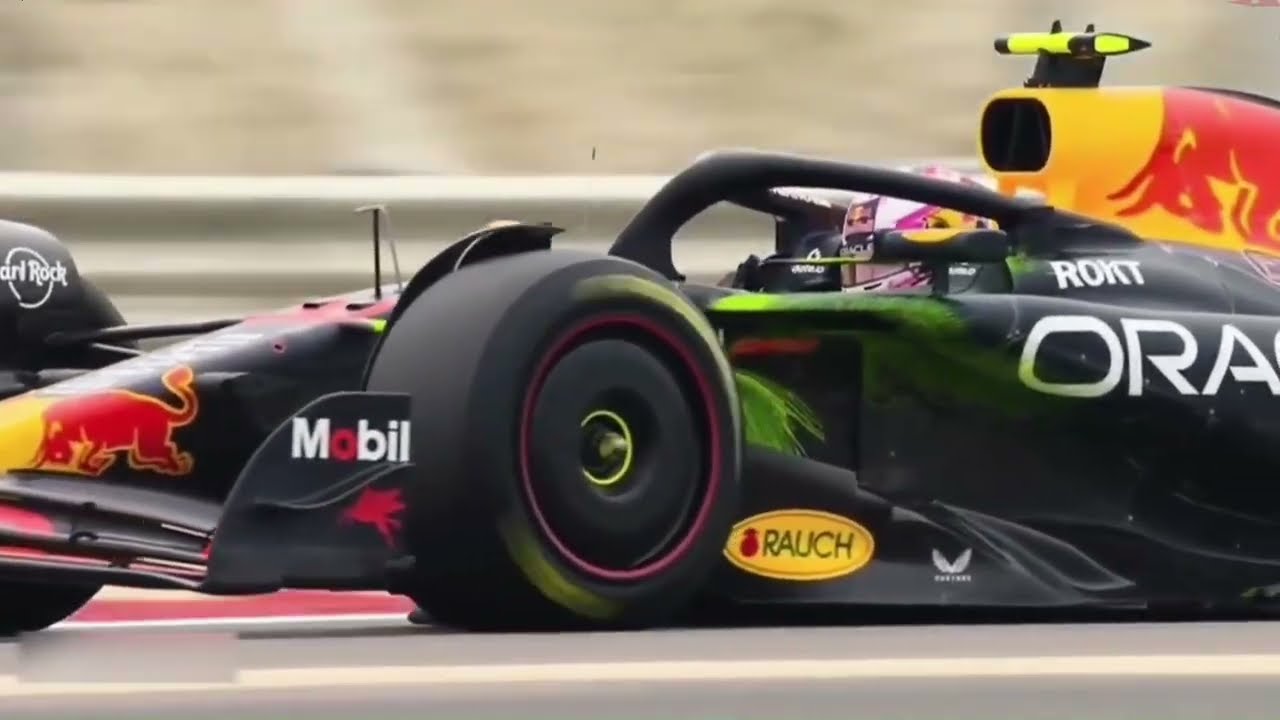
To understand the gravity of 2026, we have to look back at history. In 2014, when the sport last underwent a massive regulation overhaul introducing the turbo-hybrid era, Mercedes didn’t just adapt; they conquered. They didn’t simply build a fast car; they engineered a dynasty. They understood the implications of the new rules better than anyone else, creating a package so dominant that it left rivals chasing shadows for years.
The fear—and the thrill—entering 2026 is that history might repeat itself. The new rules reset the grid. They change the definition of power, emphasizing efficiency, battery deployment, and packaging in ways that haven’t been tested before. If Mercedes has once again found the “magic bullet,” if they have read the blueprints more clinically than their rivals, we could be staring down the barrel of another era of silver dominance.
But Ferrari is not the same team they were a decade ago. They are a team driven by a desperate, almost obsessive hunger to return to the top. They are not just fighting for wins; they are fighting for their identity. The clash we are about to witness is not just between two cars; it is a collision of two fundamentally different philosophies.
Ferrari’s Gamble: Emotion vs. Machine
Ferrari operates on passion. It is a team fueled by the collective heartbeat of a nation, where “belief becomes speed.” They throw their entire soul into the machine, relying on creativity, risk, and emotional momentum to propel them forward. When it works, it is magical. When it fails, it is catastrophic.
Mercedes, on the other hand, is the antithesis of this. They are the cold, calculating machine. They win when “systems become inevitable.” Their approach is surgical, prioritizing structure, process, and engineering efficiency over romance. They don’t want to win by a chaotic miracle; they want to win because their victory was mathematically guaranteed by their preparation.
The burning question for 2026 is simple: Which philosophy wins in a new era? Does the chaos of a reset favor Ferrari’s ability to adapt and take risks? Or does the complexity of the new power units favor Mercedes’ proven ability to master technical systems?
The Hamilton Factor: A Dream Turning into a Nightmare?
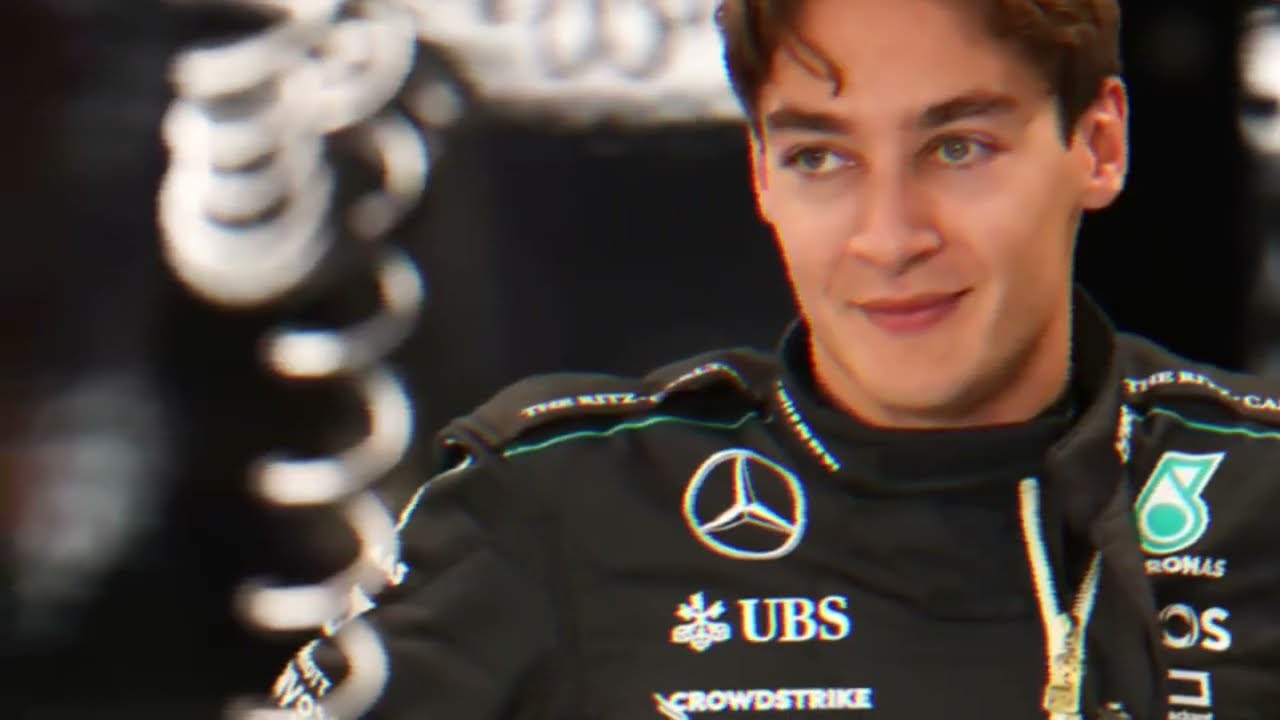
Sitting right in the center of this geopolitical F1 war is Lewis Hamilton. His move to Ferrari was billed as the romantic final chapter of a legendary career—the seven-time champion bringing the title back to Maranello. But the reality has been far harsher than the dream.
The 2025 season, Hamilton’s debut in red, was, to put it bluntly, a disaster. The video analysis paints a grim picture: zero podiums, zero wins, and a team languishing in fourth place in the Constructors’ Championship. For a driver of Hamilton’s caliber, and a team with Ferrari’s resources, that isn’t just a “bad year”; it’s a crisis.
The pressure entering 2026 is now suffocating. Hamilton isn’t just starting fresh; he is starting with a point to prove. He is fighting the narrative that his move was a mistake. And Ferrari knows it. The most telling detail to emerge from the off-season is the internal restructuring at the Scuderia. The team has moved Hamilton’s race engineer, Ricardo Adami, to a different role. They are bringing a “new voice” to Hamilton’s radio for 2026.
This is not a minor HR adjustment. In the high-stakes world of F1, the relationship between a driver and their engineer is sacred. It is the lifeline. To sever that bond and start over entering the most critical season in years is a massive gamble. It is Ferrari quietly admitting that the chemistry wasn’t there, that the “trust” needed to win a war was missing. They are rebuilding the internal harmony while trying to fight an external war against a resurgent Mercedes.
The Hidden War of Engineers
While fans argue over driver lineups, the true war is happening in the design offices and simulator rooms. The video analysis suggests that both Ferrari and Mercedes believe they have found something “important.” Engineers are noticing “subtle signals” in the data—details in packaging or concept direction—that trigger alarm bells.
This is the terrifying beauty of a new regulation era: you don’t know you’ve lost until the cars hit the track, and by then, it’s often too late. If one team has misinterpreted the energy deployment rules or the battery efficiency, they aren’t just starting on the back foot; they are starting in a hole that could take years to dig out of.
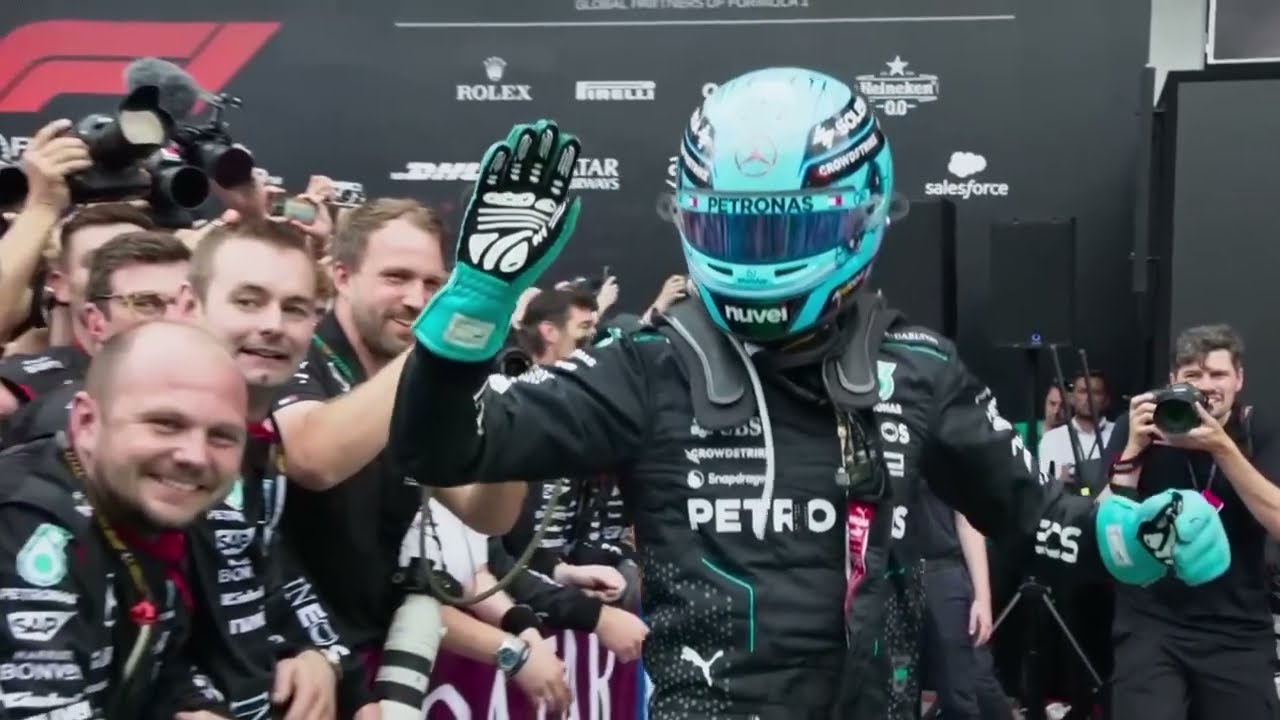
Mercedes is signaling confidence. They carry the DNA of the hybrid era, and they are desperate to wash away the struggles of the ground-effect years. They want a clean reset. If they come out of the gates swinging in 2026, the psychological blow to Ferrari—and specifically to Hamilton, who left that system—will be devastating.
2026: An Invasion, Not Just a Season
We must stop looking at 2026 as just another championship battle. It is an invasion. It is a scramble for territory. The team that claims the high ground in the first few races of 2026 will likely dictate the narrative for the entire regulation cycle.
If Ferrari wins, it sends a message that passion can still triumph over precision, and that Hamilton made the right choice to follow his heart. It would be a vindication of legendary proportions. But if Mercedes wins, it reinforces their status as the ultimate architects of the modern sport, leaving Ferrari and Hamilton to wonder “what if.”
The stakes are personal. It is Hamilton vs. his old family. It is Wolff vs. Vasseur. It is the Prancing Horse vs. the Silver Arrows. And unlike previous years where recovery was possible, the nature of these new rules means that the first cut is often the deepest. The team that leads early gains the development budget and the data to pull away, while the chasers waste resources fixing fundamental flaws.
So, as we wait for the lights to go out on this new era, ask yourself: Who do you trust? Do you trust the emotional obsession of Ferrari to find a spark of genius? Or do you trust the cold, ruthless efficiency of Mercedes to build a better machine?
Pick a side, because 2026 won’t just have a winner. It will have a ruler.