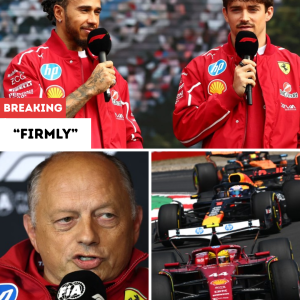
The wait is finally over. In a moment that will likely define the visual landscape of the 2026 Formula 1 season, Ferrari has officially pulled the covers off their latest challenger, the SF-26.
The iconic gates of the Fiorano test track swung open to welcome a new era, with none other than seven-time world champion Lewis Hamilton and Monegasque star Charles Leclerc taking the wheel for the car’s initial shakedown.
While the atmosphere was electric and the visual impact of the car undeniable, the technical unveiling has sparked an immediate and intense debate across the paddock.
As images and videos trickled out from the private test, a stark contrast emerged between the Prancing Horse’s offering and the heavily developed machinery shown by rivals Mercedes just a day prior.
Is Ferrari playing a long strategic game, or have they started the new regulation era on the back foot?
A Masterclass in Aesthetics: The Return of Gloss
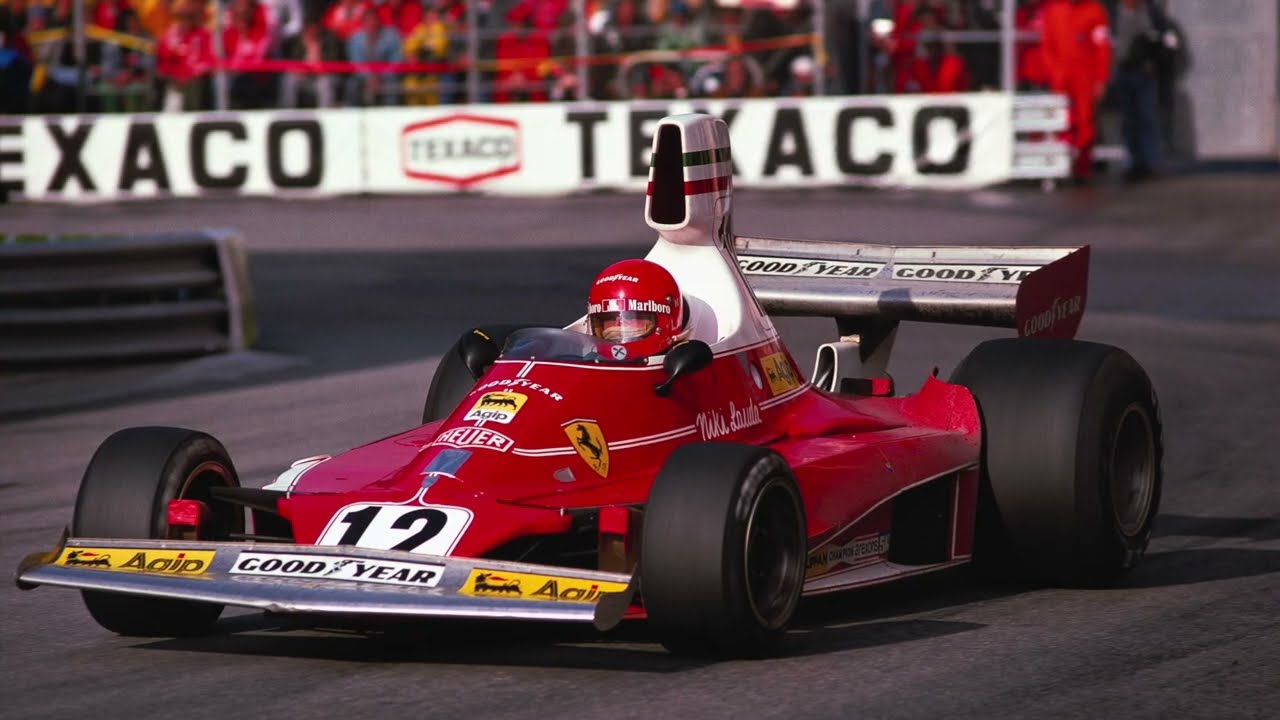
First, let’s address the undeniable triumph of the day: the livery. For years, Ferrari fans have debated the merits of the weight-saving matte finish that became the team’s standard following the trend set by Red Bull in 2016. The SF-26 marks a bold departure from this recent tradition, returning to a stunning, lustrous gloss red that harkens back to the beloved challengers of 2016, 2017, and 2018.
The decision to abandon matte paint is more than just cosmetic; it signals a shift in philosophy and identity. The car gleams under the Italian sun, reviving the romantic allure that defines the Scuderia. Perhaps the most relieved sigh of relief from the Tifosi, however, comes from the integration of the title sponsor, HP.
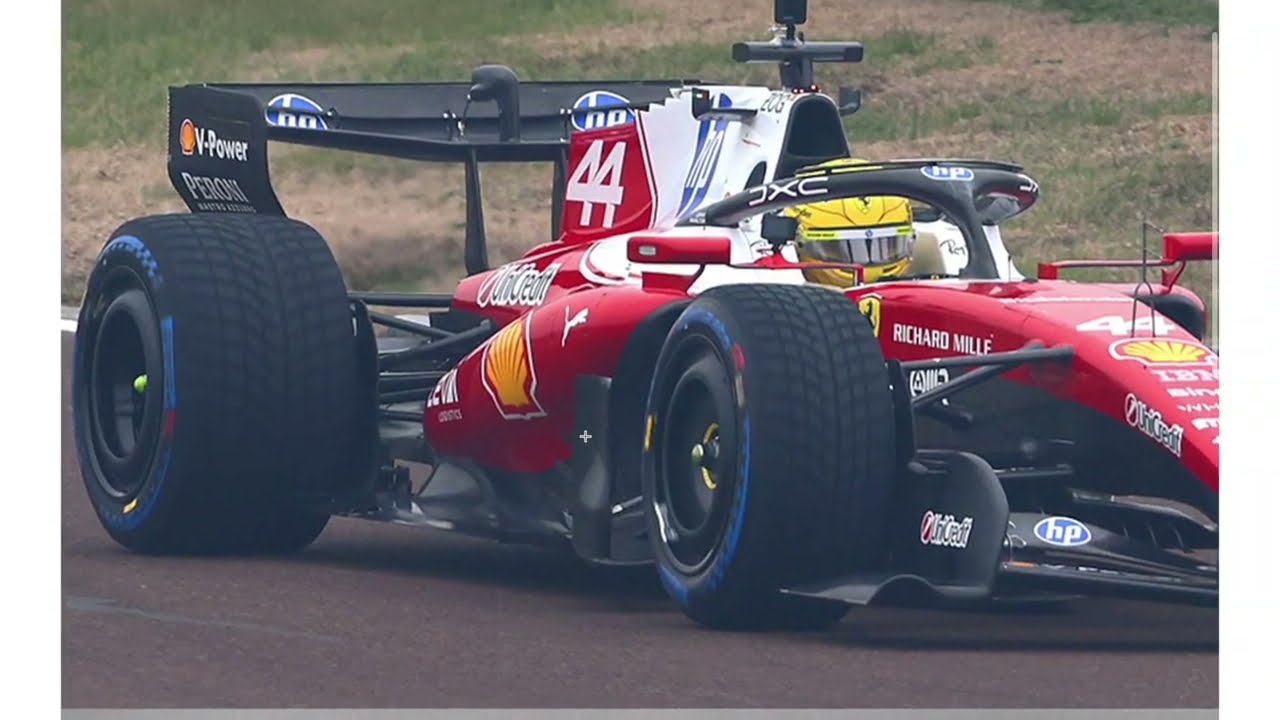
Last season, the splashing of HP’s corporate blue logo onto a white background on the rear wing was widely criticized as jarring and aesthetically displeasing. Ferrari’s design team has clearly listened. The SF-26 features a blacked-out lower section, including black front and rear wings, which provides a far more aggressive canvas. The blue HP branding now sits on this black carbon base, creating a cohesive and purposeful look that blends seamlessly with the red bodywork and the white engine cover—a nod to the classic Ferraris of the 70s and early 90s. It is, without a doubt, a strong contender for the best livery of the 2026 grid.
The “A-Spec” Reality: Basic by Design?
However, once the initial dazzle of the glossy red paint fades, the technical reality of the SF-26 begins to raise eyebrows. Observers who meticulously compared the Fiorano footage with the Mercedes W17 shakedown at Silverstone noticed an immediate discrepancy in aerodynamic complexity.
To put it bluntly: the Ferrari looks “basic.”
This is most evident in the front wing assembly. The SF-26 sports a nose cone that connects directly to the very first element of the wing, using a connector that appears bulky and unrefined. In sharp contrast, the Mercedes design connects to the second element with a sleek, minimalist attachment that screams aerodynamic efficiency. Furthermore, the Ferrari endplates are essentially bare—devoid of the intricate carbon filaments and airflow conditioners seen on both the Mercedes and the Racing Bulls cars.
Moving down the chassis, the bargeboard area—a critical zone for managing airflow under the new 2026 regulations—tells a similar story. The Ferrari features a simple vertical carbon piece, whereas rivals have already displayed multi-element setups designed to aggressively manipulate the wake.
But is this a cause for panic? Likely not. Ferrari management had previously signaled a strategy involving an “A-Spec” launch car. This initial iteration is designed primarily for validating the new power unit, checking reliability, and gathering baseline data. The team has strongly hinted that a “B-Spec” version—a significantly more evolved aerodynamic package—is being readied for the season opener in Australia. What we are seeing at Fiorano is likely a reliable workhorse meant to ensure Hamilton and Leclerc can log miles without issues, rather than the ultimate performance weapon.
Technical Oddities: The “Jagged” Shark Fin and Active Aero
Despite the simplified aero package, the shakedown provided some fascinating technical glimpses. The most bizarre feature spotted was the engine cover’s shark fin, which featured a jagged, saw-tooth edge on its trailing side. This unprecedented design element has baffled analysts. It is difficult to see how such a shape would aid airflow; in fact, it seems more likely to disturb it. This has led to speculation that the part is either a temporary experimental component or a clever decoy to hide the actual design intentions for the rear of the car.
On a more futuristic note, the shakedown gave the world its first clear look at 2026’s defining technology: Active Aerodynamics. In a video captured trackside, Lewis Hamilton was seen performing a prep lap where the system was clearly engaged. The front and rear wings were observed moving in tandem, adjusting their angles to switch between high-downforce (cornering) and low-drag (straight-line speed) modes. Seeing this synchronization in the flesh is a stark reminder of the massive regulatory shift facing the drivers, who will need to master this variable grip while battling wheel-to-wheel.
The “Frankenstein” Support Structure
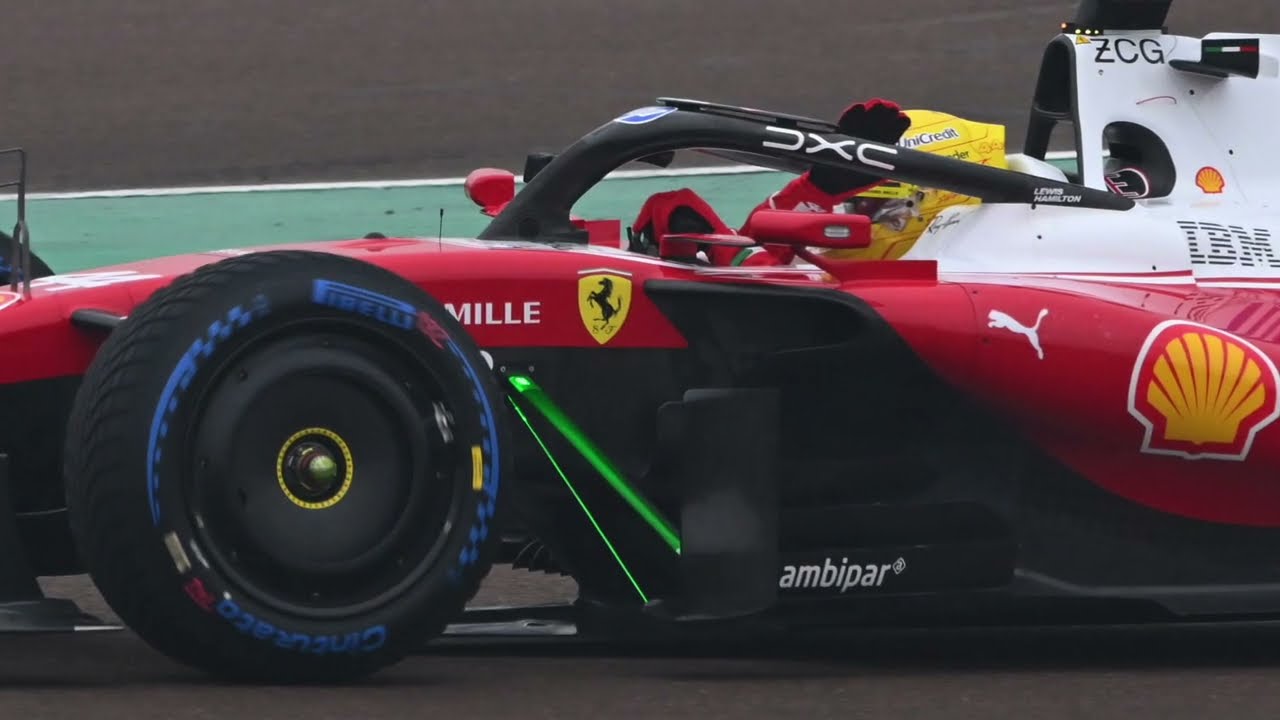
Another detail that suggests the “A-Spec” nature of this car is the bargeboard support structure. While Mercedes uses a clean, single horizontal stay to secure their aero elements, Ferrari has employed a complex, almost “Frankenstein-esque” solution. The SF-26 features a diagonal carbon piece starting high on the chassis and plunging down to the bargeboard, reinforced by a secondary metal stay.
This two-pronged approach adds clutter to a sensitive aerodynamic area. It raises the question: is Ferrari struggling with structural rigidity in this area, necessitating a heavy-duty fix? Or is this simply a robust, over-engineered solution for testing that will be discarded once the refined lightweight parts arrive for the first race?
Conclusion: A Waiting Game
The debut of the Ferrari SF-26 is a study in contrasts. Visually, it is a triumph, restoring the glamour and aggression that the Scuderia is famous for. Technically, it is an enigma wrapped in a “basic” package. The comparison to the seemingly more advanced Mercedes W17 is inevitable, but it may be misleading.
Formula 1 championships are not won in February at Fiorano. Ferrari has chosen a path of caution and validation, opting to walk before they run. The risk, of course, is that their correlation data might be off, leaving the true “B-Spec” car with less track time to be refined.
For now, fans can rest easy knowing that Hamilton and Leclerc are finally on track, the car sounds healthy, and it looks spectacular. But the true answer to whether the SF-26 is a championship contender lies hidden in the wind tunnel, waiting to be unleashed in Melbourne. Until then, the paddock holds its breath.