In the high-stakes world of Formula 1, silence is rarely a good sign. Usually, it means a catastrophic engine failure on the dyno or a wind tunnel correlation issue that threatens to derail a season before it begins. But recently, a different kind of silence fell over the technical briefing room at Ferrari’s headquarters in Maranello. It was the silence of disbelief—the kind that comes when the data on the screen simply refuses to align with expectation.
When Lewis Hamilton announced his move to Ferrari, the world expected a transition period. The narrative was written: the seven-time world champion would need time to learn the Italian culture, adapt to the team’s operational quirks, and, most importantly, mold his driving style to a car philosophy radically different from the Mercedes machinery he had piloted for over a decade.
But the narrative was wrong.
According to emerging reports from within the Scuderia, Hamilton’s first sessions in the simulator with the new SF26 have not just met expectations—they have shattered them. Engineers who prepared for a steady learning curve were instead met with a performance so immediate and so potent that it has forced a re-evaluation of what the 2026 car is actually capable of.
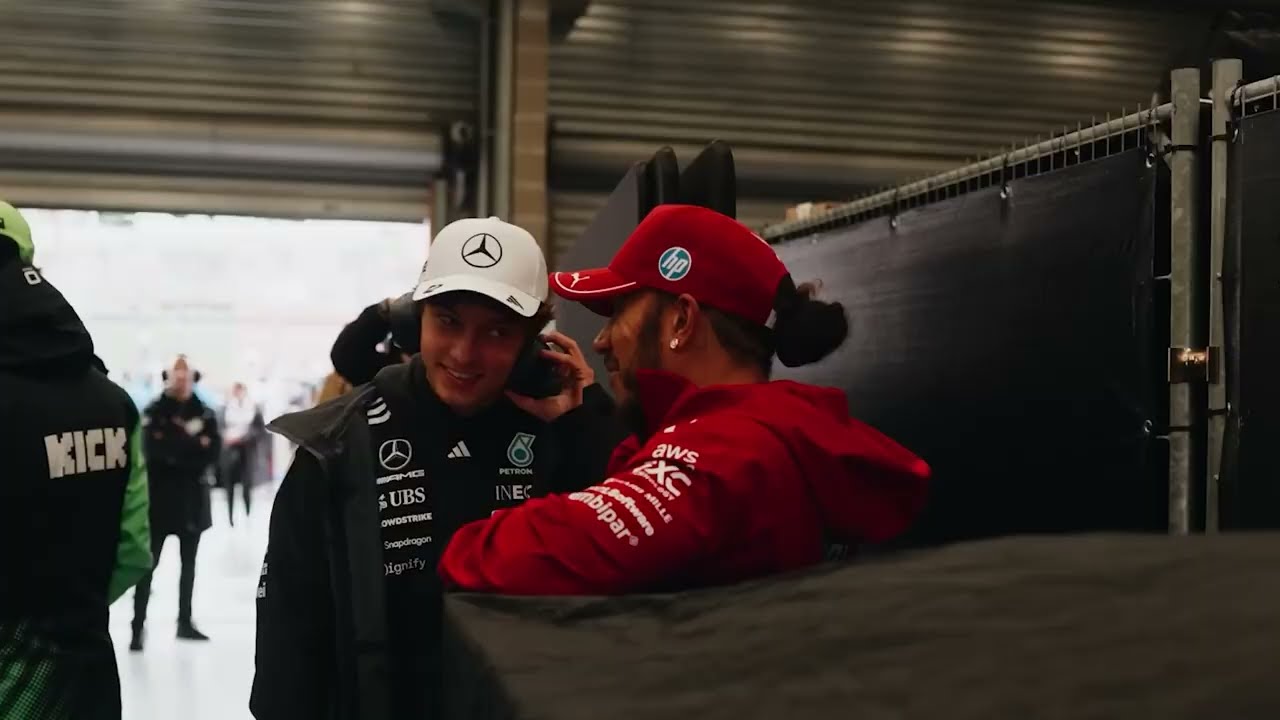
The “Beast” Awakens: Breaking the 0.5-Second Barrier
The core of the shock stems from the raw numbers. In modern Formula 1, differences between elite teammates are measured in thousandths of a second. A gap of two-tenths is considered significant; a gap of half a second is an eternity. Yet, insiders suggest that in comparable simulator runs—same fuel load, same track temperature, same setup—Hamilton has been clocking times up to 0.5 seconds faster per lap than his teammate, Charles Leclerc.
This isn’t a case of a single “glory run” on low fuel. The data reportedly shows a sequence of laps with terrifying consistency. Hamilton wasn’t fighting the car; he wasn’t correcting slides or wrestling with the steering wheel. The telemetry showed surgical energy management, clean lines, and a rhythmic progression between braking and acceleration that usually takes months to perfect in a new machine.
The engineers call the SF26 a “beast,” but in Hamilton’s hands, it seems to be a tame one. The data was so good that the initial reaction was confusion. Was the simulator calibrated correctly? Was there a glitch in the tire model? But as the checks came back clear, the reality set in: Ferrari may have inadvertently built the perfect car for Lewis Hamilton.
A Marriage of Style and Engineering
To understand why this is happening, we have to look under the digital skin of the SF26. Every F1 car has a personality. The previous iteration, the SF25, was a car that lived on a knife-edge, often favoring a “loose” rear end that allowed for sharp rotation—a trait that Charles Leclerc exploits masterfully. Leclerc thrives on a car that dances; he uses oversteer to point the nose into the corner.
However, the new SF26 has been designed with a different philosophy. It is more neutral, more stable, and places a premium on front-end confidence. This shift in design philosophy has created a “Goldilocks” scenario for Hamilton.
For years, Hamilton’s driving DNA has been defined by his “attacking braking” style. He is arguably the best late-braker in history, capable of carrying immense speed into the apex while loading up the front tires without locking them. He digs the nose in and relies on the rear to follow obediently. The SF26’s stability rewards exactly this approach. Instead of managing a nervous rear end, Hamilton can trust the car to stick, allowing him to merge with the machine instantly.
Conversely, this change poses a challenge for Leclerc. The Monegasque driver’s natural style requires a car that helps him turn through instability. A neutral car can feel “dead” or unresponsive to a driver who relies on rear rotation. While Leclerc is undeniably one of the fastest drivers on the planet and will undoubtedly adapt, the SF26’s baseline characteristics currently lean heavily in Hamilton’s favor.
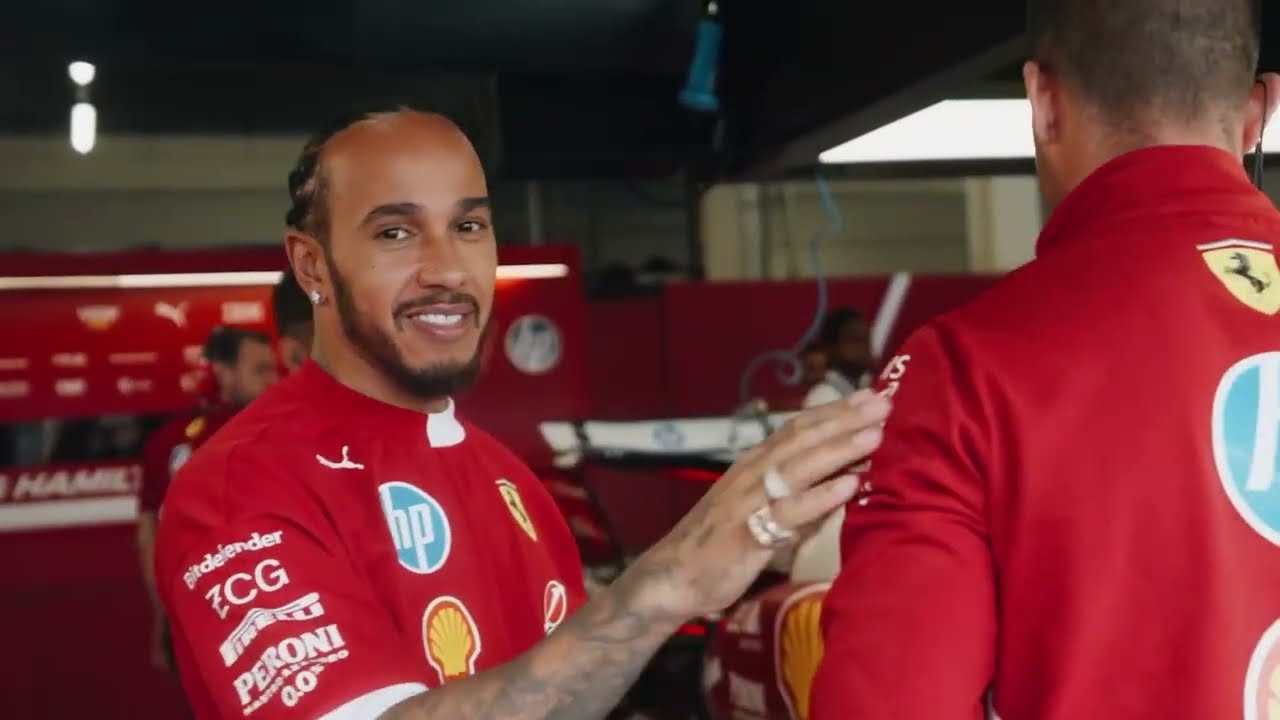
The Digital Mirage: Why Caution Still Reigns
Despite the euphoria that such data might trigger among the Tifosi, the mood inside the factory remains one of cautious realism. Ferrari engineers are painfully aware of the “simulator trap.”
The simulator at Maranello is a state-of-the-art facility, a multi-million dollar rig that moves on hexapod legs to replicate G-forces and suspension travel with millimeter precision. But it is still a sterile environment. It is a universe without chaos.
In the simulator, the tires degrade according to a mathematical model, not the unpredictable reality of a abrasive track surface baking in the Bahrain sun. The wind is a programmed variable, not a sudden gust that catches a driver out at 200 mph. And perhaps most importantly, the simulator cannot replicate the psychological pressure of a race weekend.
There is no Max Verstappen looming in the mirrors. There is no strategic blunder from the pit wall to navigate. There is no physical fatigue after 50 laps of Singapore humidity.
Ferrari knows that “winning the winter” often leads to disappointment in the spring. The SF26 looks like a world-beater on the screens in Maranello, but the true test comes when the rubber meets real asphalt. The simulator assumes the car is in a frozen state of perfection, but in reality, the car will evolve. Updates, aerodynamic tweaks, and engine mapping changes will alter the balance throughout the season. What works for Hamilton now might shift as the car develops.
The Human Variable
Beyond the technical specs, there is the human story. Lewis Hamilton is not just chasing another win; he is chasing immortality. Moving to Ferrari was a gamble, a final act in a legendary career that many thought would end at Mercedes.
The data suggests he is hungrier than ever. The focus required to step into a new environment and immediately perform at this level speaks to a driver who is revitalized. The mental challenge of mastering a new machine seems to have sharpened his instincts.
For Ferrari, this presents a fascinating, albeit high-pressure, dynamic. If the car is truly this fast, the excuse of “rebuilding” is gone. If Hamilton is this comfortable, the expectation shifts from “podium contender” to “championship favorite.” And for Charles Leclerc, the arrival of a teammate who is immediately faster in the simulation is the ultimate wake-up call. It sets the stage for an intra-team battle that could rival the intensity of Prost and Senna.
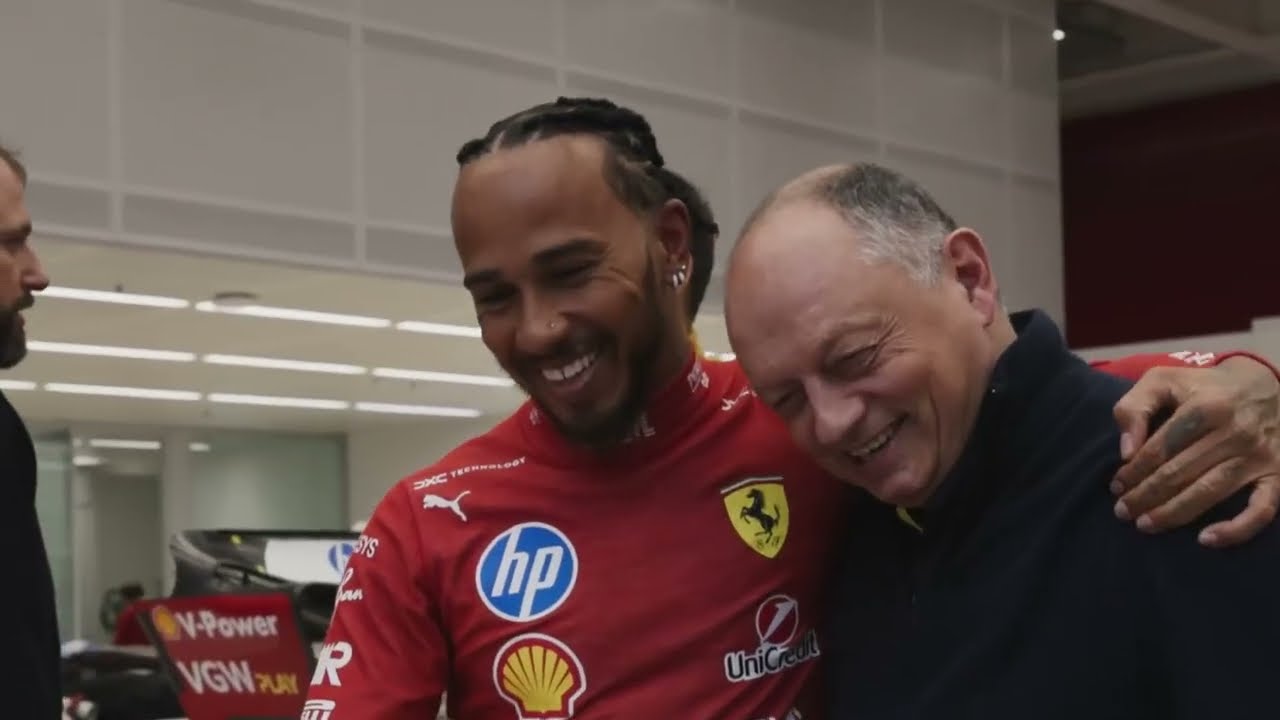
A New Cycle or False Dawn?
As we look toward the season opener, the question remains: Are we witnessing the start of a historic synergy, or simply the artificial gloss of a simulation?
History has taught us that data doesn’t lie, but it can mislead if stripped of context. The 0.5-second gap is likely to shrink as Leclerc dials in his setup and the car hits the track. But the baseline is undeniable. Ferrari has built a car that works, and they have signed a driver who knows exactly how to use it.
The silence in that meeting room in Maranello wasn’t just shock; it was the realization of potential. For the first time in years, the pieces of the puzzle—the car, the driver, the data—seem to be fitting together effortlessly. The SF26 might just be the beast that carries the Prancing Horse back to the top of the world. But until the lights go out, it remains a ghost in the machine, a promise waiting to be kept.
The Verdict
Ferrari fans should be cautiously optimistic. The transition that many feared would take half a season seems to have happened in a handful of days. Lewis Hamilton has arrived, and if the simulator is to be believed, he hasn’t lost a step. In fact, wearing Red might just have made him faster.
Now, the world waits for the real engine to start.