Something subtle but incredibly significant happened during the early 2026 Formula 1 testing, and if you were only looking at the timesheets, you absolutely missed it. On the surface, it was business as usual: lap times, run plans, and the typical cautious PR interviews that say a lot without saying anything at all. But underneath that noise, a narrative began to form that should send a shiver down the spine of every Tifosi.
One driver looked like he had already arrived in the future of Formula 1, operating in perfect sync with his machine. The other? He looked like he was still negotiating the terms of engagement.
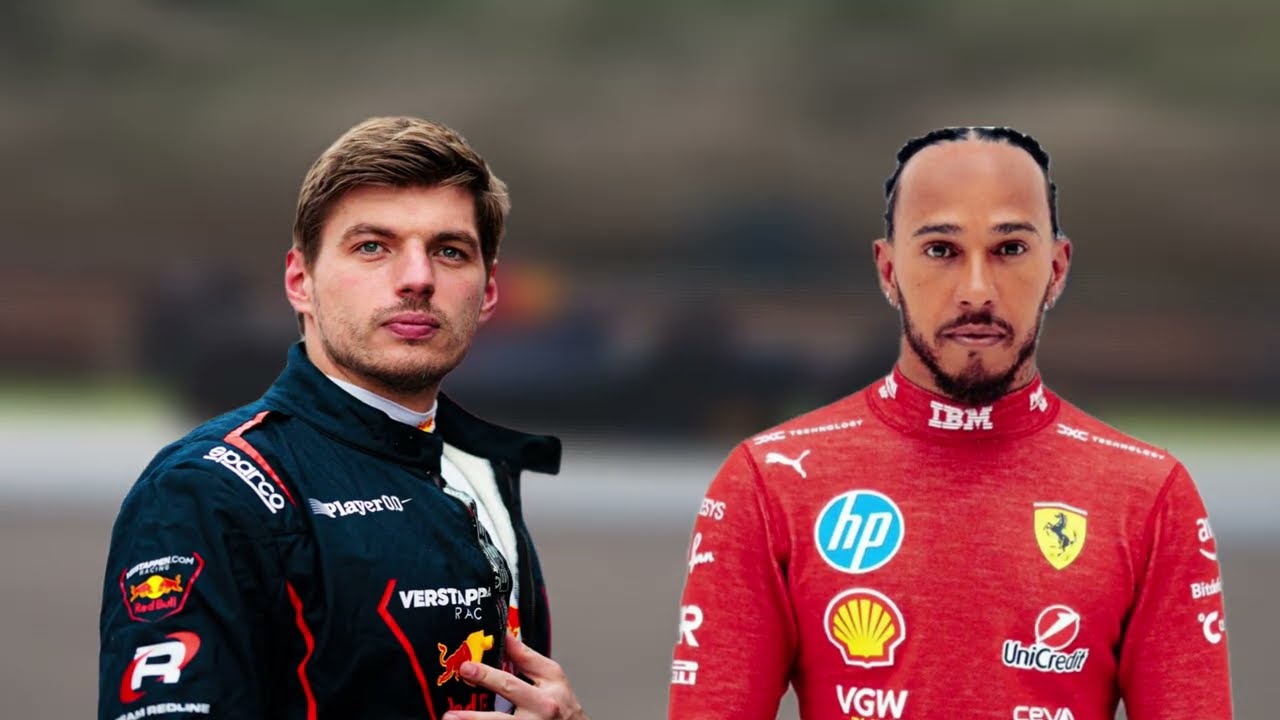
The uncomfortable truth emerging from the track is this: The Red Bull RB22 looks like a car Max Verstappen understands instinctively, a seamless extension of his will. The Ferrari SF26, on the other hand, is still asking Lewis Hamilton complex questions that he—and perhaps the team—doesn’t yet know how to answer.
The Era of Adaptability, Not Just Experience
Why does this specific distinction matter so much right now? Because 2026 isn’t just another season; it is a hard reset. The sport has stripped away the comfort blanket of the previous era. We are talking about new aerodynamics, a radically different power unit, and a massive, game-changing shift toward electrical deployment and energy management.
There is a popular narrative that such a reset favors experience—that a seven-time World Champion moving to the most iconic team in history would naturally become the reference point. Wisdom beats youth, right? Not always.
This new era doesn’t necessarily reward reputation or wisdom; it rewards adaptability under extreme pressure. It rewards the driver who stops asking for permission from the car and just dictates the play. Right now, that driver is undeniably Max Verstappen.
Body Language Tells the Real Story
Let’s strip away the headline lap times and focus on what actually matters in testing: behavior. How does a driver react when the car does something unexpected? When the power delivery feels alien or the braking zones shift?
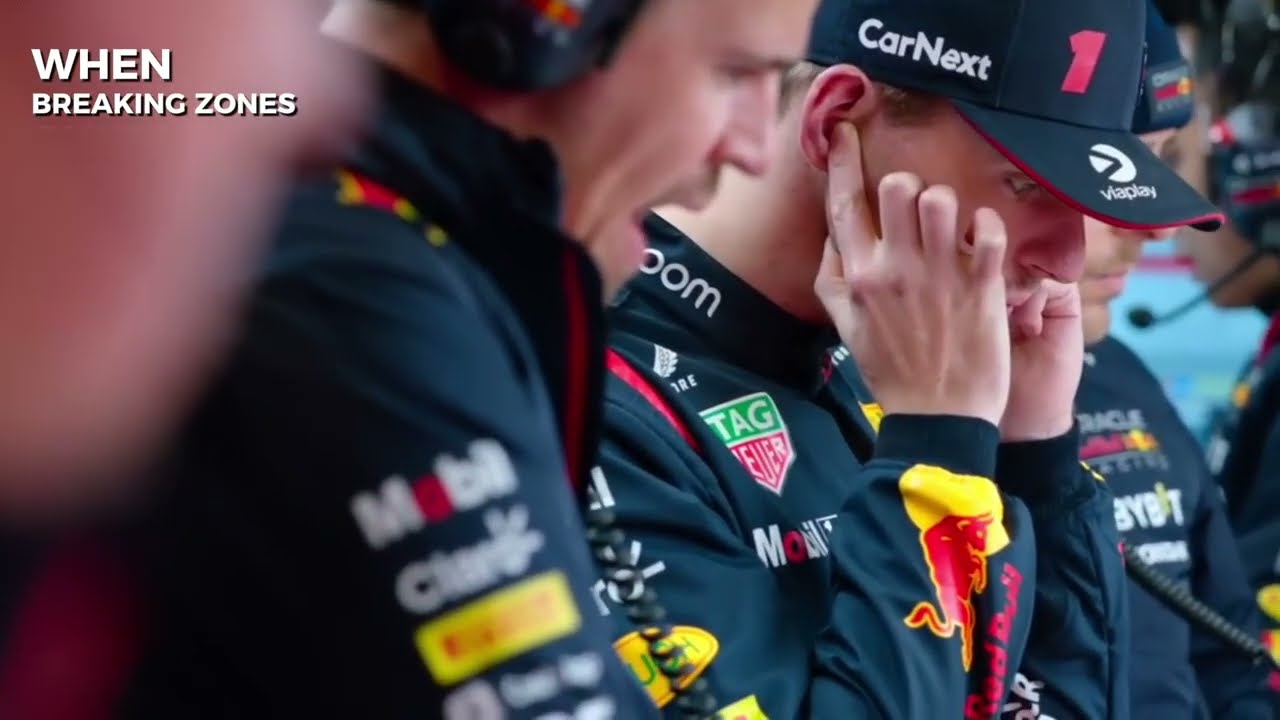
In the RB22, Verstappen didn’t look like someone discovering a new machine. He looked like he was continuing a conversation that had started months ago in a simulation room. His inputs were terrifyingly clean. Corrections were minimal. The car stayed within a razor-thin operating window even as track conditions evolved. That isn’t just “pace”—that is alignment. And in the early days of a regulation cycle, alignment is a deadly weapon.
Contrast that with the scene at Ferrari. The SF26 is, on paper, a marvel—compact packaging, aggressive cooling, a design clearly built for long-term dominance. But watch Lewis Hamilton in the cockpit. He didn’t look slow—let’s be clear, there is no “decline” narrative here. But he looked cautious. Analytical. Busy.
The SF26 demanded constant interpretation from him. He was managing energy deployment decisions, mid-corner brake migration adjustments, and providing feedback loops that haven’t yet settled into muscle memory. It’s not a criticism of his talent; it’s a reflection of the car’s current state. The Ferrari is asking him to think, while the Red Bull is allowing Max to just drive.

The “Timing” Trap
This difference isn’t about raw talent; it is about timing. Max Verstappen has spent the last several seasons driving cars that lived on the jagged edge of instability—cars with high rake sensitivity and rear ends that punished hesitation. Red Bull doesn’t build “comfort” cars; they build sharp tools, and Max has learned to live comfortably inside that sharpness.
So, when the 2026 rules arrived, demanding drivers manage energy like a chess match at 200 mph, Verstappen wasn’t learning a new language. He was just refining his accent.
The RB22 reflects this aggressive philosophy. Those ultra-slim sidepods aren’t just an aero gamble; they are a declaration of intent. Red Bull is prioritizing airflow quality over thermal safety margins. They built a car that rewards precision and punishes sloppy inputs. Who thrives in that environment? The driver who treats instability as information, not danger.
Ferrari’s Search for Answers
Meanwhile, the SF26 is still searching for its balance point. Ferrari’s testing program has been methodical and somewhat conservative, filled with systems checks and validation loops. This suggests a team that is still gathering answers. Red Bull, by contrast, looks like a team that is simply confirming its assumptions.
This is where Lewis Hamilton’s situation becomes fascinating rather than critical. He isn’t fighting the car, but he is interpreting it. The great Hamilton performances of the past decade came when the car faded into the background, allowing him to paint his masterpiece on the track. Right now, the SF26 is very much present, loud, and demanding in his ear.
If this were anyone other than Lewis Hamilton, the paddock would be in full-blown panic mode. But his reputation buys patience. However, time is the one luxury Ferrari does not have. Every race weekend in the early phase of this new era is effectively an extension of testing. The driver who arrives already “fluent” in the car’s language banks points, while the others are still translating.
The Political Pressure Cooker
There is also an uncomfortable political layer to this dynamic. Ferrari didn’t hire Lewis Hamilton to wait for development cycles. They hired him to deliver, immediately. Internally, the expectations are crushing. Externally, the spotlight is unforgiving.
Every radio message Lewis sends will be dissected. Every setup adjustment will be over-analyzed as either a sign of struggle or a stroke of genius. This environment doesn’t accelerate adaptation; it amplifies pressure.
Verstappen, conversely, operates inside a system built entirely around him. The RB22 isn’t just a car he drives; it is a machine shaped by years of his specific feedback, his tolerance for instability, and his appetite for risk. Did Red Bull intentionally build the perfect car for him, or is it just a happy accident? It doesn’t matter. The result is a structural advantage that doesn’t disappear with a simple setup change.
The Dangerous Gap
If Ferrari doesn’t close this “understanding gap” quickly, Lewis Hamilton could find himself spending the critical opening fly-away races extracting potential instead of fighting for wins. And in a championship fight against a juggernaut like Max Verstappen, “invisible” cars win titles.
Max can afford to push boundaries earlier, explore limits, and force others into reactive strategies. That is how dominance starts—quietly, then suddenly all at once.
This isn’t about who is faster in February. It is about who is ready in March. Max Verstappen looks ready because the RB22 doesn’t surprise him. Lewis Hamilton isn’t ready yet because the SF26 still does. That gap can close, of course. But until it does, the advantage is real, and the clock is ticking.