Formula 1 has always been a sport defined by high-speed deception, but the pre-season testing for the 2026 season has elevated the art of the bluff to entirely new heights. When the paddock arrived at the Bahrain International Circuit, the collective expectation was that the timing screens would finally provide some much-needed clarity.
The sport was entering a radical new regulatory era, arguably the most significant overhaul in its modern history, and fans worldwide were desperate to see who had actually conquered the immense engineering challenge.
Instead of delivering clear answers, the desert sessions delivered a dizzying storm of confusion, glaring contradictions, and relentless accusations of extreme sandbagging. Teams were blatantly hiding their true pace, GPS traces were telling one entirely different story from the official lap times, and team bosses were engaged in a masterful game of psychological poker.
But beneath this thick layer of smoke and mirrors lies a vastly more critical battle, one that extends far beyond aerodynamic efficiency and tire degradation. At the absolute center of this chaotic political storm is Red Bull Racing, and the ultimate outcome of this pre-season power struggle could determine whether reigning world champion Max Verstappen remains in Formula 1 or abandons the sport completely.
To truly understand the incredible gravity of the situation, we must first break down exactly what happened on the hot asphalt in Bahrain. It is a well-established tradition that every single team on the grid hides their ultimate performance during winter testing. Running heavier fuel loads, deliberately turning down engine modes, and utilizing sub-optimal aerodynamic setups are standard operating procedures. However, what made this particular test so utterly bizarre was how incredibly obvious the performance discrepancies were, specifically regarding the brand-new power units. Under the revolutionary 2026 rules, the electrical component of the engine has become dramatically more influential. We are now looking at a near 50/50 power split between the internal combustion engine and the complex electrical battery systems. Consequently, the ability to harvest and consistently deploy electrical energy is no longer just a nice strategic bonus; it is the fundamental backbone of ultimate lap time.
When rival teams began deeply analyzing the GPS traces from the test, a fascinating and terrifying narrative emerged. According to multiple paddock sources, including the incredibly vocal Mercedes AMG Petronas team, Red Bull’s car was exhibiting something extraordinary. The data allegedly showed that Red Bull wasn’t just peaking higher on the straights, but they were sustaining their electrical deployment significantly longer than anyone else on the grid. Noticeably, there was minimal drop-off at the very end of the long Bahrain straights. In the deeply complex world of 2026 power units, this indicates a remarkably strong battery thermal efficiency and a highly intelligent energy mapping system. It heavily suggested that Red Bull’s incredibly ambitious project to build their very own in-house engine—Red Bull Powertrains—had resulted in a foundational, devastating advantage right out of the gate.
This is where the political theater reaches its absolute peak. You would normally expect Red Bull to quietly celebrate this apparent engineering success, but instead, the reactions were entirely inverted. Mercedes team principal Toto Wolff and driver George Russell openly and loudly praised Red Bull, enthusiastically branding them the clear team to beat. Russell even used phrases like “pretty scary” while publicly claiming Red Bull possessed a half-second to a full-second advantage in energy deployment per lap. In the fiercely competitive, cutthroat world of Formula 1, that is not casual praise; that is highly calculated narrative shaping. By heavily elevating Red Bull’s status, Mercedes effectively weaponized expectations. If Mercedes underperforms at the season opener in Melbourne, they have already firmly established the narrative that Red Bull is simply too dominant to catch. If, however, Mercedes miraculously outperforms expectations and wins, it instantly becomes a legendary, heroic comeback story against impossible odds.
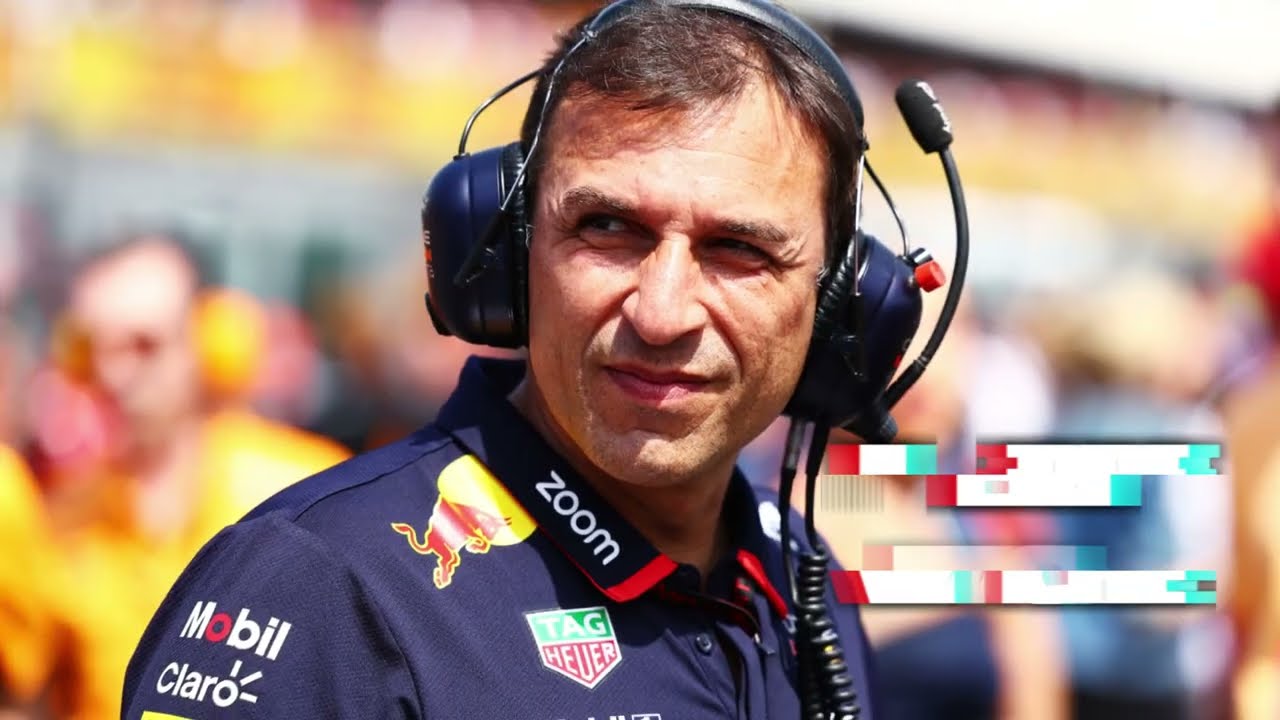
Faced with this aggressive tactic of being loudly labeled the overwhelming favorites, Red Bull’s reaction was incredibly telling and borderline panicked. Pierre Waché, the brilliantly pragmatic technical director for Red Bull Racing, went completely out of his way to publicly downplay his own team’s performance. He insisted that, according to their own internal analysis, Red Bull was only the fourth fastest team on the grid, lagging noticeably behind Mercedes, Ferrari, and McLaren. This represents an extreme level of deflection. A technical director of a championship-winning team does not casually demote their own machinery to the midfield unless there is a much deeper, far more terrifying reason. And that deeper reason is none other than Max Verstappen.
The harsh reality that nobody at Red Bull wants to openly admit is that their entire future is currently balancing on a terrifyingly fragile edge. Max Verstappen is not just a generational driving talent; he is the absolute epicenter of the entire Red Bull racing empire. It is widely documented that the Dutchman’s immensely lucrative contract contains strict performance clauses. If the team fails to provide a highly competitive, championship-winning car, Verstappen possesses the legal exit options required to walk away. We already witnessed intense flashes of internal tension during the 2024 and 2025 seasons, where slight dips in form and highly publicized leadership instability created massive uncertainty. During those turbulent times, Verstappen deliberately and openly invested more of his time and passion into his incredibly successful sim racing team and his various endurance racing interests. That was not a mere coincidence or a passing hobby; that was a very clear, very deliberate display of leverage.
Now, layer that existing tension onto the deeply controversial 2026 regulations. Verstappen has been brutally honest and unapologetically critical of the new direction Formula 1 has taken. He has publicly condemned the new cars, heavily criticizing the slower high-speed cornering, the significantly heavier chassis, and the overwhelming reliance on complex energy management. In a damning verdict that echoed throughout the paddock, he famously compared the 2026 driving experience to “Formula E on steroids,” explicitly stating that the cars feel distinctly “anti-racing.” This is not just a driver venting standard frustration over a tricky mechanical setup; this is a fundamental, existential philosophical clash. Verstappen’s entire driving identity—his absolute essence as a fierce competitor—is built upon pure instinct, breathtaking precision at mind-boggling high speeds, and a raw, visceral mechanical connection with the racing car. If the 2026 regulations fundamentally mandate that drivers must become overly dependent on calculated harvesting phases and disciplined lift-and-coast techniques rather than flat-out racing, it irreparably damages the emotional core of why he races in the first place.
Christian Horner, the seasoned Red Bull team principal, understands this terrifying dynamic perfectly. When Horner recently stated that his goal was not to make Verstappen happy, but rather to make him happy by winning, it sounded incredibly blunt. However, it perfectly summarized the team’s entire survival strategy. Pure, unadulterated performance is the absolute only glue holding this fragile partnership together. If Verstappen philosophically despises driving the new generation of cars, the only possible way to keep him engaged and stop him from activating his exit clauses is to guarantee that he is winning absolutely everything.
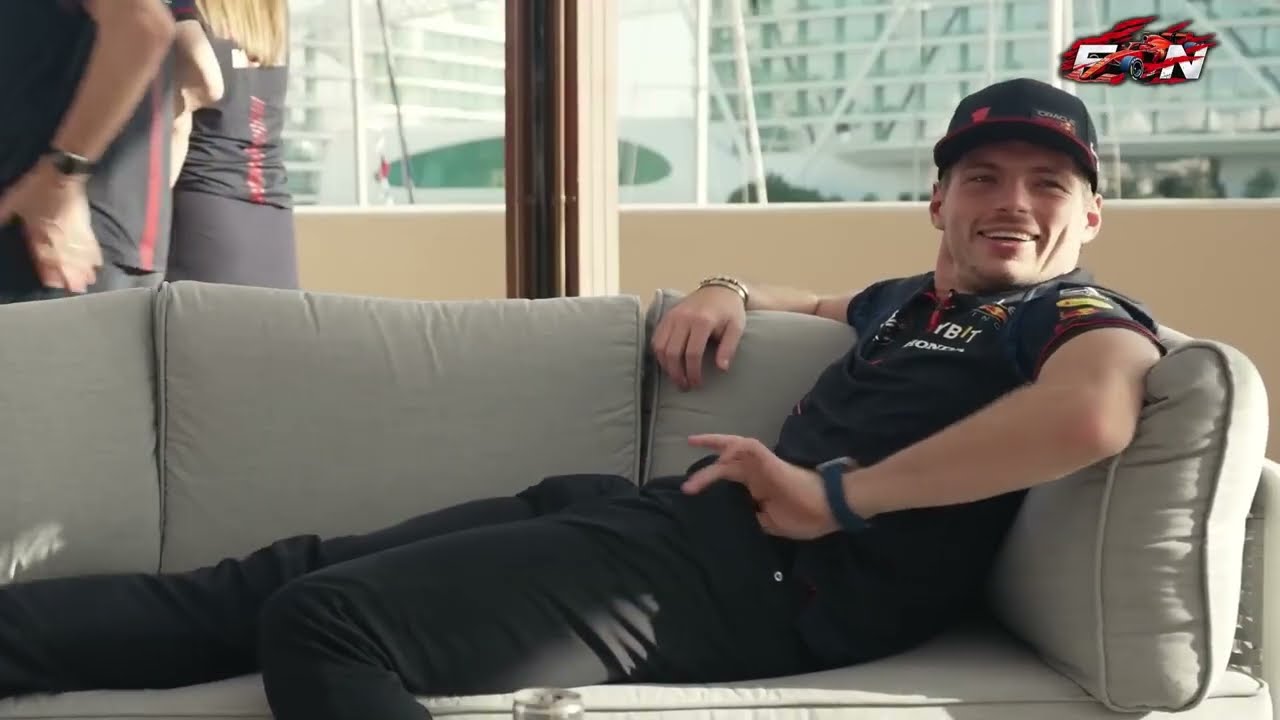
This brings us to the shocking revelation that Red Bull has reportedly launched a frantic internal investigation. The crucial question is: if they are genuinely as fast as Mercedes claims they are, why are they investigating themselves? The answer lies in the intense paranoia induced by extreme sandbagging. Red Bull desperately needs absolute internal clarity. They need to definitively know where their rivals are bluffing about their own pace. If Mercedes is intentionally hiding a massive combustion engine advantage while simultaneously drawing all the media attention to Red Bull’s electric strength, it completely shifts the narrative battlefield. Red Bull needs to know if they are truly the undisputed kings of the new era, or if they are blindly chasing a phantom target designed by their bitter rivals.
The domino effect of the upcoming season opener in Melbourne cannot possibly be overstated. The development direction for the entire 2026 regulation cycle will be decisively shaped in these crucial early weeks. If Red Bull completely dominates the early races, Verstappen’s deep-seated doubts might temporarily quiet down. The massively expensive, high-risk in-house engine project will gain instant, undeniable legitimacy. Mercedes will lose its historical aura of power unit supremacy, Ferrari will face renewed internal scrutiny, and the entire grid will realize that the Red Bull dynasty is here to stay.
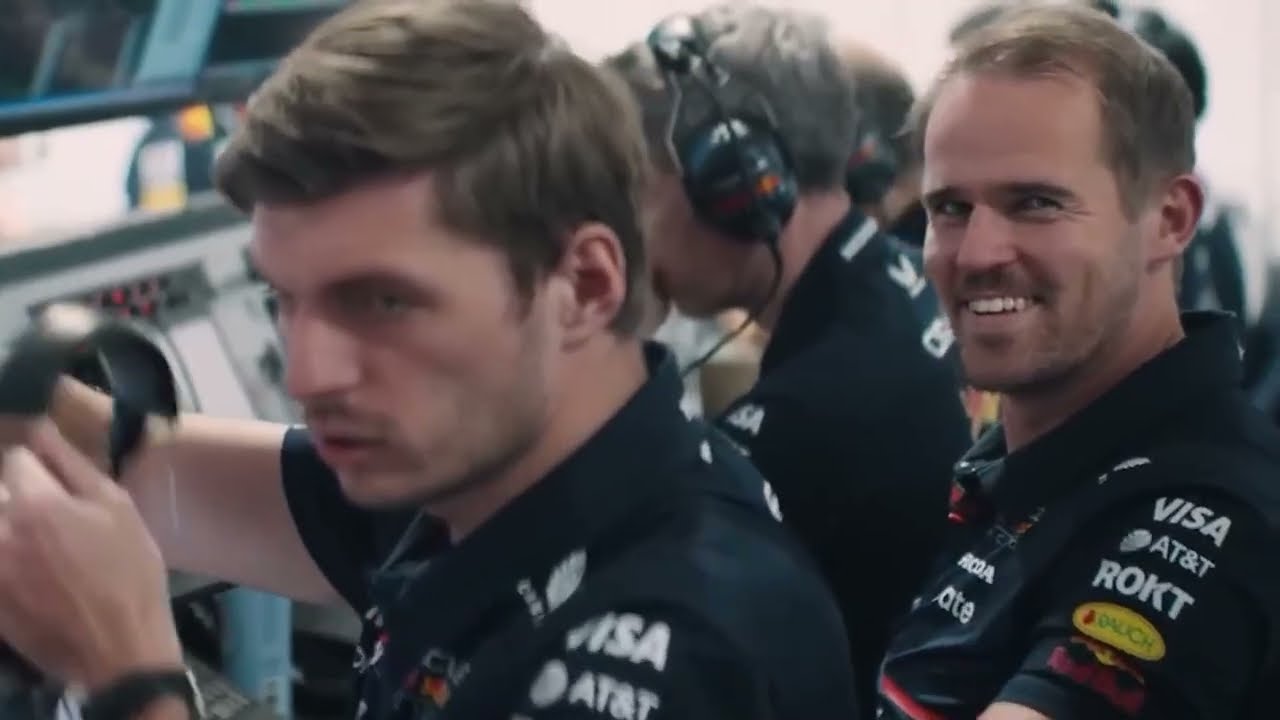
However, if Red Bull has miscalculated the data, and if Melbourne reveals that Pierre Waché was actually telling the terrifying truth about being fourth fastest, the consequences will be utterly catastrophic. Verstappen’s famously thin patience under a set of regulations he already actively dislikes could evaporate overnight. The body language observed during the Bahrain test was incredibly revealing. When asked about Mercedes supposedly being behind them, Verstappen laughed, but it was not the relaxed, confident laughter of a man holding all the winning cards. It felt distinctly measured, almost highly strategic, as if he was carefully evaluating his exit options while the circus unfolded around him.
The competition in modern Formula 1 is just as much political and psychological as it is technical and engineering-based. Every single public statement is a finely tuned weapon; every technical claim doubles as strategic positioning. The existential uncertainty swirling around the Red Bull garage reveals a much broader truth about elite motorsport: loyalty is entirely conditional on competitiveness. When the sport’s most dominant and ruthless driver begins to openly question whether the fundamental nature of the racing itself still matches his identity, absolutely no amount of podiums, prize money, or historical loyalty can guarantee his long-term commitment.
The 2026 season hasn’t even officially started, but the most important championship battle is already raging fiercely behind closed doors. Is Red Bull merely downplaying a revolutionary, unbeatable technological advantage, or are they desperately scrambling behind the scenes to prevent a disastrous season that pushes Max Verstappen right out the exit door? When the lights finally go out in Melbourne, we will not just be witnessing the dawn of a new technological era; we may very well be watching either the absolute solidification of a legendary racing dynasty, or the dramatic, shocking final chapter of Max Verstappen’s Formula 1 story.