Formula 1 is standing on the precipice of its most significant—and controversial—transformation in decades. The 2026 season was promised as a bold new era of green technology and manufacturer innovation, designed to lure giants like Audi and Ford into the fold.
But following the first glimpses of reality during pre-season testing in Bahrain, that dream is rapidly turning into a nightmare. A firestorm of criticism has erupted from the sport’s most decorated champions, exposing a deep fracture between the FIA’s corporate vision and the visceral soul of racing.
The feedback from the cockpit is not just negative; it is blistering. The new regulations, which mandate a 50/50 power split between the internal combustion engine and the electric motor, have fundamentally altered the DNA of the cars.
The removal of the MGU-H (Motor Generator Unit-Heat) to simplify costs has resulted in a vehicle that struggles to recover energy efficiently. The consequence? A driving experience that Max Verstappen, the sport’s reigning king, describes as “anti-racing” and ominously compares to “Formula E on steroids.”
The “Lift and Coast” Disaster
At the heart of the fury is the drastic change in driving style required to keep the new power units functioning. Unlike the current aggressive, on-the-limit capability of F1 machinery, the 2026 prototypes demand extreme energy management. Drivers are reporting the need to “lift and coast”—taking their foot off the accelerator to regenerate battery power—up to 600 meters before a braking zone.
To put that into perspective, 600 meters is roughly the length of six soccer fields. For a sport built on the philosophy of braking as late and hard as possible, this is a heresy. Drivers are finding themselves downshifting on straightaways, not to corner, but simply to keep engine revs high enough to charge the battery. The spectacle of the world’s fastest cars coasting down the main straight of Bahrain is a jarring image that has fans and drivers alike questioning the direction of the sport.
The Champions Revolt: Verstappen and Hamilton United
Max Verstappen has never been one to mince words, but his reaction to the 2026 regulations is unprecedented in its severity. The four-time World Champion has openly hinted that these rules could drive him into early retirement. With his Red Bull contract set to expire in 2028, the Dutchman has made it clear: if the cars aren’t fun, he’s gone. His critique that the driver is becoming secondary to the software hits at the very existential crisis F1 is facing.
He is not alone in his despair. Lewis Hamilton, now donning the scarlet of Ferrari, has echoed these concerns with equal gravity. The seven-time champion described the cars as “ridiculously complex” and dropped a bombshell comparison, stating the new machines feel “slower than GP2.” For a driver who has defined the modern era of speed, suggesting that the pinnacle of motorsport is being outpaced by junior categories is a devastating indictment.
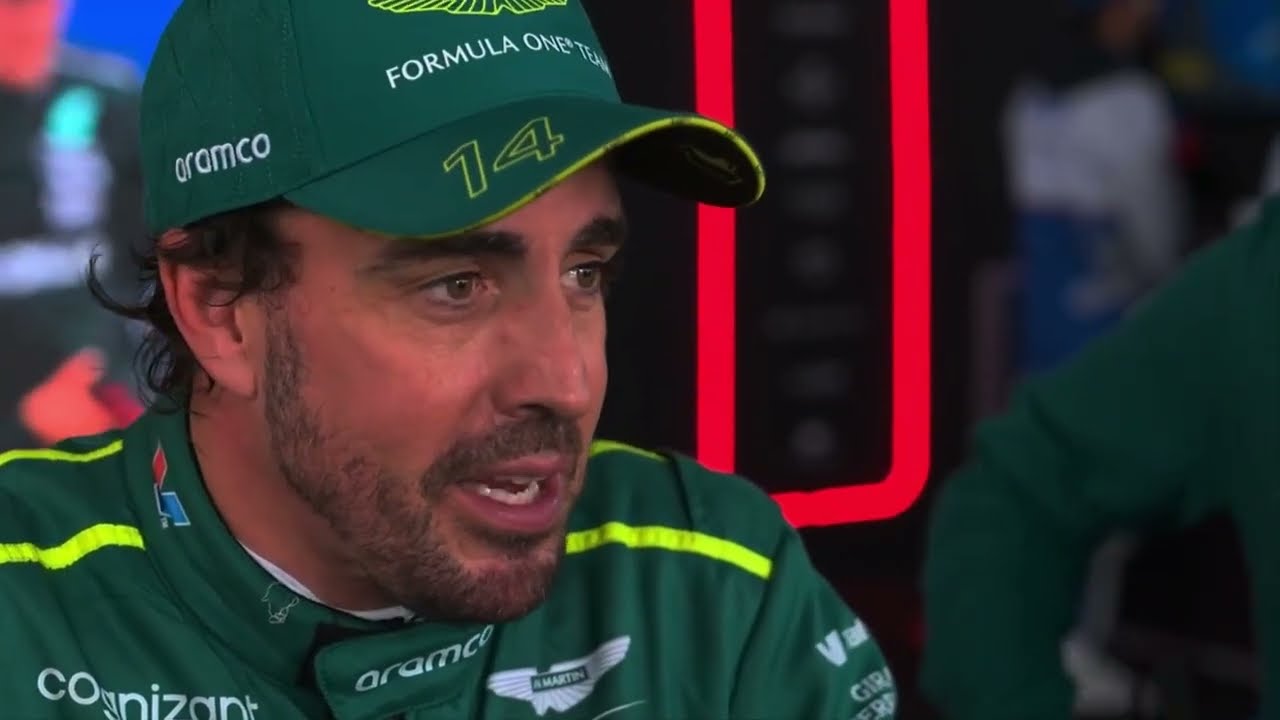
Fernando Alonso, the grid’s elder statesman at 44, provided perhaps the most stinging—and hilarious—critique. Referencing Turn 12 at Bahrain, a corner usually taken at a terrifying 260 km/h, Alonso noted that drivers now have to crawl through at 200 km/h to save energy. “A chef could drive it,” he quipped, illustrating that the physical defiance required to tame an F1 car is being eroded by energy-saving algorithms.
The Paddock Split: Norris Fires Back
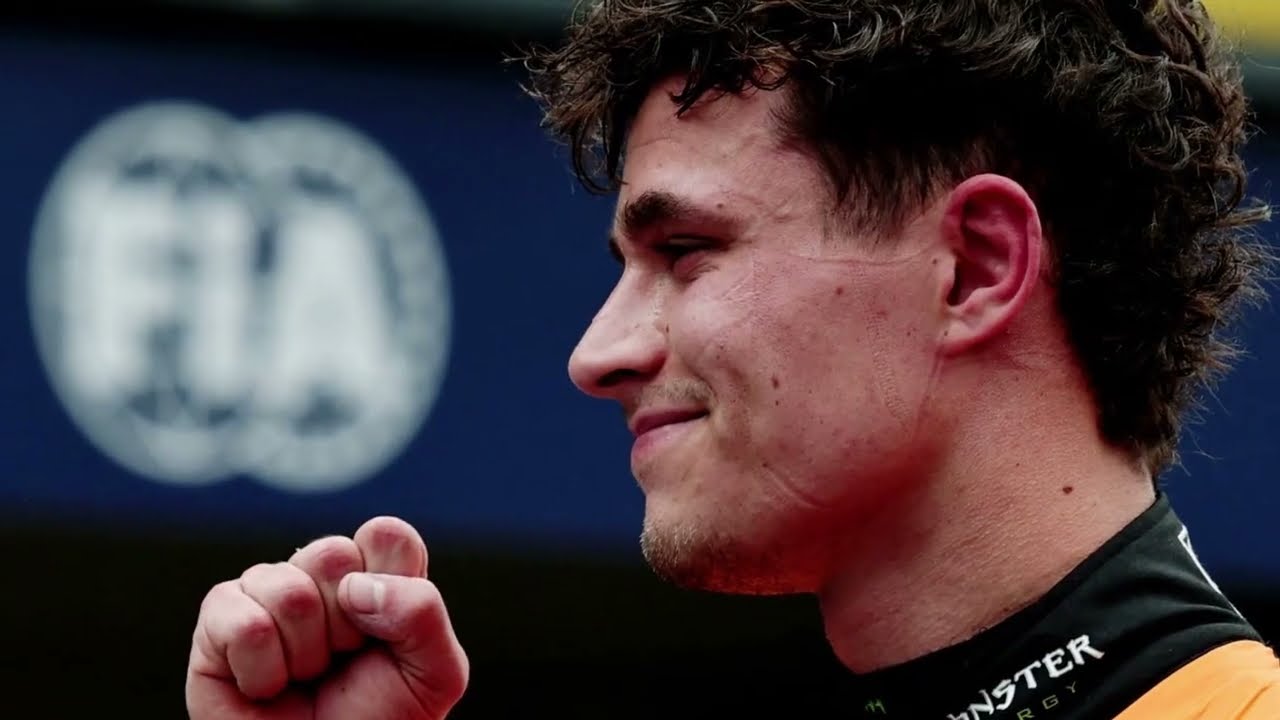
However, the paddock is not unanimous. In a twist that adds personal drama to the technical crisis, McLaren’s Lando Norris has positioned himself as the defender of the new era—and he didn’t hesitate to take a swipe at Verstappen.
Norris, enjoying the “puzzle” of the new regulations, offered a blunt message to his rival: “If he doesn’t like it, he can retire.” Norris views the changes as a privilege and a new challenge for engineers and drivers to conquer, dismissing the complaints as resistance to inevitable change. This friction between the “purist” veterans and the adaptable younger generation sets the stage for a psychological battle that will rage long before the lights go out in 2026.
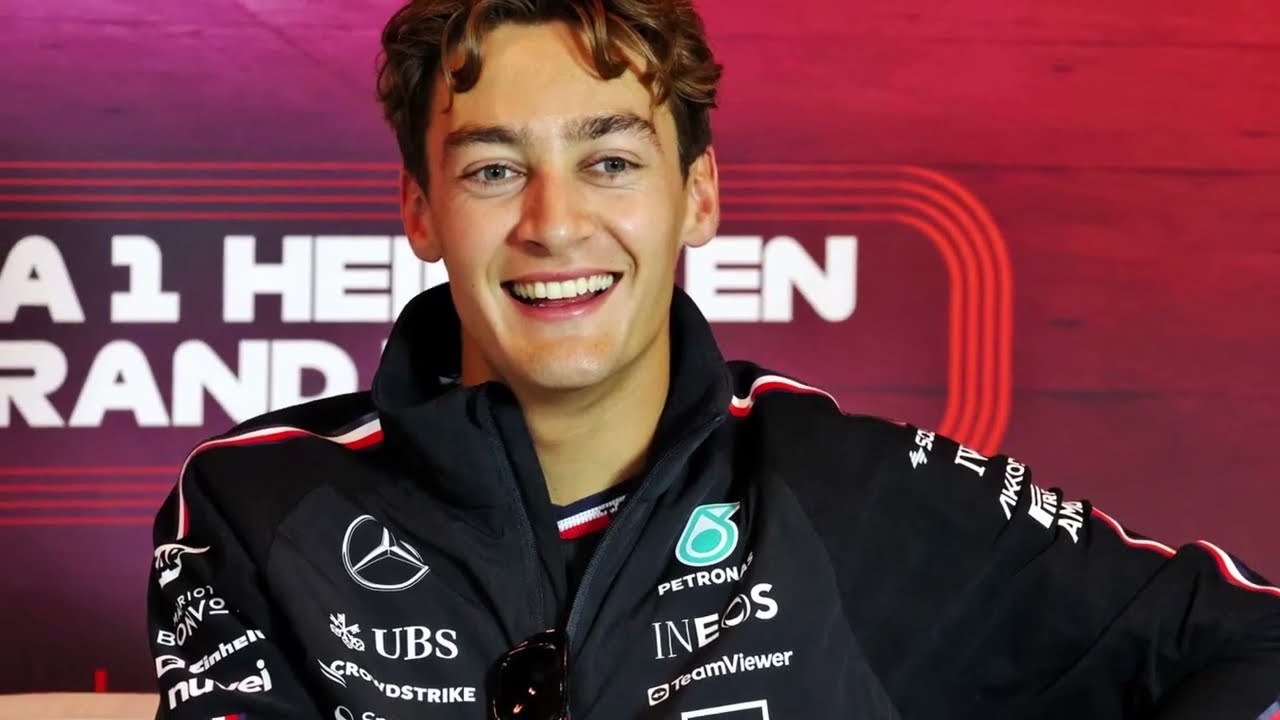
George Russell, holding a diplomatic middle ground as a director of the Grand Prix Drivers’ Association, admitted the driving style is counter-intuitive and annoying but remains optimistic that technology will evolve rapidly before the first race. Meanwhile, Formula E boss Jeff Dods seized the opportunity to troll the F1 establishment, cheekily inviting Verstappen to test a Formula E car and claiming his series might soon be faster than F1—a statement that would have been laughable five years ago but now stings with a hint of possibility.
The Soul of the Sport at Stake
The tension in Bahrain is about more than just lap times; it is a battle for the identity of Formula 1. The 2026 rules were crafted to satisfy boardrooms in Detroit and Ingolstadt, prioritizing sustainability and road-relevance. But in doing so, the FIA may have neglected the most critical stakeholders: the drivers who risk their lives and the fans who tune in for raw speed, not energy efficiency seminars.
If the cars truly require drivers to coast for half a kilometer and shift gears on straights, the visual spectacle of F1 will be undeniably diminished. The sport relies on the “hero factor”—the belief that these drivers are doing something mere mortals cannot. If, as Alonso suggests, a “chef” could navigate the corners, that magic evaporates.
As the paddock packs up in Bahrain, the alarm bells are ringing louder than the new engines. With Verstappen threatening to walk away and Hamilton yearning for the days of pure speed, Formula 1 finds itself at a dangerous crossroads. It must decide whether to double down on its green crusade or pivot to save the visceral excitement that makes it the greatest show on earth. The 2026 season hasn’t started, but the war for its future has already begun.