In Formula 1, the race doesn’t always end at the checkered flag.
Sometimes, it ends in a quiet room.
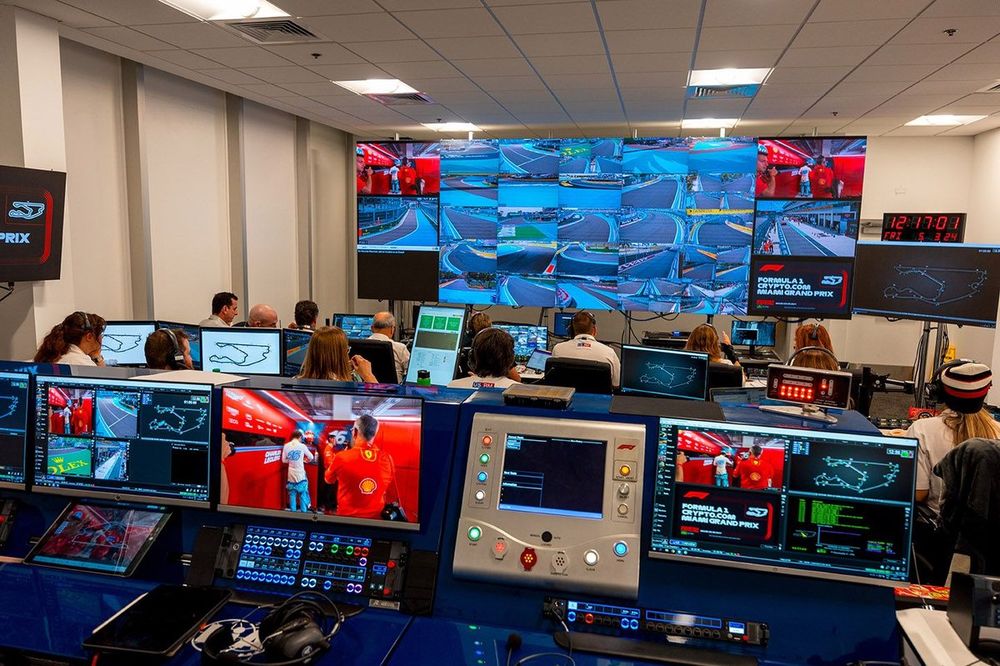
While engines cool and champagne sprays on the podium, three or four officials sit behind closed doors studying data, video, and regulations. And in that room, championships can shift.
A five-second penalty can erase a victory.
A technical infringement can delete an entire weekend.
A steward’s interpretation can rewrite history.
In modern Formula 1, the most powerful corner of the paddock isn’t Turn 1.
It’s the steward’s office.
The Billion-Dollar Sport Run by Volunteers
Here’s the part that shocks most fans:
The people deciding penalties in a multi-billion-dollar global championship are not full-time professional judges.
They are volunteer stewards appointed by the Fédération Internationale de l’Automobile (FIA).
Each race weekend features a rotating panel of three or four officials:
-
A permanent FIA steward
-
A national steward from the host country
-
A former racing driver
-
Occasionally an additional official
They receive expenses.
They do not receive a salary.
And because the panel rotates every race, interpretations shift.
A maneuver deemed “hard racing” in Silverstone might be “forcing a driver off track” in Monza. The rulebook doesn’t change — the humans interpreting it do.
This inconsistency fuels one of the loudest debates in F1 today:
Should the sport move to a permanent, professional stewarding body?
Until that happens, subjectivity remains part of the system.
How an Investigation Actually Works
When an incident happens, it reaches the stewards in one of two ways:
-
The Race Director reports it
-
The stewards flag it themselves
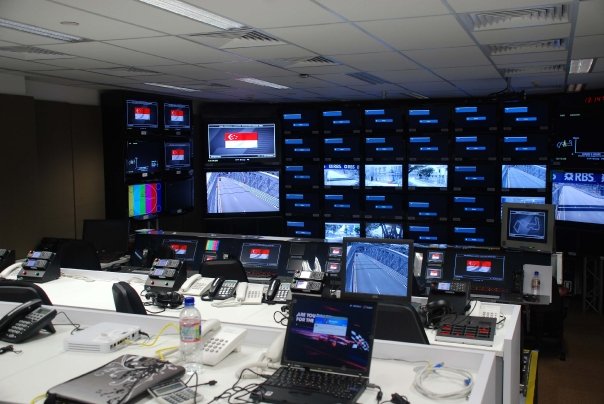
From there, the process resembles forensic science.
They don’t just watch TV replays.
They analyze:
-
Multiple broadcast and onboard camera angles
-
Raw team radio communications
-
Steering, throttle, and braking telemetry
-
GPS positioning data
-
Historical precedent
Telemetry is particularly brutal. It shows:
-
Exactly when a driver braked
-
Whether they turned the wheel
-
If throttle input was reduced
It strips away emotion and exposes intent.
If evidence is insufficient?
The verdict reads: “No Further Action.”
If not, the ladder of punishment begins.
The Ladder of Penalties
In Formula 1, punishment escalates quickly.
⚠️ Warnings & Reprimands
Minor infractions — track limits, procedural errors.
But reprimands accumulate. Five in a season can trigger a grid penalty.
Small mistakes can haunt a driver months later.
💸 Fines
Financial penalties serve as public rebuke.
The most infamous example remains the 2007 “Spygate” scandal, where McLaren received a $100 million fine — the largest in F1 history.
In F1, the rulebook has teeth.
⏱ Time Penalties
The most common sanction: five or ten seconds.
In a sport measured in thousandths, five seconds is massive.
If served during a pit stop, the car must sit untouched.
If applied post-race, podium positions can reshuffle after the finish line.
Fans celebrate — then suddenly see classification changes.
🚫 Drive-Through & Stop-and-Go
A drive-through forces a driver through the pit lane at reduced speed.
A stop-and-go requires stopping for ten seconds with no work performed.
Both effectively end any realistic chance of victory.
☢️ Disqualification
The nuclear option.
Usually applied for:
-
Underweight cars
-
Illegal fuel flow
-
Technical breaches
When disqualified, results vanish instantly.
Points. Podiums. Wins.
Erased.
The Hidden System: Penalty Points
Running silently in the background is Formula 1’s “license” system.
Drivers accumulate penalty points for infractions.
Reach 12 within a rolling 12-month period?
Automatic race ban.
This forces long-term thinking.
A reckless move in March could sideline a driver in September.
Aggression becomes a calculated risk, not just a momentary decision.
The Irreversible Problem
Teams can appeal decisions — but only with “new and significant” evidence unavailable at the time.
Successful appeals are rare.
And some penalties are irreversible.
If a driver wrongly serves a drive-through, that time cannot be restored.
The race has happened.
History has been written.
This finality makes steward decisions incredibly powerful — and incredibly dangerous.
Why It Feels Inconsistent
Fans often ask:
Why does one driver get five seconds, and another gets ten for something similar?
Because precedent matters — but context matters more.
Speed differential.
Intent.
Prior warnings.
Track conditions.
Championship implications (though unofficially).
Stewards are instructed not to consider championship impact — but they are human.
And humans interpret differently.
The Real Power Center of F1

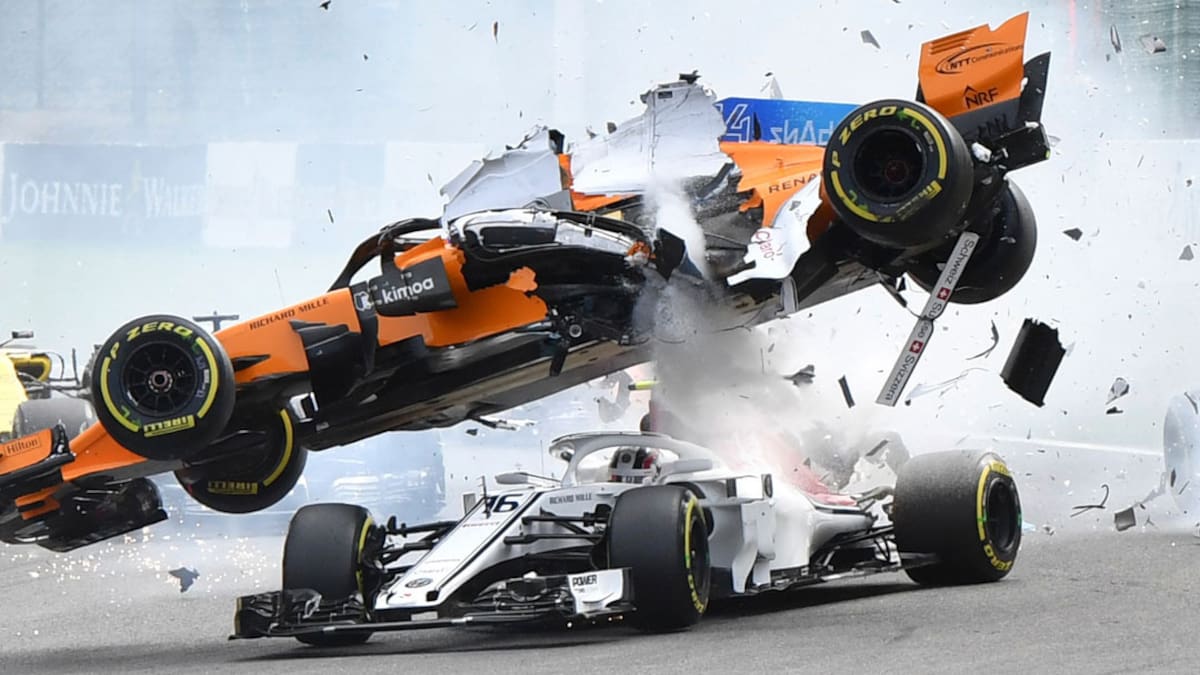
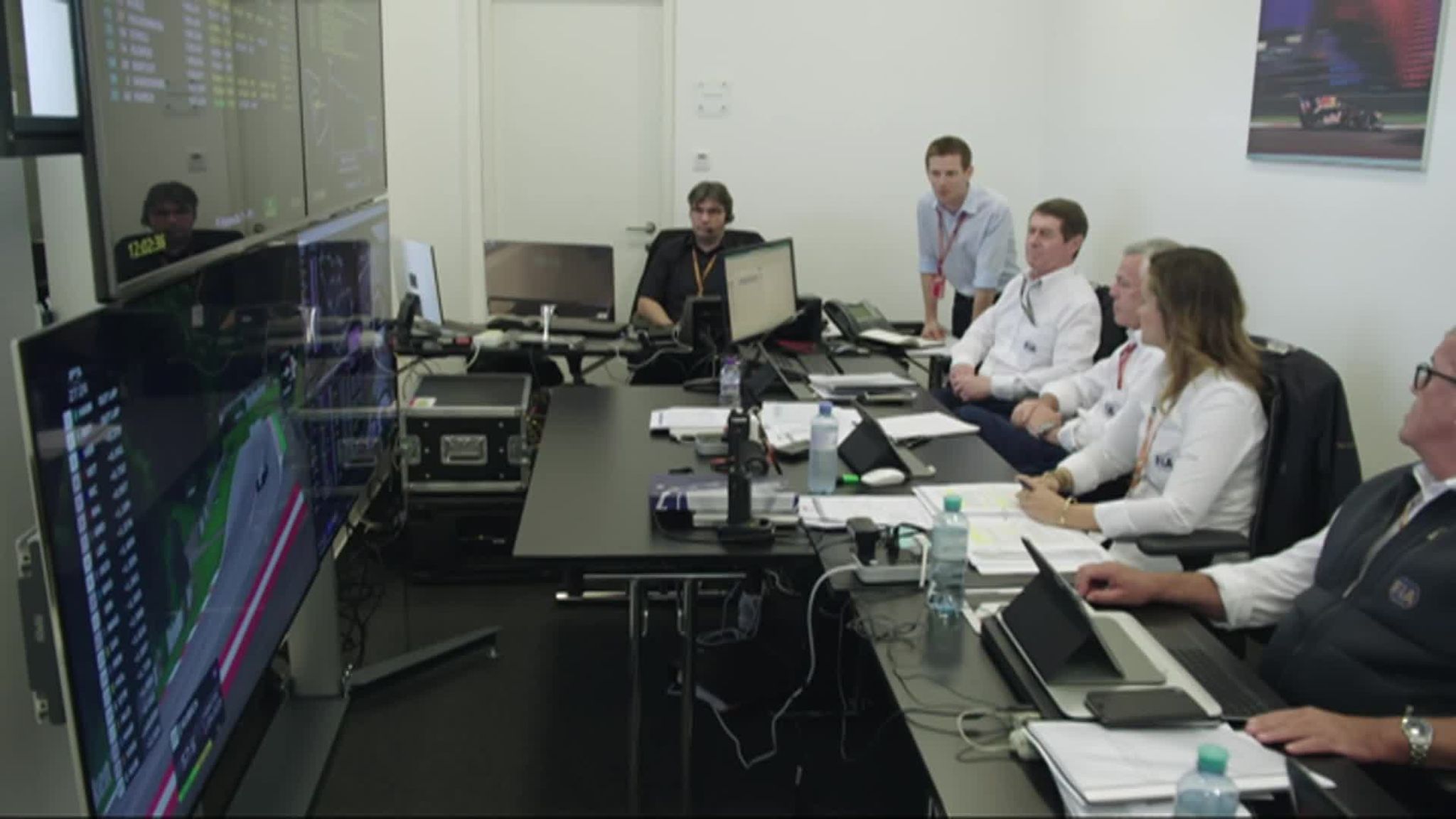
In an era where teams spend hundreds of millions perfecting aerodynamics and power units, the final outcome can hinge on interpretation.
In 2026 and beyond, as regulations grow more complex and margins shrink further, steward influence will only increase.
The irony?
In the most technologically advanced motorsport on Earth, the final verdict often comes down to human judgment in a quiet office.
The Bottom Line
Penalties are not chaos.
They are the invisible boundaries that keep Formula 1 from descending into dangerous anarchy.
They protect drivers.
They enforce fairness.
They uphold credibility.
But until stewarding becomes fully professionalized and standardized, the debate over consistency will never disappear.
Because in Formula 1:
The race doesn’t end at the flag.
It ends when the stewards say it does.