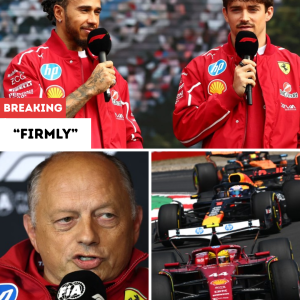
The winter slumber is officially over. After a grueling six days of intense testing in the blazing heat of Bahrain, preceded by a crucial five-day shakedown on the demanding tarmac of Barcelona, the Formula One paddock is buzzing with whispers, accusations, and raw excitement.
As the dust settles over the circuits, the motorsport world is left to decipher a complex web of telemetry, lap times, and disguised performance. Yet, despite the endless variables and the introduction of groundbreaking engineering philosophies across the grid, we emerge from this rigorous testing period with the same two titans dominating the conversation: Ferrari and Mercedes.
However, beneath the surface of these headline names lies a labyrinth of political tension, technical nightmares, and strategic deception that promises to make the upcoming season one of the most explosive and unpredictable in recent memory.
Before diving into the team-by-team breakdown, it is essential to understand the overarching narrative dictated by the latest regulations. The primary takeaway from the accumulated mileage in Bahrain and Barcelona is a double-edged sword.
On one hand, these newly engineered cars are undeniably sharper. In isolation, they look smaller, lighter, and vastly more agile, providing a spectacular visual treat for the purists who long for machines that dance on the edge of adhesion. On the other hand, the persistent ghosts of dirty air and the controversial new battery rules are fueling a massive, paddock-wide debate.
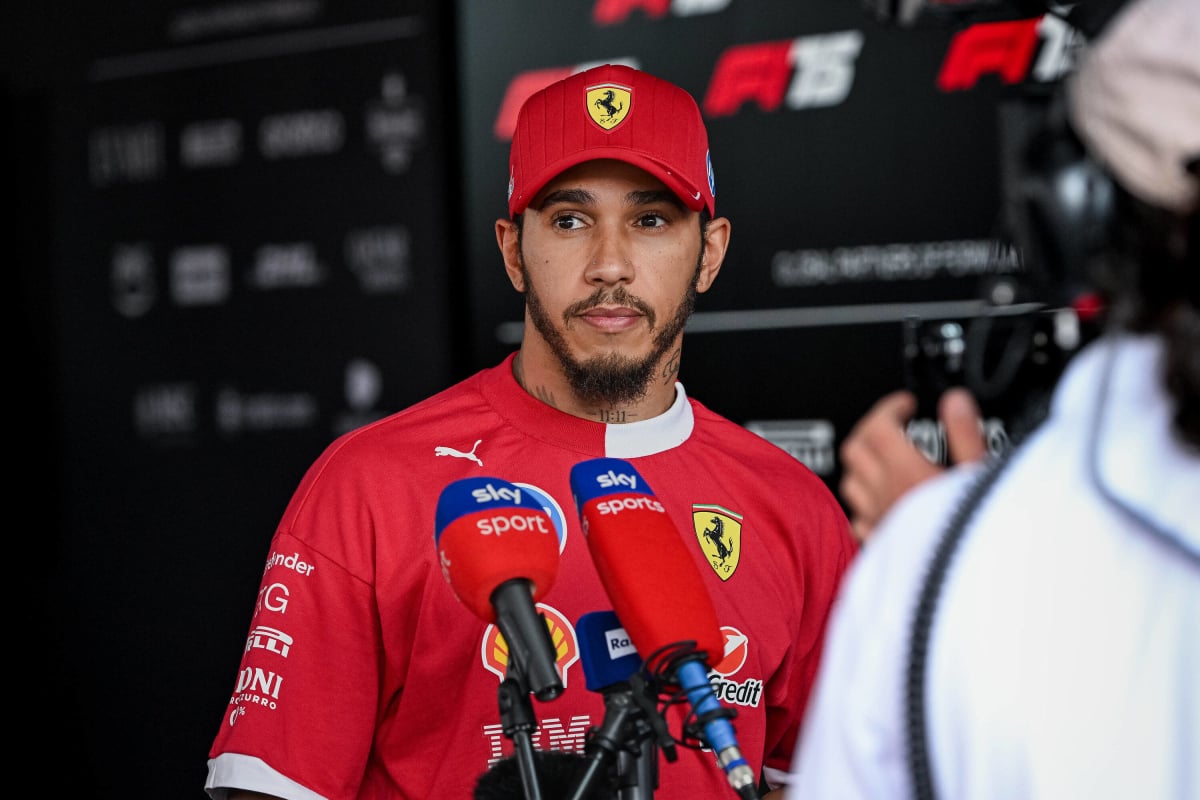
Drivers have not held back in their assessments, with reigning champions like Max Verstappen being particularly blunt about the reality of the situation. The complexities surrounding energy deployment and harvesting fundamentally alter how these cars behave in combat. This is not merely a technical footnote; it is a critical issue when the ultimate goal of the sport is to produce thrilling on-track passes rather than processional trains. The practical takeaway from testing is that some ingenious teams are actively tinkering with battery output during race simulations. They are running lower kilowatt limits in a desperate bid to reduce the relentless need for energy harvesting, theoretically forcing more overtaking opportunities.
However, this engineering gamble has rapidly morphed into a political minefield. If a specific team believes they have successfully unlocked an aerodynamic or systemic advantage in how they manage their energy recovery and deployment, why on earth would they vote to clip those very same parameters to help their rivals? From a fan’s perspective, this creates a strange and fascinating mix on the track. While the cars are mesmerizing to watch during a solo qualifying run, they still get violently upset when plunged into the turbulent wake of a leading car. This aerodynamic instability is especially pronounced through medium-speed corners, where the rear end can suddenly go terrifyingly light if a driver is following half a second behind their target. Consequently, the ongoing conversation about whether the hybrid electrical component will be the magical silver bullet that actually produces genuine overtakes is not just nerdy engineering talk—it is central to determining exactly how much wheel-to-wheel action we will witness this year.
When analyzing the timing sheets, the headline lap times are naturally the first metric that captures the public’s imagination. But in the deceptive theater of pre-season testing, you must also learn to read the tire story. Teams were actively running entirely different rubber compounds, creating a distorted reality where a blistering run on the softer C4 tire versus a standard stint on the harder C3 compound can either hide or wildly exaggerate the performance gaps by up to half a second or more. This brings us to the Scuderia. Ferrari’s big, headline-grabbing lap looked absolutely gorgeous. The iconic red machine appeared totally hooked up, particularly through the notoriously challenging middle sector of the lap, showcasing incredible traction and stability.
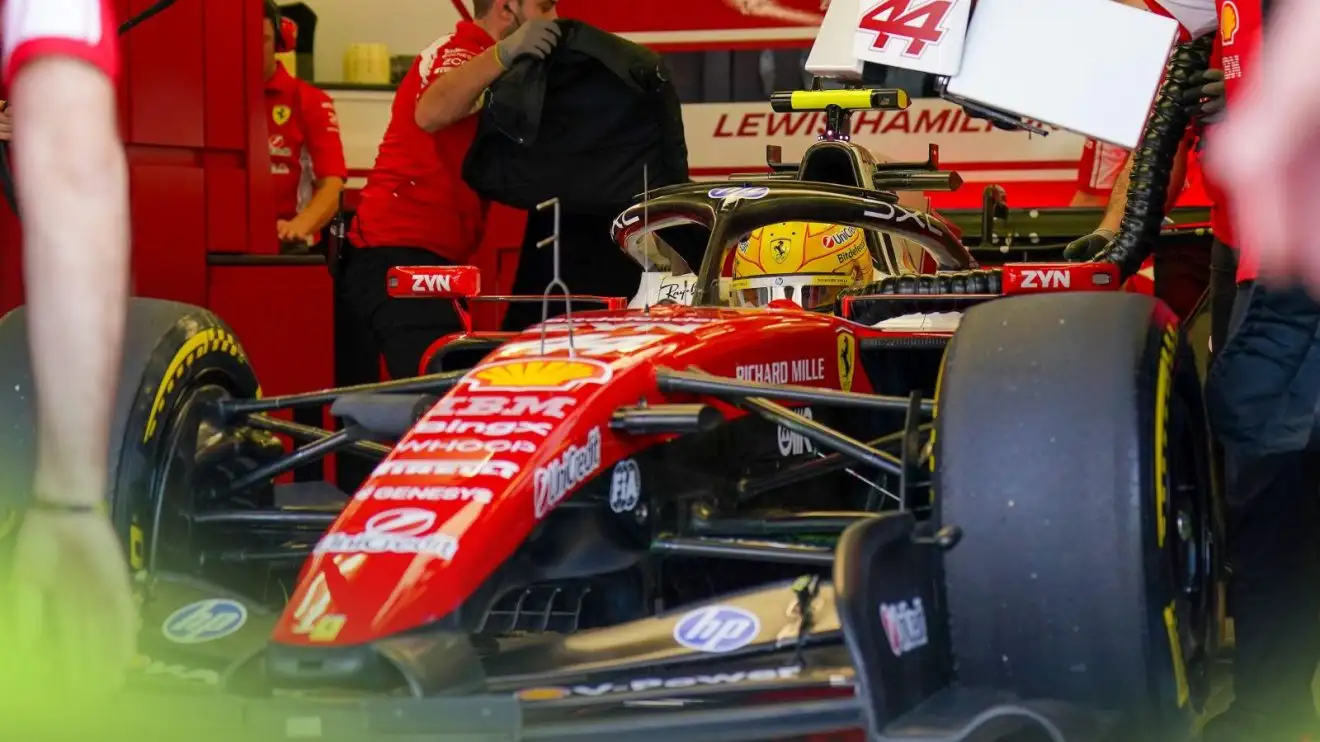
But before the Tifosi begin planning the championship parade, it is vital to remember the context: a softer tire step was actively in play during that spectacular run. While Ferrari dazzled over a single flying lap, their arch-rivals at Mercedes opted for a vastly different, almost psychological approach. Mercedes deliberately avoided the flashy, headline-grabbing glory runs, choosing instead to impress the paddock with something far more terrifying to their competitors: relentless, ultra-consistent long-run pace.
The Silver Arrows did not have a completely flawless test. They were forced to swap power units and battle through a few minor electronic gremlins, raising some eyebrows in the pit lane. Yet, despite these hurdles, their race pace looked ruthlessly steady. Stint after stint, their lap times barely fluctuated. That specific breed of consistency is exactly the edge that counts when the lights go out on Sunday. However, it wasn’t all perfect for Mercedes. The human layer of the sport revealed some fascinating vulnerabilities. Drivers were visibly testing their standing starts and launches, and Mercedes openly admitted their practice starts were less than ideal. George Russell even went as far as to state that some of his test launches were worse than his worst actual race starts in Formula One. In a season where the qualifying gaps might stretch slightly, a poor launch that loses two spots off the line can instantly alter the entire complexion of a Grand Prix.
While the battle at the front is a game of marginal gains and strategic bluffing, further down the pit lane, a full-blown crisis is unfolding. Let us talk about the team that left the testing circuits looking absolutely shell-shocked: Aston Martin. The narrative surrounding the green cars is a stark reminder that sheer lap time means absolutely nothing if the car cannot survive the distance. While Ferrari and Mercedes were effortlessly stacking hundreds of laps and quietly building their operational confidence, Aston Martin was tragically reduced to executing agonizing two-lap runs before being forced to park the car in the garage.
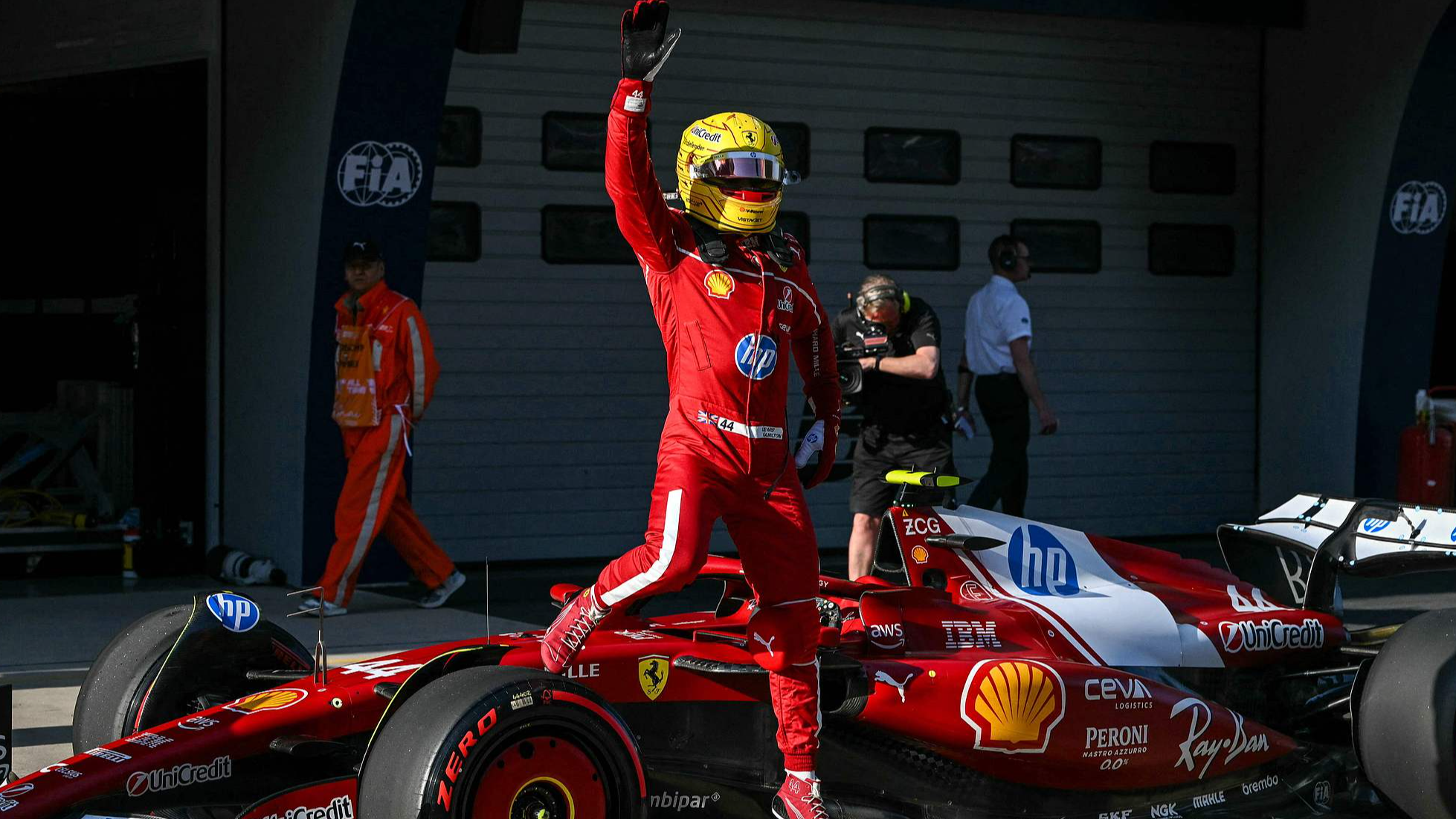
The core issue devastating their pre-season is a catastrophic battery-related power unit problem inextricably linked to their new Honda package. Make no mistake; this is not a minor sensor glitch or a quick software patch. This is the kind of deep-rooted, systemic issue that forces the factory engineers back in Japan to urgently demand the trackside team stop running the car before they burn through their strictly limited allocation of power units. The statistics from testing paint a grim picture. Across the board, most front-running teams were comfortably hitting the 700-lap range per power unit supplier. Mercedes-powered teams racked up close to a staggering 3,000 laps combined. Ferrari-powered teams were well over the 2,000-lap mark. Red Bull’s side of the garage looked characteristically solid as well.
In brutal contrast, Honda, supplying just one team, managed barely half of what their rivals were achieving. On the crucial final day of testing, Aston Martin completed only a handful of laps. That is not a development program; that is pure damage control. The longest meaningful run they managed to string together was barely a partial race simulation. When a team of that magnitude cannot piece together 25 clean laps without the crippling fear of an explosive failure, they are no longer fine-tuning aerodynamic balance—they are simply praying the car sees the checkered flag.
Reliability is rarely glamorous, but in a highly competitive era, finishing races is paramount. If the top four teams manage to separate themselves early in the campaign, a DNF does not just cost valuable championship points; it completely buries team momentum. Aston Martin, armed with massive financial investment, state-of-the-art facilities, and towering ambition, is currently staring at a power unit that cannot even complete a basic test program. The situation is further compounded by the strict financial regulations of the budget cap. Engine suppliers cannot simply keep cycling through expensive hardware without severe consequences. Every blown battery and every emergency component change chips away at their development freedom for the remainder of the season.
Can they fix it before Melbourne? Absolutely. Testing is purposefully designed to brutally expose these exact weaknesses. But there is a massive difference between discovering a minor aerodynamic vibration and realizing that your entire energy store is at critical risk every single time the driver deploys the throttle. One is a matter of optimization; the other is a desperate fight for survival.
Moving away from the crisis, we must address the masters of deception. Testing is not just about who looks fast; it is a high-stakes poker game of who is actively hiding their true potential. The sandbagging conversation currently dominating the paddock is almost as intense as the fierce debate between Ferrari and Mercedes. Red Bull, the reigning masters of the ground-effect era, provided the most fascinating mystery of the weeks. Early in testing, their car hit eye-watering straight-line speeds that sent shivers down the pit lane. Then, suddenly and inexplicably, those top speed numbers dramatically cooled down. In Formula One, that does not happen by accident. It feels highly deliberate.
The sudden drop in velocity strongly suggests that Red Bull’s deployment modes were drastically dialed back by the engineers. When you combine this suspicious behavior with the observation that their car hasn’t looked consistently hooked up through every corner sequence, you start to legitimately wonder whether they are simply refusing to chase headline lap times altogether right now. Mercedes certainly seems convinced that Red Bull has vastly more electrical performance kept hidden in reserve than what has been publicly displayed. When a team as analytically driven as Mercedes starts publicly pointing fingers at a rival’s engine modes, you know they are seeing something deeply concerning hidden within the GPS data traces.
Nestled quietly in the middle of this chaotic psychological warfare sits McLaren. While others played games, McLaren focused heavily on their procedures, and their standing starts improved dramatically during testing. Their launches looked aggressively fast and incredibly clean. As previously mentioned, in a grid where the gaps might widen, a strong launch could completely flip the script heading into turn one. If Ferrari maintains their explosive initial acceleration, and McLaren continues to refine their brilliant launches, the starts alone could define the outcome of the first corner across multiple races this year.
So, what exactly should the world be watching for when the lights finally go out in Melbourne? Because that is the exact moment when the metaphorical sandbags are thrown away, the engine modes are forcefully turned to maximum attack, and the merciless stopwatch finally stops lying. First and foremost, ignore the flashy Q3 qualifying laps and pay close attention to the long-run tire degradation during the race itself. If Mercedes can replicate that ruthless, metronomic consistency over a full Grand Prix distance without needing to panic about their power units, they will make a massive championship statement. Conversely, if Ferrari can successfully marry their explosive traction and spectacular one-lap sharpness with rock-solid stability across fifty-plus laps, they will transform from a spectacular qualifying team into a complete, title-winning juggernaut.
Secondly, keep an eagle eye on the launch off the starting grid. Testing has definitively proven that starts will swing positions dramatically this year. If Mercedes fails to solve their early traction woes, turn one could easily become Ferrari and McLaren territory every single weekend. Finally, tune into the team radios, particularly regarding reliability. If Aston Martin manages to cross the finish line and complete a full race distance without any dramatic failures, that alone will be viewed as a monumental victory for their beleaguered garage. But if they struggle and break down once again, their early-season narrative shifts instantly from a hopeful dark horse to a desperate exercise in damage limitation.
The overarching picture right now suggests a titanic battle at the front between Mercedes and Ferrari, with Red Bull and McLaren lurking dangerously in the shadows, waiting for the perfect moment to strike. Testing is the ultimate illusionist, but Melbourne will be the grand reveal. The true beauty of this precise moment in motorsport history is that, for perhaps the first time in years, we genuinely do not have a clear, undisputed favorite. The sheer unpredictability of the grid is what makes this upcoming season feel vibrantly alive before the first wheel has even been turned in anger. The mind games have intensified, the data has been crunched, and soon, the world will finally know exactly who was bluffing, and who has genuinely built a championship-winning weapon.