The dawn of the 2026 Formula 1 season was supposed to be a monumental reset for the entire grid. Fans and pundits alike anticipated a brilliant blank canvas, a utopian scenario where bold new engineering philosophies would converge to create the most fiercely competitive racing environment in modern history.
We were promised a spectacular shakeup that would give underdog teams a fighting chance and force the reigning giants to reinvent themselves.
However, as the engines fire up and the initial testing data begins to trickle into the paddock, a chilling and incredibly uncomfortable reality is setting in for some of the sport’s most legendary names. Instead of a glorious new chapter filled with unbridled optimism and thrilling battles for the podium, we are actively witnessing a quietly brewing crisis.
The transition to the new regulations has not been the magical equalizer many hoped for; rather, it has exposed brutal vulnerabilities, turning the opening phase of this highly anticipated season into a desperate fight for survival.
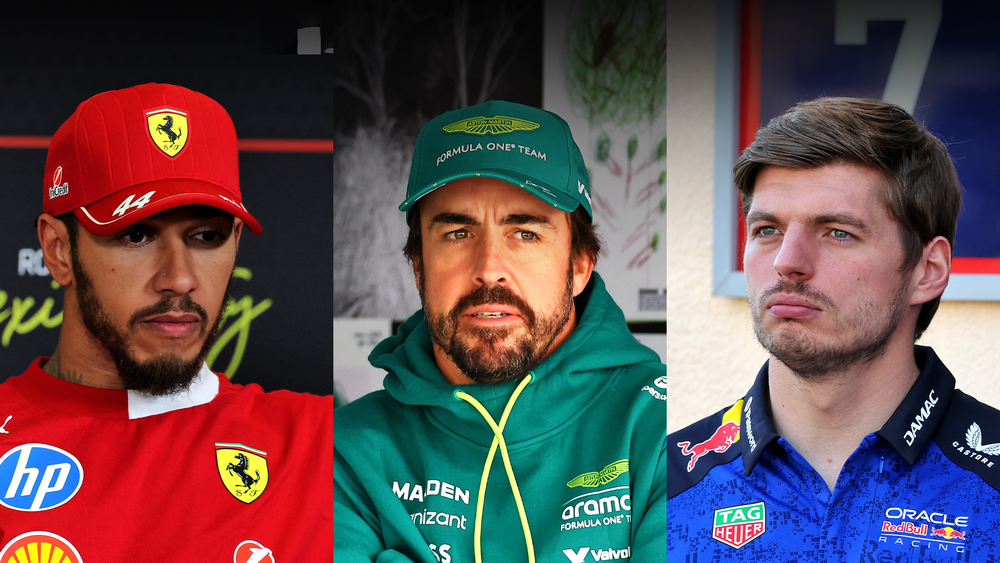
There is perhaps nothing worse for a veteran Formula 1 driver than beginning a brand new technological era already positioned squarely on the defensive. That is exactly the unfortunate predicament Fernando Alonso finds himself in right now. Take a moment to truly process the deep irony of his current situation. After waiting what feels like an absolute lifetime to finally get his hands on a car shaped by a winning philosophy, and after committing the precious final competitive years of his storied career to this immensely hyped Aston Martin project, the early signs are alarming. He heads into the 2026 season not speaking enthusiastically about potential podium finishes or long-awaited race victories, but simply hoping the machinery can make it to the end of the very first race without an embarrassing mechanical drama. That fact alone should make any motorsport fan sit up and pay close attention. We are not talking about a nervous rookie fighting for his place in the sport; we are talking about a relentless, two-time world champion who has built a legendary reputation on dragging fundamentally flawed machinery far beyond its natural physical limits. Yet, the whispers echoing from testing are deeply uncomfortable. Limited running, severe reliability concerns, and an aerodynamic package that looks drastically short on outright performance compared to the leading pack paint a grim picture. This is decidedly not the clean slate Alonso envisioned when he signed his contract. The whole fundamental idea of the 2026 reset was supposed to catapult Aston Martin right into the heart of the championship fight. Instead, it feels horrifyingly like they are already lagging far behind, chasing a moving target. If this scenario sounds painfully familiar, it absolutely should. Complications with past engine partnerships played a deeply painful and frustrating role in Alonso’s earlier career, and the terrifying possibility that similar mechanical struggles could cloud the closing chapter of his time in Formula 1 adds a layer of brutal, heartbreaking symmetry to his extraordinary story. You can already imagine just how remarkably thin his famously short patience might become if significant upgrade packages do not land quickly. Alonso is famously unfazed, brutally honest, and exceptionally sharp. If this highly funded project stalls, he will not stay quiet, making the Aston Martin garage a ticking time bomb of tension.
While Alonso fights his machinery, another titan of the sport is battling the overwhelming weight of expectation. If there is one single driver carrying the heaviest emotional and competitive burden into this new season, it is unquestionably Lewis Hamilton. You can practically feel the immense pressure radiating from the Ferrari garage. A historic, blockbuster move to Ferrari was supposed to be the ultimate late-career statement, the spectacular final chapter where everything perfectly aligned—history, legacy, and one last valiant charge at an unprecedented eighth world championship glory. Instead, the early integration into the legendary Italian squad has not delivered the immediate magic that the entire world expected, and now the pressure is becoming palpably real. Hamilton may have the security of a contract extending beyond this season, but anyone who understands Formula 1 knows that the sport does not operate on paper security; it operates purely on momentum. Right now, momentum is precisely what Hamilton desperately needs to rebuild. There have already been significant adjustments behind the scenes within his dedicated engineering group, which is a clear indicator that the Ferrari management intimately understands they cannot afford to let this partnership drift into mediocrity. What makes this dynamic even more fascinating is how radically different these 2026 cars actually feel compared to the previous generation. The stiffer, heavy ground-effect era never looked like a perfectly natural fit for Hamilton’s famously smooth and precise driving style, particularly on corner entry. However, with these new regulations radically shifting the balance to incorporate more mechanical play and vastly different energy deployment characteristics, there are fleeting signs that he is desperately trying to feel more connected to the asphalt. In testing, you could clearly see him experimenting aggressively, constantly chasing that elusive sweet spot on turn-in, and working relentlessly to unlock a front end that responds exactly how his instincts demand. When Hamilton feels that deep, organic connection with his car, he becomes undeniably dangerous. Still, there is a massive, uncontrollable variable lurking right across the garage: his incredibly fast teammate. Adapting to a difficult car is one thing, but completely outperforming a hungry, entrenched teammate is another challenge entirely. If Hamilton finds himself consistently a half-step behind inside the very same garage, the outside noise from the notoriously ruthless Italian media will grow deafeningly loud. The haunting questions will not just come from the press; they will inevitably begin to creep into his own mind. The opening races are absolutely critical. A strong start will instantly silence the doubters, while a hesitant one will violently fuel the narrative of a heartbreaking decline.
Further down the grid, away from the glaring spotlight of the championship battle, a different, quieter kind of intense pressure is brewing in the midfield. This is the kind of pressure that can completely redefine a promising career before most casual fans even notice what is happening. Take Oscar Piastri, for example. After narrowly missing out on capitalizing on the massive momentum he brilliantly built not so long ago, the entire racing community rightfully expected him to charge into this new era completely ready to strike at the front of the pack. However, early data suggests that this massive regulation shift might not be perfectly aligned with his natural driving strengths. The highly complex new cars demand an incredibly precise level of energy management from the driver, and they have a distinct tendency to slide significantly more, especially in the slower, more technical corners where mechanical grip and supreme confidence on a moving rear end become absolutely critical to maintaining lap time. Late last season, we already witnessed fleeting moments where extracting maximum grip in those specific, unstable conditions wasn’t always his strongest attribute. Now, imagine that specific vulnerability being heavily amplified across an exhausting, globe-trotting campaign. This certainly does not mean a driver of his elite caliber cannot adapt, but if the opening string of races clearly shows his teammate looking immediately more comfortable and extracting more pace from the identical machinery, a very dangerous narrative will form rapidly. In the fast-paced world of Formula 1, narratives are incredibly powerful and remarkably difficult to shake off once they take hold.

Similarly, the situation down at Williams presents a totally different kind of deep, structural stress. Choosing the right development project at the right precise moment is everything in this ruthless sport. When a driver commits to a rebuilding team, it is a massive gamble on an upward trajectory. If that car hits the track to start the season significantly overweight, severely lacking aerodynamic balance, and constantly struggling to operate within a consistent, predictable setup window, that career bet suddenly feels terrifyingly risky. An overweight car is not just a simple lap time deficit on a spreadsheet; it fundamentally limits how engineers can distribute vital ballast, how the driver can optimize delicate tire usage, and how confidently one can attack high-speed corners. Drivers desperately trying to compensate for these inherent flaws often end up significantly overdriving the car, which inevitably leads to costly mistakes and drastically magnifies the public scrutiny on their performance.
Yet, perhaps the most fascinating and consequential dilemma of the entire 2026 grid belongs to the man at the very top: Max Verstappen. When discussing the reigning champion, the conversation is rarely about his raw, generational ability—that aspect remains entirely unquestioned. What makes this specific season so utterly intriguing is absolutely everything happening around him. Red Bull has bravely entered this daunting new era having boldly built its very own proprietary power unit, stepping into completely unknown technological territory with immense public confidence. However, corporate confidence does not automatically translate into on-track dominance. If the new Red Bull challenger starts the year as the third or fourth best package instead of the undisputed benchmark, it violently alters Verstappen’s entire emotional landscape. Watching Verstappen viciously fight for minor points and podium scraps instead of effortlessly controlling races from the front presents a completely different psychological equation. This is where the situation gets incredibly deep. Verstappen has already been highly vocal and refreshingly honest about his profound dislike for certain modern directions the sport has aggressively taken. He openly despises the heavy reliance on intricate energy management, the expanding, exhausting global calendar, the controversial sprint race formats, and the increasing reliance on tight street circuits. Even if he remains entirely capable of dragging the car to victory, the defining question becomes whether he actually enjoys the highly compromised manner in which he now has to win. Motivation at that elite, historic level isn’t just about collecting more trophies; it is about pure alignment with the pure essence of racing. If a generational driver feels profoundly disconnected from the fundamental philosophy of the sport, even continued success can begin to feel incredibly hollow. When someone of Verstappen’s incredible caliber begins casually hinting that other forms of motorsport, such as classic endurance events, hold a stronger appeal than the traditional Formula 1 bubble, the entire paddock must take notice. This season could very quietly but definitively shape exactly how long he truly sees himself staying in this high-pressure environment.
Ultimately, the 2026 Formula 1 season is shaping up to be far more than just a battle of new engineering concepts. It is rapidly becoming a profound psychological battlefield where the greatest drivers of our generation are being pushed to their absolute limits, fighting not just for world championships, but to fiercely protect their hard-earned legacies from a sudden, unexpected collapse.