Melbourne has always been a city of dramatic sporting theater, but this weekend, it transforms into a ruthless crucible. The Australian Grand Prix is no longer just the curtain-raiser for a new Formula 1 season; it is the exact moment where the deeply complex, entirely mysterious, and utterly unforgiving face of the 2026 regulations will finally be exposed to the world. For weeks, the global motorsport community has been fed a steady diet of perfectly calculated lies.
The misleading aerodynamic packages deployed during preseason testing, the blatant strategic sandbagging sessions, and the bulky, decoy sidepods explicitly used to lure rival engineering teams into false computer simulations are officially relics of the past. Today, as the engines roar to life around the sun-drenched asphalt of Albert Park, a single, piercing question echoes through every single corner of the paddock: who actually did their homework better, and who successfully deceived their rivals with a multi-million dollar technical illusion?
The development war this year is going to be genuinely insane. Raw straight-line speed alone will not be enough to secure a World Championship in this volatile new era. We are entering a landscape where metallurgical reliability, hyper-advanced active aero intelligence, and sheer strategic cunning will entirely define who lifts the trophy.
While some teams are currently wrestling with terrifying twenty-kilogram weight surpluses that threaten to anchor their cars to the tarmac, others are desperately struggling to manage the magical 350 kilowatts of newly mandated hybrid power without triggering catastrophic, race-ending battery failures. The balance of power is shifting violently, and 2026 officially starts right now.

At the very front of the grid, Ferrari has officially unleashed its much-feared, highly classified Spec 3 package upon the Melbourne paddock, sending a profound shockwave through rival garages. The bulky, awkward sidepods we witnessed during the test sessions in Sakhir have been abruptly replaced by the tightest, most aggressively shrunk rear-end packaging in the modern history of Formula 1. Every single square inch of carbon fiber has been millimetrically sculpted to perfectly suit Lewis Hamilton’s famously precise driving style. But the true, terrifying technological revolution is hidden deep internally. In a radical departure from its rivals’ stubborn reliance on traditional aluminum, Ferrari has masterfully pivoted to using steel alloy cylinder heads. This groundbreaking technology allows for violent combustion pressures exceeding 250 bar and generates incredible thermal efficiency. Because of this, Ferrari is capable of running cooling radiators that are a staggering twenty percent smaller than the rest of the competition, drastically reducing aerodynamic drag.
Furthermore, Maranello has introduced an ingenious exhaust wing trick located directly behind the tailpipe. This highly controversial device deliberately redirects searing exhaust gases directly toward the rear wing, potentially yielding a staggering half-a-second per lap advantage in raw cornering stability. Having recently emerged victorious from a grueling, six-week legal battle with the FIA over the legality of this specific component, Ferrari currently stands as the most technically prepared, aggressively designed, and utterly uncopyable team on the entire grid. Make no mistake: Lewis Hamilton’s revenge map is now fully operational, and he possesses a weapon capable of ending Ferrari’s agonizing twenty-year title drought.
However, they will have to overcome the sheer, terrifying brute force of Mercedes. During preseason testing, the Silver Arrows deliberately kept their engine maps firmly restricted to the lowest, safest mode settings possible. But here in Melbourne, they are absolutely ready to unleash the beast. Explosive telemetry leaks confirm that the new Mercedes power unit is violently churning out a raw 420 kilowatts—well over 570 horsepower—thanks in part to the newly certified Petronas sustainable fuels. However, this massive, unadulterated power output brings with it a colossal thermal load that threatens to melt the car from the inside out. To combat this, Mercedes engineers have arrived with three completely distinct aerodynamic packages featuring various aggressive cooling gills stretched across the sidepods and engine cover, allowing them to rapidly adapt to Melbourne’s notoriously unpredictable seaside weather.
Team Principal Toto Wolff has not only built a rocket ship; he has also engineered a brilliant political trap. His recent maneuvering regarding engine testing regulations politically cornered his rivals, demonstrating perfectly that Mercedes fully intends to win this championship not just on the racing track, but at the administrative table. While Mercedes remains the absolute, undeniable favorite for blistering straight-line speed down the DRS zones, the critical question remains: to what extent will this extreme thermal load eventually handicap their overall aero package and delicate battery reliability? It is the greatest technical mystery of the Melbourne weekend.
While Ferrari and Mercedes prepare for a clash of the titans, a full-blown, disastrous blame game has completely engulfed Aston Martin, and this internal chaos is directly reflected in their heavily compromised Melbourne package. The dream of a championship-contending works team is currently tearing itself apart. Legendary designer Adrian Newey’s boundary-pushing, hyper-aggressive packaging has violently collided with the physical realities of the new Honda power unit. Abnormal, violent vibrations radiating from the engine are quite literally shaking the delicate battery pack apart. The highly anticipated upgrade package brought to Melbourne this weekend isn’t about gaining crucial lap time; it is strictly a survival package.
Newey’s stubborn insistence on a complex, two-level battery layout has triggered a severe resonance issue that might make it completely impossible for the car to physically survive more than ten laps bouncing across Melbourne’s notoriously bumpy sectors. The heavily revised specification that Fernando Alonso recently teased to the media likely consists of massive, aerodynamically inefficient cooling inlets ripped open to prevent a total thermal meltdown, alongside heavy, cumbersome extra ballast desperately bolted on for vibration damping. If the green cars can even manage to see the checkered flag in one piece this Sunday, it will ironically stand as the most significant, painfully failed victory of the season for the Newey and Honda partnership.
Meanwhile, the reigning champions are facing a crisis of their own. McLaren has arrived in Melbourne with unfinished homework. Team Principal Andrea Stella honestly confirmed that the MCL40 chassis is still significantly over the mandated weight limit. Consequently, their highly anticipated Melbourne package focuses almost entirely on desperate weight-shedding tactics—introducing lighter composite material changes and heavily hollowed-out suspension components—rather than the radical aerodynamic winglets their fans were hoping for. For McLaren, the absolute priority right now is not a microscopic aerodynamic upgrade; it is frantically shedding ten kilograms of excess bulk just to gain raw, mechanical lap time. Utilizing the latest, hyper-powerful Mercedes engine maps provides them with a desperate lifeline on the long straights, but realistically matching the raw, agile pace of Ferrari and Mercedes in the hunt for the podium looks extremely difficult. McLaren remains the paddock’s most brutally honest team, openly admitting they are currently the third or even fourth fastest team on the grid. They are strategically saving their development budget for a massive mid-season counterattack. For now, Melbourne will be a grueling race of damage control and desperate data harvesting. A podium finish will likely only be possible if their bitter rivals blunder catastrophically.
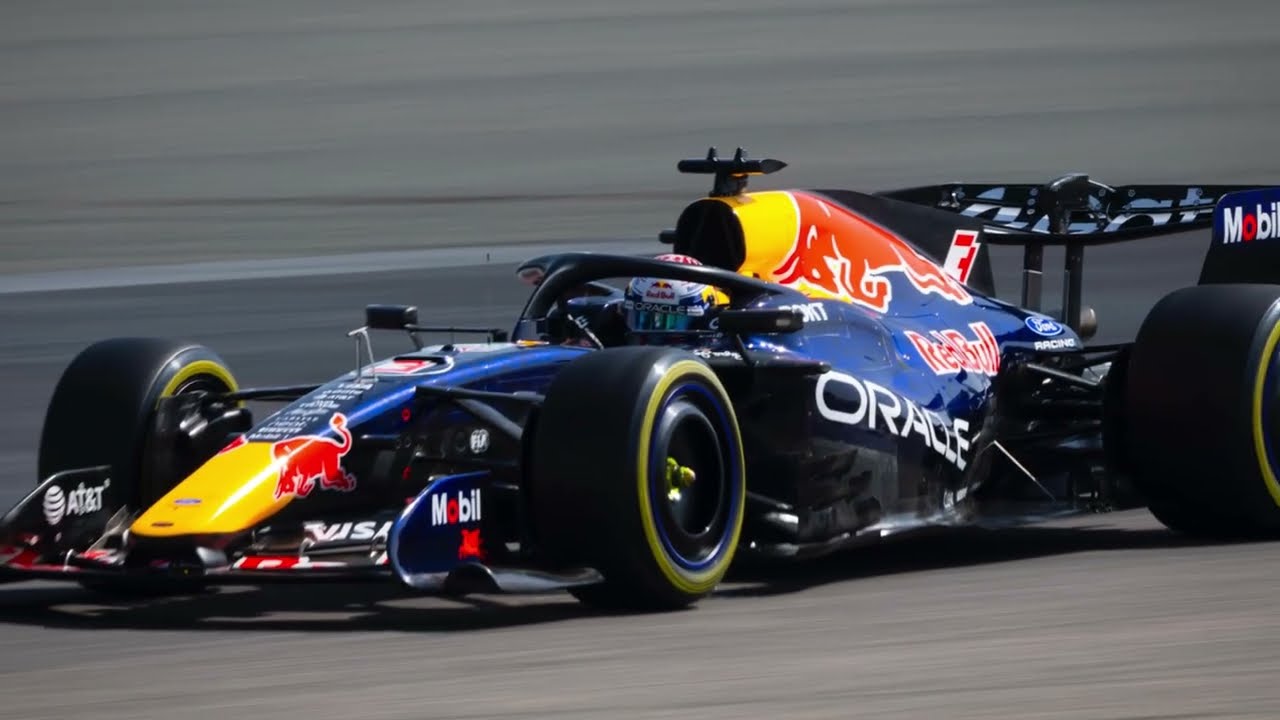
Quietly operating in the shadows of this immense drama is Red Bull Racing. They are officially replacing their relatively simple, heavily sandbagged testing facade with a far more aggressive and aerodynamically complex front wing design. While reigning World Champion Max Verstappen tries to lull the entire paddock to sleep by casually claiming the car feels exactly the same, crucial paddock leaks suggest otherwise. The new front wing brilliantly spreads aerodynamic loading across a much wider working window, significantly enhancing the ground effect efficiency of the entire floor. Specifically, the tight coke bottle shape on the rear engine cover has been meticulously optimized against Melbourne’s notoriously fluctuating crosswinds, and brand new vortex generators have been aggressively bolted on to accelerate underfloor airflow.
Red Bull is directly countering Ferrari’s clever exhaust trick with their own radical underfloor revisions. Even more terrifying for the rest of the grid are Max Verstappen’s long-run race simulations. They remain terrifyingly, metronomically consistent, proving beyond a shadow of a doubt that the RB22’s greatest overarching strength isn’t just raw, single-lap qualifying speed, but a flawless, incredibly gentle race trim and an unparalleled tire preservation capacity.
Further down the grid, the situation is incredibly grim. For historic outfits like Williams and Alpine, the trip to Melbourne will feel less like a motor race and more like a brutal weight loss camp. The Williams chassis is reportedly a massive twenty kilograms overweight, a staggering deficit that could instantly turn their drivers into vulnerable sitting ducks throughout Albert Park’s slow, highly technical third sector. The massive Mercedes power boost bolted into the back of the car is the only thing keeping them remotely viable on the straits. Williams will not be bringing any performance-enhancing upgrades for the first four races of the season; instead, they are focused purely on shedding weight gram by agonizing gram by completely recalculating their carbon fiber layups. Alpine, while finally gaining some much-needed engine muscle, remains the paddock’s most incomplete team in terms of sophisticated chassis and aero detail. Both iconic brands will severely struggle to climb toward the upper midfield and grab any points, meaning this could be a very long, painful weekend.
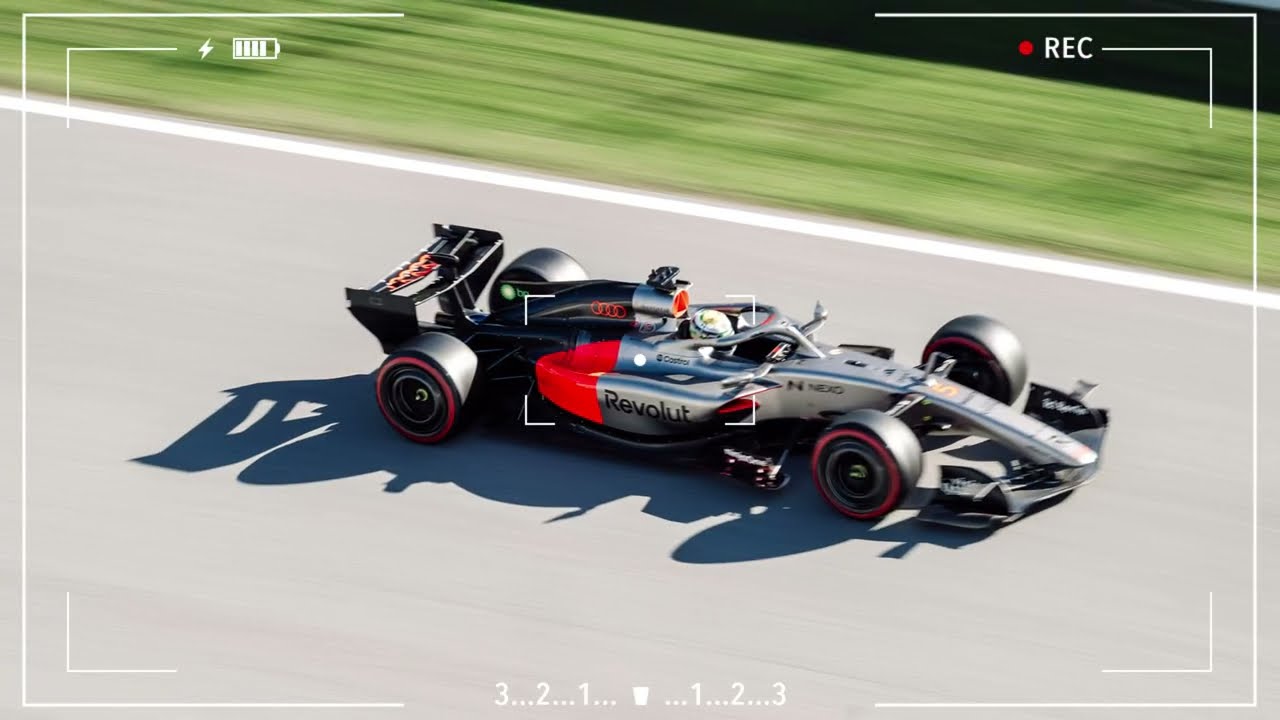
Adding to the intrigue are the grid’s newest mysteries. The Cadillac Andretti team, running the Mac 26 chassis as a beautiful tribute to the legendary Mario Andretti, remains the paddock’s biggest puzzle box. Aerodynamically, the car is undeniably one of the most basic, rudimentary designs on the grid. However, when paired directly with the screaming Ferrari power unit, they have shown shocking straight-line speed. For them, Melbourne will not be a competitive show; it will act as a high-speed reliability laboratory. Meanwhile, Audi is quietly reinforcing its unique vertical sidepod design from testing with new underfloor updates. Audi is smartly playing it safe for now, prioritizing simply seeing the checkered flag over raw pace, but their quiet, well-funded development plan has the immense potential to completely rock the paddock by mid-season.
When those five iconic red lights finally extinguish over the Albert Park straight, the ephemeral fog of preseason testing speculation, those calculated political bluffs, and the intricate aerodynamic illusions designed to maliciously mislead the competition will vanish instantly. They will be immediately replaced by a raw, ruthless, and thunderously loud reality that only a season opener can provide. We are standing directly on the precipice of a defining moment in modern motorsport history. The conversation is just getting started, the technological stakes have never been higher, and the 2026 title fight has officially begun.