If you can already feel the electric tension in the air, you are not alone. The season-opening Formula 1 race in Melbourne has all the necessary ingredients to go completely off the rails, and the anticipation is reaching a fever pitch. We are not just talking about the standard first-race nerves that naturally accompany the start of any new sporting campaign.
We are talking about genuine, unfiltered, and deeply unpredictable chaos. As the pinnacle of motorsport enters a brand-new technical era, nobody truly knows what is coming when the lights go out at the Albert Park Circuit.
The 2026 season brings with it a wave of radical new regulations that have fundamentally altered the DNA of the cars. We are looking at brand-new power units, heavy battery deployment concerns, and significantly reduced fuel loads.
When you combine these experimental, highly complex engineering shifts with an unforgiving street circuit that brutally punishes even the smallest miscalculation, you have a recipe for pure volatility. You simply could not script a more precarious and fascinating combination if you tried.
Think about the sheer scale of the fuel reduction for a moment. The cars are now mandated to carry just 75 liters of fuel, a steep drop from the previous 90-liter capacity. This single regulatory change alters the entire landscape of modern racing. Drivers can no longer simply lean on raw, unadulterated pace. The days of pushing the pedal to the metal from lights out to the checkered flag are officially over. Instead, these world-class athletes have to transform into high-speed energy accountants. They must manage their energy deployment with absolute perfection. They are forced to constantly calculate battery harvesting, deciding precisely when it is safe to attack an opponent and when it is necessary to defend their track position. If a driver pushes too early in the race, they risk leaving themselves completely exposed and vulnerable in the closing laps. Around the notoriously tight confines of Albert Park—a track where overtaking has never been a simple task—this intricate energy management adds a suffocating layer of tension. If passing turns out to be even harder than analysts expect, the qualifying sessions and the immediate race start could very well dictate the entire outcome of the weekend.
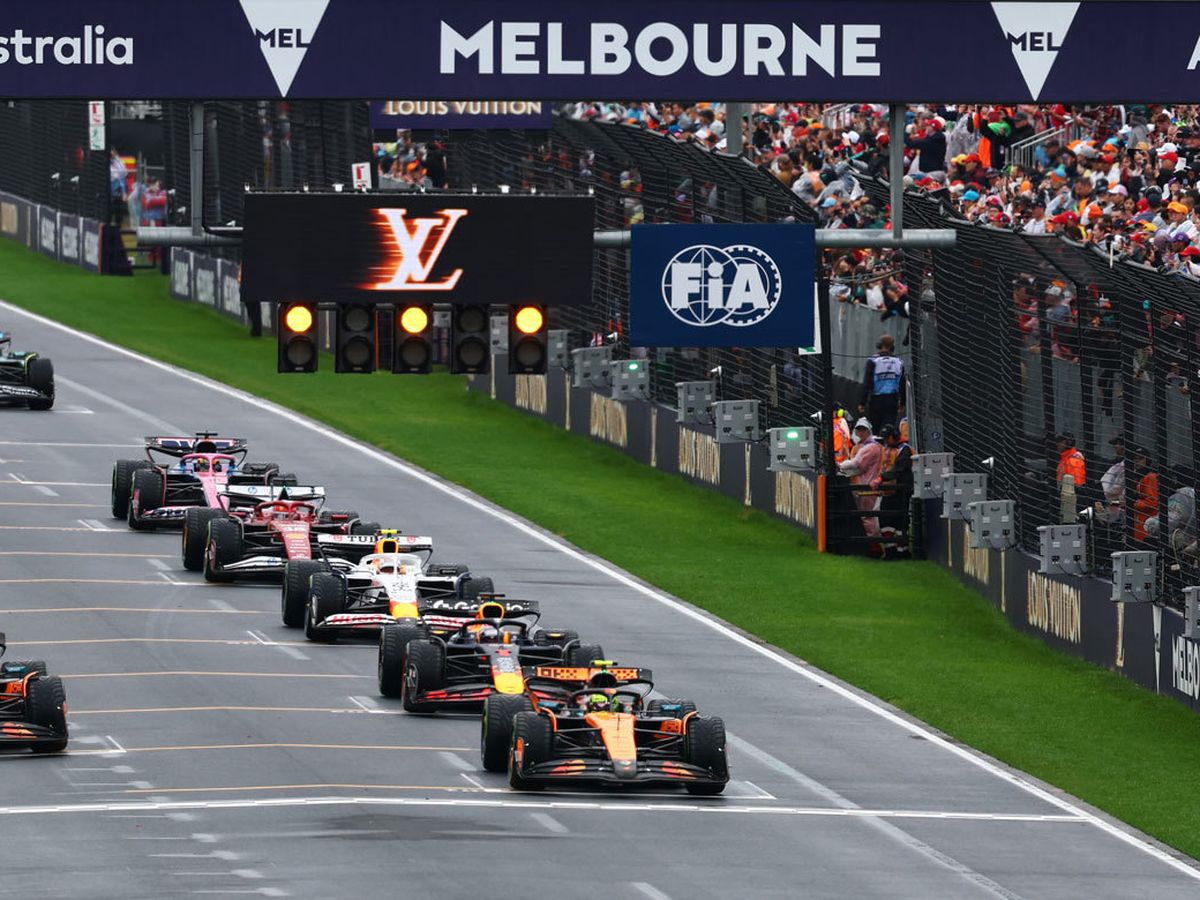
Speaking of the start, the initial launch off the grid could descend into absolute madness. The sport has introduced a brand-new blue light system designed to signal engine revolution buildup before the ultimate launch. Drivers are now required to get their engines spinning high enough before the complex turbo systems kick in properly. During pre-season testing, observers noted that drivers were forced to rev their engines for several agonizing seconds before taking off for practice starts. This mandatory delay flings the door wide open to human hesitation. Picture the scene: the lights go out, one driver drastically mistimes the new sequence, another bogs down entirely, and someone else reacts just half a second too slowly. Suddenly, the notoriously tight Turn One transforms into a terrifying bottleneck of shattered carbon fiber and broken championship dreams. Conversely, imagine a team like Ferrari—who famously nailed their launch procedures during winter testing—qualifying in the second row. If they manage to flawlessly execute the new blue light system and jump into the lead by the very first corner, a track that restricts overtaking could mean the race is effectively over before the second lap even begins. That is exactly how razor-thin the margins are in this daunting new era.
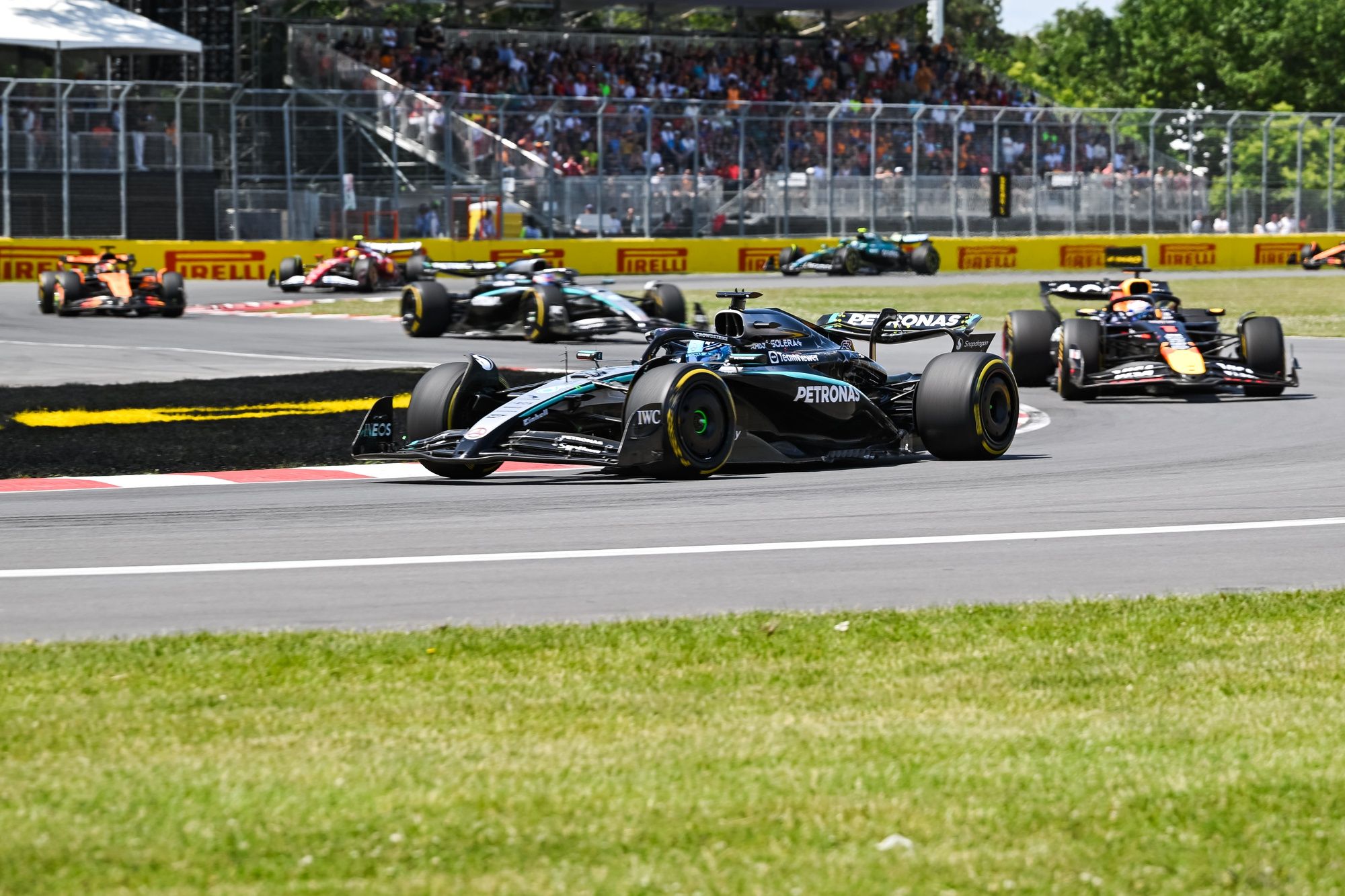
Perhaps the most terrifying reality hanging over the paddock is a staggering statistic from winter testing: not a single team on the grid has managed to complete a full, uninterrupted 58-lap race simulation under true, hostile race conditions. Not one. With the introduction of entirely new power units, massive new electrical energy demands, and severely restricted fuel allowances, mechanical reliability remains a giant, looming unknown. It would not be remotely surprising to witness multiple catastrophic breakdowns throughout the grid. When engines begin to smoke and cars pull over to the barriers, the inevitable result is the deployment of the safety car or even the waving of a red flag. When a red flag compresses the field and bunches the pack back up under these brand-new regulations, that is exactly when strategic gambles become wildly unpredictable. A midfield car that had been conservatively managing its battery energy all afternoon could suddenly find itself within striking distance of the race leaders. It is precisely this kind of unscripted randomness that transforms standard season openers into legendary, unforgettable spectacles.
While some teams are simply hoping to survive the weekend, others are already looking like they are in serious, critical trouble before the race even begins. Let’s talk about the garage that should probably be the most nervous heading into Melbourne: Aston Martin. If pre-season testing revealed anything at all, it is that Aston Martin is not just slightly off the pace; they are significantly and frighteningly behind. While front-running teams were busy stacking up hundreds of laps and refining their intimate understanding of these complex new power units, Aston Martin managed to complete barely a fraction of the mileage achieved by heavyweights like Mercedes. In fact, they completed less than a quarter of the laps. That is not just a minor developmental deficit—that is a mountainous void of missing data. In a season where precise energy deployment, efficient battery harvesting, and overall fuel economy could decide everything, track time is absolute gold. Every single lap a team fails to complete is another unanswered question haunting their engineers. To make matters worse, their car was clocking in at roughly three seconds off the fastest pace during testing. Three seconds in the world of modern Formula 1 is an absolute eternity. It is the vast, echoing canyon between fighting at the front of the pack and barely escaping elimination in the first round of qualifying. While the 107% rule exists to prevent dangerously slow cars from taking the start, realistically, Aston Martin would need to be around six seconds off the pace for that safety measure to be enforced. They will almost certainly make the grid, but the real, burning question is whether they will survive the brutal 58-lap distance.
Beyond the deeply concerning technical mysteries and the fragile machines, there is a distinctly human element that makes the Melbourne Grand Prix even more explosive. We are talking about home heroes, nervous rookies, warring teammates, and immense reputational pressure. One driver in particular is about to feel the crushing weight of an entire city pressing down upon his shoulders. Picture the reality of lining up on the starting grid in Melbourne. The grandstands are packed to the absolute brim, the noise of the crowd is building to a deafening roar, and you are not just another competitor—you are the hometown hero. This is the daunting reality for Oscar Piastri. Melbourne is his city, his home turf. The roar of the crowd will be noticeably louder for him than for anyone else on the grid. That specific brand of emotional support is a double-edged sword; it can beautifully lift you to new heights, or it can utterly suffocate you. When local expectations explode, the psychological pressure multiplies exponentially. Every single practice lap he turns will be meticulously analyzed, and every frantic radio message will be heavily dissected by the media. If he manages to qualify on the front row, the atmosphere around the circuit will be nothing short of electric. But if a mechanical issue strikes or a mistake is made early on, you will be able to feel one hundred thousand heartbeats drop at the exact same moment. That violent emotional swing is something that simply cannot be simulated in a controlled testing environment.

Piastri is far from the only driver under a blinding microscope this weekend. Rookie Arvid Lindblad is arriving at the circuit for his very first race weekend in Formula 1. It does not matter how naturally talented or prepared you are; the reality of your first premier class start hits entirely differently. The formation lap will feel agonizingly long, the starting lights will seem blindingly bright, and the heart rate will spike to dangerous levels. One tiny, almost imperceptible mistake heading into Turn One, and a highly anticipated debut instantly becomes a viral headline for all the wrong reasons. The paddock has seen this exact scenario play out before—fans will easily recall Isaac Hadjar failing to make it past the second corner during his own disastrous first outing last season. That lingering memory does not fade easily. All eyes will be locked onto Lindblad, waiting to see if he remains composed or if the immense pressure forces a critical error the moment the clutch drops.
Furthermore, the environment in which these drivers operate is becoming increasingly intense. The famous Melbourne Walk remains one of the greatest places in the world for passionate fans to get up close and personal with their favorite drivers, but the sheer scale of the crowds gathering for a brief glimpse is unprecedented. The global popularity of the sport is absolutely surging, which inadvertently shrinks privacy, increases security demands, and makes raw focus much harder to maintain. This phenomenon is heavily amplified by the massive global spotlight generated by the Netflix phenomenon, Drive to Survive. When a new season drops, old storylines aggressively resurface, bitter rivalries are reignited in the public eye, and the media begins asking much sharper, more pointed questions during press conferences. Drivers are no longer just athletes racing cars; they are actively managing complex public narratives.
Finally, the sheer scale of this event cannot be overstated. With new international broadcast deals—including a massive shift in the United States where American fans will be tuning in through Apple TV’s entirely new coverage presentation—Formula 1 is capturing a rapidly expanding global audience. Furthermore, with powerhouse names like Cadillac actively preparing to enter the sport, the commercial momentum is staggering. Melbourne could very well push toward record-breaking attendance territory with expanded fan zones and massive international travel. All of this incredible tension, technical uncertainty, and human drama is set against the backdrop of Melbourne’s notoriously fickle weather, famously known for delivering four distinct seasons in a single day. A sudden, unexpected downpour on a grid full of untested, fragile cars managing delicate battery loads could flip the entire competitive order in an instant. This is not just another race on the calendar. This is a defining, chaotic leap into the great unknown, and the entire world is watching.