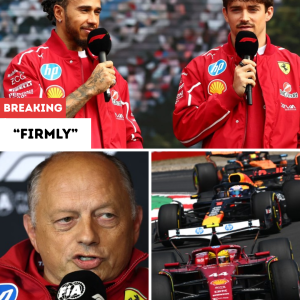
Something unusual is happening around Maranello, and the entire Formula 1 world can feel the shift in the atmosphere. When news begins to leak from the hallowed halls of Ferrari, it never arrives quietly; it spreads through the paddock like wildfire, fueled by whispers in the garages, late-night phone calls between journalists, and fans refreshing their feeds with bated breath.
The message emerging ahead of the Melbourne Grand Prix is simple yet electrifying: Ferrari might finally be ready to fight for the world championship again. However, behind the potential cheers lies a darker story of immense pressure, psychological tolls, and a technical gamble that could redefine the sport.
Working for Ferrari is unlike any other job in motorsport. For millions of fans, particularly in Italy, Ferrari is not just a racing team; it is the national team, a fundamental part of their identity. The sea of Rosso Corsa at Monza and the deafening roar of the Tifosi are legendary, but they mask a painful reality. The Scuderia hasn’t secured a championship title since 2008.
That is nearly two decades of heartbreak and “next year” promises. Every season that passes without a trophy makes the weight of the Ferrari badge heavier, creating a pressure cooker environment that can crush even the most seasoned professionals.
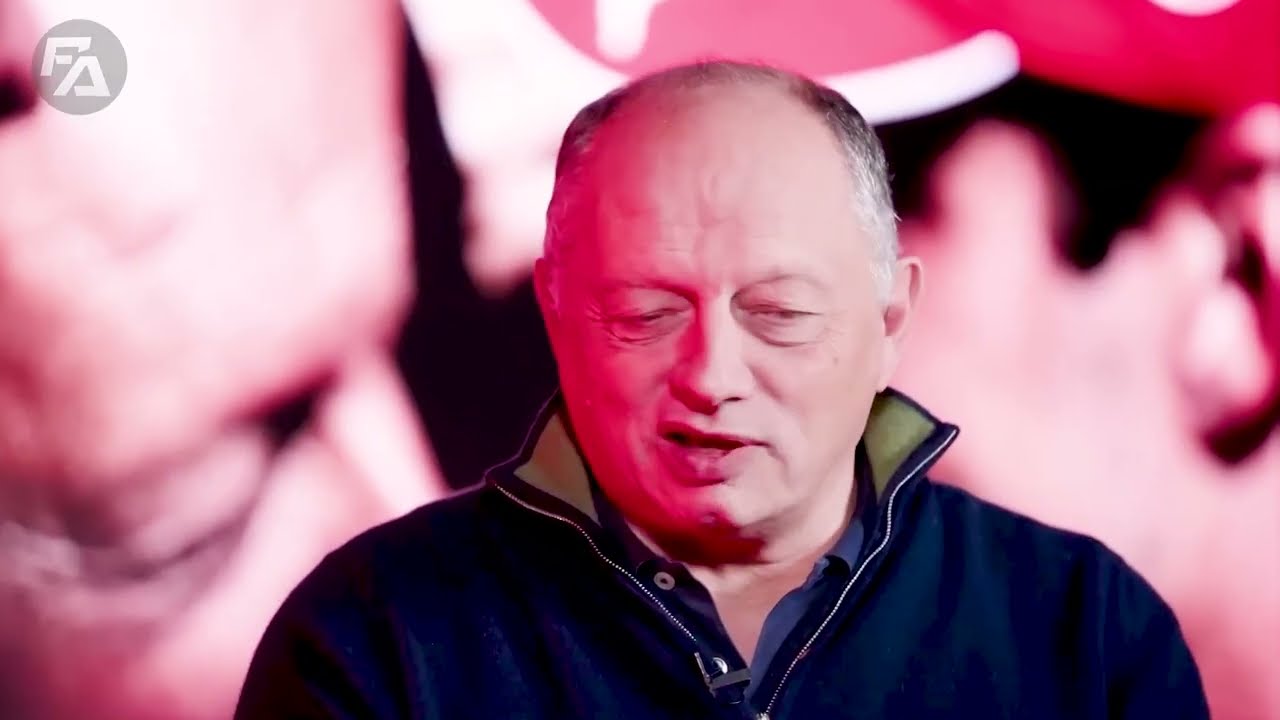
At the center of this storm stands Fred Vasseur, the man who took the reins as Team Principal in 2023. Vasseur has had to adapt to a unique reality where the spotlight never turns off. While he remains stoic, claiming his age and experience protect him from the media circus, he recently revealed the devastating impact these rumors have on the team’s rank and file. “It doesn’t concern me personally,” Vasseur explained , “but you have to consider that we have many people in the team—engineers who are often very young.”
The human cost of the “Ferrari Rumor Mill” is staggering. Vasseur shared a poignant anecdote about an engineer who walked into his office in a state of distress because his wife had read a report claiming he was about to be fired . This “toxic dynamic” is the baggage Ferrari carries into every new era, but this time, the noise outside is being drowned out by the roar of an engine that sounds like a winner.
The true shock arrived during pre-season testing. As Formula 1 prepares for the massive 2026 regulation changes—featuring new engines and a heavy reliance on electrical power—many feared the cars would become “embarrassingly slow,” perhaps even drifting toward Formula 2 pace. However, the SF26 has defied those grim predictions. Charles Leclerc clocked a lap of 1:31.992 in Bahrain, only 2.5 seconds slower than the previous year’s fastest times . Vasseur noted that the F1 DNA is to complain about everything, but the reality on track has been a “positive surprise” for the Scuderia.

The speed is one thing, but the ingenuity is another. When the covers finally came off the SF26, rival engineers weren’t just curious; they were confused. Ferrari has moved away from the conservative, “play it safe” mentality that has plagued them for a decade. The paddock’s attention was immediately seized by a radical rear wing design that appears to flip the traditional understanding of airflow . By essentially inverting how the wing interacts with air, Ferrari aims to eliminate drag on straights while maintaining rock-solid stability in the corners—a “Holy Grail” of aerodynamics.
Furthermore, the car features a mysterious “FTM”—a small fin mounted near the exhaust pipe . While it looks insignificant to the untrained eye, it is part of a sophisticated system designed to use exhaust gases to improve airflow and maximize energy recovery. This aggressive exploration of the technical regulations marks a turning point for the team. “You have to explore the technical regulations, be aggressive, and push to the limit,” Vasseur stated, signaling a departure from the defensive posture of years past .
Perhaps most intriguing are the “hidden areas” Vasseur hinted at. While the paddock gossips about the visible wings and fins, the Team Principal suggested that the most significant innovations are buried deep within the suspension, cooling systems, and the internal architecture of the power unit. This “hidden” development has sent analysts into detective mode, wondering if Ferrari has found a loophole that could leave Red Bull and Mercedes in the dust.
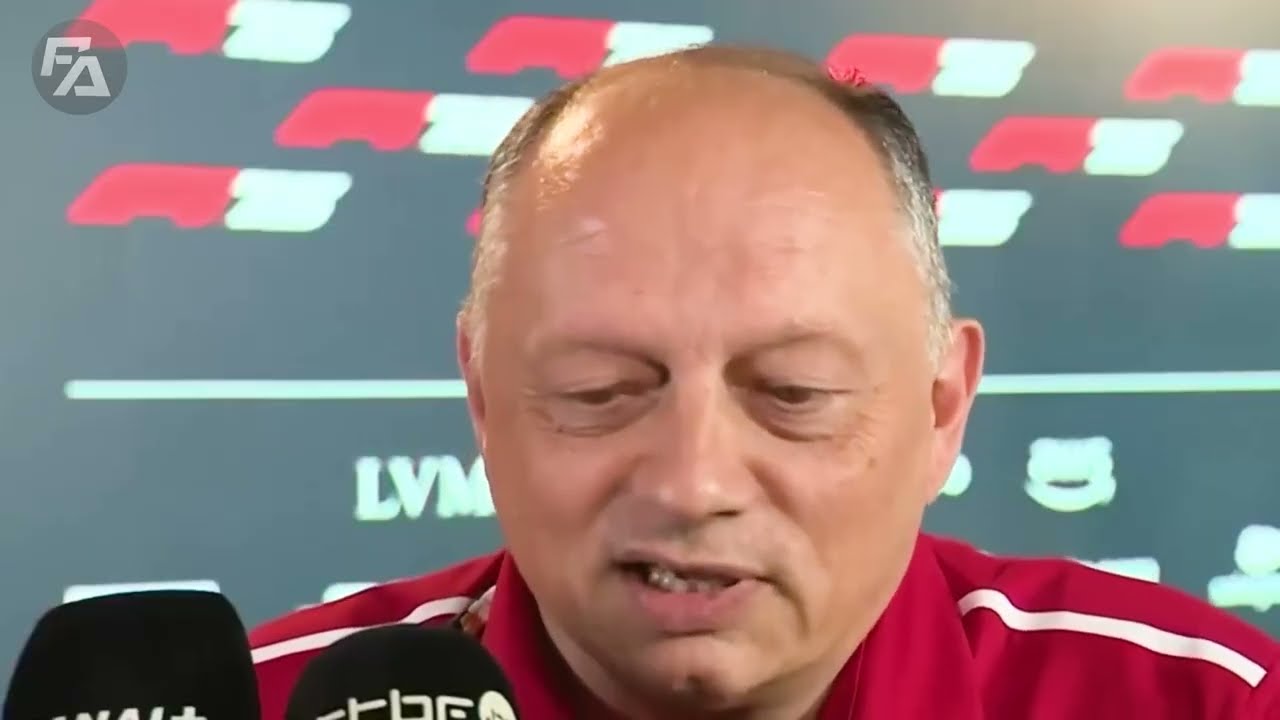
In a masterstroke of political and technical maneuvering, Ferrari has also changed its relationship with the FIA. In the past, teams would often bring “genius” ideas to the track only to have them banned immediately, wasting millions of dollars. To prevent this, Vasseur has maintained an open, “day-one” dialogue with the FIA to ensure every radical update remains within the rules . By being transparent about their aggression, Ferrari is attempting to bulletproof their innovations against mid-season protests from rivals.
As the grid prepares for the season opener in Australia, the air is thick with cautious excitement. We have seen “Winter Champions” from Maranello before—cars that looked fast in February but faded by May due to strategy blunders or reliability failures. But the SF26 feels different. It is a car built by a team that is no longer afraid to fail, led by a man who is protecting his staff from the external chaos while demanding technical bravery.
If the whispers coming out of the Italian factory are even half true, the long-suffering Tifosi might finally have a reason to celebrate. The SF26 isn’t just a car; it’s a statement. Ferrari has stopped looking in the rearview mirror at their glorious past and has finally started focused on the finish line of the future. The red resurrection is no longer just a dream; it’s on the track, it’s fast, and it’s ready to reclaim the throne.