The roar of the 2026 Formula 1 season was supposed to signal a glorious new dawn for the pinnacle of motorsport. It was promised to be an era of sustainability, technological brilliance, and hair-raising competition. Instead, as the dust settles on the opening round in Melbourne, the sport finds itself staring into a regulatory abyss.
The new regulations, designed to split power 50/50 between internal combustion and electrical energy, have not just stumbled—they have triggered a full-blown technical and political crisis that has drivers, teams, and fans demanding immediate intervention.
For months leading up to the season opener, whispers of discontent echoed through the paddock. During winter testing, technical officials and team principals held closed-door meetings where the quiet admission was made: the energy rules might not work.
But no one truly understood the scale of the failure until the cars hit the Albert Park circuit. What played out in front of 80 million viewers was not a Grand Prix; it was a “battery lottery” that left the reigning world champion calling these the worst cars ever built.
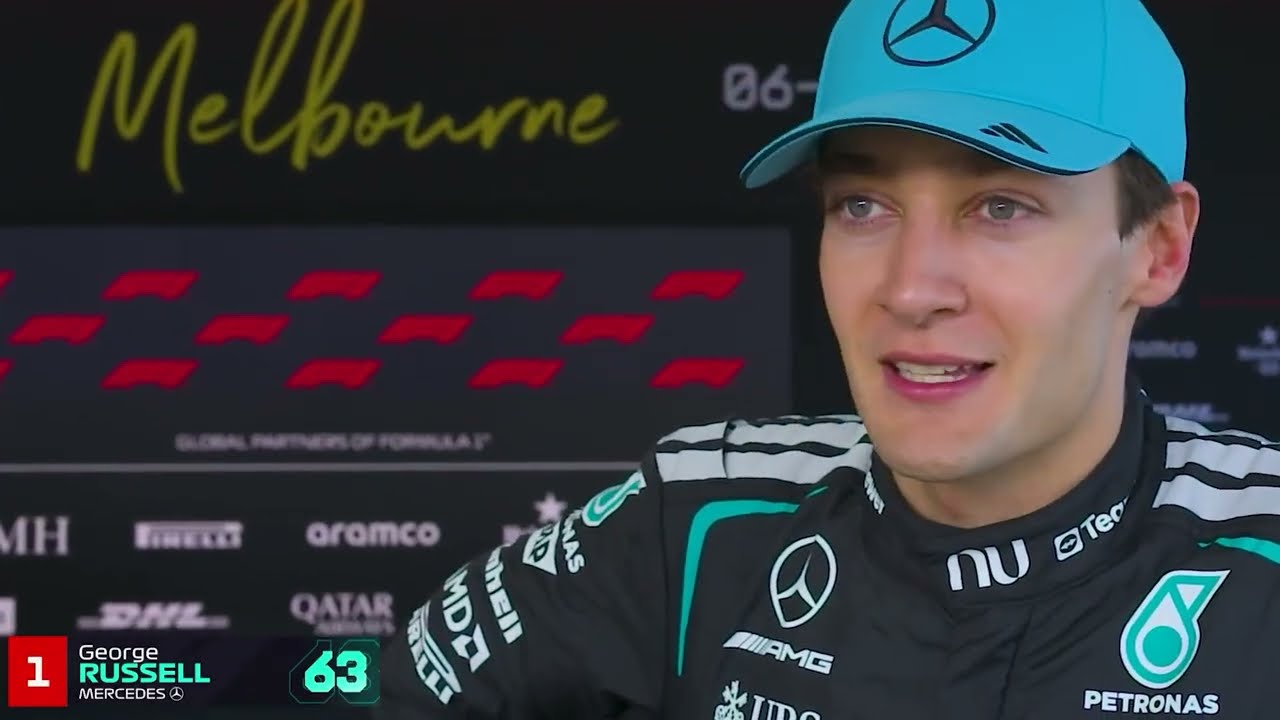
The data from Melbourne is staggering. The 2026 generation of cars was a massive 3.3 seconds slower per lap than their 2025 predecessors. In a world where engineers celebrate gaining a thousandth of a second, a three-second regression is catastrophic. These are intended to be the fastest single-seaters on the planet, yet they have become meaningfully slower overnight. The culprit is a phenomenon now known as the “energy cliff.” Because the cars rely so heavily on electrical deployment, they frequently run out of charge mid-straight. Onboard cameras captured the telemetry bars bouncing between full and empty, with drivers forced to lift off the throttle hundreds of meters before braking zones just to claw back enough energy to survive the next lap.
The resulting “racing” was a hollow imitation of what fans expect. While 120 overtakes were recorded—triple the number from the previous year—those who watched the race knew the truth. These weren’t overtakes born of bravery or late-braking maneuvers; they were battery cycles. A Mercedes would pass a Ferrari not because of superior racecraft, but because the Ferrari’s battery was depleted. A lap later, the roles would reverse as the Mercedes fell off its own energy cliff. It looked like high-stakes combat on the highlight reels, but it felt like watching two smartphones take turns dying on the same charger.
The driver backlash has been swift and merciless. The reigning world champion, known for his blunt honesty, sat in a state of stunned silence when asked if he enjoyed anything about the new cars before calling them the worst in history. He flagged a genuine safety concern that has the FIA on high alert: speed differentials. When one car has a full charge and another is “harvesting,” the speed difference on a straight can be as high as 50 km/h. “When someone hits someone at that speed difference, you are going to fly,” he warned. Meanwhile, a two-time champion noted that iconic corners once taken flat-out are now 50 km/h slower because drivers are forced to lift and coast. His verdict? “The chef can drive the car at that speed.”
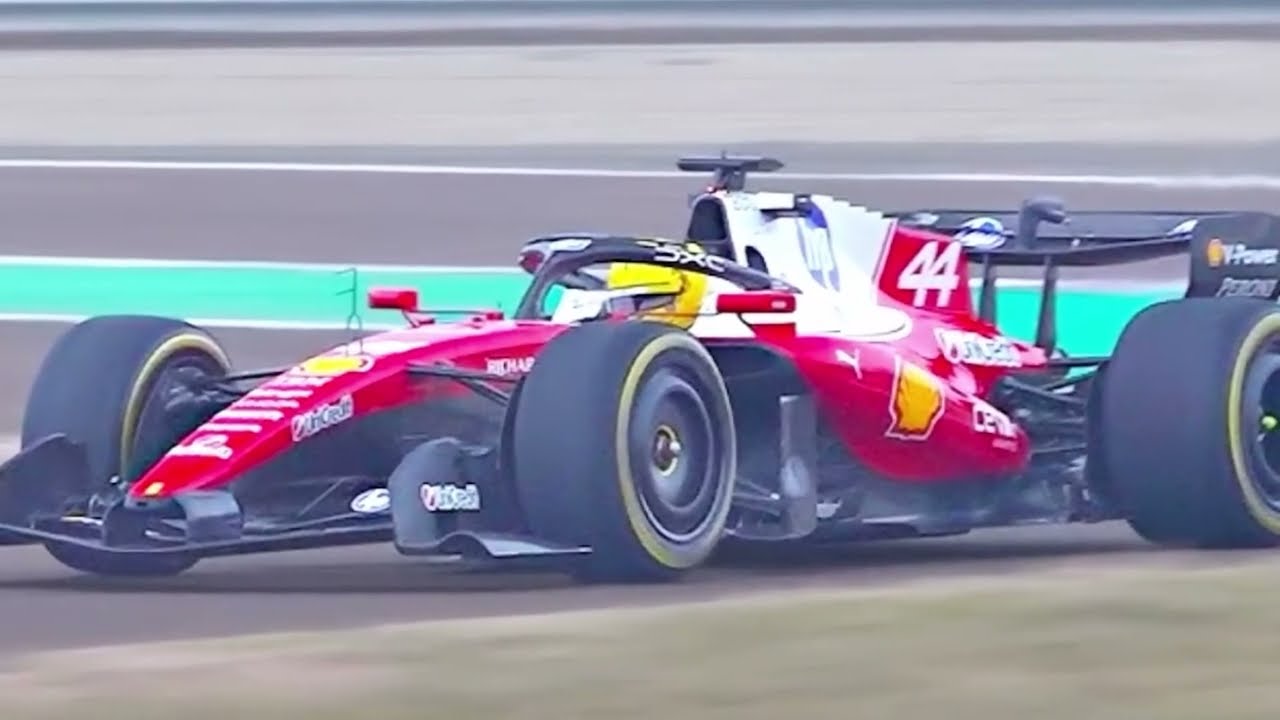
However, the most shocking revelation came the day after the race. Nicholas Tombazis, the FIA’s single-seater director, confirmed that the governing body has “aces up its sleeve.” In a move that has sparked intense debate, it was revealed that the FIA had backup plans ready before the season even started. They deliberately held them back to avoid appearing panicked, choosing to let the Melbourne disaster play out rather than making a “knee-jerk” reaction. Now, the sport faces a brutal deadline. With the formal review set for this Saturday in Shanghai, the FIA is preparing to pull the trigger on a series of emergency software patches and regulation shifts.
The first and most likely fix is a concept known as “Option A”: raising the “super clipping” limit from 250 kW to 350 kW. Super clipping allows the electric motor to harvest energy while the driver remains at full throttle. This is crucial because the new active aerodynamics—the “Macarena wings”—automatically add drag the moment a driver lifts off to harvest energy normally. By increasing super clipping, drivers can refill their batteries without the massive drag penalty of lifting and coasting. McLaren has already tested this configuration with the FIA’s blessing, finding that while it doesn’t necessarily improve lap times, it makes the cars feel more like real racing machines.
But Option A may not be enough. The FIA is also considering “Option B,” which involves a significant reduction in total electrical deployment. By capping the boost at 250 kW instead of 350 kW, the battery would last longer, and the “energy cliff” would vanish. The trade-off is a bitter pill for the sport’s marketing department: the cars would get even slower, and the core promise of the 2026 era—that electric power would contribute half of the total output—would effectively collapse.
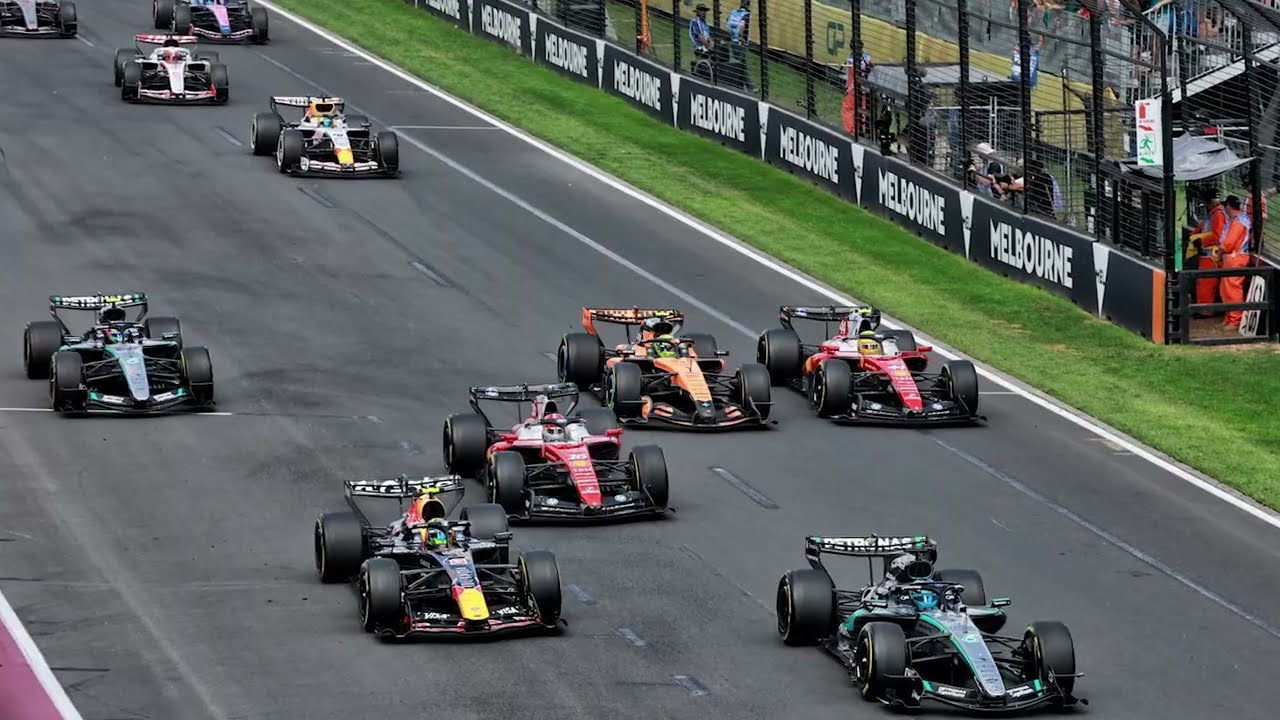
Then there is “Option C,” the nuclear option. This would involve increasing the fuel flow limits for the internal combustion engine to compensate for the electrical shortfall. It is a move that contradicts the sustainability message of the 2026 regulations and would require hardware changes that teams would need weeks to validate. No one wants to go here, but if the racing in Shanghai doesn’t show a marked improvement, the structural levers of the sport may be the only things left to pull.
In a bizarre twist of fate, the FIA has been handed a “gift” of time. Due to geopolitical instability in the Middle East, the Bahrain and Saudi Arabian Grands Prix have been cancelled, creating a massive five-week gap in the calendar between Japan and Miami. This window has become the most important stretch of the 2026 season. Without the weekly pressure of racing, engineers and regulators will have thirty-five days to sort out a proper technical package. This “breathing space” could be the only thing that saves the 2026 philosophy from a total implosion.
The pressure on the upcoming Chinese Grand Prix is immense. Shanghai is no longer just the second race of the year; it is the ultimate evidence-gathering event. Its circuit profile, featuring heavy braking zones and a lower full-throttle percentage than Melbourne, should—in theory—make the energy recovery problem look less severe. If the racing in China looks normal, the FIA may stick to a conservative software patch for the Japanese Grand Prix. But if the cars are still hitting the energy cliff on Shanghai’s massive back straight, the paddock conversations will shift toward deeper, more painful surgery.
Formula 1 has always been a sport of evolution, but the 2026 crisis feels different. It is a clash between a brilliant-on-paper philosophy and the harsh reality of 20 cars hitting a real racetrack at 300 km/h. The most decorated drivers on the grid sound resigned, and that resignation sends a signal the FIA cannot ignore. As we head into the Shanghai weekend, the future of the sport hangs on a series of software codes and technical compromises. The “aces” are on the table, the deadline is set, and the world is watching to see if Formula 1 can reclaim its identity before the fans—and the drivers—check out for good.