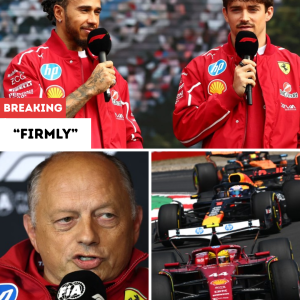
The long-awaited day of judgment has finally arrived. After years of technical debates, simulator leaks, and skepticism, the 2026 Formula 1 regulations have moved from the drawing board to the asphalt of Albert Park. The Australian Grand Prix served as the inaugural battleground for a new generation of cars defined by a radical 50/50 power split between combustion and electricity.
What we witnessed was a weekend that can only be described as a volatile cocktail of “hope and chaos”—a race that proved the new era is as thrilling as it is deeply flawed. While the spectacle on Sunday delivered genuine racing excitement, the underlying technical issues, particularly in qualifying, have left the paddock divided and the FIA facing a mountain of questions.
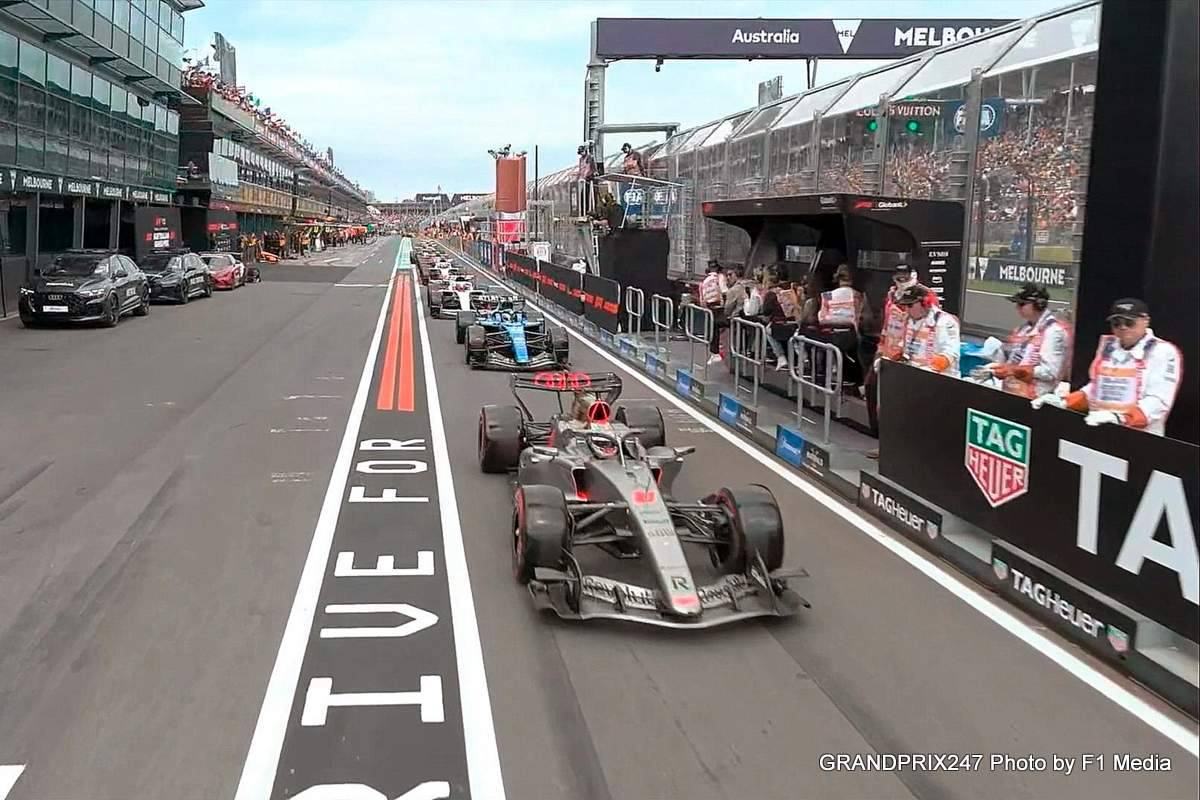
The narrative of the weekend was set long before the lights went out, but it was the race start that truly exposed the “dodgy” nature of these new machines. For months, teams have struggled with the complex start procedures required to spool up the new turbos and manage battery deployment. In Melbourne, the tension reached a breaking point.
Pole-sitter George Russell and his Mercedes teammate Kimi Antonelli found themselves in a nightmare scenario: their batteries were essentially empty as they sat on the grid. This catastrophic lack of electrical deployment allowed Charles Leclerc, starting from fourth, to launch like a rocket. In a display of pure Ferrari aggression, Leclerc didn’t just overtake the Mercedes duo; he practically sailed past them before they had even reached the first braking zone.
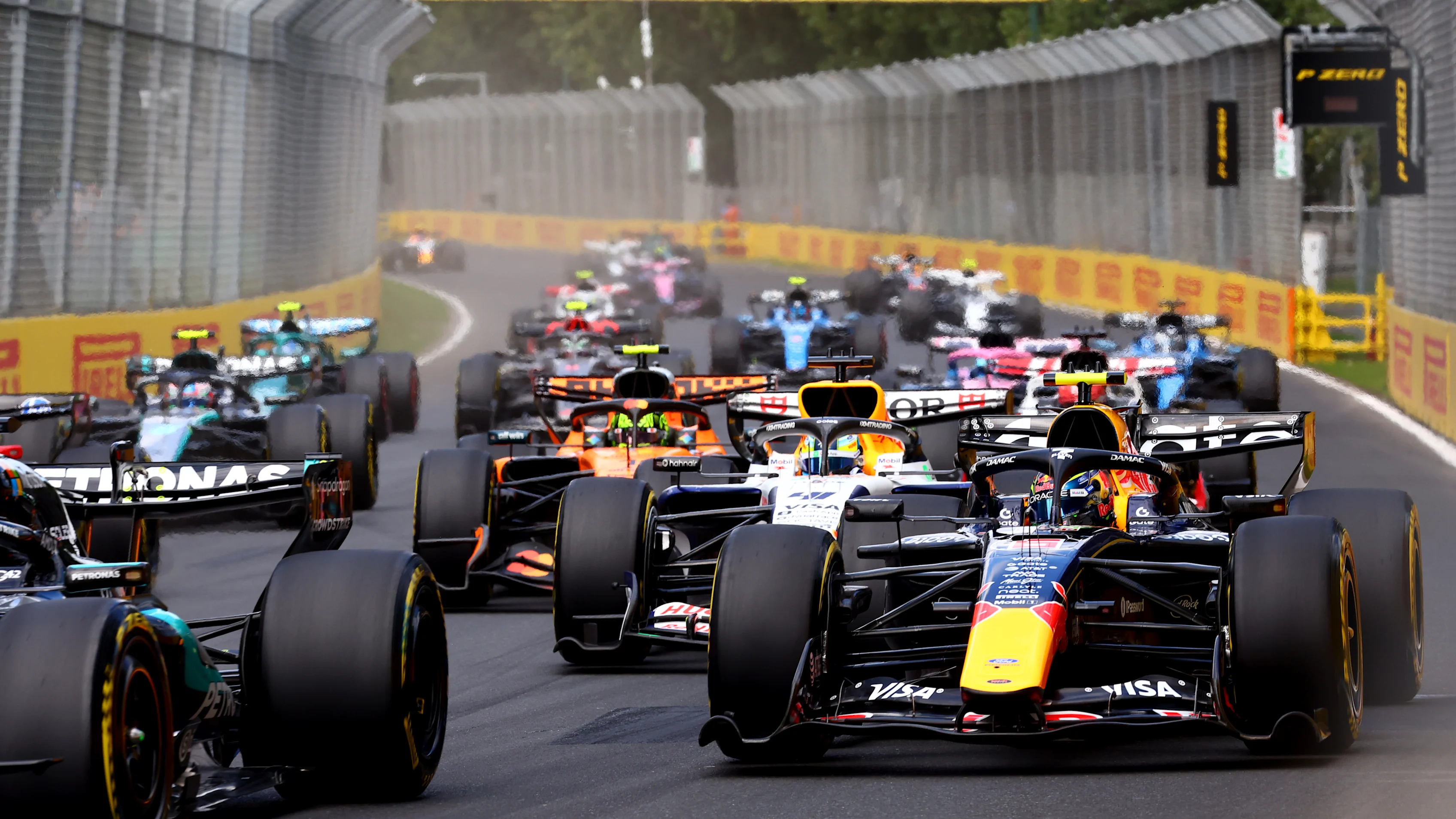
However, this disparity in start performance created a terrifying safety hazard further down the pack. With some cars bogging down and others launching with full electrical boost, the speed differentials were massive. We came inches away from a season-ending tragedy as Liam Lawson’s slow-moving car was nearly pulverized by Franco Colapinto, with Sergio Perez caught in the resulting wake. While some argue that this unpredictability is “part of the sport,” the near-misses in Melbourne suggest that the current start procedure is an “inexact science” that is playing with fire. Formula 1 has always been dangerous, but there is a fine line between “iconic racing starts” and a avoidable multi-car pile-up at 200 mph.
Once the race settled into a rhythm, the much-debated “overtake mode”—already dubbed the “mushroom boost” by fans and drivers alike—came into full effect. The Mario Kart comparisons are hard to ignore; drivers now possess a literal boost button that provides a surge of electrical power, but at a heavy cost to their battery reserves later in the lap. Surprisingly, this “manufactured” element produced some of the most engaging racing seen in years. Albert Park, a track traditionally criticized for its lack of overtaking opportunities, suddenly became a wide-open playground. We saw moves into Turn 1, Turn 3, and the high-speed Turn 9—corners that were previously considered “impossible” for passing.
The accessibility of the track was a direct result of the cars being able to follow much closer in sections like Sector 3, which was a notorious “dirty air” trap in the previous ground-effect era. Even more promising was the pace at the front. While Mercedes had dominated qualifying, the actual race pace was remarkably consistent between the top four teams. Ferrari, despite their “typical” strategic blunder of failing to pit twice under the Virtual Safety Car, proved they have the raw speed to challenge for the title. Lewis Hamilton, in his first official outing for the Scuderia, was arguably the most impressive veteran on track, showing a level of consistency and speed that suggested the seven-time champion has lost none of his fire.
But if the race provided “hope,” qualifying provided the “chaos.” The sight of the world’s fastest cars losing up to 60 km/h on the straights to recharge their batteries was, in the eyes of many, “unacceptable.” Qualifying is supposed to be the ultimate display of driver skill and mechanical peak performance, yet the 2026 regulations have turned it into a strange game of lift-and-coast. In high-speed sections where drivers should be flat-out, they are instead passengers to a recharging algorithm. This takes the skill out of the cockpit and replaces it with a software map. If F1 is to remain the “pinnacle of motorsport,” fixing the qualifying recharge mode must be priority number one before the circus reaches high-speed temples like Monza, where the current cars would look “utterly pathetic.”
The weekend also served as a showcase for the next generation of talent. Arvid Lindblad, making his debut for the RB team, delivered a performance that echoed a young Max Verstappen. Feisty, aggressive, and undeniably quick, Lindblad secured points on his debut, outshining more experienced midfield rivals and proving that talent still matters more than the machine. Similarly, Audi’s entry into the sport was a resounding success, with Gabriel Bortoleto scoring points in his first outing, signaling that the German manufacturer is ready to fight from day one. On the other end of the spectrum, Aston Martin used the weekend as a “glorified test session.” While Fernando Alonso’s first lap was a masterclass in bravery, the Honda power unit’s lack of straight-line speed turned the car into a sitting duck, highlighting the massive mountain the team still has to climb.
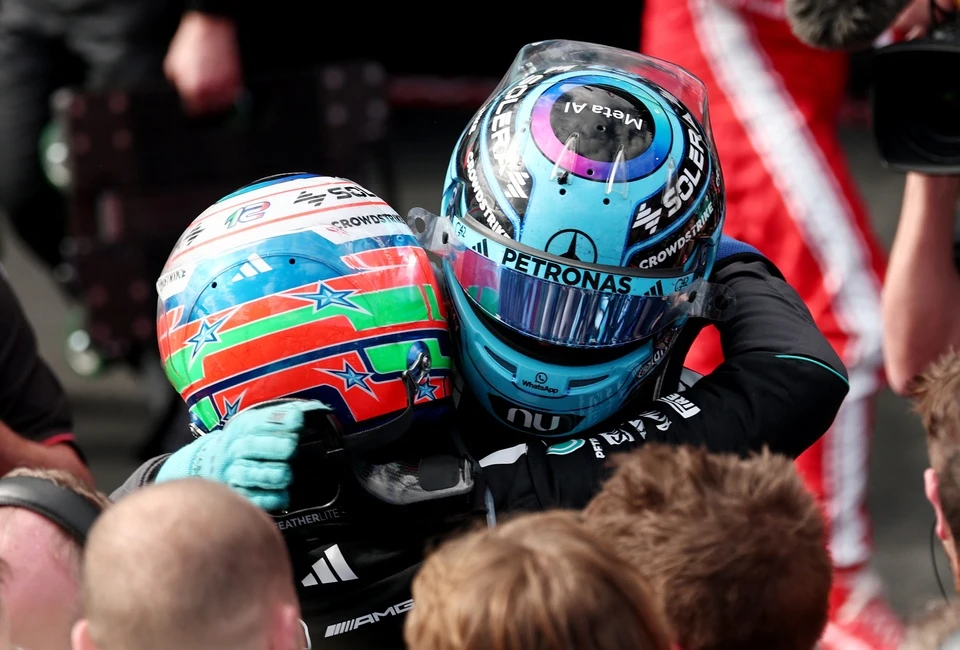
As we look toward the rest of the season, the 2026 era feels like a work in progress. The gap between the front-runners is smaller than anyone predicted, which bodes well for a multi-team championship fight. The “mushroom boosts” have made the racing more dynamic, and the cars’ agility in medium and slow-speed corners is a welcome return to form. However, the safety concerns at the start and the “embarrassing” spectacle of qualifying recharge must be addressed by the FIA immediately. Formula 1 has always been a sport of evolution, and the 2026 Australian Grand Prix was merely the first, chaotic step in a long journey.
The fans are divided, the drivers are vocal, and the engineers are working overtime. Melbourne didn’t give us all the answers, but it gave us a race that had us “smiling from ear to ear.” There is a sense of optimism in the paddock, a feeling that once the technical “gremlins” are ironed out, we could be looking at one of the most competitive seasons in history. The 2026 regulations have brought the drama back to the forefront, and if the “chaos” of Melbourne is any indication, we are in for a wild, unpredictable ride where the only certainty is that nothing is certain.