The long-awaited day of judgment has finally arrived. After years of speculation, technical debates, and varying degrees of doom and gloom, the 2026 Formula 1 regulations have moved from the simulator to the asphalt of Albert Park. The Australian Grand Prix served as more than just a season opener; it was a litmus test for the sport’s radical new direction.
With 50/50 electrical-combustion power splits, active aerodynamics, and a completely reshuffled grid, the world watched with bated breath to see if the new era would deliver “absolute cinema” or a return to the one-sided dominance of a decade ago. If the results in Melbourne are anything to go by, we are entering a season defined by technological brilliance, strategic heartbreak, and a very familiar silver shadow at the front of the pack.
The narrative of the weekend began long before the lights went out on Sunday. The technical shift for 2026 is perhaps the most significant in the history of the sport. Gone are the days of simple DRS; in its place is a complex dance of active aero and energy management.
Drivers now battle “super clipping”—a phenomenon where the massive 350 kW electrical system suddenly drains, leaving the car essentially powerless on long straights. This new reality transformed the race into a high-speed game of chess, where managing the battery was just as important as hitting the apex.
For Mercedes, the transition appears to have been seamless. George Russell and the teenage sensation Kimi Antonelli didn’t just win; they made a statement. Russell secured a commanding pole position, gapping the field by a margin that felt eerily reminiscent of the W11’s peak dominance. While the Mercedes chassis might still have minor aerodynamic hurdles to clear, their power unit is undoubtedly the class of the field. The Silver Arrows have found a “magic trick” with their energy recovery that allows them to maintain pace while others are lifting and coasting to save their batteries. By the time Russell crossed the finish line to secure victory, the message was clear: the empire has struck back.
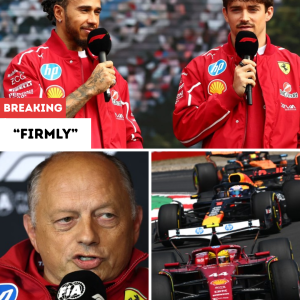
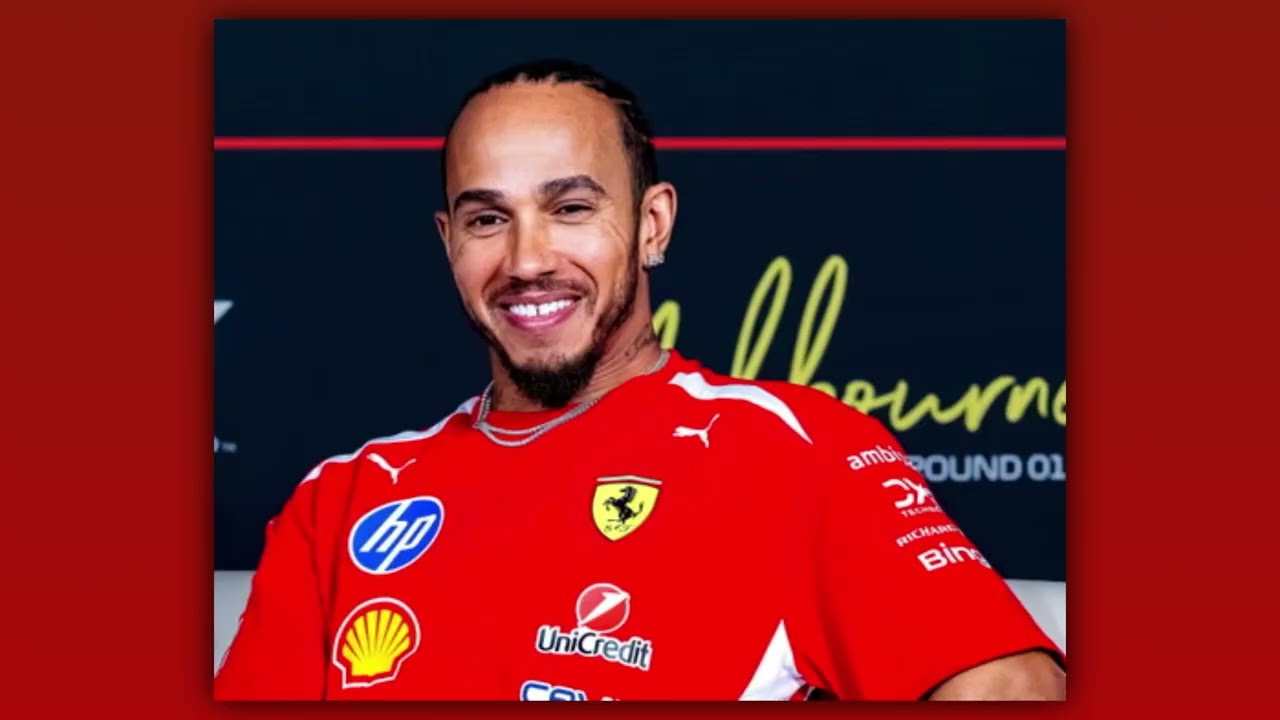
In contrast, the weekend was a bitter pill for Ferrari. On pure pace, the Scuderia looked like the only team capable of taking the fight to Mercedes. Both Charles Leclerc and Lewis Hamilton—making his highly anticipated debut in scarlet—showed incredible aggression in the opening laps, engaging in a thrilling tug-of-war with Russell for the lead. However, Ferrari’s Achilles’ heel remains its inability to react under pressure. When the first Virtual Safety Car (VSC) was deployed on lap 12 following Isack Hadjar’s breakdown, Mercedes reacted instantly, double-stacking their cars for fresh tires. Ferrari hesitated, choosing to stay out in a gamble for track position.
That gamble backfired spectacularly just ten laps later. A second VSC was triggered by Valtteri Bottas, but because his Cadillac came to a halt right at the pit entry, race control was forced to close the pit lane. Ferrari was trapped on track with aging rubber while the Mercedes duo sat comfortably behind them on fresh hard tires, ready to pounce. Hamilton’s radio warnings about the pit strategy went unheeded, and the legendary Brit had to watch from fourth place as his podium hopes evaporated. While Leclerc managed to salvage third, the post-race atmosphere at Maranello was one of missed opportunities and strategic frustration.
The biggest horror story of the weekend, however, belonged to Aston Martin. The much-hyped partnership between the Silverstone-based team and Honda has hit a catastrophic wall. Communication breakdowns between the two entities led to an engine that is not only underpowered but dangerously unstable. Fernando Alonso’s description of the car as a vibration-heavy machine that causes “nerve damage” was a shocking indictment of the team’s preparation. Both Alonso and Lance Stroll were essentially non-factors, with Stroll likening the experience to sitting in an “electric chair.” For a team that lured Adrian Newey with promises of championship glory, the Melbourne performance was an embarrassing wake-up call.

While the veterans struggled, the “Class of 2026” rookies provided much-needed sparks of brilliance. Arvid Lindblad’s debut was nothing short of sensational. The youngster rocketed up to third place at the start and showed a level of racecraft that belied his age, comfortably mixing it up with established stars. Similarly, Isack Hadjar proved that Red Bull’s talent pipeline is far from dry. Out-qualifying a three-time champion like Max Verstappen—who suffered a mechanical failure in Q1—Hadjar ran strongly in the top five before his engine gave up the ghost. These young guns have proven that despite the complexity of the new cars, pure talent still finds a way to the surface.
The “Winners” circle also included a surprising entry: Audi. For months, rumors suggested the German manufacturer’s entry (formerly Sauber) would be a “brick” on wheels. Yet, Gabriel Bortoleto and Nico Hulkenberg showed that Audi is far more prepared than the paddock gave them credit for. Their engine performance was competitive, and their reliability—while still a work in progress—was better than many of their more established rivals. On the other end of the spectrum, Williams and Alpine find themselves in a hole. Williams’ car is reportedly significantly overweight, a cardinal sin in an era where energy efficiency is paramount, leaving Carlos Sainz Jr. wondering if he made the right choice for his future.
As the dust settles in Melbourne, the 2026 season looks set to be a grueling marathon of development. The race was littered with mechanical failures, from Sergio Perez’s exploding engine to Oscar Piastri’s heartbreaking crash on the way to the grid. It is a reminder that in this new era, finishing is the first step toward winning. Mercedes holds the keys to the kingdom for now, but with Ferrari’s chassis pace and the rapid evolution of teams like Audi and RB, the hierarchy is far from set in stone.
Formula 1 has always been a sport of cycles. If Melbourne was the first chapter of a new book, the plot is already thickening. Will Ferrari find the tactical courage to match their car’s speed? Can Aston Martin fix a relationship that seems broken at the foundational level? And most importantly, can anyone stop George Russell from turning this new era into his personal playground? The circus now heads to China for the first double-header of the year, where the high-speed straights of Shanghai will once again put these new power units to the ultimate test. One thing is certain: the 2026 regulations have brought the drama back to the forefront, and the world is once again obsessed with the fastest show on Earth.