When the red lights went out at the iconic Suzuka circuit for the 2026 Japanese Grand Prix, the global motorsport community braced itself for a standard display of high-speed strategic warfare. Instead, what unfolded was a dramatic, merciless unmasking of the current grid. Suzuka is notorious for being an unforgiving lie detector of a race track. It does not tolerate fundamental engineering flaws, and it certainly does not respect past championship achievements.
Over the course of a deeply revealing and chaotic weekend, a terrifyingly fast teenager completely rewrote the record books, a reigning world champion visibly unraveled behind the microphones, and a seven-time world champion delivered a chilling, unvarnished confession that has shaken the foundation of the most famous team in racing history. This was not just another chapter in a long season; it was a blaring siren warning that the established order has been fundamentally shattered.
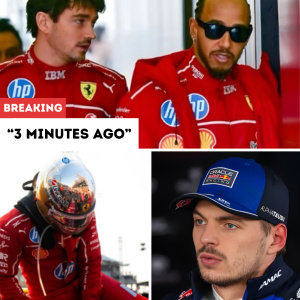
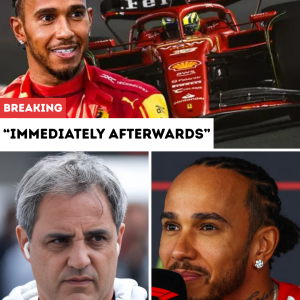
At the very center of this earth-shattering weekend was Lewis Hamilton and the rapidly deepening crisis actively engulfing the Ferrari garage. The warning signs actually began flashing long before the cars even lined up on the starting grid.
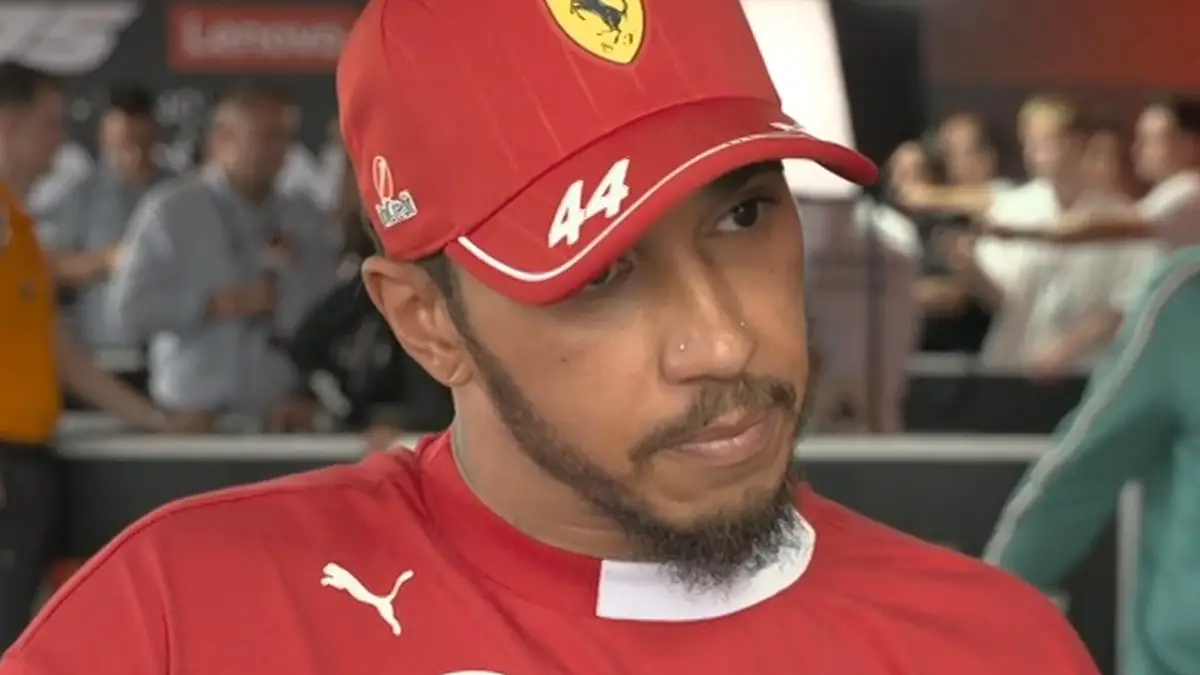
Standing in the Suzuka paddock, Hamilton looked directly at the media and offered a plain, brutal assessment of his team’s current reality: Ferrari is miles and miles away from Mercedes. This was not the typical, heavily PR-managed frustration of a driver having a momentarily difficult weekend. This was a calculating, deeply experienced seven-time world champion reading the harsh telemetry, analyzing the undeniable data, and completely refusing to hide from an incredibly uncomfortable truth.
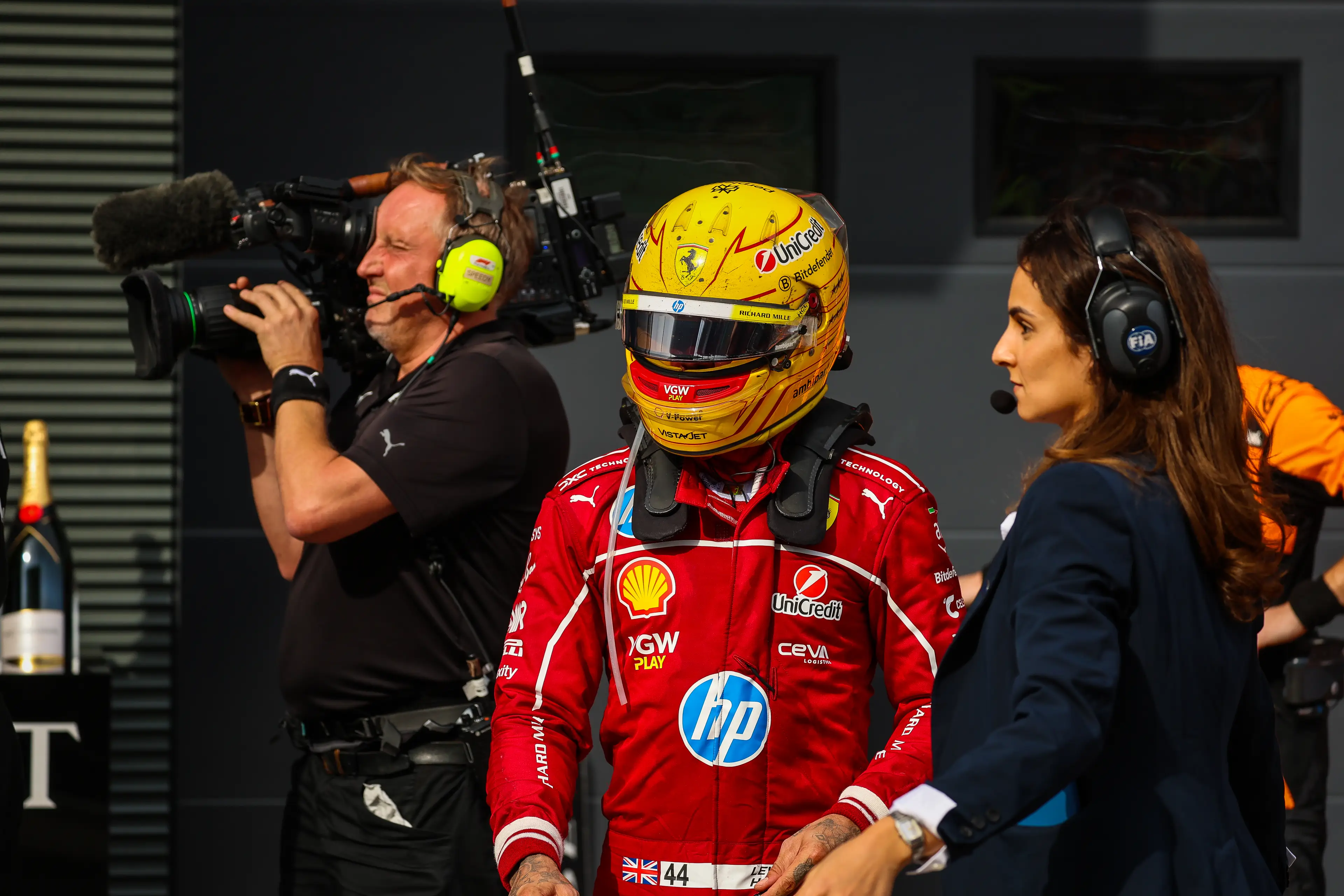
When the race officially commenced, every single word of Hamilton’s grim prophecy came to life in excruciating, agonizing detail. Starting from the sixth position, he immediately plunged into a desperate battle not for victory or even a podium, but for mere mid-field survival. He pushed his red machinery to its absolute physical limits, yet found himself entirely powerless against the sheer, relentless pace of his rivals. In a moment of pure desperation that highlighted the severity of the situation, Hamilton urgently radioed his engineers, practically begging them to tell him exactly where he was losing so much time throughout the lap. He simply could not comprehend where all the electrical and combustion power was mysteriously vanishing. During the critical second stint, a phase where champions usually find that magical extra gear, the Ferrari had absolutely nothing left to give. There was no battery deployment, no racing rhythm, and zero answers forthcoming from the pit wall.
The overwhelming misery compounded when Hamilton suffered a heavy lock-up at turn sixteen, running completely over the apex and briefly leaving the track limits to gain a positional advantage. Lando Norris was instantly on his team radio, fiercely demanding the stewards force Ferrari to relinquish the place. While the FIA ultimately decided on no further action, the damage to Hamilton’s pride and overall race strategy was painfully palpable. He was barely hanging on by a thread. The final, crushing insult arrived in the dying, desperate stages of the Grand Prix. His own teammate, Charles Leclerc, executed a clean, brilliantly composed overtaking maneuver on Hamilton and never looked back. It wasn’t aided by a lucky safety car deployment or a clever pit strategy; it was purely down to raw pace, confidence, and car control.
After the checkered flag finally fell, putting an end to his misery, Hamilton refused to shy away from the magnitude of the disaster. He publicly stated that he was driving flat out, managing his energy deployment exactly as instructed by his engineers, and yet he was still severely lacking overall power. He questioned aloud whether there was a fundamental, terminal issue with the car itself. This is the horrifying, inescapable reality for Ferrari in 2026: the gap to the front of the grid is not merely a matter of a few botched aerodynamic setup changes. According to Hamilton’s diagnosis, it is a massive structural deficit embedded in the base concept of the car. When a driver of his supreme, legendary caliber begins speaking about total reconstruction rather than bringing simple weekend upgrades, the entire factory in Maranello needs to pay very close attention. The pressing question is no longer what exactly went wrong in Japan, but whether Ferrari can engineer a miraculous, season-saving fix before this entire championship slips completely through their fingers.
While the legendary Italian marquee was busy unraveling on the world stage, a nineteen-year-old prodigy was busy orchestrating a masterpiece of a completely different, highly spectacular nature. Kimi Antonelli arrived at Suzuka and immediately secured a breathtaking pole position, proving his raw one-lap pace. However, his race nearly ended in disaster before it truly began. When the starting lights went out, Antonelli suffered severe, crippling wheel spin, bogging down horribly off the line and plummeting all the way down to sixth place before the screeching pack even navigated the treacherous first corner. For a fleeting, breathless moment, it appeared the immense, suffocating pressure had finally cracked the Mercedes teenager. But Antonelli is undeniably wired differently than his peers.
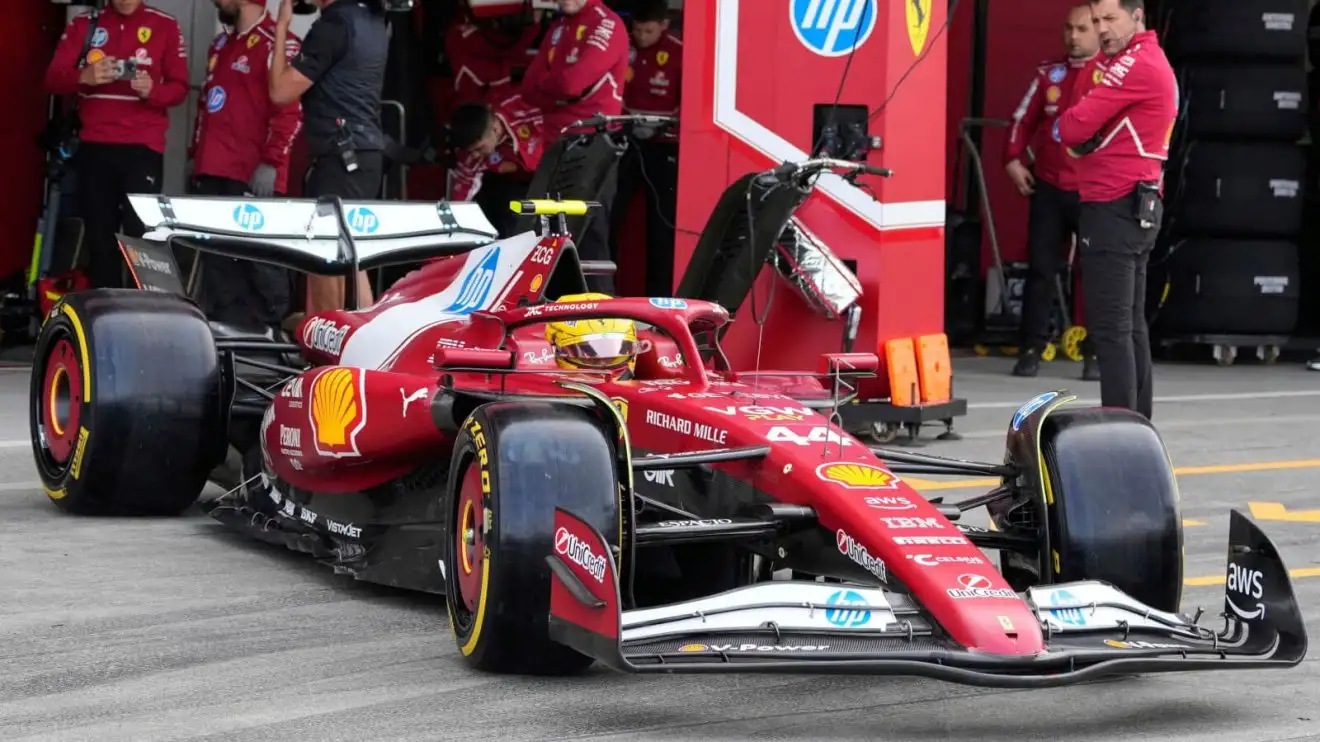
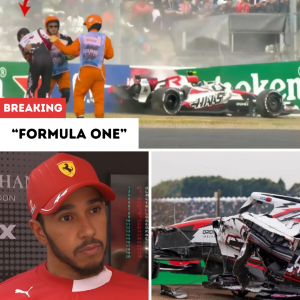
Displaying a level of icy composure that deeply belied his youth, he began meticulously, ruthlessly clawing his way back up the running order. By lap twelve, he had forcefully dispatched Lando Norris with surgical precision. By lap sixteen, the sheer relentless pressure he actively applied forced Norris to pit early in a desperate, panicked attempt to execute an undercut. Then, the entire complexion of the Japanese Grand Prix violently shifted. Oliver Bearman suffered a catastrophic, 191-mph crash at the notoriously tricky and dangerous Spoon Corner, resulting in a horrifying 50G impact with the tire barriers. The inevitable, immediate deployment of the safety car instantly gifted Antonelli the race on a silver platter. He was handed a free pit stop, crucial track position, and a fresh set of Pirelli tires.
What followed the restart was a display of pure, unadulterated racing dominance. Antonelli did not merely hold onto his inherited lead; he systematically destroyed the world-class field trailing behind him. On a legendary circuit where overtaking is famously difficult, against a grid featuring multiple world champions and an incredibly fast McLaren package, the teenager pulled away to win by an astonishing, humiliating margin of nearly fourteen seconds. In doing so, he shattered multiple historical milestones into pieces. Kimi Antonelli is now officially the youngest driver in Formula 1 history to lead the world championship standings. He is the youngest multiple race winner the sport has ever witnessed. Securing back-to-back victories in only his third active season, the teenager has sent a terrifying, undeniable message to the rest of the paddock: he is not just the promising future of the sport; he has firmly established himself as the undisputed, terrifying present.
Yet, Suzuka was a multi-layered, highly complex drama that featured compelling chapters for nearly every single team operating on the grid. For Oscar Piastri, the Japanese Grand Prix was an agonizing, heart-wrenching tale of what could have easily been. After a disastrous start to his 2026 campaign—crashing out heavily in Australia and suffering a terminal technical failure in China before the race even began—Piastri finally had the much-needed opportunity to truly race. And he was absolutely spectacular. He commanded the Grand Prix from the very first lap, brilliantly holding off the relentless, aggressive pressure of George Russell for twenty-two grueling, high-speed circuits. Piastri was firmly and confidently on course for one of the most remarkable and unlikely victories of the entire racing calendar. Then, the safety car deployed for Bearman’s crash violently ripped the guaranteed win right out of his hands. While a second-place finish would normally be a massive cause for joyous celebration, the cruel circumstances made it feel incredibly bittersweet. Nevertheless, Piastri proved beyond a shadow of a doubt that McLaren has built a wildly competitive machine, and when given a clean, uninterrupted race, he is a tremendously dangerous championship contender.
Just slightly further down the final podium steps, Charles Leclerc delivered a moment of absolute, breathtaking magic that firmly reminded everyone watching why he is so highly rated. Despite actively grappling with the deeply flawed, underperforming Ferrari machinery, Leclerc found himself hunting down George Russell in the final, frantic laps of the race. Operating entirely on pure instinct and supreme car control, the Monégasque driver executed an incredibly daring, high-stakes maneuver around the outside of turn one with just two laps remaining to dramatically snatch third place. It was undeniably the most thrilling overtake of the season thus far, proving that while Ferrari is structurally suffering behind the scenes, Leclerc is miraculously extracting every single ounce of potential from a very difficult and frustrating situation.
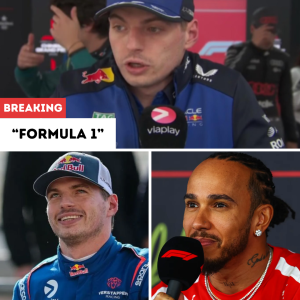
Meanwhile, a dark, heavy storm cloud continues to hover aggressively over the reigning world champion. Max Verstappen endured a thoroughly miserable, infuriating afternoon, finishing in a deeply frustrating eighth place. He spent the vast majority of the second half of the Grand Prix entirely trapped behind the slower Alpine of Pierre Gasly, utterly unable to mount a successful aerodynamic attack. Verstappen’s post-race review of his Red Bull machinery was notoriously scathing, openly declaring that driving the car felt as though he had absolutely zero power steering.
However, Verstappen’s true underlying struggles were perhaps most evident before the racing cars even hit the track. During his mandatory pre-race press conference, the internal tension reached an explosive boiling point. Verstappen aggressively entered the room, immediately locked eyes with a journalist from The Guardian, and flatly refused to participate. With cold, unwavering certainty, he declared he would not speak a single word until the journalist was forcefully removed from the room, citing lingering resentment over a specific question asked following last year’s highly controversial Abu Dhabi Grand Prix. The crowded room fell into a stunned, deafening silence as the journalist was escorted out by security. Only then did Verstappen crack a cold smile and allow the media session to begin. This is the vivid portrait of a man actively drowning under the immense weight of a slipping championship. He is carrying a costly penalty from Spain, battling a car he has derisively compared to “Formula E on steroids” and “Mario Kart,” and is now actively lashing out at the working media. The once-dominant Red Bull empire is under unprecedented psychological pressure, and the cracks are visibly starting to show for the entire world to see.
As the massive Formula 1 circus packs up and prepares for the crucial upcoming race in Miami, the entire landscape of the 2026 season has been drastically and permanently altered. Three distinct, highly thrilling narratives are rapidly developing. Will Kimi Antonelli continue his terrifying reign of dominance, effectively ending the championship conversation before the summer break even arrives? Will Lewis Hamilton’s shockingly public diagnosis serve as the ultimate, necessary wake-up call for Ferrari, sparking a miraculous mid-season technical revival? Or will Max Verstappen’s simmering anger boil over completely as Red Bull utterly fails to find the critical answers to their crippling mechanical woes?
Suzuka did not simply award championship points; it brutally stripped away the carefully crafted facades of the biggest teams and drivers in the world. It delivered raw, highly uncomfortable truths about the astonishing pace of the Mercedes, the fatal engineering flaws of the Ferrari, and the psychological breaking point of the reigning champion. The only question that remains as the engines cool in Japan is exactly who possesses the sheer mental resilience required to face these harsh new realities head-on.