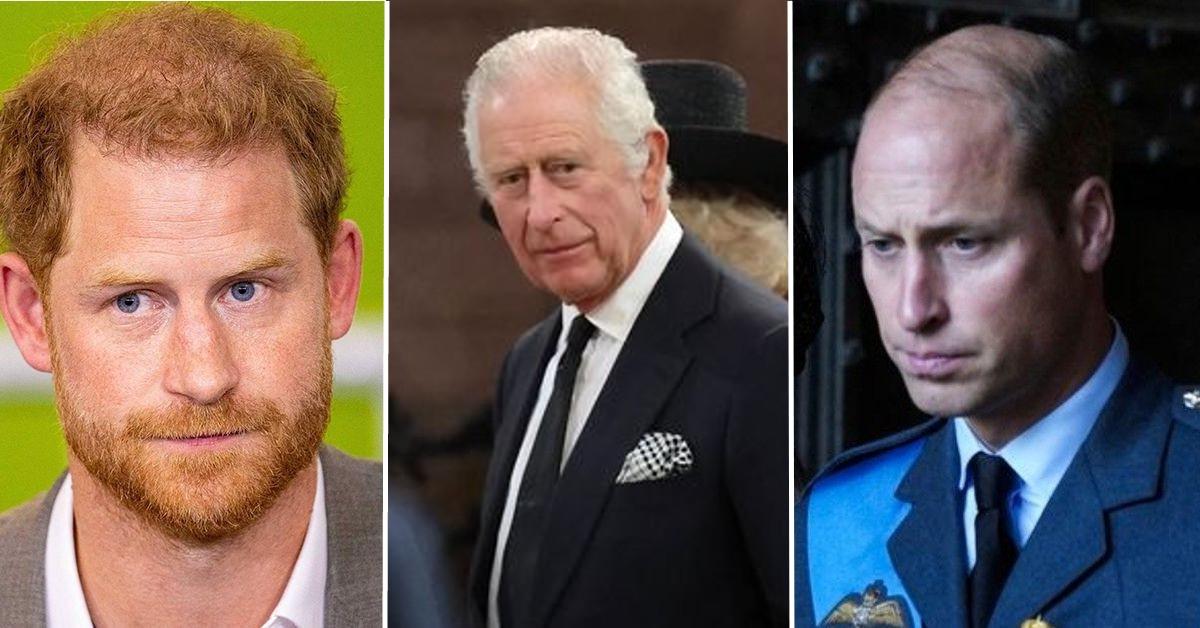
The gilded gates of Windsor are vibrating with a tension that has nothing to do with the traditional pageantry of the changing of the guard. Across London tonight, reports are surfacing that Prince William is experiencing a level of profound frustration described by insiders as “incandescent.” The source of this royal friction? A high-stakes, clandestine “clear-the-air” meeting between King Charles III and his younger son, Prince Harry, that has reportedly left the Prince of Wales feeling sidelined and structurally undermined.
While a hopeful public watched for signs of a royal thaw—a moment of reconciliation that might finally heal the fractures within the House of Windsor—sources close to the Prince of Wales suggest the future King is far from ready to adopt a “forgive and forget” policy. As the Duke of Sussex reportedly utilized a discreet rear entrance to Clarence House for a significant sit-down with the Monarch, William’s absence was pointed, deliberate, and spoke volumes about the current state of the “Brotherly Bond.”
A Father’s Hope vs. A Brother’s Firm Boundary
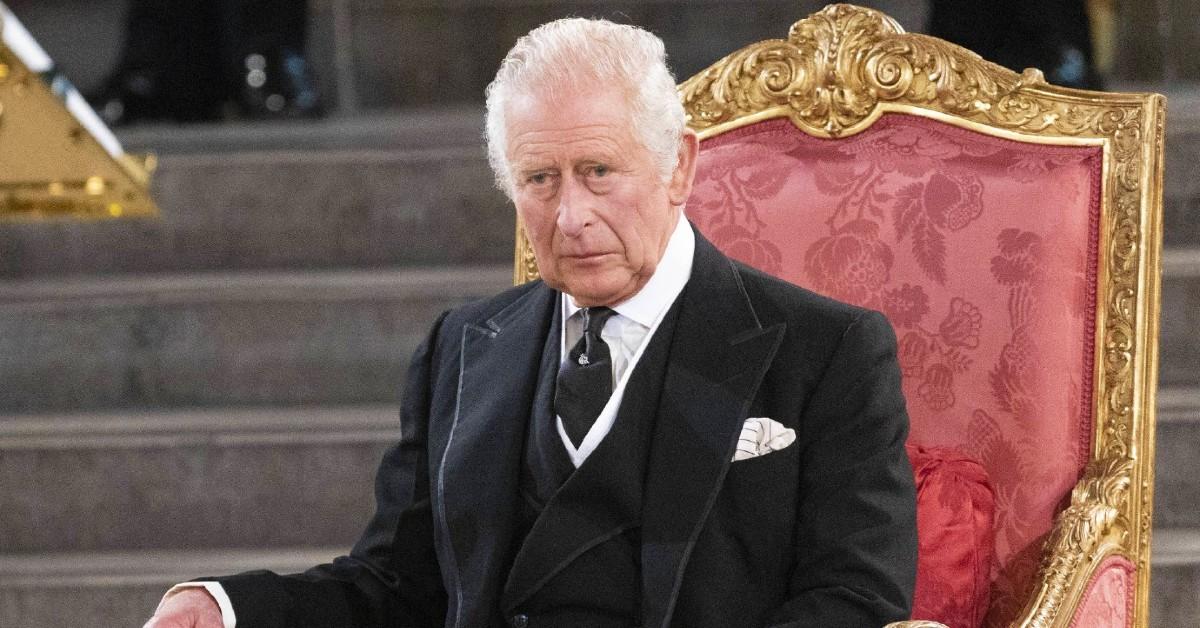
Inside the historic apartments of the royal residences, the internal drama is reaching a fever pitch. Insiders claim that King Charles, mindful of his age and the weight of his legacy, is increasingly motivated to mend what has been described as a “Sussex-sized hole” in the family fabric.
“The King is looking at the long arc of his reign,” a royal source whispered. “He wants his sons by his side as a symbol of continuity and strength. But William? William is looking at the scars left by the last three years of public disclosures.”
For the Prince of Wales, the grievances are not merely personal; they are institutional. The publication of the memoir Spare and the series of high-profile media engagements undertaken by the Sussexes are viewed by William not as “water under the bridge,” but as a persistent flood that has caused structural damage to the monarchy’s reputation. Sources indicate that William does not view his brother’s recent visit as a genuine homecoming, but rather as a “calculated PR maneuver” intended to bolster the Sussex brand amidst a shifting media landscape.
The Burden of the “Heavy Lifting”
The resentment boiling within the Prince of Wales is reportedly rooted in a sense of unfairness. While the Duke and Duchess of Sussex transitioned to a private life in Montecito, California, William and Catherine have remained the visible, hardworking face of the “slimmed-down” monarchy.
“William feels like he’s been left to do all the heavy lifting—the endless tours, the patronages, the constitutional duties—while his brother has the freedom to critique the institution from a distance,” a family friend revealed. “To see the King opening the doors of the palace once again, without a formal acknowledgement of the stress caused to the working royals, feels like a significant oversight to William.”
From William’s perspective, the monarchy’s survival depends on a clear distinction between those who serve the Crown and those who have chosen a different path. By allowing a “half-in, half-out” appearance of reconciliation, he fears the King is inadvertently validating the very criticisms that have plagued the family since 2020.

The “Wall of Silence” and the Logistics of Avoidance
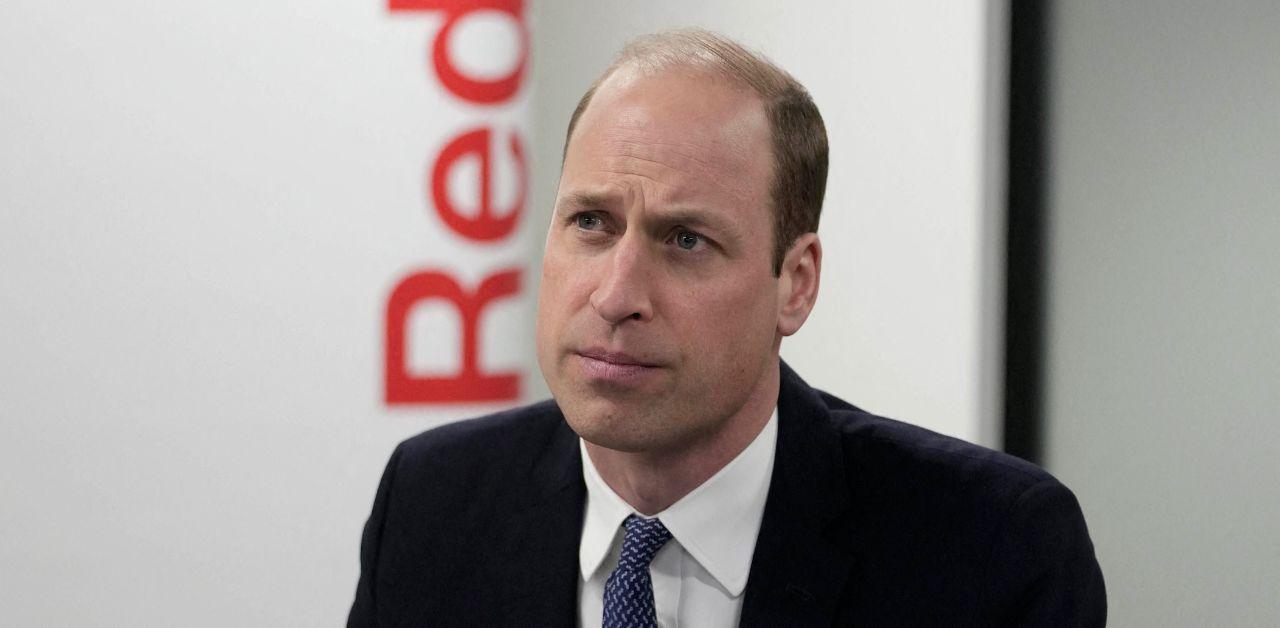
While King Charles and Prince Harry allegedly shared a brief meeting involving “tentative diplomatic overtures,” Prince William has reportedly erected a definitive Wall of Silence. Friends of the Prince confirm that he refused to be in the same postal code as his younger brother during the visit, opting instead to maintain a schedule strictly focused on “official duties” and his domestic life with the Princess of Wales.
Body language experts and royal observers have been quick to note the contrast in the brothers’ public personas. While the King appeared “reflective but hopeful” during his recent departures from London, William has been spotted with a “thunderous expression.” His jawline, noted one observer, appeared so tight it could “crack a diamond,” a physical manifestation of the steely resolve he has adopted toward the Sussex situation.
This “Cold War” within the palace is not just about hurt feelings; it is about the future management of the royal brand. William is reportedly of the mind that any path back to the inner circle must be paved with a formal, private, and perhaps even public, apology—something the Duke of Sussex has shown little inclination to provide.
The Constitutional Cold War: What Happens Next?
The central question remains: Can the Monarchy thrive amidst this internal standoff? The current situation presents three distinct strategic paths, each with its own set of risks:
1. The King’s Strategic Move
King Charles is reportedly prioritizing a “United Front” for the upcoming summer festivities and the high-profile events of the 2026 royal calendar. He views family unity as a prerequisite for institutional stability. For the Monarch, the goal is a “functional peace”—an arrangement where the brothers can exist in the same space without the air of a “Royal Rumble.”
2. The Duke’s Calculated Gamble
The question of Prince Harry’s intent continues to divide the palace. Is he seeking a genuine reconnection with his father during a period of family transition, or is his presence a necessary “content update” for his various media projects? To William’s team, the timing of these visits always seems to coincide with a dip in the Sussexes’ commercial visibility, leading to deep-seated suspicion regarding his true motives.
3. William’s Hardline Ultimatum
Rumors are swirling that the Prince of Wales has told senior aides he has “no interest” in a reconciliation meeting until specific “Red Lines” are addressed. These reportedly include a guarantee that private conversations will remain private and an admission of the impact that recent disclosures have had on the Princess of Wales’s well-being. William is reportedly positioning himself as the “Defender of the Institution,” even if it puts him at odds with his father’s more conciliatory nature.
The Verdict: A Dynasty in Flux
The “Firm” is currently at a critical breaking point. On one side of the palace walls, you have the love of a father who wishes to see his family whole before the end of his reign. On the other, you have the “Iron Will” of a future King who views duty and loyalty as absolute, non-negotiable traits.
This internal conflict represents a “Clash of Eras.” The Elizabethan model of “never complain, never explain” is being challenged by a more modern, emotive approach favored by Harry, while William attempts to forge a middle path of “Modern Stoicism.”
As the “Royal Reunion of the Century” unfolds, it is becoming increasingly clear that the path to peace is blocked by years of resentment and a fundamental disagreement over what it means to be a member of the Royal Family in the 21st century. One thing is certain: while the King may have opened the door to Clarence House, the road to Windsor remains firmly closed by the Prince of Wales. The “Royal Rumble” is far from over; in fact, the most difficult rounds may still be ahead.