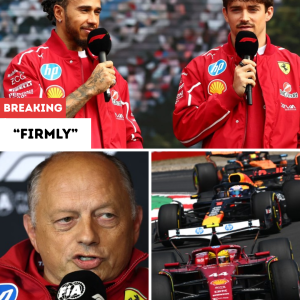
Ferrari has raised alarm bells in the Formula 1 world, accusing Mercedes of exploiting a loophole in the new 2026 power unit regulations that could compromise driver safety. Following a series of engine scandals, the FIA is now on high alert as concerns mount over the implications of this controversial qualifying tactic.
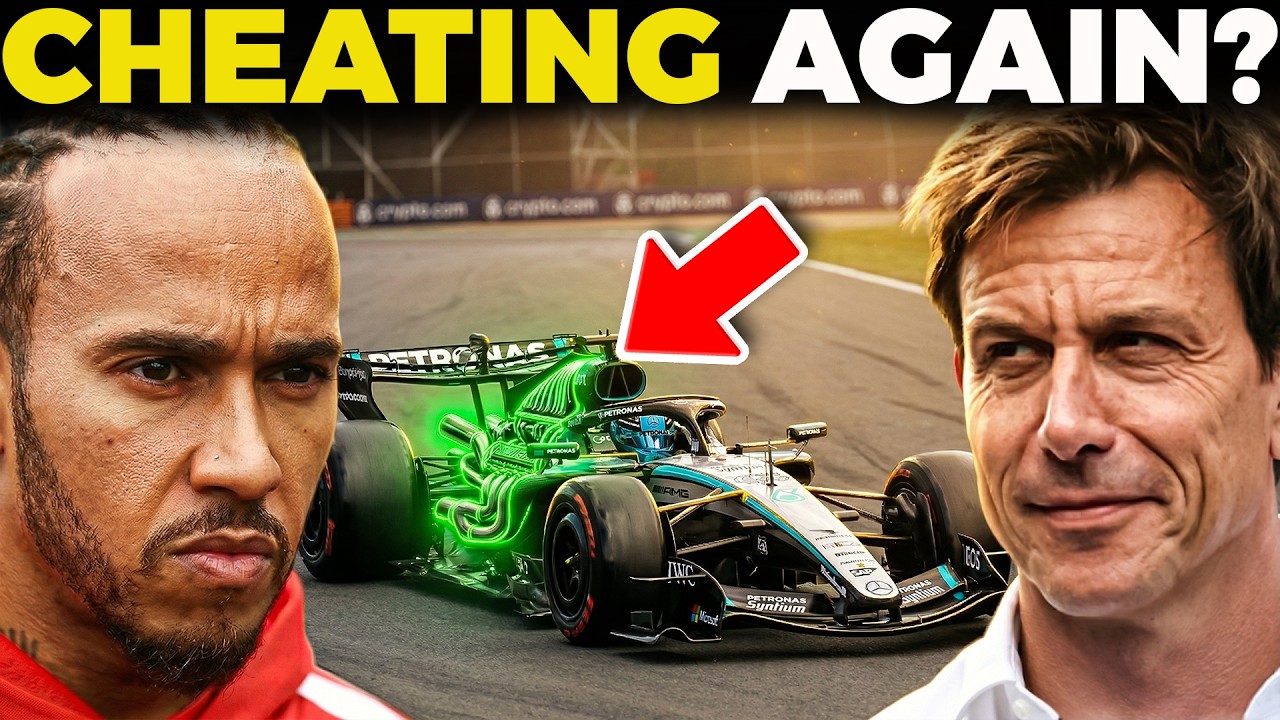
At the heart of the controversy is Mercedes’ alleged use of an emergency safety shut-off system, initially designed for genuine breakdowns, to gain a speed advantage during qualifying laps. This tactic allows cars to drop from full electric power to zero instantly, bypassing the gradual power reduction mandated by the rules. While other teams, including Ferrari, have adhered to the regulations, Mercedes and Red Bull’s maneuver has put them in the spotlight for all the wrong reasons.
The situation escalated dramatically during the recent Japanese Grand Prix at Suzuka, where drivers using Mercedes engines were seen crawling through high-speed corners, creating dangerous conditions on the track. The sudden loss of power not only risks performance but also raises significant safety concerns, as evidenced by Alex Albon’s near-crash incident during practice.

Ferrari’s frustration is palpable, as they contend that this tactic undermines the spirit of the sport. They are pushing for clarity from the FIA on whether such emergency systems can be legally used as performance-enhancing tools. This isn’t the first time Mercedes has faced scrutiny; they have been embroiled in three separate engine scandals in just three races, raising questions about their compliance with the rules.

The FIA has yet to issue a formal ban on the emergency shut-off trick but has convened a technical review meeting to address this and other energy handling issues. As the governing body grapples with potential rule changes, the tension between teams is palpable, with Ferrari’s calls for transparency growing louder.

Mercedes currently leads the season, with driver Kim Antonelli at the forefront, but the shadow of these controversies looms large. The ongoing discourse surrounding engine legality and safety could reshape the competitive landscape as teams prepare for the next race in Miami.
As the 2026 season unfolds, the stakes have never been higher. With safety at risk and the integrity of the sport in question, all eyes will be on the FIA’s upcoming decisions. Will they take decisive action, or will the loophole remain, allowing teams to exploit it further? The 𝒹𝓇𝒶𝓂𝒶 continues, and the motorsport community is on the edge of its seat.