The landscape of the British Monarchy underwent a seismic shift in early 2026, marking a definitive departure from the protective traditions of the past. For years, the controversies surrounding the Duke of York had been a source of persistent friction, but the events of February 2026 transformed a family scandal into a critical matter of state and national security.
Following allegations regarding the mishandling of sensitive government information, the institution moved toward a policy of “total severance.” At the center of this unprecedented survival strategy was Catherine, Princess of Wales. Transitioning from a supportive family figure to a primary institutional anchor, she has been instrumental in managing the fallout of a situation that escalated from social controversy to the scrutiny of the legal system.
The Great Realignment: A Dynasty at a Crossroads
In 2026, the guiding principle of the House of Windsor shifted: the priority is no longer the protection of individual members, but the preservation of the Crown itself.
The turning point arrived in February 2026, when legal proceedings reached the doorstep of a senior member of the royal lineage. The allegations—suggesting that confidential trade and government reports were shared with unauthorized individuals—effectively dismantled any lingering notions of “royal immunity.” As the public and the press demanded accountability, a strategic transformation was occurring within the palace walls. Catherine, the Princess of Wales, emerged as a key figure in navigating this existential threat, providing a blueprint for the Monarchy’s continued relevance and integrity.
The 2026 Legal Crisis
The commencement of formal investigations was not merely a legal hurdle; it was a profound challenge to the Royal brand. Public sentiment reached a critical threshold, with widespread calls for the complete removal of any remaining official ties between the state and the Duke of York.
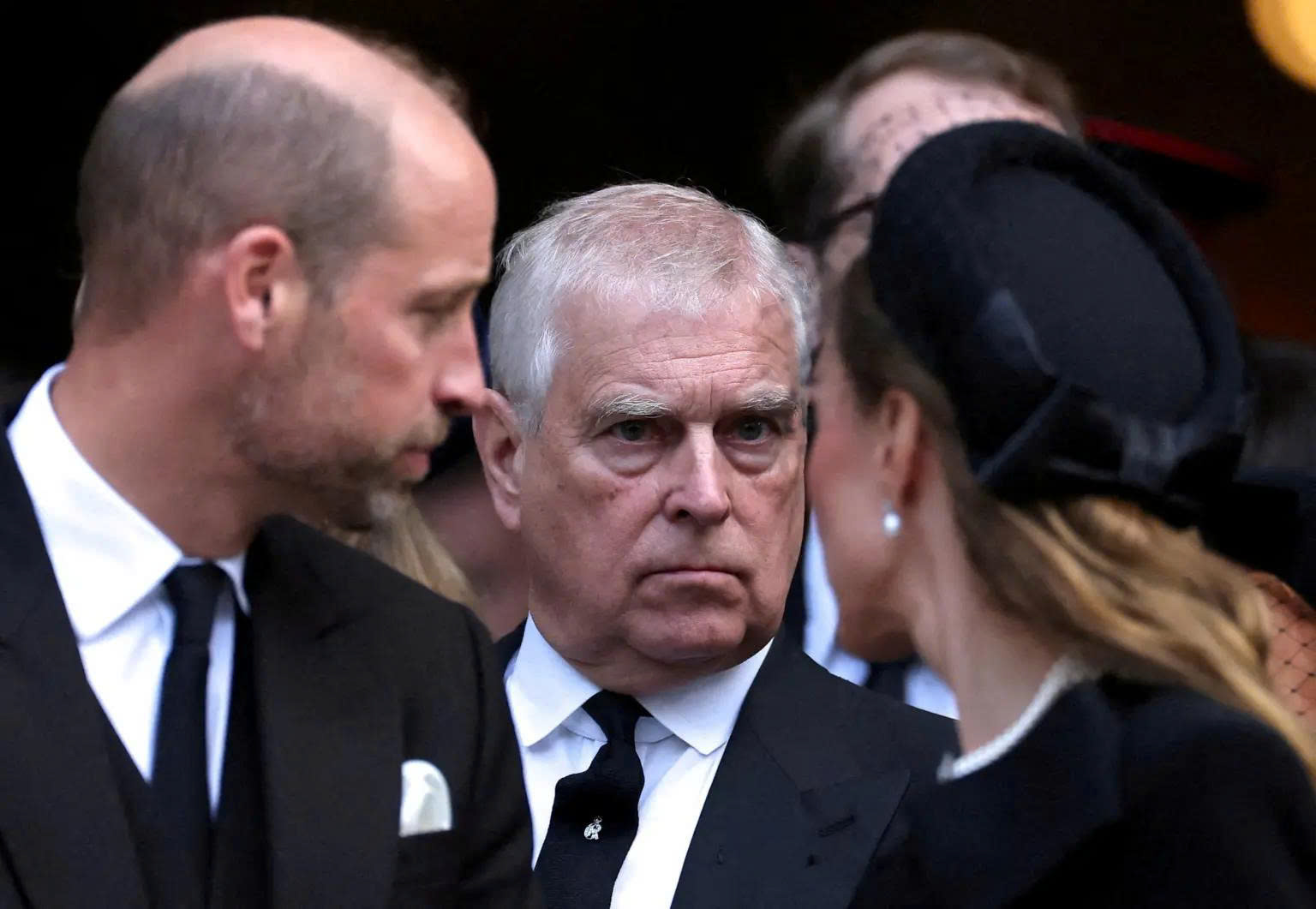
While senior members of the family reportedly navigated the personal and emotional gravity of these developments, the Princess of Wales was at the forefront of what observers have called the “Shield Protocol.” This strategy was designed to create a definitive distance between the core working members of the Royal Family and the ongoing legal inquiries, ensuring that the roles of the King, the Prince of Wales, and their children remained untainted by the controversy.
The “Pillar of Stability” Strategy
To protect a thousand-year-old institution from the pressures of a modern legal crisis, the Princess of Wales utilized a calculated and disciplined approach. Her strategy focused on three key areas:
1. Strategic Visibility and Public Duty
While the Duke of York was withdrawn from all public-facing roles, Catherine increased her presence, focusing on the core values of “Duty and Dignity.” Her appearances at high-profile events, such as the Commonwealth Day service at Westminster Abbey, served as a powerful non-verbal signal to the world. These moments were designed to demonstrate that the “working core” of the family remained steadfast, professional, and focused on service.
2. A Shift Toward Empathetic Solidarity
In a significant departure from the traditional “never complain, never explain” mantra, the Prince and Princess of Wales adopted a more direct tone. By addressing the gravity of the allegations and expressing solidarity with those affected by systemic abuse, they shifted the narrative. The conversation moved away from a defensive institutional stance toward a proactive, empathetic leadership model. This “Human Shield” of moral clarity helped insulate the future of the Monarchy from the shadows of the past.
3. Supporting Legislative Firewalls
In early 2026, the UK government began considering formal legislation to permanently alter the Line of Succession. Reports indicate that the Princess of Wales has been a quiet but firm advocate for these measures. This move is seen not just as a disciplinary action, but as a necessary legal “firewall” to protect the throne. By removing individuals involved in significant legal controversies from the succession, the institution ensures its long-term stability and public trust.

From Princess to Institutional Power Player
The “Kate Effect” has reached a new stage of evolution. Once viewed primarily through the lens of fashion or as a supportive spouse, Catherine is now recognized as a vital strategic asset to the House of Windsor. Her dedicated advocacy for high-stakes issues—such as mental health and early childhood development—has created a reservoir of public goodwill that serves as a protective barrier for the Monarchy.
The “Shield Protocol” in Action
The “Shield Protocol” is more than just a media strategy; it is a fundamental reorganization of how the Royal Family operates in the face of crisis. By centralizing authority within a smaller, highly disciplined group of working royals, the institution has become more agile.
Catherine’s role in this reorganization has been pivotal. She has provided the “positive PR” necessary to counterbalance the negative headlines generated by the Duke of York’s legal troubles. Her work ensures that when the public thinks of the British Monarchy, they think of the future—represented by the Princess and her family—rather than the complications of the previous generation.

The Path Forward: Saving the House of Windsor
As the British government moves toward finalizing the documentation that will strip the Duke of York of his last remaining vestiges of royal status, the eyes of the world are on the Princess of Wales.
She is no longer viewed simply as a future Queen Consort in waiting. Instead, she is seen as the architect of a modern survival strategy—the woman who navigated the House of Windsor through its most turbulent legal chapter in modern history. By prioritizing the integrity of the Crown over family loyalty, and by replacing silence with empathetic action, Catherine has secured the Monarchy’s place in a rapidly changing world.
The events of 2026 will likely be remembered as the moment the British Monarchy chose “Duty over Dynasty.” Through her poise, strategic foresight, and commitment to public service, the Princess of Wales has not only protected the throne for her husband and children but has also redefined what it means to be a modern Royal in the 21st century.