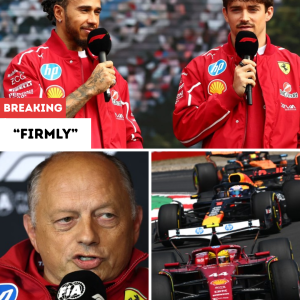
Formula 1 has always been a sport defined by living on the absolute bleeding edge of technological innovation. It is a world where engineering genius meets raw human bravery, often producing moments of awe-inspiring spectacle. However, as the 2026 season unfolds, the promised dawn of a new, highly anticipated electric revolution has rapidly descended into a state of chaotic unpredictability. What was meticulously designed by the FIA to be a thrilling, forward-thinking era of sustainable hybrid racing has instead sparked an open revolt among the grid’s most legendary drivers, exposed deeply terrifying safety flaws, and forced an emergency summit that could dramatically alter the course of motorsport history.
To truly understand the sheer scale of the crisis currently gripping the paddock, one must first listen to the voices of the men putting their lives on the line every weekend. This is no longer just quiet, behind-closed-doors frustration; it is a very public, unified chorus of utter dismay from the sport’s most decorated champions. Max Verstappen, a four-time world champion and arguably the most formidable talent of his generation, has held absolutely nothing back. He has explicitly labeled the 2026 machines as completely “anti-racing,” openly admitting that he is entirely devoid of joy behind the wheel. Likening the visceral experience of driving these marvels of engineering to “Formula E on steroids,” Verstappen’s words carry an immense weight that the entire motorsport community feels deeply.
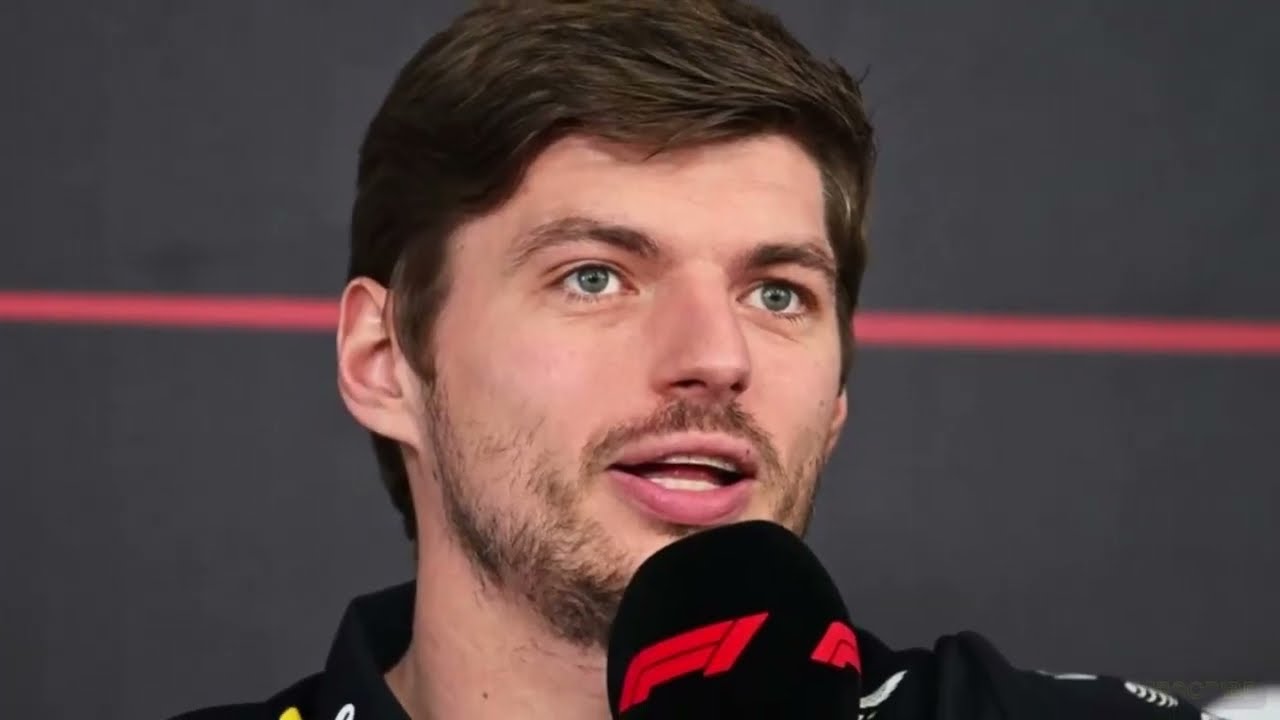
But Verstappen is far from an isolated voice of dissent. Lando Norris, the reigning world champion, delivered a shockingly brutal assessment of his own machinery. He lamented that the drivers have transitioned from operating the absolute best, most beautifully balanced cars ever constructed in Formula 1 history to what he bluntly describes as “probably the worst”. When a defending champion publicly declares his title-defending car to be an active misery to drive, it signifies a systemic failure of epic proportions. Furthermore, Lewis Hamilton, a seven-time world champion with over two decades of unparalleled experience at the pinnacle of motorsport, has practically thrown his hands up in defeat. He warned that the sheer computational complexity of managing the new energy systems requires fans to hold a “university degree” just to comprehend the on-track action. Finally, Fernando Alonso, never one to shy away from a deeply cutting remark, delivered the ultimate insult. He suggested that the new energy management protocols make certain complex corners so utterly devoid of challenge that an Aston Martin “chef could probably manage it”.
So, what exactly has gone so catastrophically wrong to elicit such visceral hatred from the grid’s elite? The fundamental heart of this engineering nightmare lies within the heavily revised MGUK—the car’s electric motor. In the previous regulatory era of 2025, the electric system delivered a respectable 120 kW of power. For 2026, the governing body mandated a staggering increase, tripling that output to a massive 350 kW, which translates to roughly 470 horsepower generated purely from electricity. When this violently powerful electric surge is paired with the newly downsized internal combustion engine, which now produces around 400 kW, the sport has achieved a near 50/50 power split.
On a pristine CAD drawing or a theoretical simulation, almost half the car’s power originating from an electric battery sounds like an incredible leap toward a greener future. Out on the raw, unforgiving asphalt, however, it has birthed a deeply terrifying phenomenon that frantic engineers have dubbed the “yo-yo effect”. Because the cars possess significantly less traditional combustion grunt and rely so heavily on the battery, they suffer a massive, instantaneous chunk of power loss the absolute second that battery fully depletes or automatically enters energy recovery mode. Drivers go from experiencing neck-snapping acceleration to suddenly losing nearly 470 horsepower in the blink of an eye.

This sudden deceleration is directly tied to the most frightening buzzword of the 2026 season: “super clipping.” As cars aggressively harvest kinetic energy at full throttle down the longest straights, the leading car can violently and unexpectedly decelerate. The pursuing car, which may still be utilizing its full electric boost, suddenly closes the gap at a frankly terrifying speed delta, leaving the trailing driver with almost zero human reaction time. Instead of relying on instinct and bravery, drivers are now forced to nervously check their complex steering wheel displays every few seconds, desperately attempting to calculate intricate energy windows. Misjudge these mathematics by a mere 1%, and a race leader is instantly transformed into a dangerously slow, rolling roadblock.
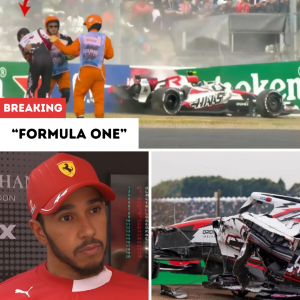
The paddock was brutally awakened to the severe, life-threatening human cost of this extreme technical complexity during the Japanese Grand Prix. Young talent Ollie Bearman became the horrific focal point of this engineering flaw when he was caught in a massive closing speed delta—reportedly an astonishing 45 kilometers per hour—while helplessly transitioning between software energy modes at incredibly high speeds. His car snapped out of control, violently hitting the grass before slamming into the trackside barriers in a sustained, bone-crushing 50G impact. While it is a testament to modern chassis safety that Bearman managed to walk away from the wreckage, the incident sent violent shockwaves of genuine fear throughout the entire paddock. The threat was deemed so critically imminent that race organizers were forced to execute emergency, midweek track modifications to address the lethal risk. Lewis Hamilton has consistently sounded the alarm regarding this exact scenario, warning that these unpredictable power shifts are actively creating highly dangerous zones on the track that current safety infrastructure simply cannot contain.
This mounting, unsustainable pressure brings the sport to Judgment Day. On April 9th, the FIA, furious team principals, and deeply concerned power unit manufacturers are convening for the most critical emergency meeting in recent Formula 1 memory. There are currently six highly debated emergency fixes on the table, all with the desperate goal of implementing structural changes before the high-profile Miami Grand Prix on May 3rd. The primary focus is on drastically increasing the highly controversial “super clipping” thresholds. This would theoretically allow drivers to safely harvest necessary energy at full throttle without experiencing the violent, dangerous power drops that are directly causing these terrifying closing speeds.
Yet, beneath the very real concerns for human safety lies the inevitable, ruthless underbelly of Formula 1 politics. Mercedes and Ferrari have undeniably mastered this wildly complex new formula, building the most effective power units and dominating the early season. The incredibly cynical question echoing in the motorhomes is simple: why would the winning teams willingly support dramatic rule changes that essentially hand their struggling rivals, specifically Red Bull and Ford, a sudden competitive lifeline? While safety is heavily promoted as the absolute public priority, the cutthroat nature of competition never sleeps in this multi-billion dollar sport.
As the emergency summit approaches, the motorsport world remains fiercely divided, largely due to Max Verstappen’s relentless, scorching crusade. During the recent race weekend in China, the Dutch champion crossed a line that many felt was profoundly dangerous for the sport’s PR. He didn’t just harshly criticize the cars; he effectively insulted the millions of fans tuning in, boldly stating that anyone who actually enjoys the 2026 product “really don’t know what racing is about”. For a global sport that has experienced massive, unprecedented growth largely by attracting a younger, highly engaged generation of newer fans, alienating the audience is an incredibly risky maneuver.
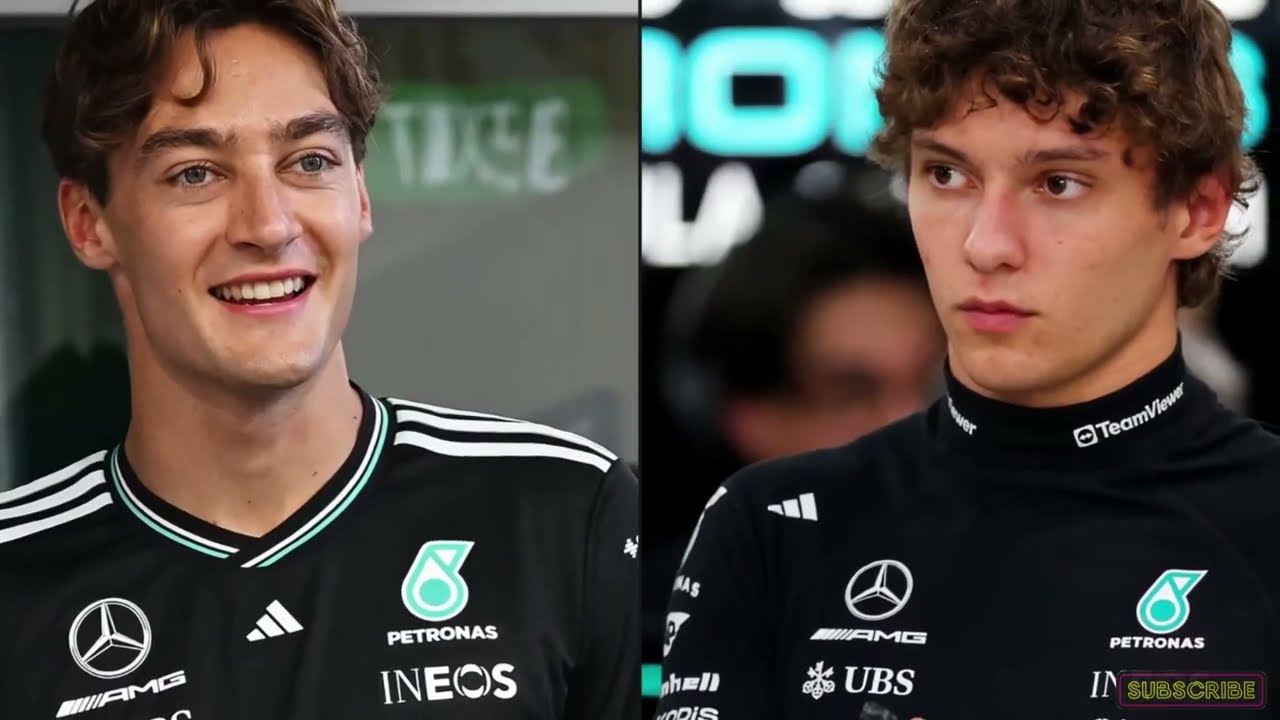
Is Verstappen merely a sore loser acting out because Red Bull is no longer the completely dominant, untouchable force it once was? It is entirely possible, especially considering that drivers like George Russell and young phenom Kimi Antonelli are seemingly thriving under these exact same polarizing rules. But is Verstappen’s core philosophical argument—that the raw purity of motor racing is being tragically suffocated by lines of battery management software—fundamentally valid? Absolutely, and many deeply respected legends of the sport quietly agree with his sentiment.
Formula 1 is standing on the edge of a precipice. The sport desperately needs to find a workable middle ground between technological innovation and safe, pure racing, and it needs to find it immediately. If the proposed fixes surrounding super clipping and energy management are successfully pushed through, fans could potentially witness much more consistent, dramatically safer, and authentically thrilling racing by the time the grid arrives in Miami. If the politics stall the progress, however, the world should brace itself for more terrifying yo-yo moments, more artificial overtakes, and a rapidly growing chorus of influential voices demanding to know if this entire electric era was a catastrophic mistake. The soul of Formula 1 is actively on trial, and the verdict will echo for decades to come.