The first chapter of Formula 1’s radical 2026 era has been written on the sun-drenched streets of Albert Park, but the ink is dry on a narrative defined more by “what could have been” than by the triumph of the machines. While George Russell led a commanding Mercedes one-two finish at the Australian Grand Prix, the celebration in the Silver Arrows’ garage stands in stark contrast to a growing sense of dread permeating the rest of the paddock.
The 2026 regulations—intended to usher in a sustainable, competitive future—have instead debuted with a series of terrifying near-misses, technical failures, and a level of unpredictability that has left champions like Max Verstappen and Lando Norris sounding the alarm for driver safety.
The weekend began with an incident so bizarre it felt like a glitch in the simulation. Oscar Piastri, the local hero carrying the weight of a nation’s expectations, didn’t even make it to the starting grid. On his sighting lap, a sudden and unexpected “surge” of 100 kW—roughly 134 brake horsepower—spat his McLaren into the Turn 4 wall.
The surge, combined with cold tires and a high curb, turned a routine lap into a career-defining embarrassment for the young Australian. Piastri’s vacant grid spot served as a haunting omen for what was to come when the five red lights finally extinguished.
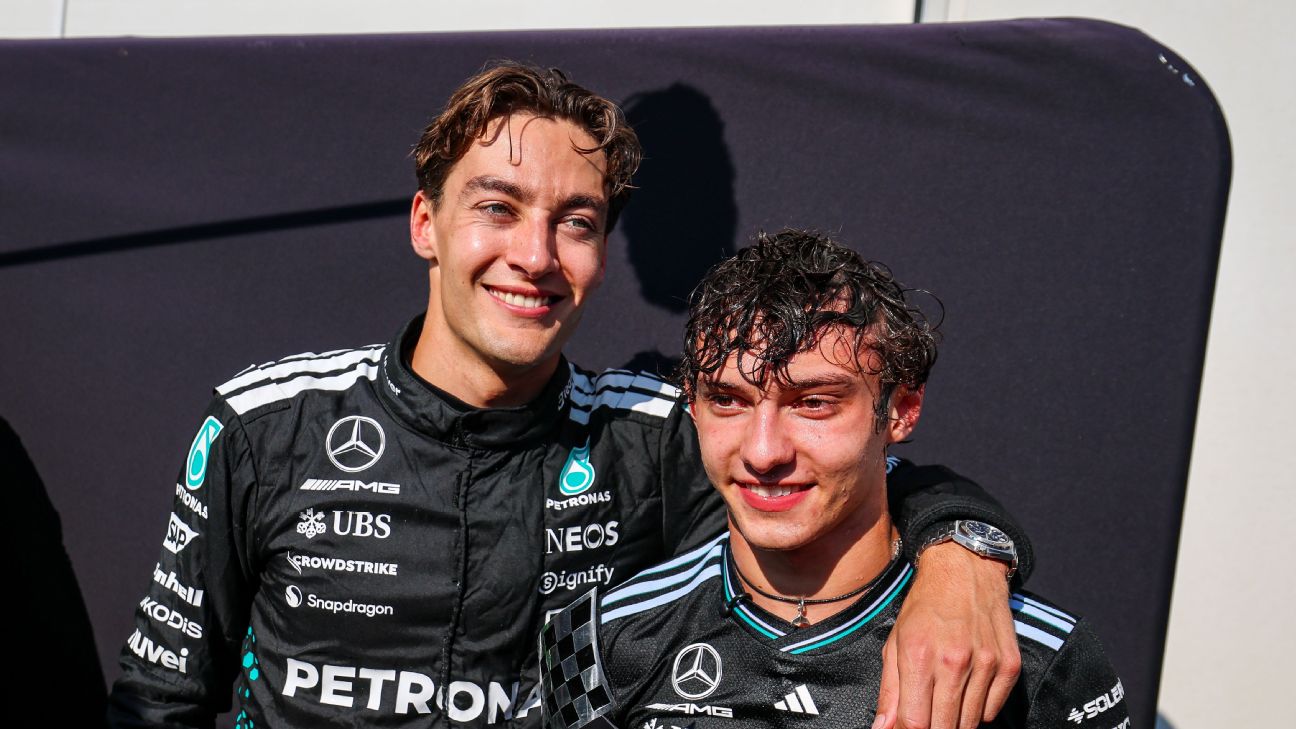
What followed was a start that can only be described as “sketchy”—a word that appeared in the post-race reports of four different drivers, including Franco Colapinto, Pierre Gasly, Carlos Sainz, and race winner George Russell. The new 2026 engines, which require an “inexact science” of turbo-spooling to avoid lag, created a massive disparity in getaway speeds. While Charles Leclerc used a superior launch to rocket into the lead, others found themselves essentially stationary. The most harrowing moment occurred when Franco Colapinto had to rely on “reactions like the fastest of cats” to weave between a slow-moving Liam Lawson and the pit wall. Had Colapinto been a fraction of a second slower, the resulting impact would have necessitated an immediate red flag and likely resulted in one of the most violent crashes in recent memory.
“Dangerous,” “sketchy,” and “horrific” are not words usually associated with the sport’s regulatory success, yet they dominated the conversation in Melbourne. The drivers are in almost total unison: the current “straight mode” configurations and start procedures are a recipe for disaster. Lando Norris was blunt in his assessment, warning that “sooner or later, something pretty horrific is going to happen.” The issue stems from a lack of battery charge after the formation lap, meaning the electrical boost—intended to kick in at 30 km/h—simply fails for some while working for others. This creates a “Mario Kart” dynamic where cars are traveling at wildly different speeds on the same piece of tarmac, making every overtake a high-stakes gamble.
Max Verstappen, who recovered from a 20th-place start to finish 6th, has been the most vocal in his call for FIA intervention. The three-time world champion isn’t being critical for the sake of controversy; his concerns are rooted in a deep love for “proper” racing. Verstappen likened the constant back-and-forth of “yo-yo racing”—where cars swap places solely based on battery deployment rather than skill—to a video game rather than the pinnacle of motorsport. The massive closing speeds on the straights, often reaching 50 km/h of differential, have turned world-class athletes into sitting ducks. The FIA has reportedly signaled a willingness to refine the rules post-China, but for many on the grid, that deadline feels dangerously far away.

The technical malaise isn’t limited to the front-runners. The situation at Aston Martin has reached a state of near-absurdity. The much-vaunted partnership with Honda produced a car so plagued by vibrations that Fernando Alonso and Lance Stroll spent their Thursday warning of “permanent nerve damage” to their hands and feet. In a move that felt more like a “mid-season test session” than a Grand Prix, both drivers spent large portions of the race in the garage, only to be released back onto the track to gather data. Alonso’s valiant effort to secure a temporary 10th place showed the car has pace, but the “reverberating” chassis has made every lap a physical ordeal.
Amidst the chaos, there were flashes of brilliance that offered a glimmer of hope. Arvid Lindblad, the only rookie on the grid, delivered a spectacular eighth-place finish for the RB team, proving that pure racecraft still exists even within the confines of complex energy management. Gabriel Bortoleto’s ninth-place finish for Audi also signaled that the German manufacturer is ready to compete on a technical level, even as the regulatory body struggles to find the right balance.
Lewis Hamilton, surprisingly, was the most positive voice in the paddock. Despite finishing fourth after a Ferrari strategy error left him exposed on old tires, the Brit was “adamant” that the new rules are “fun” and that Ferrari is in a prime position to challenge Mercedes. Hamilton’s optimism is a rare commodity in a paddock currently defined by anxiety, but even he cautioned that Mercedes is “not impossible” to catch. His battle with Leclerc for the podium was a highlight of the race, showing that when the battery management works, the cars can indeed engage in thrilling, clean combat.
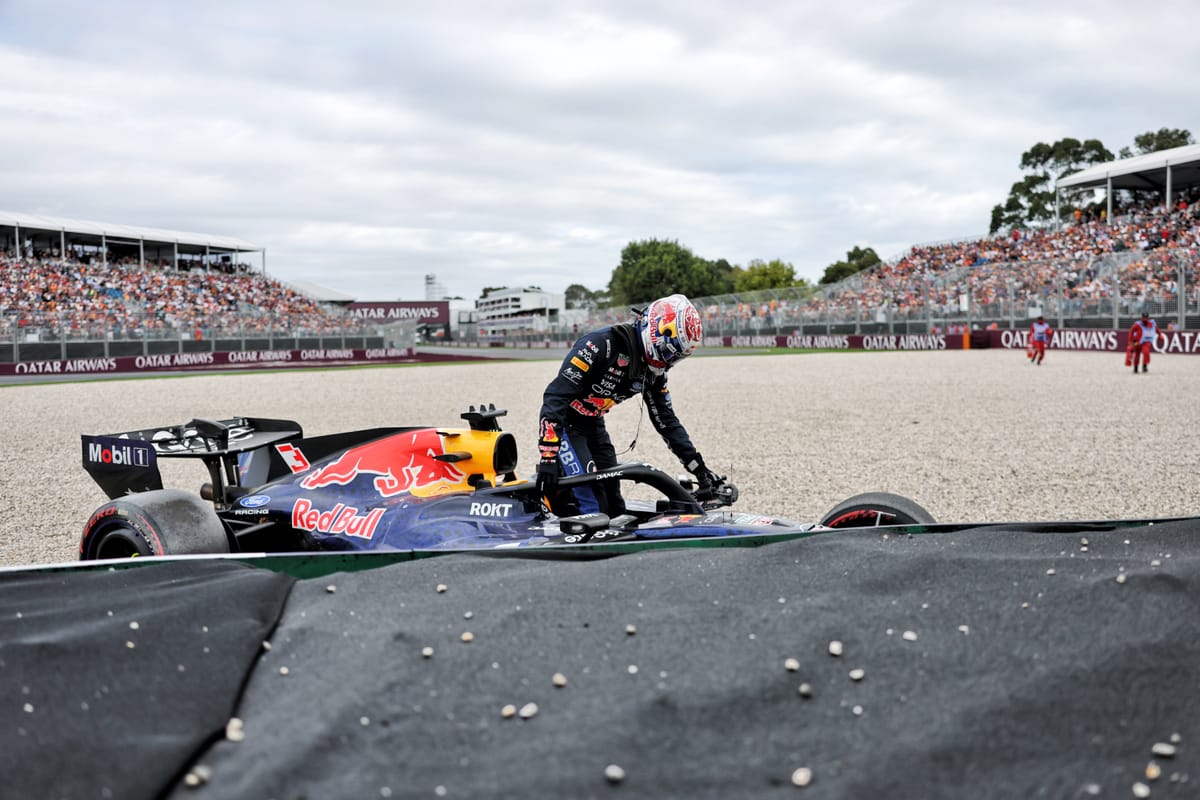
However, the “fun” factor for Hamilton does not erase the systemic safety issues that Melbourne exposed. The “straight mode” between Turn 6 and 9—a zone characterized by high speeds and low downforce—has been labeled “sketchy” by the very man who won the race. If the fastest drivers in the world are telling the governing body that the car feels like it has no front grip in critical zones, the FIA must listen.
The Australian Grand Prix was a wake-up call. It proved that while Formula 1 can manufacture overtakes and “yo-yo” excitement, it cannot manufacture safety. As the circus heads to Shanghai—a circuit with one of the longest straights on the calendar—the tension is palpable. The “Mario Kart” era has arrived, but if the sport doesn’t refine its rules before a “big shunt” occurs, the 2026 revolution may be remembered for all the wrong reasons. The race for the championship is on, but the race for a safer, more “real” Formula 1 is even more critical.