The 2025 Formula 1 season has been rocked by escalating tensions between the FIA and the sport’s drivers and teams, with FIA president Mohammed Ben Sulayem at the center of a firestorm.
From controversial penalties to a lack of transparency, Ben Sulayem’s leadership has drawn fierce criticism, culminating in a heated clash with Max Verstappen at the Saudi Arabian Grand Prix in Jeddah.
As key figures depart the FIA and drivers like Lewis Hamilton and George Russell publicly voice their discontent, the paddock is buzzing with calls for change—raising the question of whether Ben Sulayem’s days are numbered and who might replace him.

The latest controversy erupted in Jeddah, where Verstappen received a 5-second penalty for a Turn 1 incident with Lando Norris on the opening lap—a call that many felt was debatable, with some arguing it warranted a harsher 10-second penalty. Verstappen, visibly furious, was approached by Ben Sulayem post-race, a move interpreted as an attempt to silence the Dutchman’s criticism of the FIA. Verstappen, wary of further penalties, refrained from speaking out, stating, “I cannot share my opinion because I might get penalized… It’s better if I don’t say too much.” His reluctance to engage underscores a broader sentiment among drivers that Ben Sulayem’s leadership stifles free expression. The FIA president’s history of imposing strict rules, such as banning drivers from sharing personal or political views without approval and penalizing foul language with harsh measures like race bans, has fueled perceptions that the sport is becoming overly restrictive.
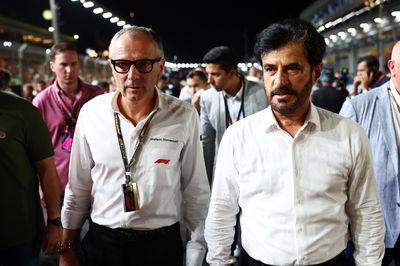
Ben Sulayem’s troubles extend beyond the drivers. Internally, the FIA is in disarray, with high-profile departures signaling deep unrest. Former vice president Robert Reid and Motorsport UK chairman David Richards recently left after being barred from a crucial World Motorsport Council meeting—where the mandatory two-stop strategy for Monaco was voted on—for refusing to sign a non-disclosure agreement (NDA). Reid’s exit statement criticized the FIA for straying from its competitive standards, accusing it of prioritizing drama over integrity. This lack of transparency has also drawn ire from the Grand Prix Drivers’ Association (GPDA), with president George Russell lamenting the FIA’s opaque decision-making. “Every time we hear news from the FIA, it’s not really a surprise,” Russell said, calling for greater collaboration and stability in the sport.
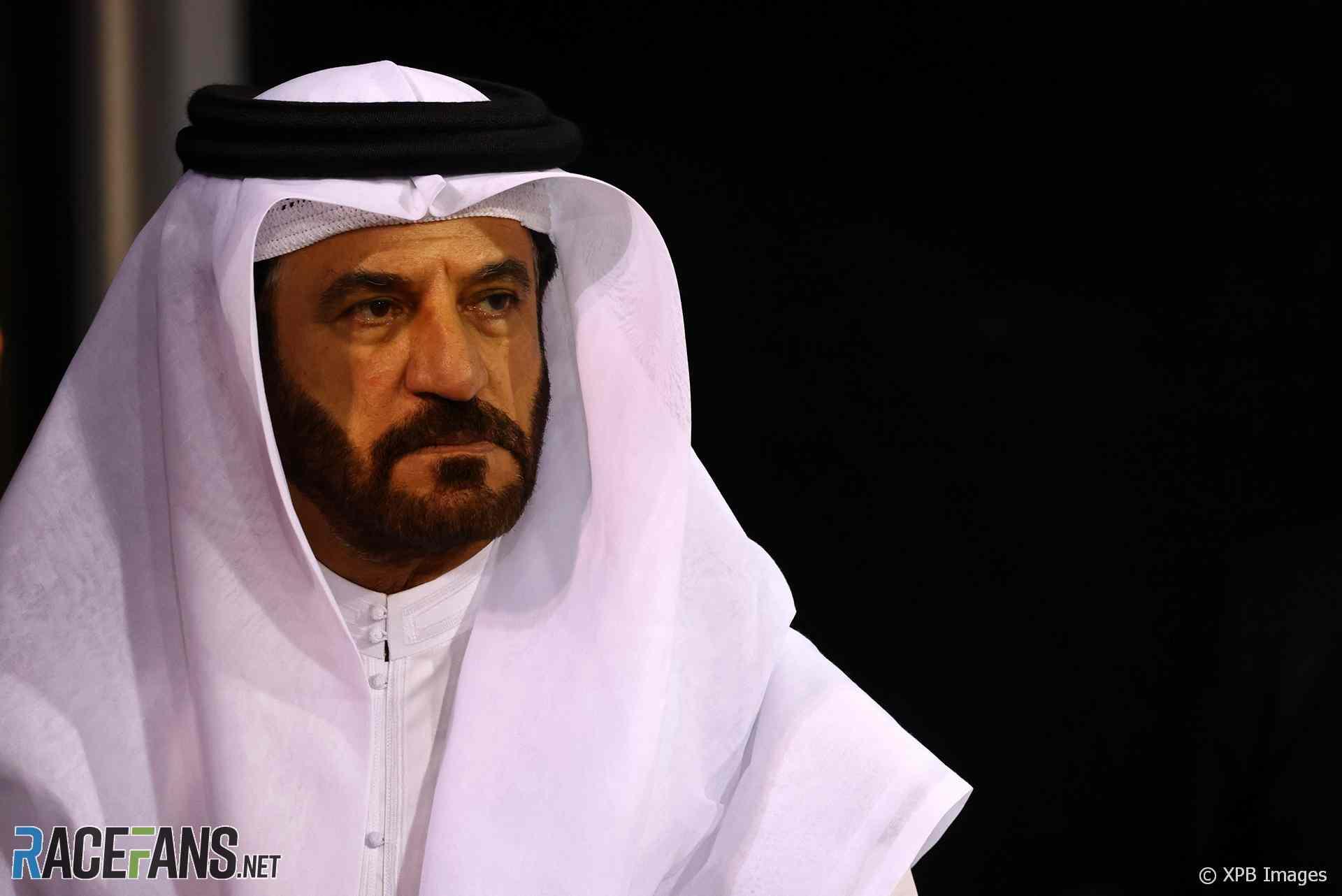
The FIA’s governance under Ben Sulayem has also strained relations with Formula 1 and its commercial rights holder, Liberty Media. When a Saudi Arabian fund offered $30 million for F1’s rights—an offer Liberty declined—Ben Sulayem suggested the sport might be overvaluing itself, risking partnerships and growth. This comment infuriated F1 CEO Stefano Domenicali, further isolating Ben Sulayem. His direct interference with drivers, such as joining podium celebrations in Azerbaijan in 2024, has also been criticized as overstepping traditional boundaries for an FIA president, with Hamilton publicly snubbing him in Jeddah and Verstappen avoiding engagement altogether.

As discontent grows, Susie Wolff, a respected figure in motorsport and former managing director of F1 Academy, has emerged as a potential successor. Wolff’s own history with Ben Sulayem—stemming from an FIA investigation into her and her husband Toto Wolff that was dropped without evidence—has made her a vocal critic of his leadership. With a crucial meeting at the end of 2025 to determine Ben Sulayem’s future, the sport stands at a crossroads. Will the FIA heed the calls for change from drivers, teams, and fans, or will Ben Sulayem cling to power? One thing is certain: the chaos he’s unleashed threatens to reshape Formula 1’s future.
