Formula 1 is currently navigating one of those fascinating, almost eerie moments in the season where the calendar itself begins to dictate the terms of the championship battle. We are witnessing a run of intense races at the start of the year that has already forced teams to think differently about their engineering limits. And now, the unexpected cadence in the schedule has completely changed the way everybody is approaching their development pipeline. Instead of aggressively pushing updates out race after race—a strategy that defined the previous eras of motorsport—a lot of teams are stepping back, taking a deep breath, and asking a very simple but incredibly expensive question: Where do we actually want to spend our limited resources?
This strategic hesitation is exactly why the Miami Grand Prix has suddenly become the big target on the horizon. For a vast majority of the teams on the grid, that glamorous race in Florida is now circled in red ink as the point where their main, season-defining packages are supposed to finally arrive. We are not talking about small tweaks, minor weight reductions, or cosmetic changes to the sidepods. We are talking about real, fundamental upgrades that have the power to entirely shift the direction of the season and dictate the balance of power. But before the traveling circus can even begin to think about the sunny shores of Miami, there is still the monumental hurdle of Suzuka.
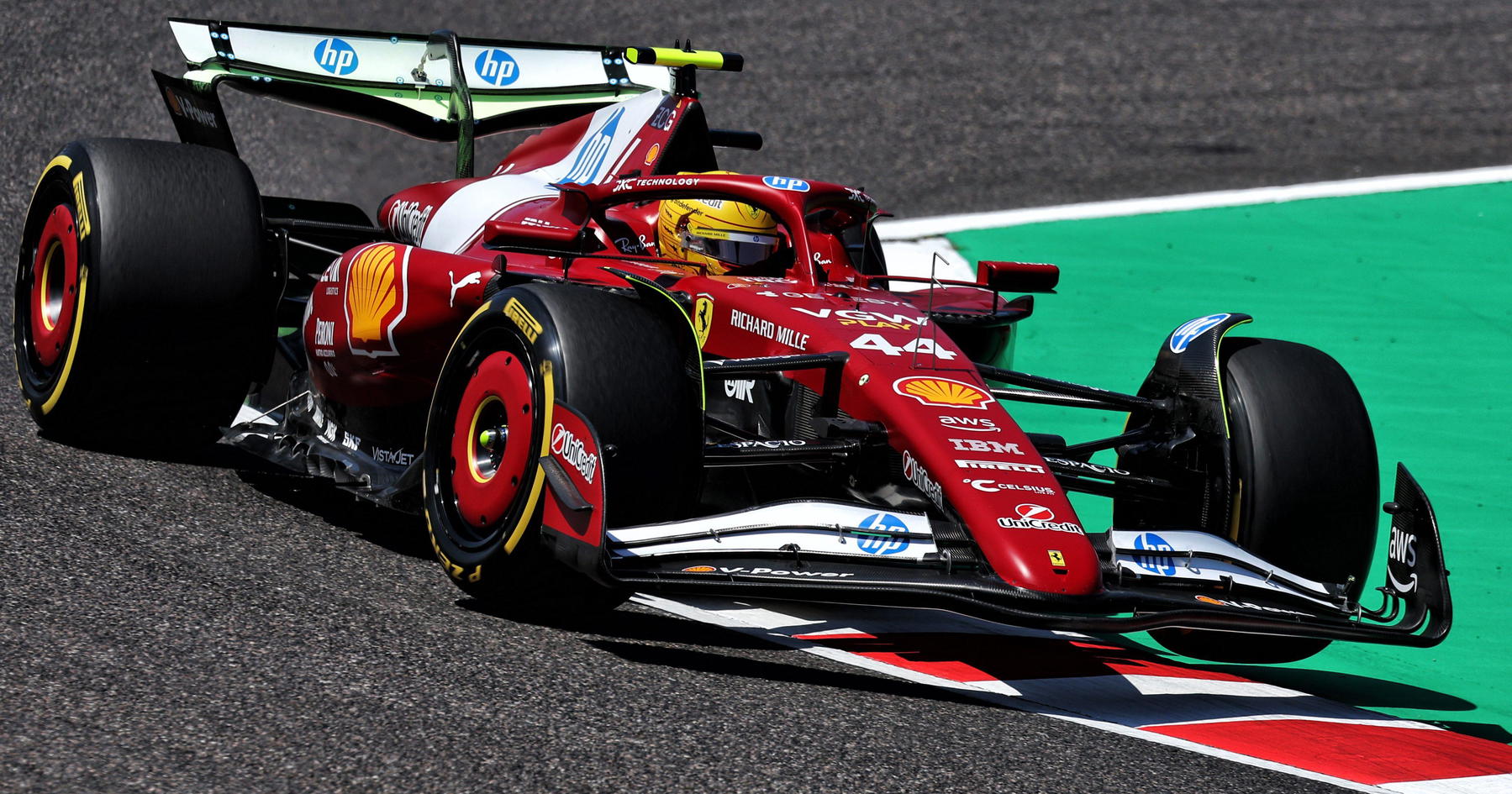
Let us be entirely clear: Suzuka is never just another race on the calendar. It is a legendary, high-speed crucible. It is one of those incredibly rare, unforgiving circuits that tells the absolute truth about a race car very quickly. If your aerodynamic profile is weak, Suzuka will show it. If your mechanical balance is off, Suzuka will expose it. If your engine delivery is not smooth enough to handle the sweeping transitions, Suzuka will highlight every single flaw for the entire world to see. This track does not hide anything. That is exactly what makes this upcoming weekend so incredibly interesting, tense, and vital. Even without giant, revolutionary upgrades scattered everywhere across the paddock, Suzuka can still reveal much more than people expect. It is the kind of circuit where high-speed corners, medium-speed flow, and low-speed traction all have to work perfectly in harmony together. You desperately need a car that is stable, efficient, and confident in every single phase of the lap. If one piece of that complex puzzle is missing, the whole package immediately starts to look drastically worse than it really is.
That undeniable reality is also why so many teams are taking a surprisingly conservative approach right now. With the strict financial regulations of the cost cap tightening the noose even more securely around the operations of every team, it simply does not make much sense to burn through major portions of the budget on a weekend where the immediate gains might be fundamentally limited by a lack of understanding. Why throw absolutely everything at Suzuka if that exact same money can be meticulously used to build a much stronger, more refined, and more thoroughly tested package for Miami? From a pure strategy point of view, that logic makes total sense. But in the ruthless world of Formula 1, patience can also be incredibly dangerous. Every single race you hold back your development is a race where somebody else might boldly move ahead of you, snatching away vital championship points that you can never get back. So the real question echoing down the pit lane is this: Are teams being brilliantly smart by saving their biggest weapons for later, or are they foolishly giving their fierce rivals entirely too much room to breathe?
This fascinating dynamic is exactly where the first major split in the paddock begins to show up. Some teams are perfectly happy to wait, confident in their baseline. Others simply cannot afford to sit on their hands. Because while some teams are under immense pressure from their boards to make bold moves immediately, others are playing a much more controlled, long-term game. And honestly, you can understand why. Under the modern cost cap, every single carbon fiber upgrade has a heavy price. Not just financially, but in terms of future development direction and wind tunnel time. If you get it wrong, you are not just wasting precious hours; you are potentially setting your entire organization back for multiple races while you try to untangle the mess.
That cautious philosophy is exactly why midfield competitors like the Haas F1 Team are taking a very measured approach heading into Japan. Their car has been surprisingly consistent this year. It has delivered solid, respectable performances within its natural limits, and instead of blindly chasing something dramatic that could upset the balance, their focus remains completely on small, highly targeted adjustments. We are talking about delicate fine-tuning rather than wholesale transformation. It is the kind of pragmatic strategy that does not grab the front-page headlines, but it keeps the car stable and predictable while bigger, more ambitious plans are prepared quietly in the background. A very similar philosophy is being diligently followed by the Racing Bulls. Once again, we are seeing no major overhaul, no radically risky concepts being rushed onto the car—just incremental gains, small aerodynamic tweaks, detailed setup refinements, and careful evaluation of how the car behaves across different types of challenging corners. It is fundamentally a containment strategy. In a season where development can so easily spiral completely out of control, that kind of disciplined restraint can actually be a massive strength.
Then you have a fascinating newcomer like Cadillac, a brand that is still actively in the complex process of building its unique identity within the Formula 1 ecosystem. For them, every single race is part of a much longer, steeper learning curve. The car has already shown some very interesting signs of raw pace, especially in the more flowing sections of previous tracks. But Suzuka is going to be a completely different animal. That legendary first sector, with its famously fast and sweeping “S” curves, demands absolute and complete aerodynamic confidence from the driver. If the car is even slightly unstable or unpredictable there, the lap time disappears instantly into thin air. So for Cadillac, this weekend is significantly less about chasing immediate results and much more about understanding exactly where the physical limits of their aggressive design truly lie.
And then we get to the much more mysterious cases currently floating around the grid. Both the Audi F1 team and the Alpine F1 team are operating a little bit under the radar right now. There are no clear, definitive signals about major updates coming from their camps, and no strong public statements about their future direction. That profound silence naturally leaves plenty of room for intense interpretation. Either they are quietly and methodically preparing something massively significant for later in the season, or they are still desperately trying to fully understand the complicated quirks of their current packages before committing millions of dollars to the next evolutionary step. In the secretive world of Formula 1, silence can either mean supreme confidence or terrifying uncertainty.
Now, compare all of that midfield maneuvering to a juggernaut like the Mercedes AMG Petronas Formula 1 team, and the situation becomes even more heavily strategic. They already possess a highly competitive car. They already know they have the fundamental pace to win races. So, from their privileged perspective, there is absolutely no urgency to rush unproven updates onto the car for a highly specific circuit like Suzuka, where the potential gains might only be marginal at best. Why spend a huge chunk of your precious development budget now if you can smartly invest it into a much larger, more globally effective package later in the year? It is a cold, calculated decision, and on paper, it makes perfect, logical sense. But here is the massive risk involved in that strategy: When you consciously choose to wait, you are betting heavily that absolutely nobody else on the grid will take a massive step forward in the meantime.
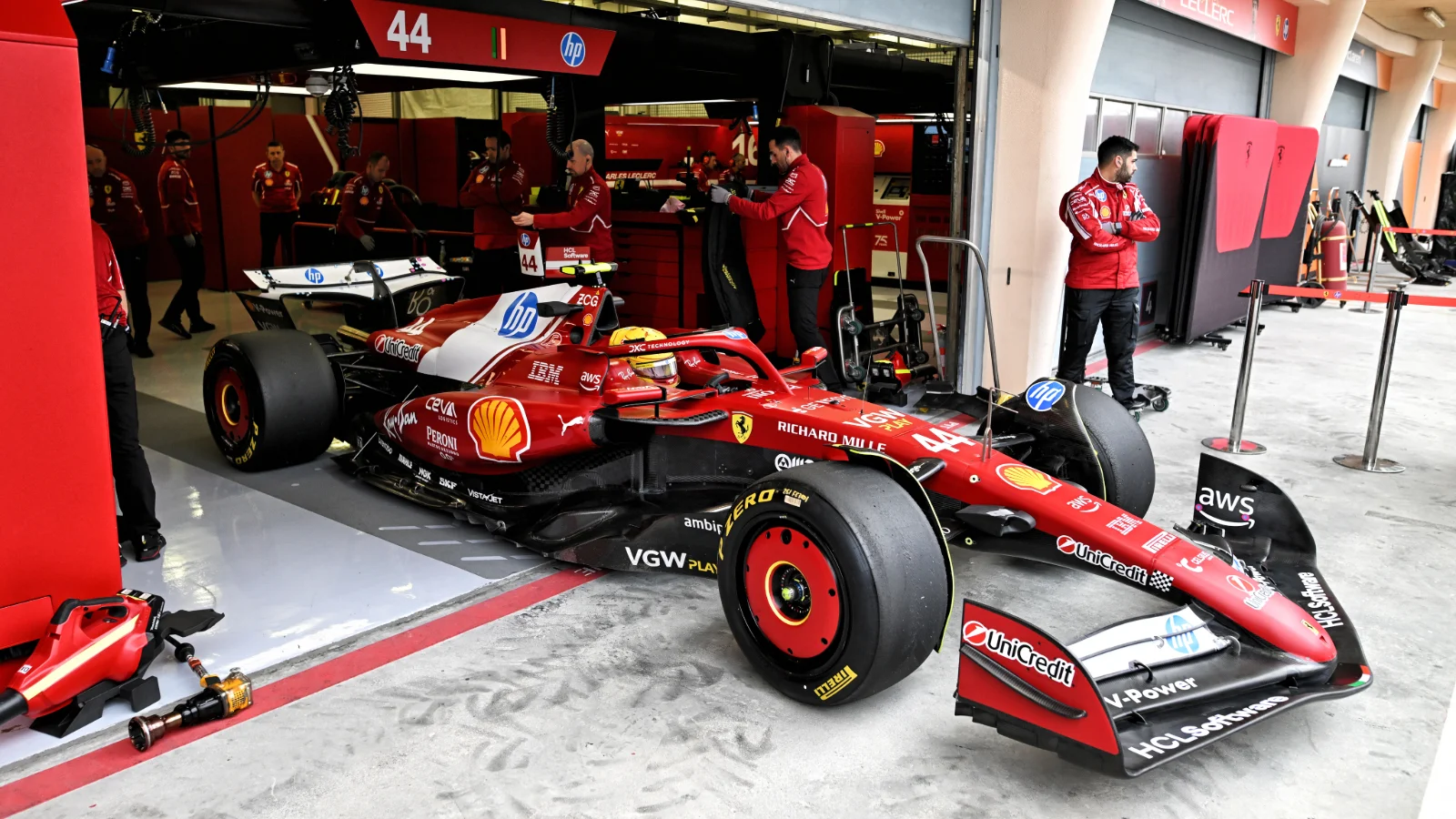
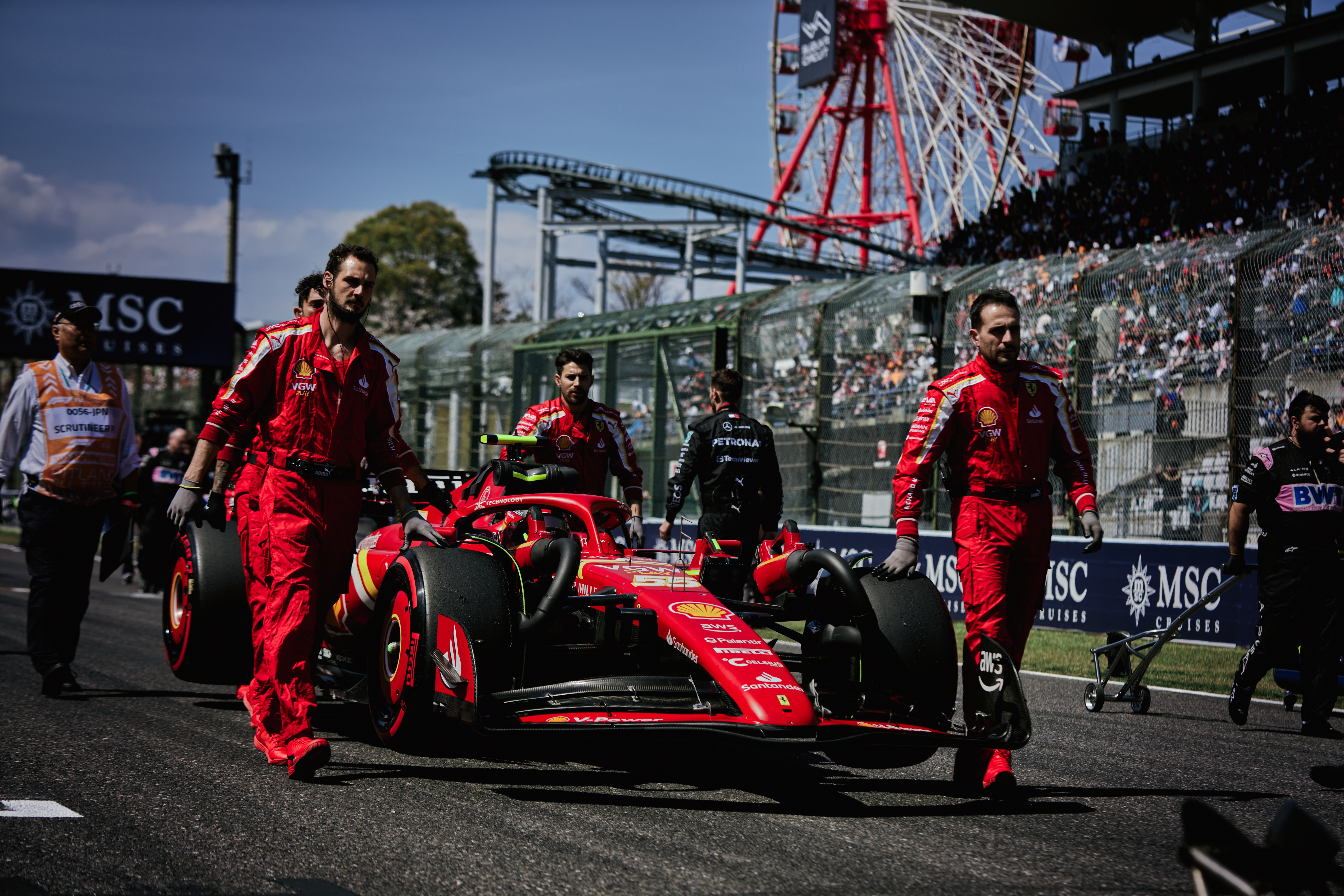
And that is exactly where things start to get deeply uncomfortable for the top contenders. Because while these cautious teams are refining, holding back, and meticulously preparing for Miami, others are approaching this weekend with a very different, much more aggressive mindset. Let’s start with Scuderia Ferrari, because their current situation is undeniably one of the most intriguing and heavily scrutinized on the grid right now. On one hand, the legendary Italian team has shown enough raw performance to firmly stay in the championship fight. On the other hand, their highly anticipated big upgrade package keeps getting mysteriously pushed back. What was originally supposed to arrive much earlier has now been delayed multiple times, and absolutely everything points to Miami as the definitive moment where the real aerodynamic transformation is expected to finally happen.
So what does that actually mean for their prospects at Suzuka? It heavily implies that this weekend is vastly more about careful refinement than outright revolution for the Prancing Horse. The engineering focus is expected to be intensely centered on front-end behavior, particularly detailed adjustments to the front wing and perfecting the aerodynamic balance across different types of challenging corners. These are certainly not the kind of headline-grabbing changes that thrill the fans, but they are absolutely critical to success. Suzuka aggressively demands steering precision, and even a minuscule improvement in how the car eagerly responds through high-speed direction changes can instantly unlock highly significant lap time. There is also the distinct possibility of previously removed aerodynamic elements returning to the red car now that they have been revised and officially cleared for use. If that happens, it could provide a subtle but deeply important boost to their pace. Still, let’s be entirely honest with ourselves—this feels like a modest preview rather than the main event. Ferrari is clearly holding something major back, and that naturally raises a pivotal question: Is this brilliant strategic patience, or is it genuine engineering hesitation?
Now, carefully compare that situation to Red Bull Racing, and the looming uncertainty becomes even more fascinating for the sport. This is a historic team that rarely, if ever, shows weakness to the public. Yet, after a surprisingly disappointing performance in the previous race, there are real, difficult questions being asked internally within the garage. The outward message remains firmly calm: no panic, no crisis. But at the exact same time, there is a clear, undeniable understanding that the car desperately needs to evolve if they want to maintain their supremacy. Frustrating issues with long-term tire management and unpredictable power delivery have unexpectedly started to appear, and those are simply not the kind of foundational problems you can casually ignore for very long. Red Bull is widely expected to bring updates to Suzuka, but the actual scale and impact of those updates remain remarkably unclear. It could be a highly meaningful step forward, or it could simply be a minor transitional package leading into something much bigger and more aggressive in Miami. There are even loud whispers echoing through the paddock that the team is quietly experimenting with completely new aerodynamic concepts, possibly heavily influenced by innovative solutions seen elsewhere on the grid. If that rumor is true, it could signal a much deeper, more profound shift in their entire design philosophy—something we almost never see from a team that has been so ruthlessly dominant in recent years.
This is exactly why the Suzuka weekend matters so incredibly much for every single team on the grid. It is not just about raw lap time or collecting a shiny trophy. It is about uncovering the ultimate direction of the season. Are Ferrari’s incremental changes brilliantly building towards something unstoppable, or are they just nervously delaying the inevitable moment of truth? Is Red Bull about to unlock a terrifying new level of hidden performance, or are they still desperately searching for basic answers to complex problems? By the time the checkered flag finally waves at the Suzuka circuit, every team will possess a much clearer, harsher picture of where they truly stand, and more importantly, exactly what they need to fix before the next major phase of the championship kicks into high gear. The undeniable truth of Formula 1 is about to be revealed, and there is absolutely nowhere left to hide.
