Mercedes is allegedly running its 2026 engine at a mere 70% power during qualifying sessions, a calculated move to keep Ferrari and other competitors from accessing crucial engine upgrades. This strategy could redefine the competitive landscape of Formula 1, raising questions about the integrity of the sport and its regulations.
Reports from Italy suggest that Mercedes is intentionally dialing back engine power to maintain a competitive edge without triggering the FIA’s adjustment of development and usage opportunities (ADU) system. This system, designed to prevent a repeat of Mercedes’ past dominance, could inadvertently allow them to control the competition by limiting rivals’ access to upgrades.
The FIA’s internal combustion engine performance index measures raw engine output, isolating it from chassis performance and aerodynamics. If a manufacturer falls between 2% to 4% behind the benchmark, they qualify for additional upgrades. Mercedes, however, appears to be carefully managing its performance to avoid falling into that threshold, keeping rivals like Ferrari in the dark.

During preseason testing, while Ferrari’s Charles Leclerc posted impressive times, Mercedes racked up the most mileage, hinting at a different strategy: learning the car while keeping its power unit restrained. Max Verstappen, sensing something amiss, warned that Mercedes would unleash their full potential when it mattered most.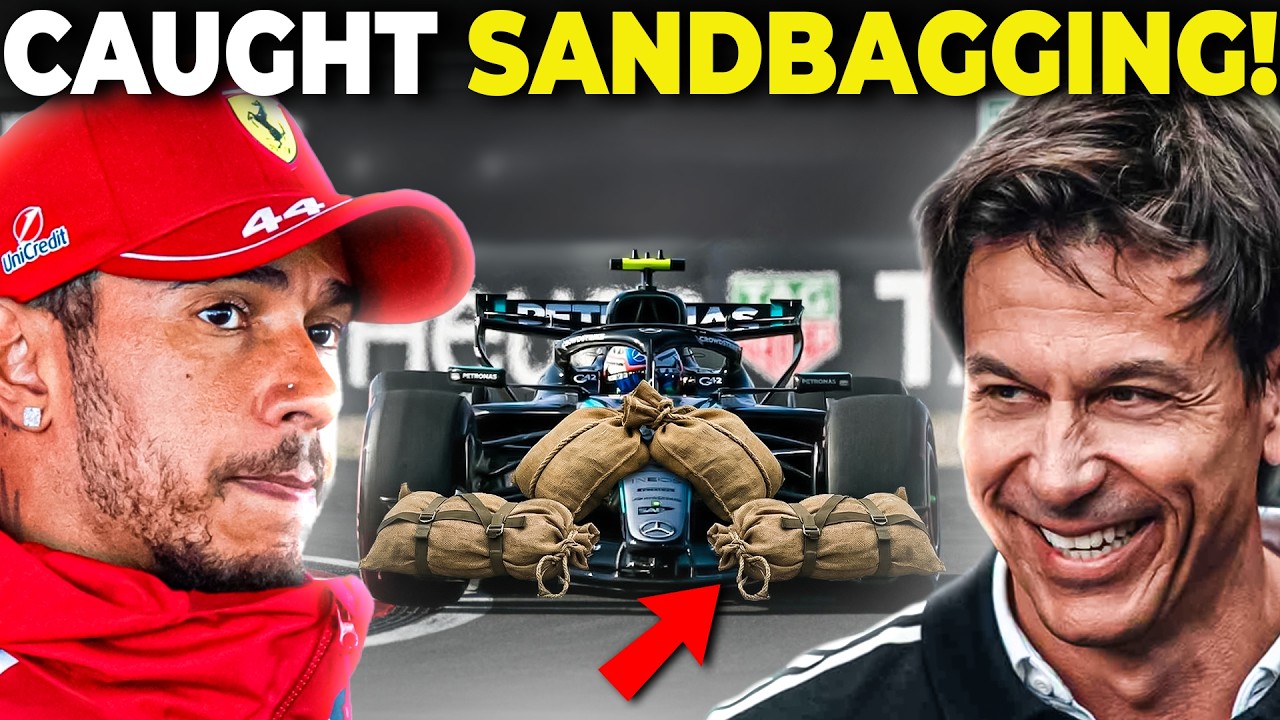
The season opener in Melbourne confirmed suspicions, as George Russell secured pole position and led Mercedes to a one-two finish, leaving Ferrari trailing. The telemetry data indicated a distinct performance advantage, further fueling accusations of sandbagging from rival teams and analysts alike.

Toto Wolff’s vague denials about sandbagging only added fuel to the fire. He acknowledged the weight of the car could affect lap times, hinting at a deliberate strategy to manage performance. Ferrari’s Fred Vasseur was less diplomatic, openly accusing Mercedes of suppressing their true power during qualifying.
As the season unfolds, the gap between qualifying and race performance raises eyebrows. Mercedes has dominated the early races, but the race pace has not always matched the qualifying superiority, suggesting they may be holding back. This tactic not only secures their position but also prevents rivals from gaining the upgrades they desperately need.
With the first ADU evaluation window approaching at the Miami Grand Prix, the stakes are high. If Ferrari and Red Bull fall behind the 2% threshold, they could gain significant upgrades, but only if Mercedes allows that gap to widen. The clock is ticking, and the implications of this strategy could shape the future of Formula 1.
As the paddock buzzes with speculation about Mercedes’ true performance capabilities, one thing is clear: the team has found a way to manipulate the rules to their advantage. Whether the FIA can close this loophole before the evaluation window remains to be seen, but it could determine if the 2026 season becomes a fierce battle or a masterclass in strategic dominance.