The world of Formula 1 is currently operating at a boiling point. While the on-track battles of the 2026 season have delivered their fair share of high-octane thrills, it is the deeply secretive, behind-the-scenes political warfare that is threatening to completely reshape the trajectory of the sport.
As the global racing circus takes a brief, tense breath following the opening trio of races in Australia, China, and Japan, a massive storm is brewing in the paddock.
Teams are aggressively digesting early data, technical regulations are teetering on the edge of massive revisions, and top-tier constructors are already weaponizing complex loopholes to gain an unfair advantage.
Formula 1 in 2026 is no longer just a simple contest of outright speed; it has morphed into a high-stakes chess match defined by hybrid strategy, boardroom politics, and breathtaking technological gambles. From Scuderia Ferrari’s desperate ambition to close a glaring performance gap to the terrifying whispers of Max Verstappen’s early retirement, this season is rapidly evolving into an unpredictable, high-speed thriller.
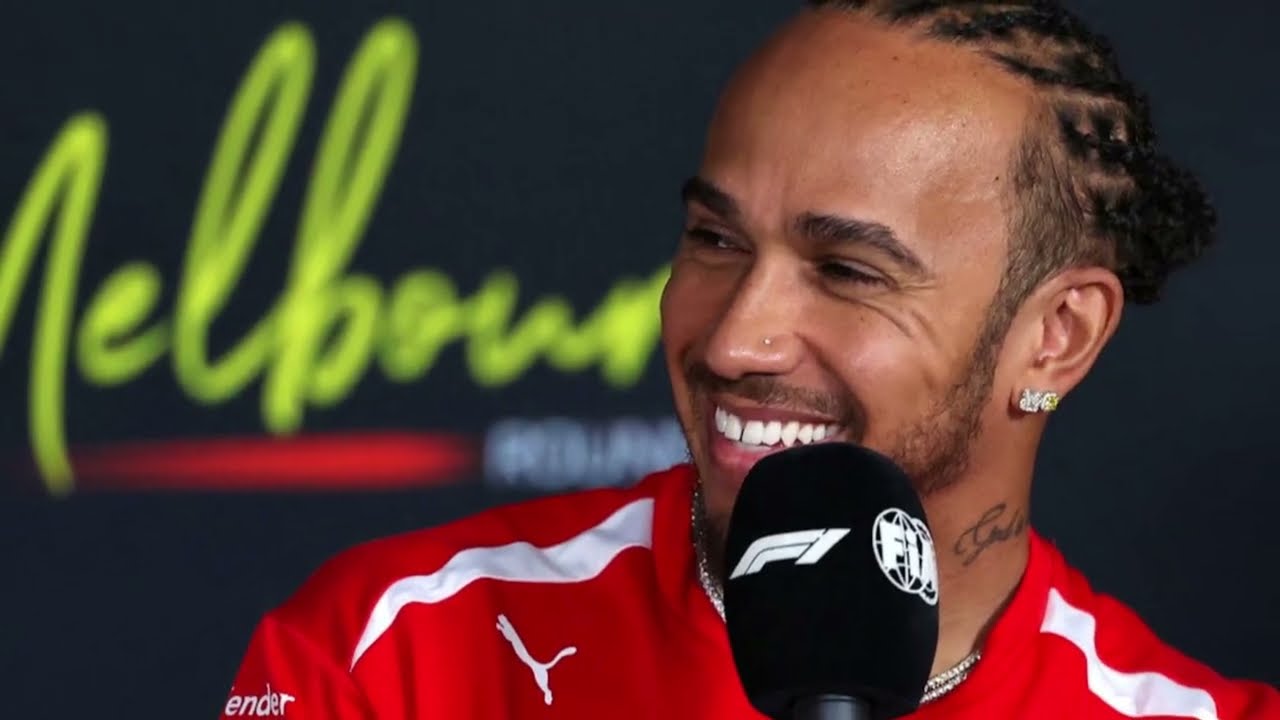
At the very center of this brewing storm sits the legendary Scuderia Ferrari and their 2026 challenger, the SF26. Despite flashes of undeniable brilliance that prove they remain one of the fastest teams on the grid, their overall performance continues to be overshadowed by the sheer dominance of the Mercedes AMG Petronas Formula 1 team and their monstrous W17. The brutal reality for the Prancing Horse is that their main Achilles’ heel lies deep within their hybrid power unit. Paddock insiders estimate that the Ferrari engine is currently bleeding around 20 horsepower compared to the Mercedes benchmark—a massive, almost insurmountable deficit in a sport where mere milliseconds dictate world championships.
To salvage their championship hopes, Ferrari is placing a staggering amount of faith in the ADO (Additional Development Opportunity) program. This highly controversial regulatory scheme acts as a lifeline, designed to grant struggling teams more flexibility to aggressively develop their engines mid-season. The ultimate outcome hinges on a highly anticipated, closed-door meeting scheduled for April 9th, where FIA regulators will decide if teams trailing by more than 2% in engine performance will be thrown this vital developmental allowance. For Ferrari, this single boardroom meeting could dictate whether they fight for the crown or spend the rest of the year hopelessly battling in the midfield.
However, refusing to simply wait for regulatory handouts, Ferrari is taking aggressive action on the tarmac. The Italian giants have locked in a critical filming day session on April 22nd at the iconic “Temple of Speed,” the Monza circuit. Over the course of a heavily scrutinized 200-kilometer run, superstar duo Charles Leclerc and Lewis Hamilton will take turns pushing the SF26 to its absolute limits. While filming days are strictly regulated to prevent full-scale testing, make no mistake—Ferrari will weaponize every single kilometer of this session to gather invaluable aerodynamic data. The primary mission? To relentlessly evaluate a radically redesigned floor aimed at generating massive downforce, while also tweaking a myriad of subtle aerodynamic components to stabilize the car across wildly fluctuating track conditions.
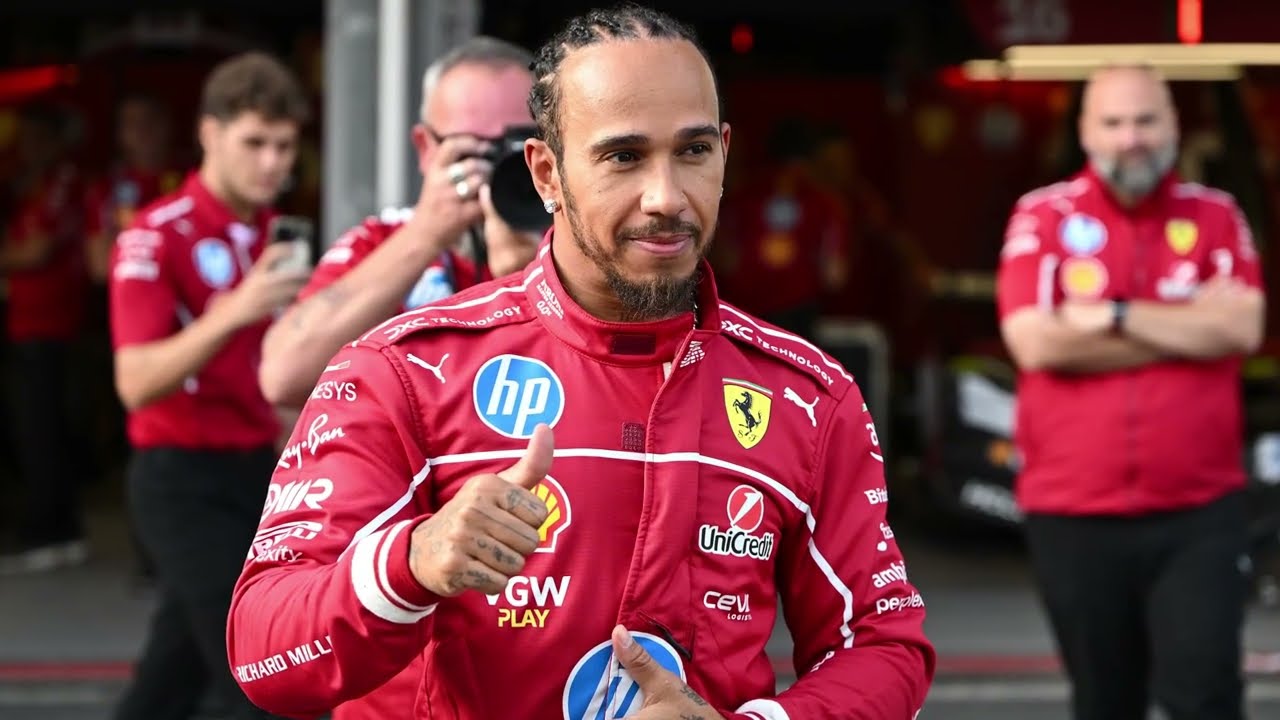
But it is what Ferrari has prepared for the highly anticipated Miami Grand Prix that is sending shockwaves of disbelief up and down the pit lane. The Maranello-based squad is reportedly preparing to debut a game-changing upgrade package that can only be described as absolute engineering insanity. Among vital cooling system upgrades strictly designed to survive the brutal, unforgiving Florida heat, Ferrari is set to unleash a revolutionary rear wing design that sounds like it was pulled straight out of a science fiction movie. Insiders reveal that this jaw-dropping wing is miraculously capable of actively rotating up to 180 degrees when the car engages straight-line mode. This mind-bending aerodynamic innovation is specifically designed to dramatically slash drag and deliver an explosive boost in top speed. However, early wind-tunnel and simulation tests have reportedly resulted in terrifying high-speed stability issues, forcing Ferrari engineers into a desperate race against the clock to refine the technology before it hits the Miami asphalt.
While teams desperately push the physical boundaries of engineering, the 2026 regulations themselves are currently under intense, heavy fire. The new hybrid era was supposed to usher in a golden age of sustainable, hyper-competitive racing, but deep foundational cracks are already showing. The most alarming issue is the terrifying performance drop-off at the end of long straights due to rapid battery energy depletion. Drivers are essentially becoming powerless passengers at 200 miles per hour, forced into heavily restrictive energy management systems that entirely neuter their ability to execute explosive, one-lap qualifying runs. Furthermore, the terrifying reality of these incredibly heavy, complex machines was thrust directly into the global spotlight following Oliver Bearman’s horrific 50G impact crash. This massive, jarring incident has served as a chilling wake-up call to the FIA, underscoring the urgent, non-negotiable need to drastically improve driver safety standards in an era where cars are operating on an absolute knife’s edge.
Amidst the safety concerns and regulatory chaos, the undeniable heavyweights of the sport are busy operating in the gray areas. Mercedes AMG Petronas and Red Bull Racing have reportedly unearthed an incredibly clever, controversial loophole involving the MGU-K system. Through highly calculated, intensely secretive energy deployment mapping, both teams have figured out exactly how to sustain maximum electrical power output for significantly longer periods on the long straights. This almost invisible advantage translates to massive top speed, allowing them to effortlessly slice through the air and defend against overtakes. However, this dark art comes with a brutal trade-off—heavily sacrificing energy recovery in the subsequent braking zones. While technically legal under the current, rigid phrasing of the rulebook, the FIA is reportedly launching an in-depth, microscopic review to determine if this aggressive energy exploitation poses a long-term threat to the competitive balance of the entire grid.

Perhaps the most shocking narrative of the 2026 season, however, has absolutely nothing to do with wings, batteries, or technical loopholes. It centers around the reigning king of Formula 1 himself, Max Verstappen. Whispers are rapidly turning into deafening roars that the four-time world champion is fundamentally losing his motivation to compete. As Red Bull Racing navigates deeply turbulent waters regarding their future development direction, Verstappen’s trademark relentless, aggressive hunger appears to be fading. Paddock sources are now openly discussing the terrifying prospect of Verstappen pulling the trigger on an early retirement. Although he is firmly contracted to Red Bull Racing until 2028, it is a well-known secret that his massive contract contains strict performance exit clauses. If the team fails to deliver a car capable of dominating the grid, the Dutch phenom could legitimately walk away from the sport at the absolute peak of his powers, leaving an unfillable void.
Finally, the unseen, grueling battle defining the 2026 season is the ruthless war against weight. Regulators set a wildly optimistic minimum car weight of 768 kilograms for the new era, a target that seemed nearly impossible given the immense bulk of the new, highly advanced hybrid systems. As it stands today, only the pure engineering brilliance of Mercedes, Ferrari, the newly formed Audi F1 Team, and McLaren has allowed them to successfully hit this crucial target. But the rest of the grid is suffering immensely. Legacy teams like Williams Racing are currently dragging significant, punishing excess weight around every single lap. In Formula 1, every extra kilogram acts as an anchor, brutally destroying acceleration, ravaging vital energy efficiency, and tearing Pirelli tires to shreds.
As the 2026 season hurtles toward the critical Miami Grand Prix, the grid remains a highly combustible powder keg of political tension, technological desperation, and brewing driver unrest. Whether these sweeping regulatory changes and wild aerodynamic innovations will elevate Formula 1 to glorious new heights or plunge it into uncontrollable chaos remains to be seen. But one thing is absolutely certain: you cannot afford to take your eyes off the track for a single second.
