Formula 1 is standing on the precipice of its most significant transformation in decades. As the dust settles on the 2025 season, the FIA and Formula 1 have finally pulled the covers off the definitive regulations for 2026, revealing a vision of the future that promises to be lighter, faster, and more electrifying. But as the new renders drop and the technical details are dissected, a wave of skepticism is crashing over the paddock. The promise of “better racing” is being met with blunt warnings from the sport’s biggest stars, raising an uncomfortable question: Is F1 about to ruin racing, or save it?
The Ferrari Simulator Verdict: Hamilton’s Warning
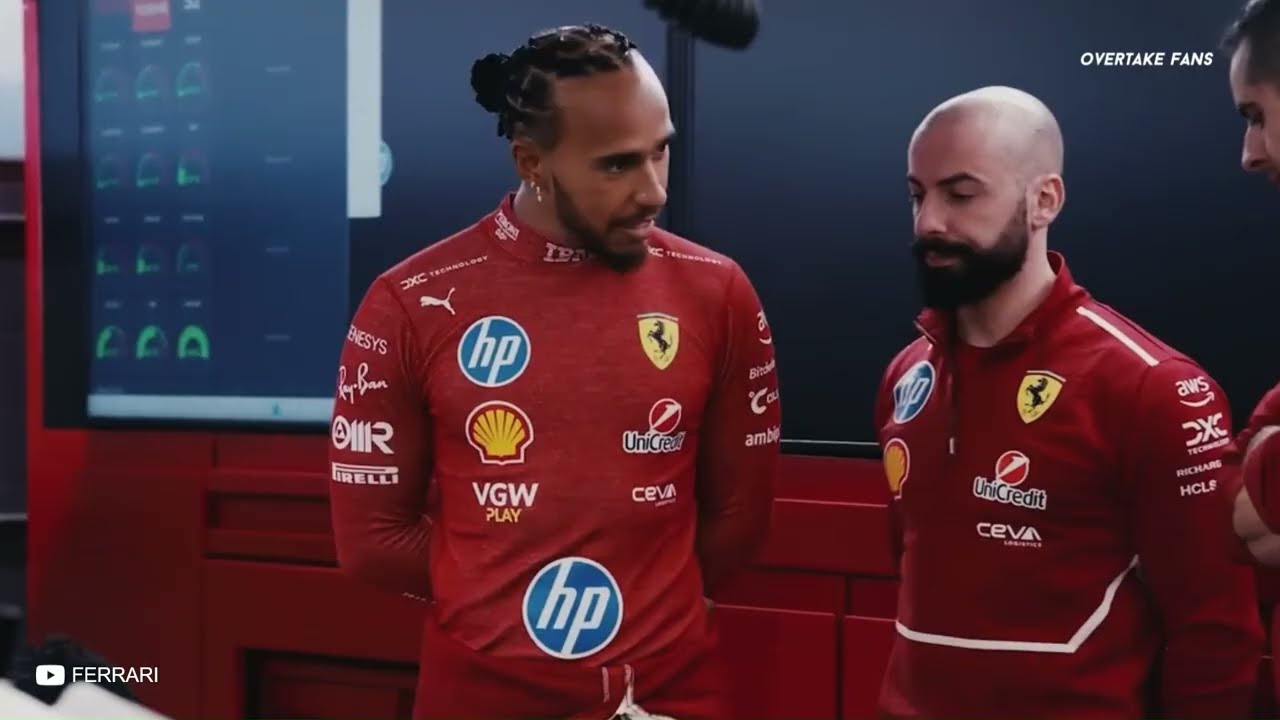
At the center of the storm is Lewis Hamilton. Now clad in Ferrari red following his historic move, the seven-time world champion has become one of the first to get a virtual taste of the 2026 machinery. His verdict? It is far from a ringing endorsement.
Hamilton, who has long been a vocal critic of the current “ground effect” era—labeling them the “worst generation” of cars he has ever driven—fears that the 2026 revolution might not deliver the thrill fans are expecting. After extensive sessions in the Ferrari “driver-in-loop” simulator, Hamilton offered a sobering perspective on the handling characteristics of the next-generation cars.

“It is really hard to predict what it will be like,” Hamilton admitted, choosing his words carefully but clearly. “I don’t want to criticize or say anything too negative… [but] the cars drive in a completely different way, and I’m not sure you will like it.”
His concerns hinge on the radical shift in the car’s physics. The 2026 regulations strip away a significant amount of downforce—estimates range from a 15% to 30% reduction—while pumping massive amounts of torque through the rear wheels via the upgraded electrical systems. Hamilton predicts this combination will make the cars incredibly difficult to tame, particularly in adverse conditions. “Driving in the rain, I can imagine it’s going to be very, very, very tough. Much harder than it is already,” he warned.
The “F2” Insult: A Step Backwards?
Hamilton is not alone in his trepidation. The criticism has been echoed, perhaps even more harshly, by the next generation of talent. Isack Hadjar, a rising star in the Red Bull program, emerged from his simulator sessions with a comparison that likely sent shivers down the spines of F1 executives: The 2026 car feels like a Formula 2 car.
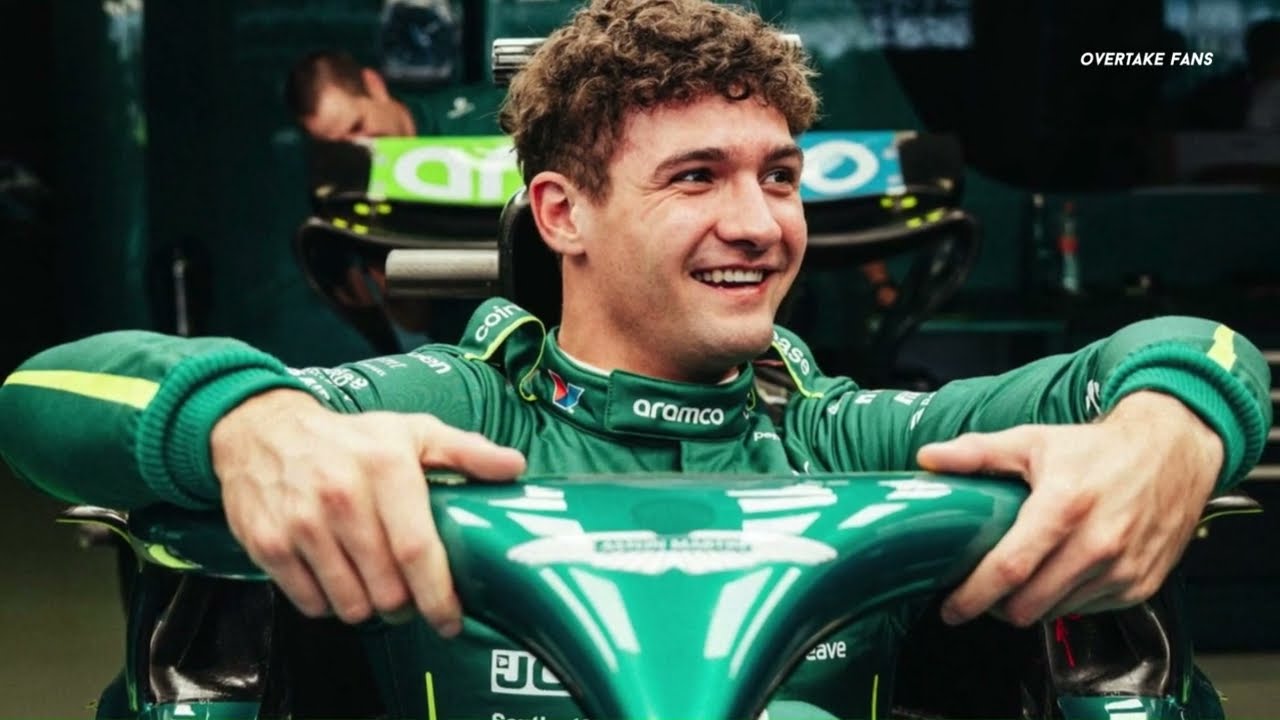
To be clear, Hadjar wasn’t suggesting the lap times would be identical to the junior series. Instead, he was highlighting the “handling characteristics.” The 2026 machines, with their reduced aero grip and nimble chassis, feel “nimble yet torque-peaky,” a sensation familiar to anyone who has wrestled with an F2 chassis. Aston Martin reserve driver Jack Crawford shared a similar sentiment, painting a picture of a car that is “demanding” and “less planted.”
For a sport that prides itself on being the pinnacle of automotive engineering, comparisons to a junior feeder series are a PR nightmare. The fear is that by chasing “agility” and “close racing,” F1 may have inadvertently neutered the raw, glued-to-the-track sensation that defines the fastest circuit racing cars on Earth.
The FIA Strikes Back: “Pure Racing”
The FIA, however, is having none of it. Nicholas Tombazis, the FIA’s single-seater director, fired back immediately at the “F2” comparisons, calling them “way off the mark.” He insists that the performance deficit to current cars will be minimal—likely just one to two seconds per lap—and argues that the difficulty is a feature, not a bug.
“Pure racing allows drivers to take center stage,” Tombazis argued. The philosophy behind the 2026 rules is to put the power back in the driver’s hands. With less downforce to rely on, drivers will have to work harder to keep the car on the island. They will be forced to manage wheelspin, feather the throttle, and make critical strategic decisions about energy deployment while screaming down the straight at 320 km/h.
The Technical Revolution: Goodbye DRS, Hello “Active Aero”
To understand the controversy, one must understand the sheer scale of the changes. The 2026 regulations introduce a lexicon of new terms that will fundamentally alter how a Grand Prix is watched and driven.
Gone is the Drag Reduction System (DRS), a tool that has been both loved and loathed for creating “artificial” passing. In its place comes Active Aerodynamics. This is not just a flap opening; it is a transformer-like shift in the car’s geometry. In corners, the wings will stay in their “Default Mode” to provide maximum grip. But on designated straights, every driver—regardless of the gap to the car ahead—can activate “Low Drag Mode,” which flattens the front and rear wing elements, slashing air resistance by up to 40%.
This sounds exciting, but the complexity deepens with the new Overtake Mode. This is the spiritual successor to DRS but powered by electricity. When a driver is within one second of a rival, they can unlock a massive surge of extra power from the battery. The Kinetic Energy Recovery System (KERS) has been boosted from a modest 120kW to a staggering 350kW. That is nearly a 300% increase in electrical punch.
We also have Boost Mode (a driver-operated offensive/defensive tool) and Recharge Mode (strategies for harvesting energy). The result is a formula where battery management isn’t just a background task—it is the race itself.
The Physical Shrink: Agility vs. Instability
Physically, the cars are going on a diet. The minimum weight is dropping by 30kg to 770kg. The wheelbase is being slashed by 200mm, and the width is narrowing by 100mm. Even the tires are slimming down, with the fronts losing 25mm and the rears 30mm in width.
The intent is clear: make the cars smaller and more agile, addressing the complaint that modern F1 cars look like “boats” on tight street circuits like Monaco. However, narrower tires and lighter floors mean less mechanical and aerodynamic grip. When you combine “less grip” with “more torque” (thanks to that 350kW electric motor), you get a recipe for sliding, instability, and potentially, a lot of mistakes.
The Great Reset: A Rolling of the Dice
Beyond the technical jargon and driver complaints lies the true allure of 2026: The Reset.
We are seeing a complete reshuffling of the power unit landscape. Mercedes will supply Williams, Alpine, and McLaren. Ferrari will power the newcomer Cadillac and Haas. Aston Martin is teaming up with Honda. Red Bull is finally debuting its in-house Red Bull Ford engine, and Audi is entering the fray with its own power unit.
This 50/50 split between internal combustion and electric power is a massive engineering gamble. The complex MGU-H (heat energy recovery) is gone, replaced by that monster KERS system.
As one commentator noted, “Red Bull’s deep 2025 development… may count for nothing next year.” The dominance of today could evaporate overnight. We simply have no idea who will come out on top. Will Audi shock the world? Will Ferrari’s gamble on Hamilton pay off with a championship-capable car? Or will a midfield team ace the new regulations like Brawn GP did in 2009?
Conclusion: Chaos or Classic?
With the first private tests scheduled for Barcelona in late January and the public unveiling at pre-season testing in Bahrain shortly after, we won’t have to wait long to see these machines in the flesh.
The skepticism from Hamilton and the “F2” jibe from Hadjar are serious red flags that cannot be ignored. If the cars are indeed slower and more frustrating to drive, F1 risks alienating the very heroes who make the sport what it is. However, if the FIA’s vision holds true, we could be entering a golden era where driver skill, not just car performance, dictates the winner.
One thing is certain: F1 2026 is not just a new season; it is a new sport. And as Lewis Hamilton warned, we might need to brace ourselves for a shock. Whether it’s a pleasant surprise or a rude awakening remains to be seen come the first qualifying session in Melbourne.