Lewis Hamilton’s transition to Ferrari in the 2025 Formula 1 season has been anything but smooth, drawing sharp criticism from fans and pundits as the seven-time world champion grapples with adapting to his new team.
After dominating the sport with Mercedes for over a decade, Hamilton’s move to the Scuderia was expected to yield instant results, but his qualifying struggles and inconsistent pace have sparked debates about his fit in Maranello.
Amid this scrutiny, Carlos Sainz, now driving for Williams after leaving Ferrari, has come to Hamilton’s defense, labeling the criticism “unfair” in a candid interview with Crash.
net on May 30, 2025. Sainz’s passionate plea for patience sheds light on the often-overlooked challenges of switching teams in F1’s high-pressure environment.
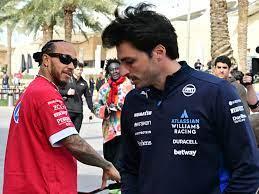
Hamilton’s first season in Ferrari red has been a rollercoaster. Despite flashes of brilliance in races—such as a P5 finish in Monaco—his qualifying performances have been lackluster, with a notable P11 in FP2 at the Spanish Grand Prix on May 30, 2025, where he vented over the radio, “This car is not drivable, mate.” The struggles stem from more than just car setup; after 12 years at Mercedes, where every detail was second nature, Hamilton is navigating a new machine, team culture, and engineering dynamic at Ferrari. This adjustment has been compounded by Ferrari’s own challenges, including a new front wing regulation reducing flex from 15mm to 10mm, which has yet to deliver the “gamechanger” team boss Fred Vasseur hoped for. McLaren’s continued dominance, topping both practice sessions in Spain with Lando Norris and Oscar Piastri, has only heightened the pressure on Hamilton to deliver.
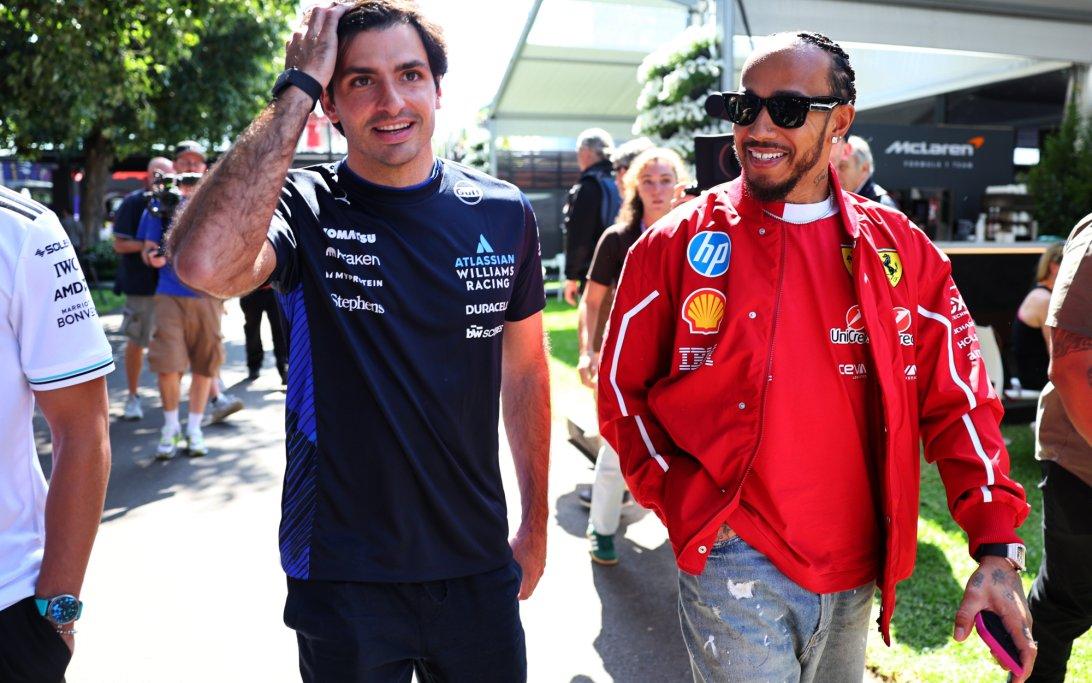
Sainz, who faced his own adaptation hurdles after joining Williams from Ferrari, empathizes deeply with Hamilton’s plight. Speaking to Crash.net, the Spaniard highlighted the universal difficulty of switching teams, a process he says affects even the most experienced drivers. “The difficulties are real,” Sainz stated. “They’re real for Lewis, they’re real for me, and for Nico Hülkenberg too. Anyone who’s new to a team has to go through it.” He explained that drivers develop a “muscle memory” after years with one car—Sainz himself felt “completely lost” in his early races at Williams after four years at Ferrari. For Hamilton, who spent 12 years at Mercedes racing 24 times a year, every nuance at Ferrari feels “strange,” from the car’s handling to the team’s operational rhythm.

Sainz’s defense goes beyond empathy, challenging the fairness of snap judgments. “You can evaluate how long the adjustment takes, but judging a driver’s career at a team after just six or seven races, that’s not fair,” he argued. His own transition to Williams has been a work in progress, and he points to Hülkenberg’s move to Audi as another example of the time needed to gel with a new team. Sainz’s message to critics is clear: “Be patient.” In F1’s fast-moving world, where results are demanded instantly, this call for perspective is a rare reminder of the human element behind the helmet. Adaptation, Sainz insists, doesn’t happen overnight, and true progress—whether for Hamilton at Ferrari, Hülkenberg at Audi, or himself at Williams—requires time to unfold.
The debate over Hamilton’s Ferrari tenure has ignited discussions on X, with fans split between those who see his struggles as a sign of decline and others who echo Sainz’s plea for patience. Hamilton’s legacy as one of F1’s greatest drivers isn’t in question, but his ability to adapt to Ferrari’s unique challenges will define this chapter of his career. As the Spanish Grand Prix unfolds on May 31, 2025, all eyes are on whether Hamilton can turn his frustrations into results—or if Ferrari’s upgrades will finally click. Sainz’s defense serves as a timely reminder that in a sport obsessed with speed, sometimes the most important victories come through perseverance and time. Will Hamilton silence his critics, or will the pressure continue to mount in Maranello? The F1 world waits with bated breath.
