Formula 1 has always been a high-stakes arena where the drama off the track often rivals the blistering speeds on it. It is a world fueled by millions of dollars, cutting-edge technology, and egos as massive as the downforce generated by the cars themselves.
But lately, a very uncomfortable and unspoken narrative has been bubbling under the surface of the paddock. It is a conversation about accountability, fairness, and the staggering double standards that dictate how different drivers are treated when the going gets tough. From convenient “safety” crusades to thinly veiled retirement threats, the mask is slipping, and the reality of how the F1 media and fanbase handle adversity is being exposed for all to see.
The controversy begins with a debate that sounds incredibly important on the surface: driver safety. Recently, drivers like Carlos Sainz have been incredibly vocal, sparking intense arguments about the physical toll the current generation of F1 cars takes on the drivers. Now, let’s be absolutely clear—nobody in their right mind is suggesting that safety does not matter.
Formula 1 is, and always has been, an inherently dangerous sport. Anyone who tries to argue that the modern era is completely risk-free is simply rewriting history. We have all witnessed the brutal crashes, the heart-stopping moments, and the chilling reminders of what this sport can take from a driver in a fraction of a second. Safety should always be paramount.
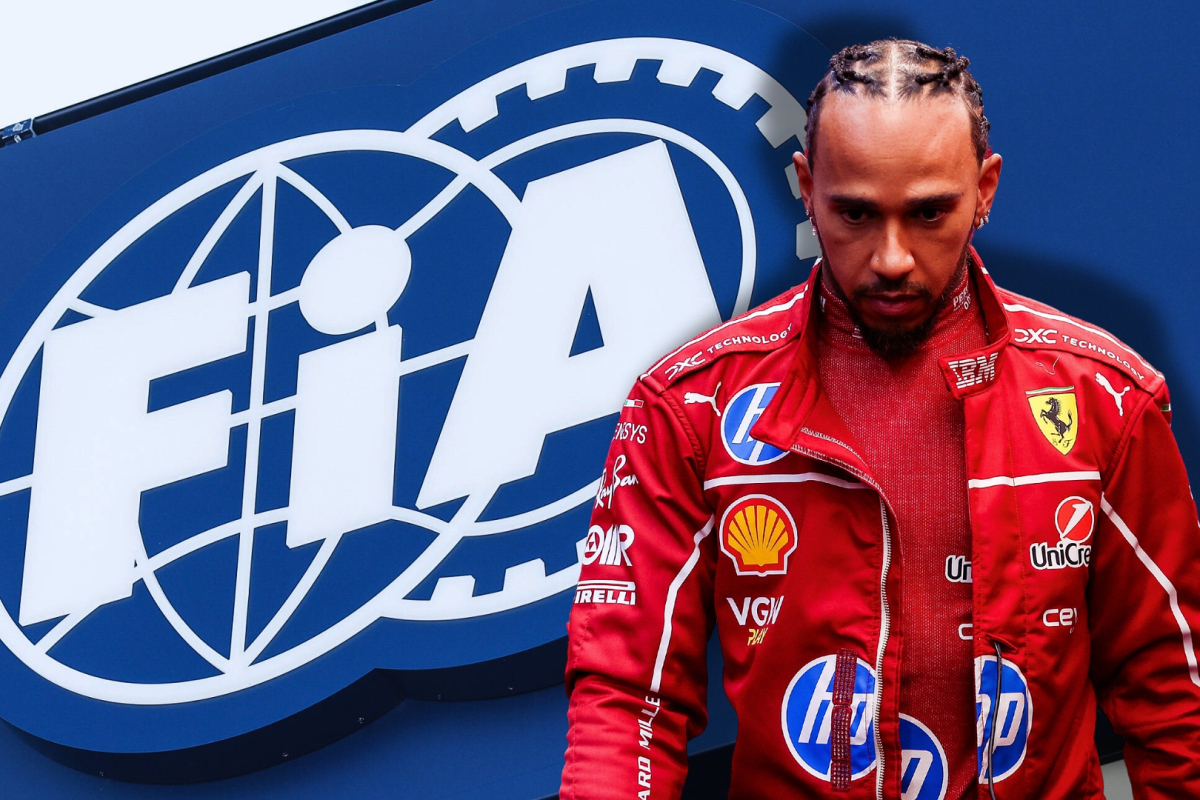
However, there is a massive difference between genuinely pushing for life-saving safety improvements and conveniently throwing down the “safety card” simply because your team is underperforming. This is the crucial context that keeps getting conveniently ignored. The transition into this new regulatory era cost teams astronomical amounts of money. They spent years planning, building, and strategizing for this exact reset. Some teams bided their time, waiting for the rulebook to wipe the slate clean so they could rise to the top. This means the sport is deliberately moving forward.
When a few specific teams and drivers suddenly want to hit the pause button or roll back the rules because their current car is exposing their weaknesses, it is hard to take their safety concerns seriously. You do not get to struggle with a bad setup and then cry for the old days just because the old regulations flattered your driving style. That is not a mission for safety; that is a mission for convenience. When a driver’s supposed concern for safety perfectly aligns with their team’s inability to build a fast car, fans have every right to ask: Are you actually scared for your health, or are you just trying to drag the rest of the grid down until your engineers can catch up?
But this selective complaining is just the tip of the iceberg. The conversation takes a much darker and more divided turn when you bring the reigning World Champion, Max Verstappen, into the spotlight. Max has undeniably dominated this current era, building a fearsome reputation as one of the most relentless and ruthless competitors to ever sit in a cockpit. Yet, the moment the tides even slightly begin to turn, we see a completely different side of the champion. We hear open frustration, intense questioning of the sport’s direction, and most shockingly, thinly veiled threats that if things do not improve to his liking, he might just pack up and leave Formula 1 altogether.
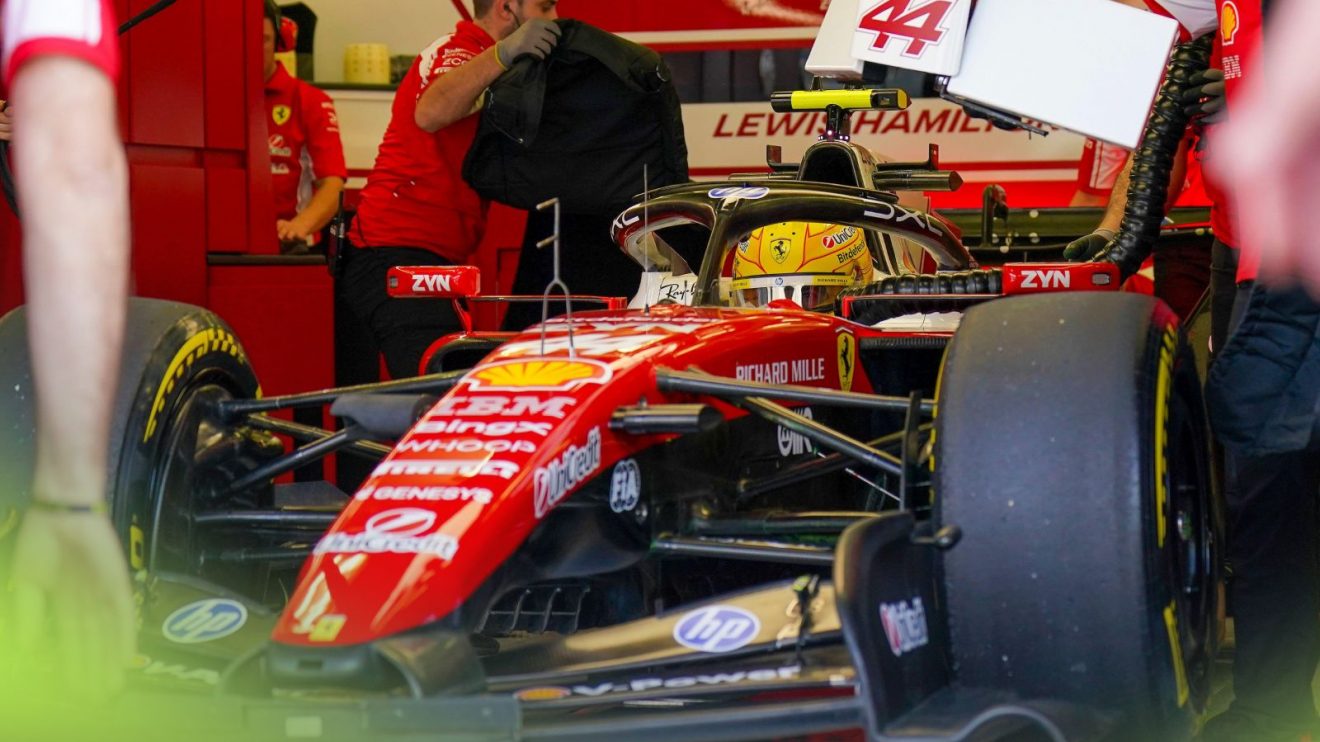
This changes the entire dynamic. When a driver with the immense gravity of Max Verstappen starts talking about no longer enjoying the sport, people don’t just hear a frustrated athlete venting; they hear leverage. They hear a calculated application of pressure designed to force the sport’s governing bodies to react. Whether it is an intentional political maneuver or just raw emotion, it creates a deeply uncomfortable situation. The narrative shifts from “how can the driver adapt to the rules?” to “should the rules adapt to the driver?” That is an incredibly dangerous line to walk. Formula 1 is supposed to be the ultimate test, a crucible that challenges drivers to their absolute limits, not a customized playground catered to keep one specific star happy.
What elevates this situation from frustrating to infuriating is the blatant double standard in how Max Verstappen’s struggles are handled compared to other legends of the sport—most notably, Lewis Hamilton. When something goes wrong for Max, there is an immediate and impenetrable forcefield of protection thrown up around him by pundits and certain sections of the media. If he loses, it is the team’s fault. It is the car’s poor balance. It is the regulations. It is the weather. It is everything and anything except the expectation that a top-tier, generational talent should be able to step up, adapt, and elevate a subpar situation.
Compare this coddling to the brutal, relentless scrutiny Lewis Hamilton has faced throughout his entire career. When things went wrong for the seven-time World Champion, the narrative was immediately weaponized against him. The media demanded to know what he did wrong, why he wasn’t pushing harder, and why he was failing to adapt. The level of personal accountability forced upon Hamilton has always been staggering, yet that same metric is mysteriously absent when evaluating Verstappen.

This glaring hypocrisy bleeds heavily into how the drivers are judged for their lives outside the paddock. Take a simple, harmless observation: Lewis Hamilton spending his downtime walking the streets of Tokyo, engaging with fashion, and living his life away from the racetrack. Inexplicably, this is constantly framed as a distraction. It is brought up in commentary boxes and press conferences as a potential reason for poor on-track performance. The underlying accusation is always that he isn’t fully focused or committed.
Conversely, when Max Verstappen spends his nights aggressively participating in sim racing or expressing interest in other racing series outside of Formula 1, he is universally praised. It is framed as “pure racing instinct,” a testament to his unmatched passion and dedication to motorsport. It is the exact same concept—a driver pursuing their personal interests during their time off—yet it yields completely opposite reactions. If Lewis Hamilton were staying up until 3 AM to race online before a Grand Prix while struggling in the championship, the media would tear him apart for being unprofessional. For Max, it’s just seen as part of his quirky, competitive charm.
These aren’t just isolated incidents; they form a pervasive pattern of bias that fans have been pointing out for years. It is in the subtle tones, the body language of interviewers, and the loaded questions that somehow only find their way to certain drivers. And it is completely divorced from reality. Lewis Hamilton’s legacy is bulletproof. What he does off the track has never stopped him from delivering historical performances on it. We have watched him drag uncompetitive, bouncing, painful cars to podiums through sheer willpower, without ever threatening to hold the sport hostage by walking away.
Ultimately, Formula 1 has always been a brutal separator of talent. It clearly divides those who can adapt from those who only make noise when the ecosystem stops perfectly supporting them. True greatness in this sport is not defined by how many races you can win by 20 seconds in an over-powered rocket ship. It is defined by what you do when the car is terrible, when the rules don’t suit you, and when your rivals are closing in. Do you dig deeper, lead your team, and fight for every single point? Or do you start looking for the exit door while blaming the system? As the grid closes up and the pressure mounts, the real character of these drivers is finally being broadcast for the world to judge. And right now, the silence from those making the excuses is deafening.
