The winds of change are blowing through Maranello with a ferocity not seen in a decade. As Formula 1 stands on the precipice of the 2026 technical regulations—the most significant rules overhaul in the sport’s history—Ferrari has decided that playing it safe is no longer an option.
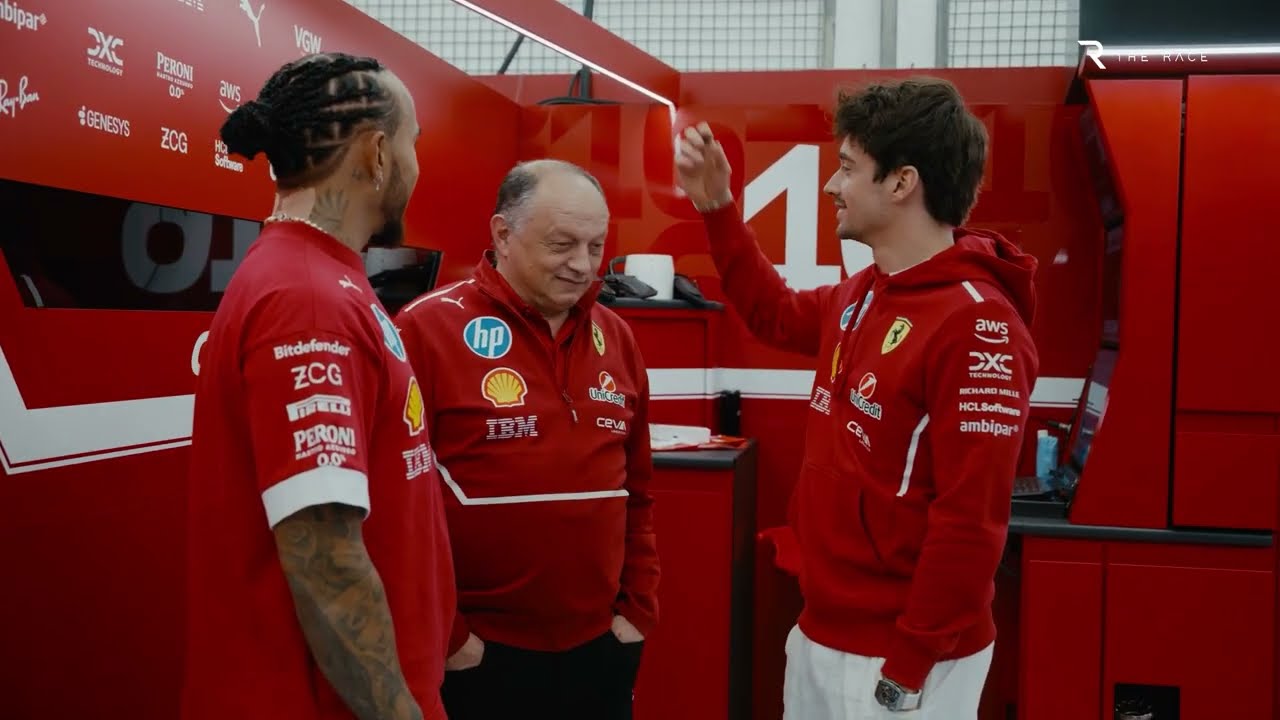
Under the leadership of Fred Vasseur, the Scuderia is embarking on a daring, multi-layered strategy designed to not only produce a championship-winning machine but to salvage the legacy of the most successful driver in history: Lewis Hamilton.
The “Spec A” Deception: Launching Early, Racing Late
In a move that has caught the paddock by surprise, Ferrari has announced one of the earliest launch dates for the 2026 season. On January 23rd, the world will get its first glimpse of the new scarlet machine, likely at the historic Fiorano test track. However, insiders suggest that what we see in January will be a far cry from what lines up on the grid in Australia.
Ferrari is adopting a “Spec A” philosophy, a tactic reminiscent of Mercedes’ dominant years. By launching early with a basic, reliability-focused specification, the team aims to iron out the inevitable “niggles” that come with all-new power units and active aerodynamics. This allows their engineers to work until the absolute final second—literally until January 22nd—on the high-performance “Spec B” parts that will actually be used for racing.
Team Principal Fred Vasseur has been vocal about this aggressive timing. “If you want to finish one month before, it’s not aggressive at all,” Vasseur noted. By assembling the car at the last possible moment before the Barcelona tests, Ferrari is maximizing every minute of wind tunnel and simulation time.
The Hamilton Factor: Resetting a Legend
While the technical side of the 2026 project is fascinating, the human element is even more compelling. Lewis Hamilton’s first season at Ferrari was, by his own admission, a “bitter disappointment.” The statistics tell part of the story—156 points compared to Charles Leclerc’s 242—but the body language told the rest. Hamilton struggled immensely with the ground-effect cars of the 2022-2025 era, finding the braking systems and engine-braking maps of the Ferrari “esoteric” and difficult to master.
Vasseur admits the team may have underestimated the psychological and technical toll of Hamilton moving away from the Mercedes ecosystem after a lifetime of familiarity. The 2025 season ended with Hamilton speaking of “unbearable anger and rage” after a string of Q1 exits.
For Hamilton, 2026 represents a “Great Reset.” The new regulations will move away from the finicky ground-effect requirements that stifled his signature late-braking, fast-rotation driving style. The hope within Maranello is that a more balanced car, combined with the lessons learned during a grueling 2025 transition year, will allow the seven-time champion to find his “magic” once again.
Navigating the 2026 Unknowns
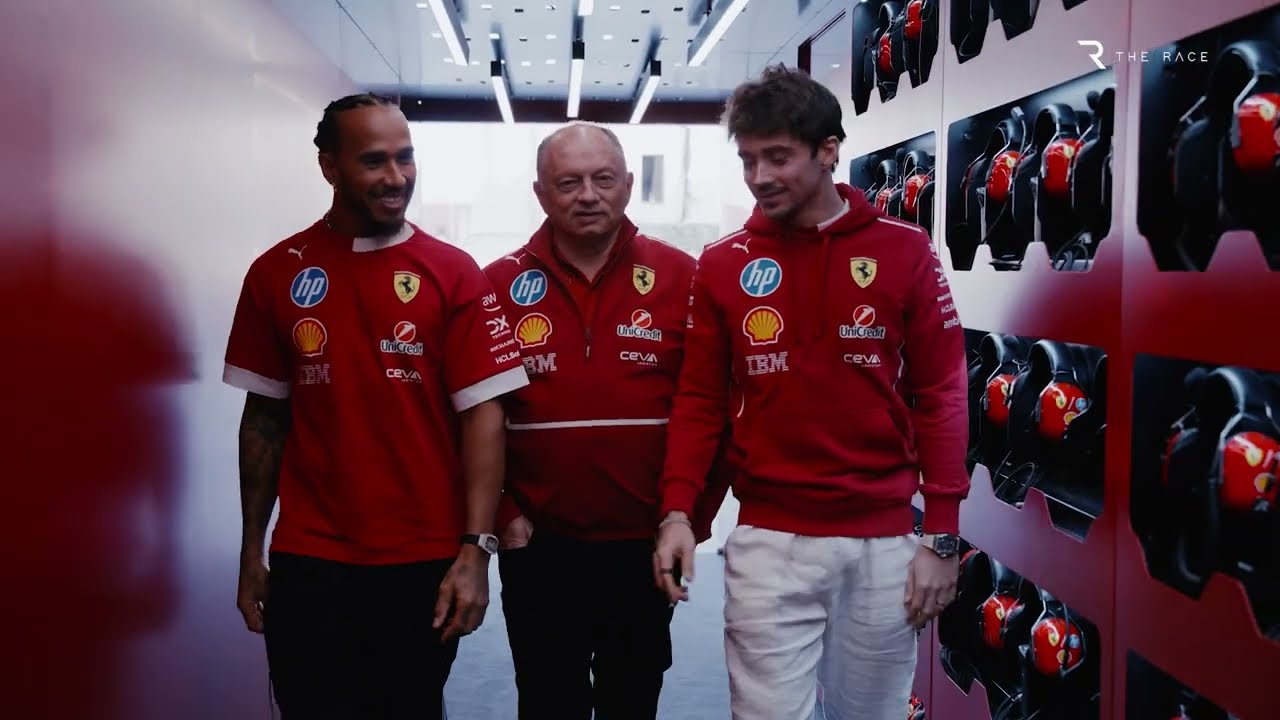
The 2026 rules introduce a complex web of energy harvesting, “boost” modes, and active aerodynamics. Ferrari’s strategy isn’t just about building a fast car; it’s about building a “smart” car that can navigate the chaos of a race. Because teams have developed their 2026 designs in total isolation, the first days of testing in Barcelona will be a shock to the system.
Ferrari stopped development on their 2025 car as early as April to focus entirely on this revolution. However, they face a unique challenge: the cost cap. With limited budget freedom, Vasseur’s team cannot simply “bolt on” every new part they design. They must be surgical, choosing the upgrades that provide the “biggest bang for their buck.”
The upcoming “upgrade war” will be fought not just in the factory, but in the cockpit. Drivers will need to master complicated energy management systems while racing wheel-to-wheel. Ferrari believes that the team that climbs the “learning curve” the fastest in the opening three races will hold a decisive advantage for the rest of the decade.
A Legacy at Stake
As the January 23rd launch approaches, the pressure on Ferrari is immense. For Charles Leclerc, it’s a chance to finally assert himself as the undisputed king of Maranello. For Lewis Hamilton, it is a fight for relevance at age 40, a chance to prove that his greatness isn’t tied to a specific set of rules or a specific silver car.
Ferrari is taking no risks by being early, yet they are taking the ultimate risk by being aggressive. If the “Spec A” plan works, they will head to Melbourne with a reliability advantage and a hidden performance ceiling that could stun the field. If it fails, one of the most anticipated partnerships in sports history could end on a heartbreaking low.
One thing is certain: the world will be watching when the garage doors open at Fiorano. The red car that rolls out may only be a placeholder, but the ambition behind it is very, very real.