Ferrari is quietly playing one of the most high-stakes gambles in its modern history, and the implications could send shockwaves throughout the Formula 1 paddock. This isn’t a story about a revolutionary aerodynamic upgrade or an aggressive new pit stop strategy. Instead, it is a bold, almost audacious decision that could directly shape the future of a seven-time World Champion’s career.
By changing the voice on Lewis Hamilton’s radio to someone who has never even served as a race engineer in Formula 1, the Scuderia is embarking on an extreme, high-precision experiment. It is a move laden with risk, but one that holds the potential to completely redefine how Formula 1 teams build the critical relationship between drivers and the pit wall. With the 2026 season fully underway and the pressure mounting exponentially, one massive question emerges: Is Ferrari orchestrating a revolutionary breakthrough, or are they opening the door to an unprecedented new chapter of failure?
The crux of the drama lies in Ferrari’s decision to hand Lewis Hamilton’s crucial radio communications to Cedric Michel-Grosjean. To the casual observer, an engineer change might seem like a minor administrative tweak, but in the blistering intensity of Formula 1, the race engineer is everything.
They are responsible for shaping race strategy on the fly, making split-second decisions that define the difference between a podium and a DNF, and maintaining a driver’s psychological consistency while hurtling down a straight at 300 kilometers per hour. To hand this role to a man who has never held the title of “Race Engineer” is naturally drawing intense scrutiny.
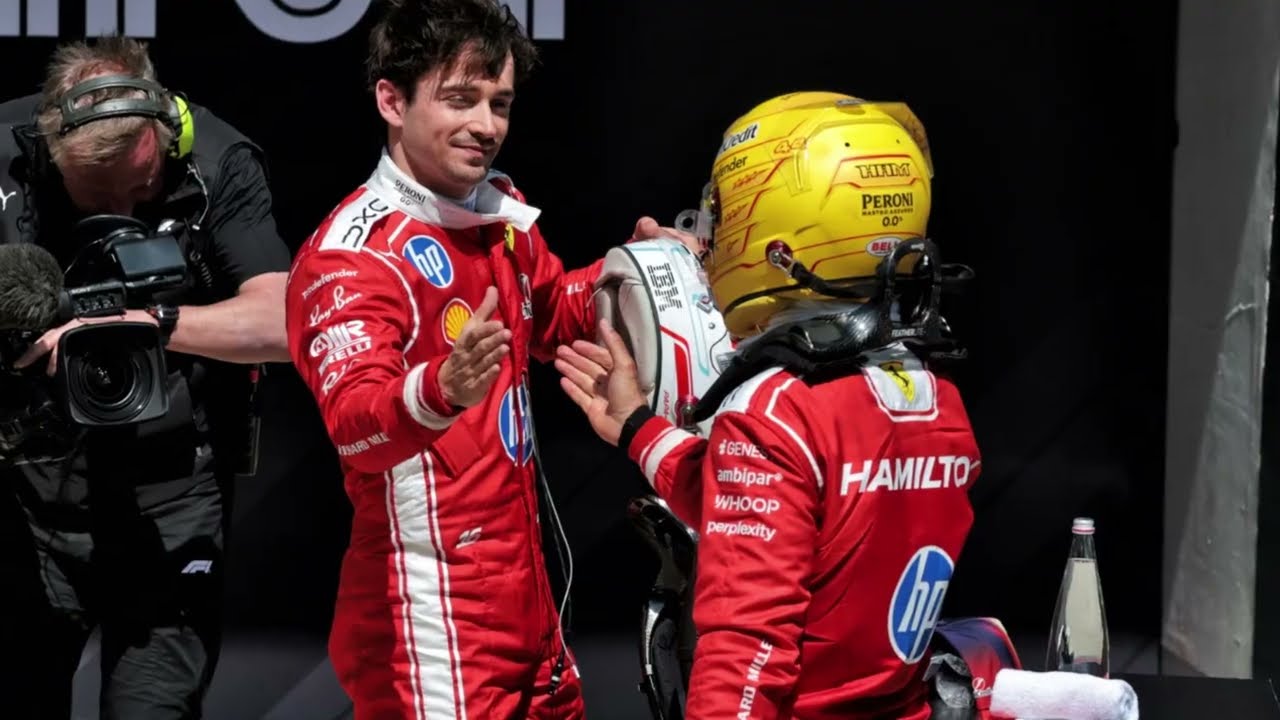
Despite his lack of direct experience in the hot seat, Michel-Grosjean is far from a stranger to the paddock. He has spent the last nine years meticulously building a formidable reputation with McLaren. Operating largely behind the scenes as a performance engineer, his contributions to the development of young talents—most notably Oscar Piastri—have been immense. Michel-Grosjean played a vital role in identifying and correcting Piastri’s weaknesses, particularly in tire management and single-lap qualifying pace. His detailed, analytical approach helped transform Piastri into one of the most fiercely competitive drivers on the grid, securing multiple wins and cementing his status as a future star. Now, faced with the ultimate challenge at Ferrari, Michel-Grosjean is expected to adapt with lightning speed and build an unbreakable chemistry with Hamilton to resurrect the team’s championship aspirations.
Interestingly, the path to the pit wall for Michel-Grosjean has been entirely unorthodox. Before officially taking over the radio communications, Ferrari instituted an adaptation process that is virtually unheard of in the modern era of the sport. During the first three rounds of the 2026 season, Michel-Grosjean simply sat in the Ferrari garage in absolute silence. He gave no instructions, called no strategies, and offered no feedback. Instead, he carefully and intensely studied every single word, tone, and communication habit that Lewis Hamilton exhibited under the grueling pressure of a race. It was a highly structured, fiercely calculated approach—something rarely, if ever, seen at this elite level of motorsport.
However, this deeply methodical approach didn’t manifest out of thin air. It actually stems from a spectacular and highly publicized failure during the previous season. The 2025 season will go down as the absolute worst of Lewis Hamilton’s illustrious career. For the first time since his dazzling debut in 2007, the British legend failed to secure a single podium finish. Meanwhile, his teammate, Charles Leclerc, delivered a significantly stronger performance, claiming seven podiums and routinely dominating in the fiercely competitive qualifying sessions.
Ferrari’s issues were complex. The car simply did not suit Hamilton’s specific driving style, particularly regarding its unpredictable ground-effect characteristics. Yet, insiders largely agree that the most profound problem stemmed from the increasingly fractured communication between Hamilton and his race engineer at the time, Riccardo Adami. Throughout the grueling 2025 campaign, their relationship appeared painfully out of sync. Moments of palpable tension were frequently broadcast over the team radio, ranging from strategic confusion under the Miami sun to cold, clipped exchanges through the streets of Monaco. At one pivotal point, Hamilton even openly questioned whether their professional relationship was still functional. In a sport where absolute trust is required, that fracture was catastrophic.
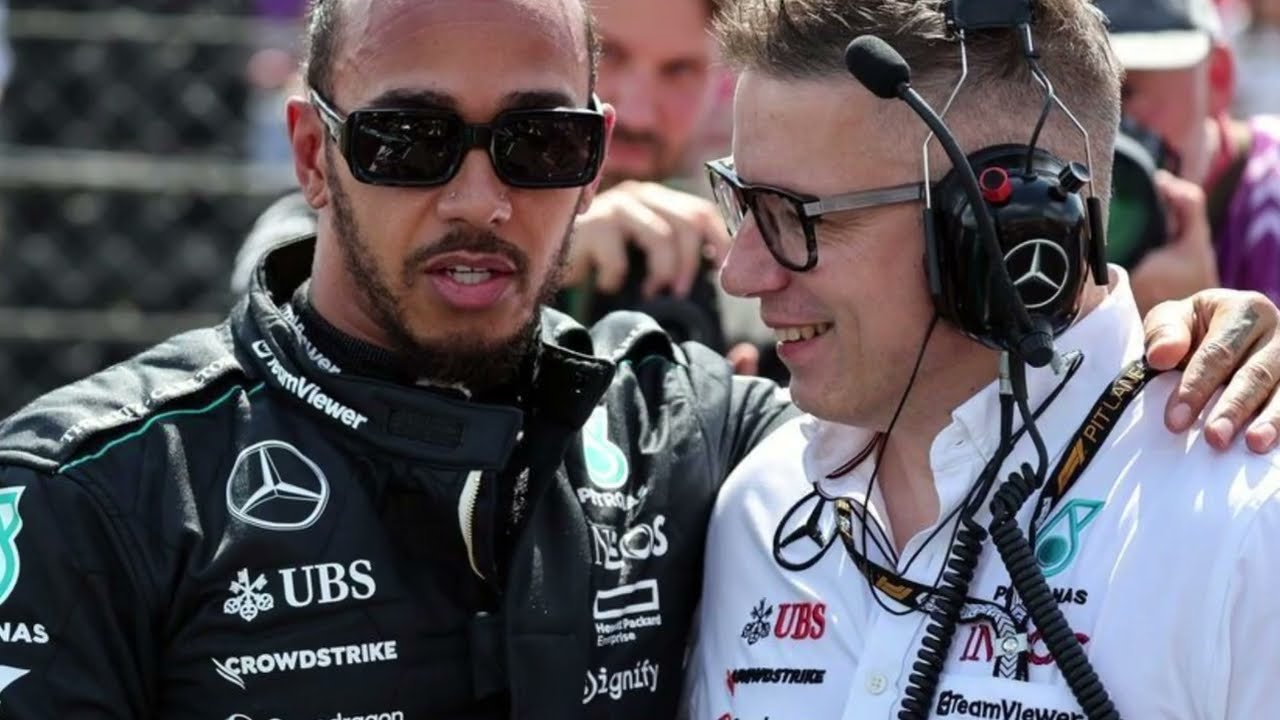
Ferrari ultimately made a decisive and necessary move by reassigning Adami at the start of the 2026 season, marking the beginning of an aggressive internal restructuring effort. The decision heavily underscored Ferrari’s renewed seriousness in evaluating every single operational aspect, specifically targeting the crucial driver-pit wall dynamic that had been deemed suboptimal.
Ideally, Ferrari had set its sights on a fairytale reunion. They desperately wanted to poach Peter “Bono” Bonnington, the legendary engineer who had been an inseparable, iconic part of Hamilton’s colossal success for more than a decade at Mercedes. Their partnership has produced dozens of stunning victories and multiple world championships, making Bonnington the singular figure who most deeply understands Hamilton’s complex character and needs on track. However, Ferrari’s ambition was brutally halted. Hamilton’s ironclad contract with Mercedes reportedly included strict clauses specifically designed to prevent him from poaching key personnel. Furthermore, Bonnington had recently accepted a more senior, highly lucrative role within the Mercedes corporate structure, effectively slamming the door on a move to Maranello.
Forced to pursue a more realistic alternative, Ferrari pivoted hard. This is where they chose to break the mold and embrace a radical new philosophy. Instead of appointing a seasoned race engineer accustomed to the verbal sparring of live race communication, they entrusted the role to Michel-Grosjean, a man whose core focus has historically been complex data analysis, car setup optimization, and translating dense technical figures into actionable, lap-time-finding insights.
This daring move reflects a seismic shift in Ferrari’s internal philosophy, leaning heavily into a deeper, relentlessly driven approach. In the modern era of Formula 1, where pure performance is dictated by terabytes of data rather than gut feeling, Ferrari’s management clearly believes that the ability to rapidly translate that data into tangible results is actually more valuable than traditional radio communication skills alone.
To bridge this massive transition, Ferrari initially appointed Carlos Santi as a temporary engineer for the opening races of the 2026 season, allowing Michel-Grosjean his silent, observational grace period. It was a stark departure from the norm, where engineer changes are typically executed overnight. Ferrari, however, deliberately chose to build this new foundation gradually, relying on data observation and, remarkably for the Scuderia, patience.
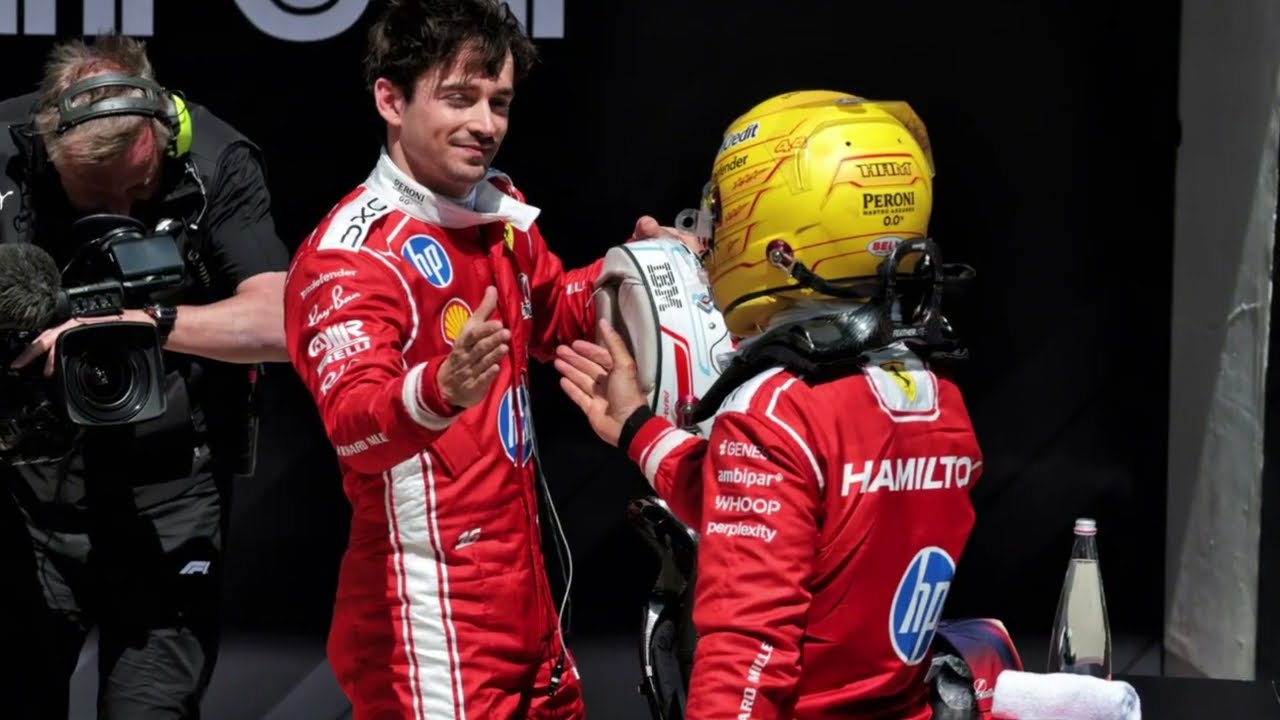
The early results have been incredibly promising. Hamilton has begun to show a vast improvement in performance compared to his dismal 2025 campaign, even securing an emotional first podium with Ferrari at the Chinese Grand Prix. Although serious challenges undoubtedly remain as the development race intensifies, the trajectory is overwhelmingly positive.
Now, the entire Formula 1 world is holding its breath as all eyes turn to a defining moment: Cedric Michel-Grosjean’s full, official debut as Lewis Hamilton’s race engineer at the electrifying Miami Grand Prix. The data is crunched, the observations are complete, and the silent period is over. The only question that remains is whether this analytical mastermind can forge the emotional connection and absolute trust that a champion like Hamilton requires to win again.
