In the high-stakes world of Formula 1, there are calculated risks, and then there are “all-in” gambles that define entire eras. Ferrari, the sport’s most historic team, has chosen the latter. As the curtain falls on the current regulations, details emerging from Maranello paint a picture of a team pushed to the brink of desperation and ambition. This is the story of “Project 678″—Ferrari’s 2026 challenger—and the radical, verified, and sometimes shocking decisions that are shaping it.
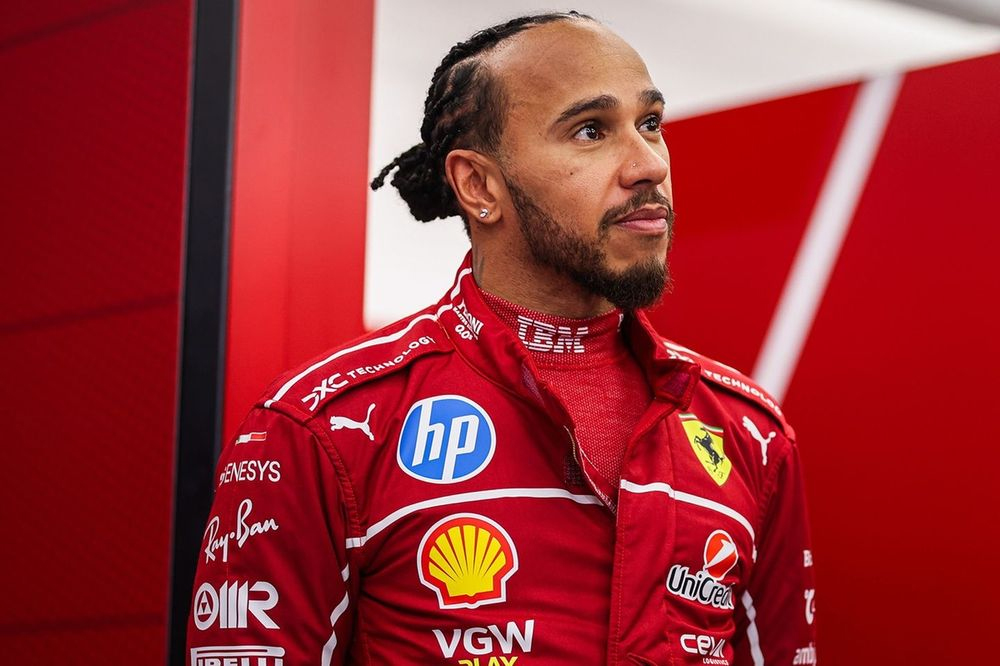
The “Desperate” Gamble: Sacrificing 2025
The most stunning revelation to emerge from the Ferrari camp is not a technical spec, but a strategic timeline. In late April 2025, Ferrari made one of the most aggressive calls in recent F1 history: they stopped developing the SF25.
This wasn’t a gradual wind-down. By mid-June, aerodynamic updates were halted entirely. Every engineer, every hour of wind tunnel time, and every available resource was redirected toward a single objective: the 2026 regulations. Team Principal Fred Vasseur has been remarkably candid about the gravity of this decision, admitting he underestimated the psychological impact it would have on his workforce. Telling hundreds of passionate engineers that the car they are currently racing “no longer matters” creates a unique and dangerous kind of pressure.
Vasseur’s logic, however, was ruthless. Falling behind on the complex 2026 preparation would mean spending years playing catch-up—a fate he deemed far worse than a lackluster 2025 season. But he wasn’t the only one pushing for this “suicidal” strategy.
Lewis Hamilton’s Secret Influence
When Lewis Hamilton announced his move to Ferrari, many viewed it as a romantic twilight tour. The reality is far more intense. Reports confirm that the seven-time World Champion didn’t just support the decision to abandon the 2025 car—he actively pushed for it.
During the Belgian Grand Prix in July 2025, Hamilton revealed the extent of his involvement. He spent weeks at the Maranello factory, holding private meetings he personally called with the heads of the team, including Chairman John Elkann and CEO Benedetto Vigna. But it went deeper than meetings. Hamilton submitted multiple detailed documents to Ferrari leadership covering three critical areas: an assessment of current car weaknesses, an evaluation of Ferrari’s organizational structure, and proposed technical solutions.
This level of technical involvement from a driver is extraordinarily rare. Hamilton’s conversations with Loic Serra, the new Technical Director (Chassis) poached from Mercedes, covered everything from the 2026 engine architecture to front and rear suspension geometry. Hamilton made it clear: he didn’t care about 2025. He wanted a championship-capable machine for the new era.

Leclerc’s Shocking Verdict: “Not Enjoyable”
While Hamilton was shaping the theory, Charles Leclerc was facing the reality. Leclerc became the first driver to test the 2026 car in the simulator, and his feedback was brutally honest. He described the machine as “not the most enjoyable race car” he has ever driven.
This assessment isn’t just about handling balance; it reflects the sheer complexity of the new regulations. The 2026 cars will feature a 50/50 power split between the internal combustion engine and electrical systems. The electrical output is jumping from 120 kW to a massive 350 kW—a 192% increase. Furthermore, the “Active Aerodynamics” system replaces DRS, requiring drivers to constantly manage drag and downforce modes manually.
Leclerc noted that the cognitive load on drivers will be immense. Energy management is no longer an automated background process; it is a constant, manual task. Drivers will have to activate low-drag modes on every straight and manage energy recovery almost sector by sector. In high-demand circuits like Monza or Spa, full electrical deployment could deplete in just seven seconds, making the timing of deployment a critical driver skill rather than a computerized certainty.
Confirmed Tech: The Steering Wheel and Suspension
To cope with this mental overload, Ferrari has radically redesigned the driver’s interface. Physical evidence from Abu Dhabi free practice in December 2025 confirmed a major overhaul of the steering wheel.
The new design condenses six rotary switches beneath the LCD display down to just three. The wheel itself is physically smaller with a reduced lower section. This isn’t cosmetic; it’s a survival mechanism. The reduction in switches is designed to lower the cognitive load, allowing for faster decision-making when managing the complex active aero and energy modes. The smaller shape allows for more aggressive hand positioning, crucial for the high-speed transitions expected with the new active aero limits.
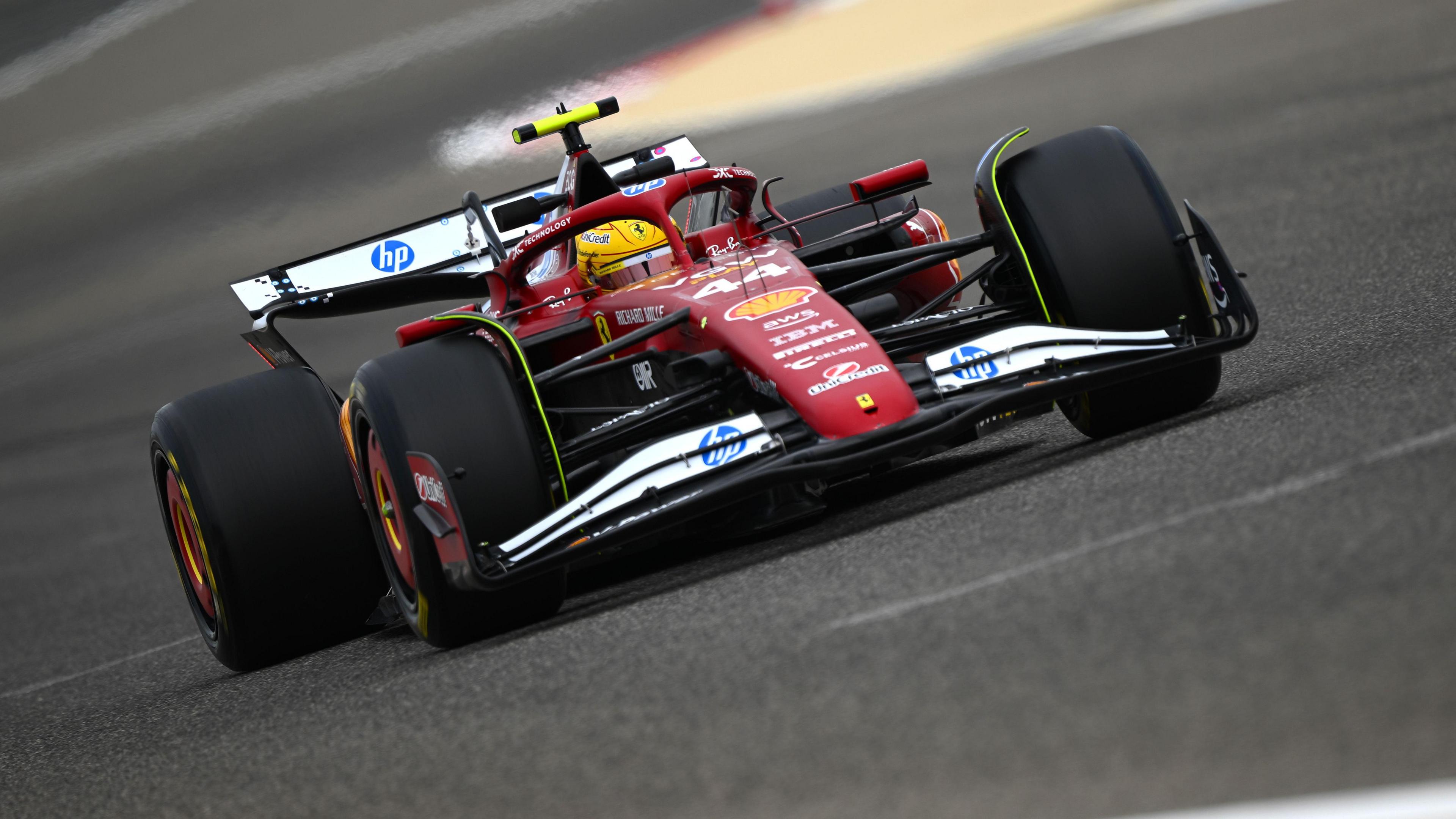
Beneath the bodywork, another major change is confirmed: Ferrari is returning to a push-rod suspension configuration at both the front and rear axles. This is a significant departure, as the team hasn’t used this setup since 2010. The previous pull-rod system on the SF25 was a source of constant headaches, and this switch indicates a desire for a more predictable, stable mechanical platform to handle the increased torque of the 2026 power units.
Rumors vs. Reality: The Steel Engine Debate
While the chassis changes are becoming clear, the power unit remains shrouded in mystery and speculation. The most controversial rumor circulating is that Ferrari is using steel alloy engine cylinders instead of the traditional aluminum.
On paper, the logic holds water. Steel, while heavier, offers superior resistance to the extreme temperatures and combustion pressures expected with the new 100% sustainable fuels and increased electrical integration. However, Ferrari’s Technical Director for Power Units, Enrico Gualtieri, has explicitly refused to confirm these rumors. Reports are contradictory, with some sources claiming steel was abandoned due to weight penalties, while others suggest a cutting-edge “3D printed metal ceramic composite” is being used.
What is certain is that the integration between the power unit and the active aerodynamics will be the defining battleground. As Gualtieri noted, the effectiveness of the active aero depends entirely on how well it syncs with the electronic control strategies of the engine.
The Organizational Revolution
Ferrari isn’t just building a new car; they are building a new team. The arrival of Loic Serra from Mercedes in October 2024 marked a shift in philosophy. Serra views the car as a complete, integrated system rather than a collection of optimized components. This “tire-centric” approach is a hallmark of the Mercedes dynasty he left behind.
The development process has been exhaustive. Approximately 50 different front-wing concepts were tested during the development of Project 678. This breadth of exploration suggests Ferrari is leaving no stone unturned. Furthermore, the management structure has become strictly vertical, replacing the horizontal approach of previous eras. Information flow is restricted to top-level management to prevent leaks, a sign of the intense paranoia and focus gripping Maranello.
The Competition: A Red Bull Mystery?
Ferrari knows they aren’t developing in a vacuum. Mercedes enters 2026 as the heavy favorite. With the strongest hybrid-era pedigree and a power unit operation that has been preparing for this reset for years, the Silver Arrows are the benchmark. Toto Wolff remains cautiously confident, and with four teams (Mercedes, McLaren, Williams, Alpine) running their engines, they will have a massive data advantage.
Red Bull, however, is the great unknown. For the first time, they are building their own power unit in-house. While their engine and chassis facilities are uniquely located on the same campus—potentially accelerating development—they have lost the legendary Adrian Newey to Aston Martin. As Red Bull powertrain director Ben Hodgkinson admitted, “Anyone in this sport who feels convinced usually turns out to be someone about to lose.”
The Verdict: Jan 23rd, 2026
Ferrari has bet the house on Project 678. They sacrificed a season, overhauled their technical structure, and redesigned their car from the ground up based on the input of a seven-time champion.
The car launches on January 23, 2026. Three days later, it hits the track in Barcelona. Only then will we know if this “desperate” gamble was a masterstroke of strategy or a historic miscalculation. For now, one thing is clear: Ferrari is done with being “almost” good enough. They are aiming for absolute dominance, and they have burned their bridges to get there.