In the high-octane world of Formula 1, there are bad weekends, there are disasters, and then there is what happened to Scuderia Ferrari at the Qatar Grand Prix. It was supposed to be a battleground, a place where the legendary Italian team could claw back vital points and keep their hopes for second place in the Constructors’ Championship alive. Instead, under the floodlights of the desert circuit, the Prancing Horse didn’t just stumble; it fell flat on its face, dragging the hopes of millions of Tifosi down with it.
For fans watching around the world, the sight was almost incomprehensible. We are used to seeing the scarlet cars fighting at the sharp end of the grid, trading blows with Red Bulls and McLarens. But in Qatar, the fight was gone. In its place was a kind of desperate, flailing struggle that was painful to watch. Lewis Hamilton, a seven-time World Champion whose name is synonymous with victory, crossed the line in a dismal 12th place. Charles Leclerc, often hailed as Ferrari’s “golden son,” barely scraped together an 8th place finish, clinging to the points paying positions by his fingernails.
This wasn’t just a case of missed setups or poor strategy calls. This was something far more systemic, a public unveiling of deep-rooted issues that the team has arguably been trying to mask all season. The Qatar Grand Prix will likely be remembered not for who won, but as the moment Ferrari’s 2025 season officially collapsed into dust.
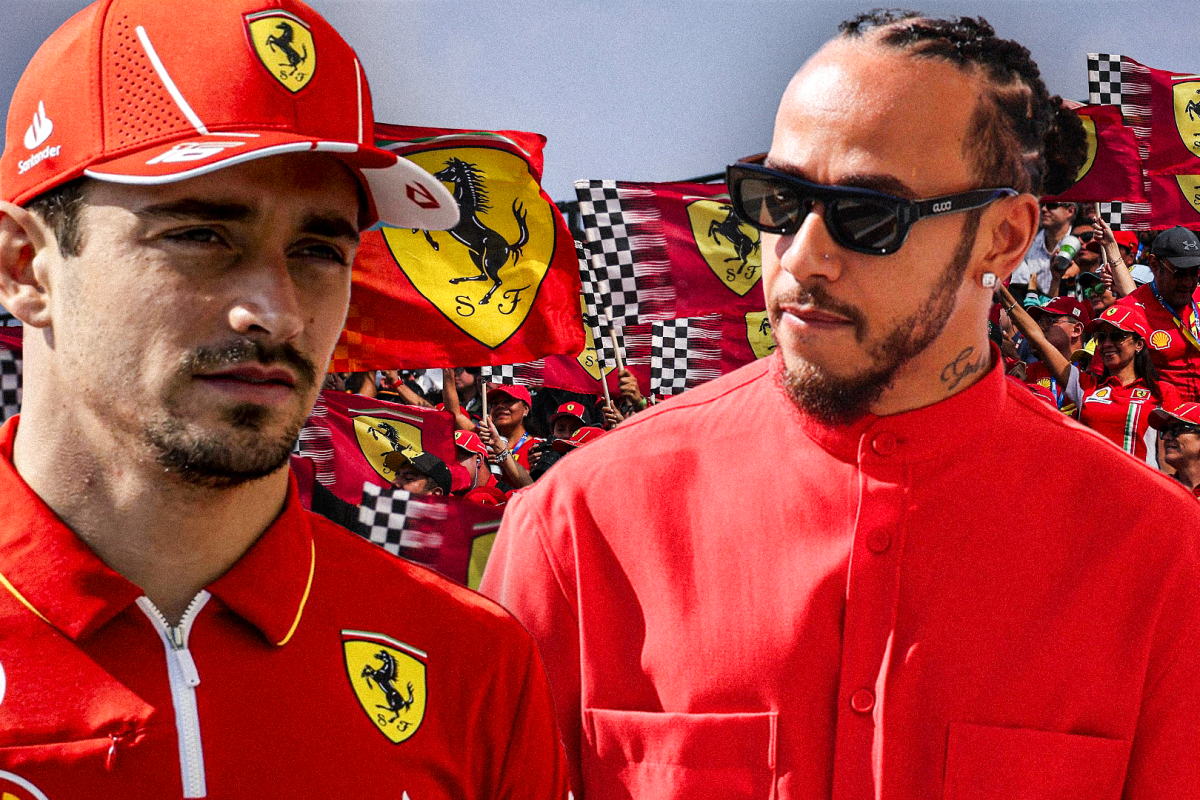
Fighting Ghosts Instead of Rivals
The tone of the weekend was set long before the lights went out on Sunday. From the very first practice sessions, the body language of the drivers and the behavior of the SF25 car told a worrying story. Lewis Hamilton, a driver who can usually wrestle even a mediocre car into a competitive position, reported severe instability through every corner. The rear end of the car was threatening to snap, the balance shifting unpredictably from lap to lap.
It was a haunting description of a machine that had seemingly turned against its masters. As one commentator poignantly noted, the drivers were “fighting ghosts instead of rivals.” They weren’t battling Max Verstappen or Lando Norris; they were battling their own machinery.
The qualifying session was the first major blow. Leclerc had to take enormous, terrifying risks just to drag the car into the top 10. His high-speed spin in Q3 wasn’t a rookie error; it was the inevitable result of a driver pushing a car that punishes you for trying to extract performance from it. Hamilton fared even worse, starting from a humiliating 18th on the grid. Before the race even began, both drivers knew they were walking into a disaster.
The Agony of the Race
If qualifying was a warning, the race was the punishment. For 70 agonizing laps, Hamilton wrestled with a machine that refused to respond to his inputs. He wasn’t carving through the field in his trademark style. He was stuck in traffic, boxed in by midfield cars, and fighting tooth and nail just to keep a Williams behind him. Let that sink in for a moment: a Ferrari, driven by the most successful driver in history, struggling to hold off a customer team.
Hamilton crossing the line in 12th wasn’t just a disappointing result; it was a humiliation. It was a visible declaration that the car had reached the absolute end of its capabilities. Leclerc’s drive to 8th was heroic in its own right, but only because he drove beyond the limit of the car for the entire race distance. When he admitted later that “the weekend hurt a lot,” it was a rare crack in the armor of a driver known for his cool, analytical demeanor.
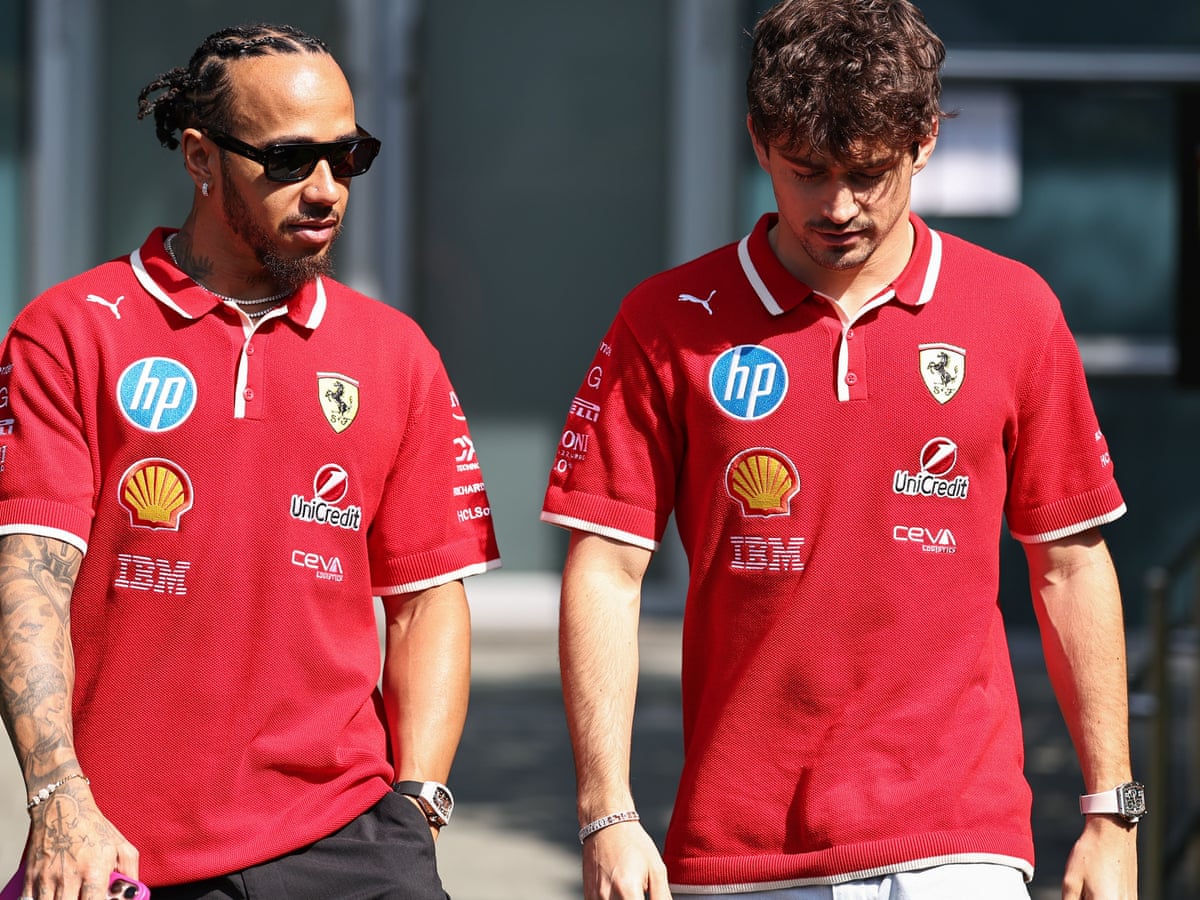
A Structural Crisis Exposed
What makes this weekend so alarming for Ferrari fans isn’t just the lack of pace—it’s the reason why the pace was missing. Throughout the weekend, Ferrari threw everything they had at the car. They changed aero configurations, tweaked suspension parameters, and altered setups across every single session. In a functioning team, these changes result in a shift in performance, either for better or worse.
But the SF25 didn’t respond. Hamilton described the changes as improvements “on paper” but useless in reality. This is the hallmark of a structural flaw. When a car stops responding to setup changes, it means the concept itself is tapped out. The engineering team has hit a ceiling that no amount of tinkering can break through.
The problem was so obvious that it crossed into public embarrassment. Rival driver Pierre Gasly, driving for Alpine, remarked that the Ferrari “looked so bad” from his own cockpit. When your competitors can physically see the instability of your car while driving at 200 mph, you know the issue is fundamental.
The Rage Behind the Helmets
Perhaps the most telling aspect of the Qatar nightmare was the emotional state of the drivers. When Hamilton and Leclerc walked away from the circuit, they weren’t just carrying disappointment—they were carrying rage. It was the fury of realizing that the fight they had been promised was never real to begin with.
Hamilton’s critique went beyond the usual complaints about tires or grip. He hinted at something broken inside the operation itself, suggesting that the problems extend “well beyond the SF25.” This is a damning indictment from a driver who joined Ferrari to chase an eighth world title, not to fight for scraps in the midfield.
Leclerc’s apology to the fans felt less like diplomacy and more like defeat. Both drivers seem to have accepted a harsh truth: Ferrari spent the season denying that this car could not be rescued, and Qatar was the undeniable proof.
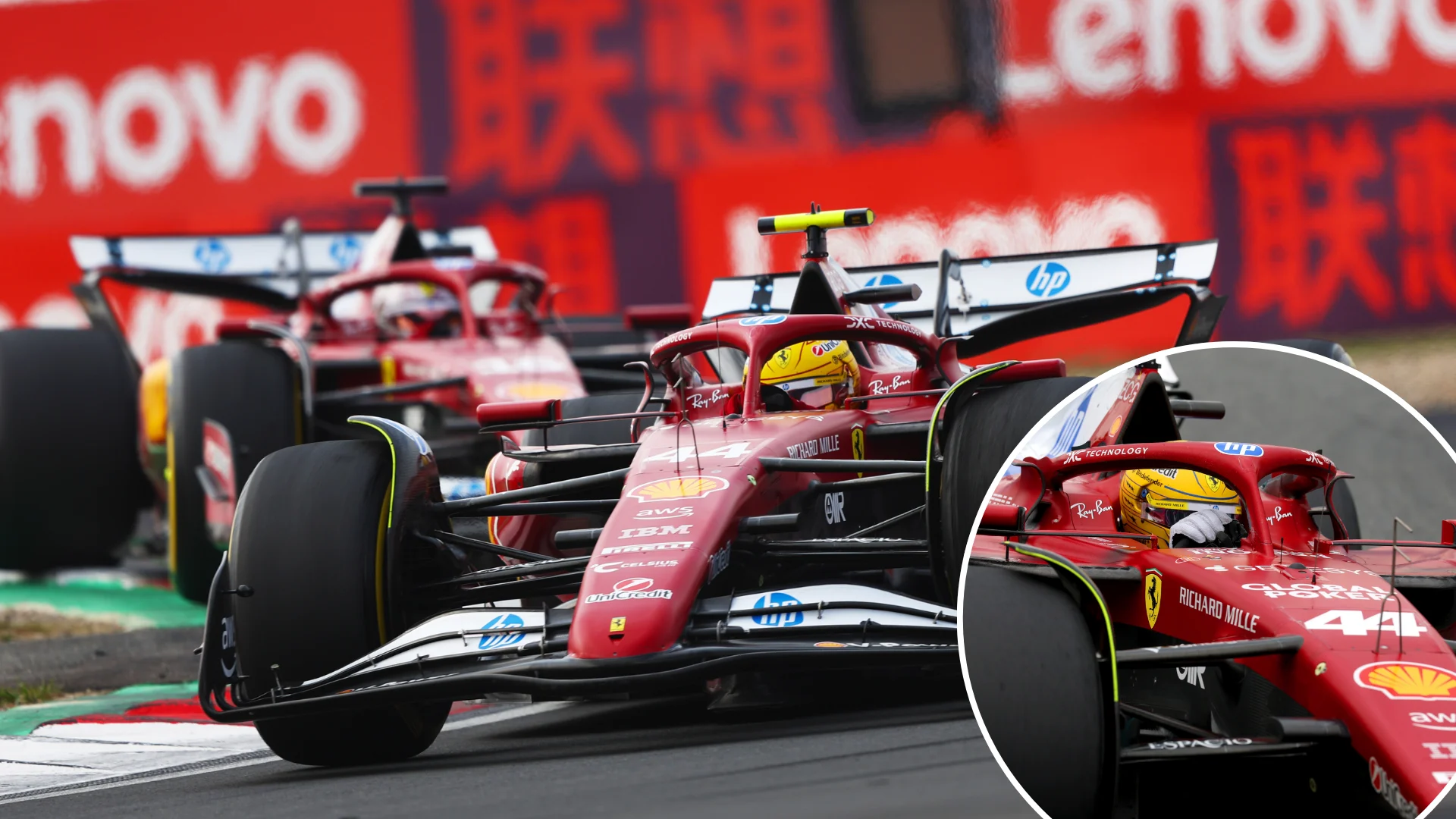
The End of the Road for 2025
The consequences of this weekend are final. The points deficit to second place in the Constructors’ Championship is now insurmountable. McLaren and Red Bull are simply too far ahead, and the performance gap is too wide to bridge. Ferrari has officially lost the fight for P2.
But the loss of a championship position pales in comparison to the existential crisis the team now faces. The explanation that Ferrari stopped developing the SF25 early to focus on 2026 no longer holds water. The instability, the unpredictability, and the complete lack of mechanical grip are not symptoms of abandoned development. They are symptoms of fundamental aerodynamic flaws—issues with load distribution and platform control that have likely been there all along.
A Nightmare or a Wake-Up Call?
So, where does the most famous team in motorsport go from here? The collapse in Qatar forces Ferrari into an uncomfortable corner. They cannot simply write off the rest of the year and hope for the best. The structural issues that killed the SF25 could easily bleed into the 2026 project if they aren’t identified and ruthlessly excised.
There are a few scenarios on the horizon. The team could double down, forcing Hamilton and Leclerc to endure the remaining races as a “write-off,” racing only for pride. Or, this disaster could trigger the internal revolution that Ferrari desperately needs. When drivers of this caliber reach their limit, it becomes impossible for management to hide behind excuses.
One thing is certain: Qatar wasn’t just another bad race. It was the symbolic end of Ferrari’s ambitions for this era of regulations. The question now isn’t about how fast they can go tomorrow; it’s about whether they can rebuild fast enough to give Hamilton and Leclerc a car worthy of their talent in 2026.
For the Tifosi, the hope is that this rock bottom serves as a foundation for a new beginning. But as the dust settles in the desert, the fear is palpable. Is this the darkness before the dawn, or is it just the beginning of a longer, more painful nightmare for the Scuderia? Only time—and the 2026 car—will tell. But for now, the rage of Hamilton and Leclerc echoes louder than any engine on the grid.
