The Formula 1 paddock is a place where secrets are impossible to keep, yet the most critical battles are fought entirely behind closed doors. Right now, a tectonic shift is happening under the surface of the 2026 season. Ferrari, refusing to simply roll over and allow Mercedes to run away with another championship, has just executed a massive, highly calculated testing operation that could completely rewrite the competitive order. Meanwhile, shocking off-track developments over at McLaren are promising to reshape the future grid in ways nobody saw coming. If you thought the championship narrative was already written, it is time to think again.
At the heart of Ferrari’s aggressive fightback is none other than Lewis Hamilton. The seven-time World Champion was recently back behind the wheel of the SF26, pushing the magnificent scarlet machine to its absolute bleeding edges at Ferrari’s private Fiorano circuit. Officially, the FIA and the rest of the paddock were told this was a standard wet-weather tire testing session for Pirelli. But in the ruthless, razor-thin margin world of Formula 1, nothing is ever quite that simple. Ferrari cleverly utilized this mandated session as a golden opportunity to embark on a desperate, high-stakes fact-finding mission to cure the glaring Achilles’ heel of their current challenger.
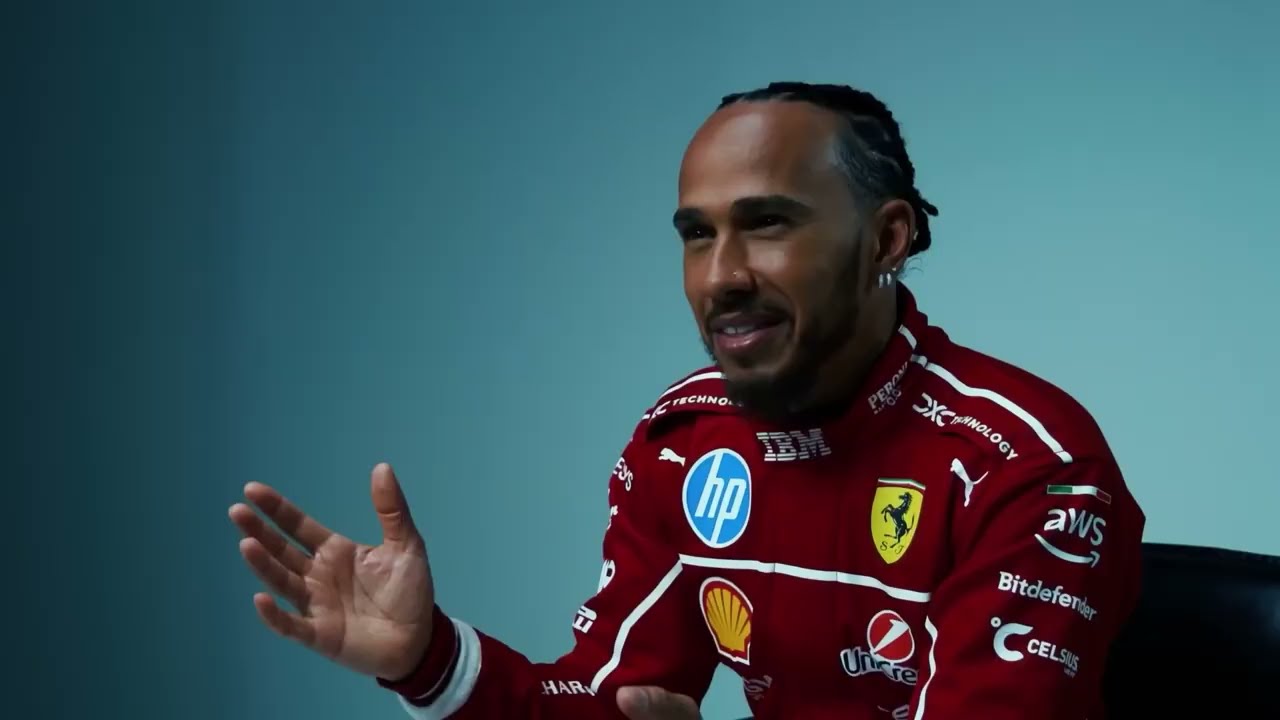
Hamilton’s workload during this stealth operation was nothing short of monumental. He logged a staggering 142 laps on the very first day alone, which equates to over 420 kilometers of grueling, relentless running. He clocked a fastest lap time of 1 minute and 1.031 seconds, though raw pace was hardly the priority here. The true value of this test lay hidden deep within the labyrinth of data the team was quietly gathering. F1 regulations strictly prohibit teams from testing new aerodynamic parts during tire tests, but the rulebook leaves a massive loophole: teams are entirely free to tinker with mechanical setups and, crucially, engine mapping.
Ferrari pounced on this loophole. It is the worst-kept secret in the pit lane that their current power unit is fundamentally lagging behind the mighty Mercedes engine, particularly in the dark art of energy management. During those 400-plus kilometers, Hamilton and his dedicated team of engineers relentlessly cycled through countless engine maps and complex electrical deployment strategies. They needed to understand precisely how the engine reacted over long stints, desperately searching for a way to prevent the car from painfully running out of electrical deployment at the end of long straights—a flaw that has left their drivers as sitting ducks in recent races.
The sheer desperation behind this Fiorano test can be traced directly back to the crushing disappointment of the Japanese Grand Prix. That race was a waking nightmare for Hamilton. After putting in a heroic stint to climb from sixth place up to third following a safety car restart, his race suddenly unraveled. Bafflingly, he began plummeting down the order, utterly powerless to defend against rival cars breezing past him. A visibly frustrated and completely confused Hamilton later confessed to the media that he was mysteriously “lacking power from somewhere,” with absolutely no clear explanation. Adding salt to the wound, his teammate Charles Leclerc, driving the exact same machinery, seemed to suffer no such deficits and comfortably secured a spot on the podium. The Fiorano test was Hamilton’s chance to demand answers, tear into the data, and ensure such a baffling power drop never happens again.
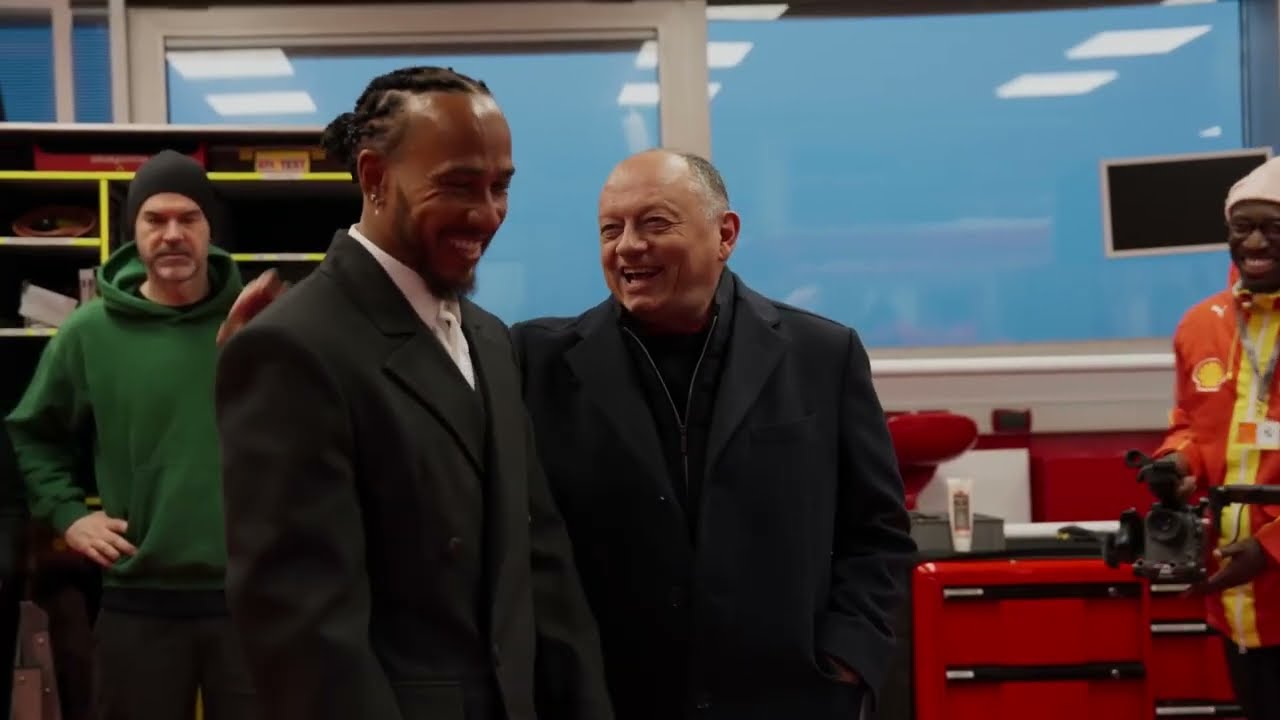
Armed with a mountain of fresh data from Fiorano, Ferrari is now preparing to unleash a heavily revised software package at the upcoming Miami Grand Prix. This new system is hyper-focused on revolutionizing how the SF26 harvests and deploys electrical energy. But they aren’t stopping there. In a display of sheer aggressive ambition, Ferrari is taking advantage of another regulatory loophole—a “filming day” at the notoriously high-speed Monza circuit on April 22nd. Monza’s long straights make it the ultimate proving ground for energy management, serving as the final, crucial dress rehearsal for their new engine software.
Yet, incredibly, the engine fix is only half the story. Ferrari is also bringing a massive, season-defining aerodynamic upgrade package to the streets of Miami. The undeniable star of this upgrade is the highly anticipated return of the “Macarena” rear wing. This radical, borderline-genius design literally rotates when the Drag Reduction System (DRS) is activated, promising to shed massive amounts of drag and deliver terrifying straight-line speed. They tested an early iteration of this wing earlier in the season, but it proved to be terrifyingly unstable under heavy braking. The aerodynamic wizards at Maranello have spent weeks running exhaustive simulations to cure these stability issues. Combined with a heavily revised floor design and dramatically reshaped sidepods aimed at generating downforce without the penalty of drag, Ferrari is throwing the proverbial kitchen sink at this championship fight.
While Maranello operates in a state of frantic, high-stakes development, the Woking-based McLaren team is dealing with a totally different kind of drama—one of intense paddock politics and masterstroke management. Wild rumors recently swept through the F1 world, claiming that McLaren’s brilliant team principal, Andrea Stella, had secretly signed a pre-contract to abandon ship and join Ferrari. Adding to the sensational gossip was the suggestion that McLaren was actively poaching Red Bull’s legendary race engineer, Gian Piero Lambiase, to replace Stella in 2028.
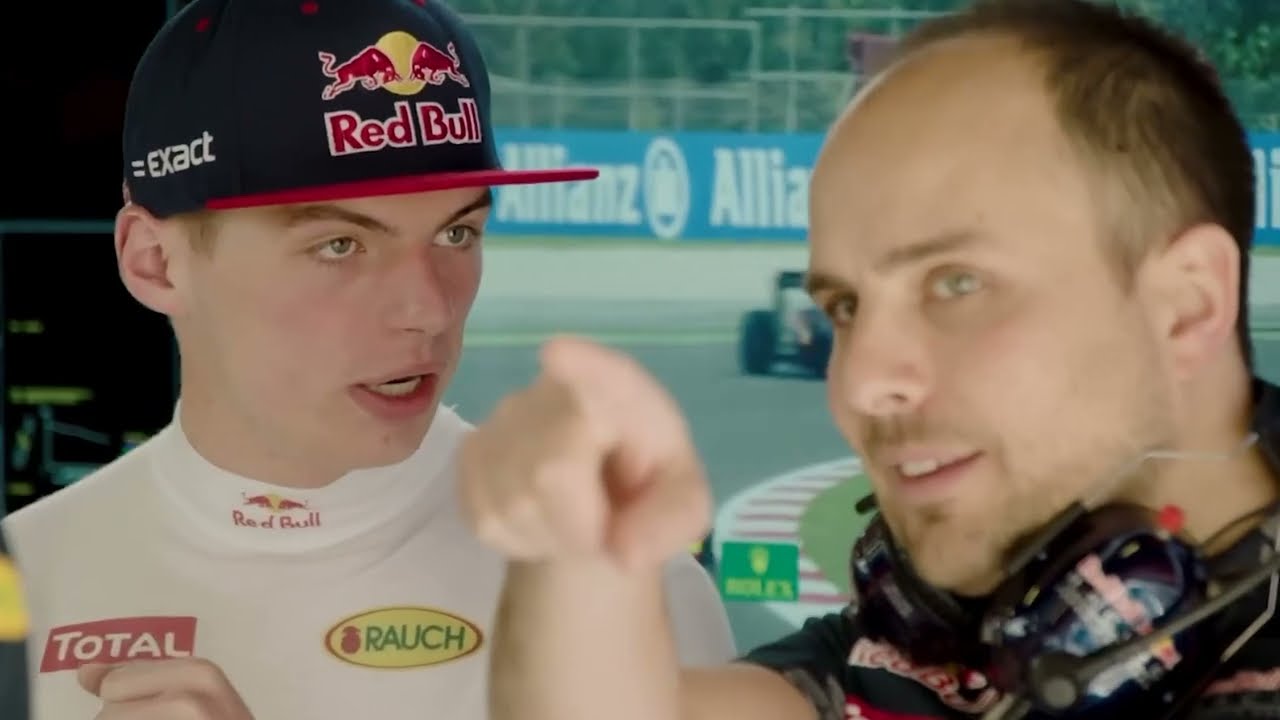
However, senior insiders have now blown these rumors out of the water, revealing a reality that is actually much more terrifying for McLaren’s rivals. Andrea Stella is absolutely not leaving; he is deeply committed to the papaya squad with an ironclad contract running until the end of 2030. The truth behind the Lambiase acquisition is a masterclass in team building by McLaren CEO Zak Brown. Stella is currently shouldering the immense burden of acting as both team principal and technical director. By bringing in Lambiase to take total control of trackside management and race operations, McLaren is effectively building an unstoppable “super team” of managerial talent. This calculated move frees up Stella to focus entirely on the long-term, big-picture leadership required to build a dynasty.
This brilliant structural shift at McLaren also sends massive shockwaves toward one very specific driver: Max Verstappen. The reigning World Champion shares an incredibly close, almost telepathic working relationship with Lambiase at Red Bull. With Red Bull currently struggling to adapt to the new regulations and sliding backwards into the midfield, the temptation for Verstappen to jump ship has never been higher. If Lambiase is effectively running the race operations at a surging, ambitious McLaren team, the allure for Max to reunite with his trusted confidant could be the final puzzle piece that breaks the driver market wide open.
Formula 1 is currently a pressure cooker of engineering brilliance, fragile driver egos, and ruthless management politics. Ferrari knows that the upcoming Miami Grand Prix is a hard deadline; if their massive upgrades and engine fixes fail to deliver, their championship hopes could evaporate before the summer break. Lewis Hamilton did not make the monumental, legacy-defining move to Maranello to fight for minor points. He wants his eighth world title, and Ferrari is tearing the car apart to give him the weapon he needs. With Mercedes fighting to maintain their early dominance, Ferrari launching a massive technical counter-offensive, and McLaren quietly assembling a super-team capable of luring Max Verstappen, the next few races are guaranteed to be nothing short of explosive. Buckle up, because the 2026 season has only just begun.