Imagine arriving at the starting line of a grueling, high-stakes marathon, deliberately choosing to jog while your rivals sprint ahead, simply because you know you have a jetpack waiting for you down the road. In the hyper-competitive, fiercely secretive realm of Formula 1, teams usually dance around the truth.
They speak in heavily PR-filtered buzzwords about “correlation,” “setup windows,” and “understanding the car.” What they absolutely never do is come out and admit that they intentionally chose not to give it their all.
Yet, that is exactly what the Scuderia has just done. Ferrari has effectively announced to the world that what we have seen in Australia, China, and Japan was merely a prologue. The real Ferrari is about to arrive at the Miami Grand Prix, and internally, the highly anticipated upgrade is being dubbed a “package and a half.”
This isn’t just about polishing the rough edges of a car; this is a remarkably loud statement that Ferrari is ready to wage war. But it begs a thrilling, monumental question: Were they geniuses to play the long game, or have they already surrendered too much ground to Mercedes?
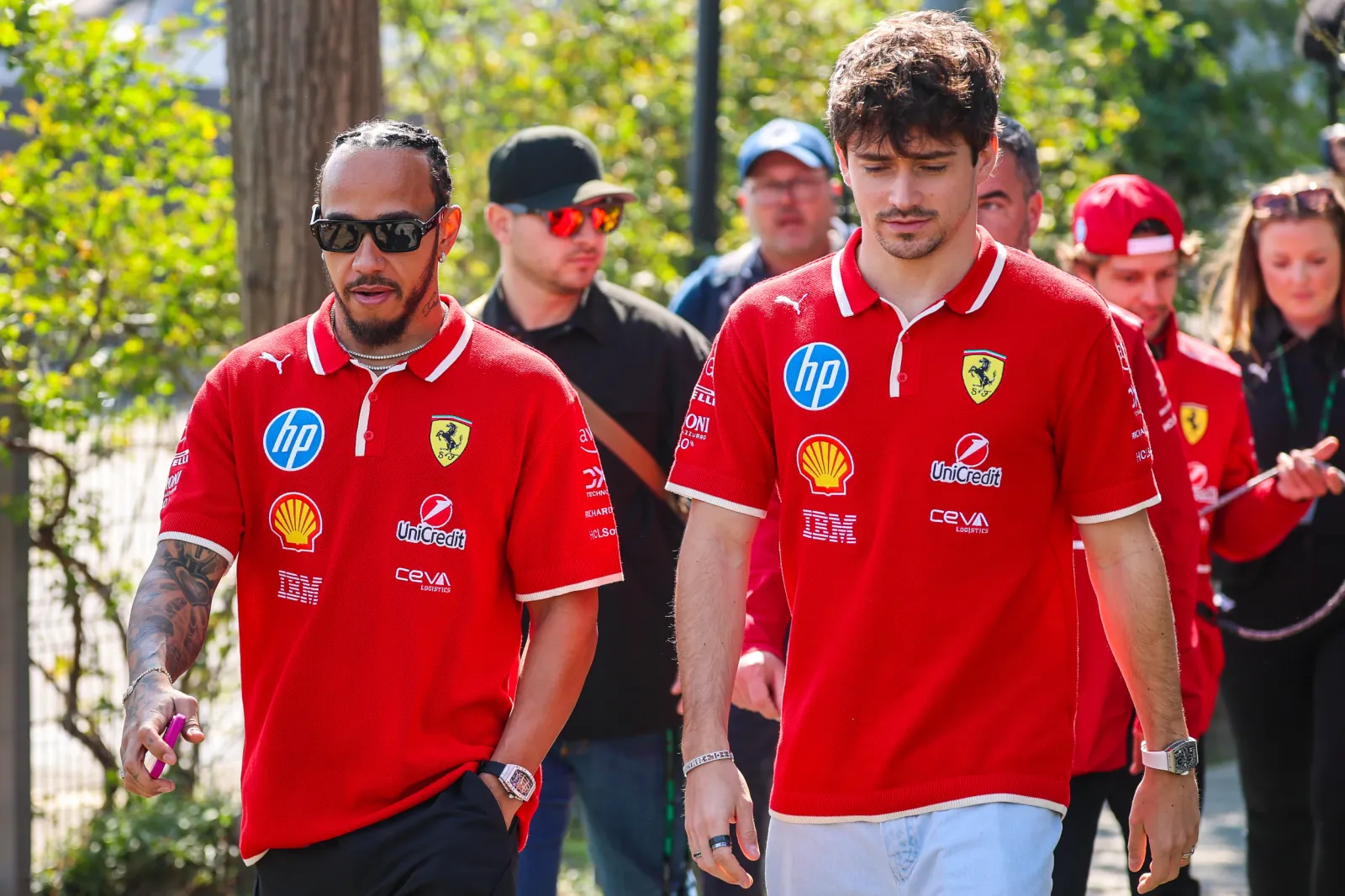
To understand the sheer magnitude of this gamble, we have to look back at the first three races of the 2026 season. The numbers tell a brutally clear story. Ferrari has enjoyed strong, aggressive starts and highly competitive opening laps, only to see their pace gradually bleed away as the race settled into a rhythm. In Melbourne, Charles Leclerc executed a breathtaking launch that immediately grabbed the lead going into Turn 1, but the advantage evaporated. The same frustrating pattern emerged in China. In Japan, while a podium finish looked respectable on paper, it was nowhere near enough for a team that genuinely believes it is in a title fight.
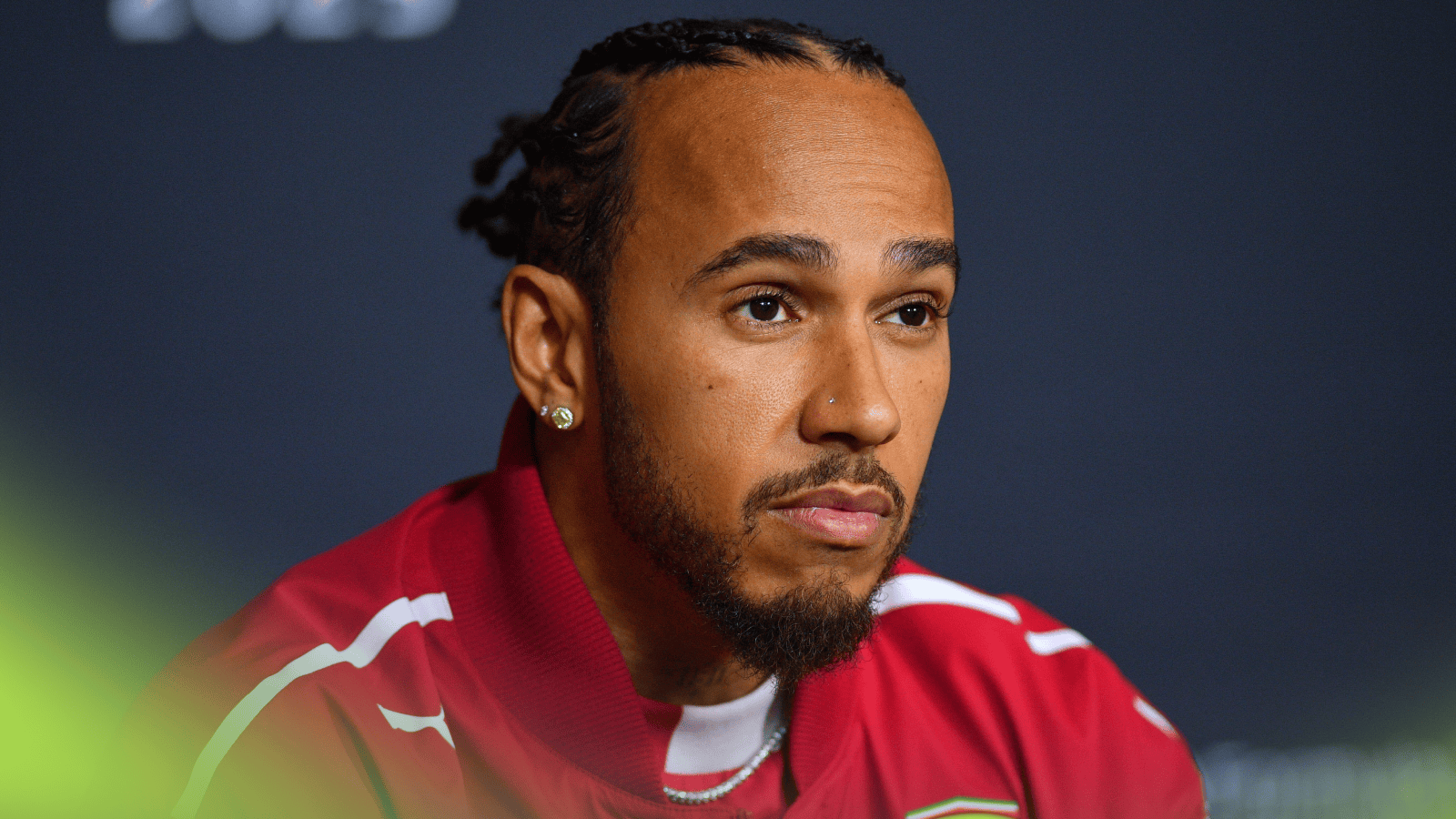
Meanwhile, Mercedes has been meticulously building momentum, stringing together three wins and widening the gap in the constructors’ standings. Ferrari has been close, but close doesn’t win championships. The frustration behind the wheel has been palpable. Lewis Hamilton’s radio messages have made it glaringly obvious that he hasn’t felt like he is driving a car pushed to its absolute limits. The legendary driver has felt the agonizing loss of pace on the straights and the sudden drop in power, knowing the car was bleeding time. When the narrative comes directly from a driver of Hamilton’s caliber rather than a corporate press release, you know the struggle is real.
However, Ferrari’s answer to this deficit is staggering: it was always part of the master plan. The Scuderia decided to wait, save their budget, learn from the data, and then strike with something incredibly transformative.
Enter the Miami Grand Prix. What Ferrari is bringing to the Sunshine State is not your typical Formula 1 upgrade. We aren’t talking about a slightly revised front wing or a minor tweak to the floor. What is coming is a fundamental transformation of how the SF-26 generates its performance. The headline grabber is the radically innovative piece of aerodynamics that the team has affectionately, and somewhat inexplicably, dubbed the “Macarena wing.”
Under the 2026 active aero regulations, most teams are flattening elements of the rear wing to reduce drag for straight-line speed. Ferrari, however, has sprinted in a completely different direction. Instead of just adjusting the angle, they are rotating the entire upper element to create a massive gap that aggressively cuts drag. In theory, this provides exceptional straight-line speed without sacrificing crucial cornering stability. In practice, it is a monumental risk. We already saw a glimpse of what could go wrong when a split-second delay in synchronization between the front and rear aero elements mid-corner caused an abrupt loss of instability, leading directly to a dramatic spin for Hamilton during testing. Ferrari immediately pulled the wing, buried themselves in the data, and are now bringing it back to Miami with a faster, heavily revised control mechanism.
But focusing solely on the Macarena wing completely misses the broader masterpiece of this upgrade. Ferrari is targeting a massive weight reduction of roughly 6 to 7 kilograms. In the meticulously measured world of F1, shedding that much weight equates to a massive chunk of lap time—essentially “free” performance. The fact that they waited three races to deploy this tells you exactly how carefully they studied the reliability implications. Alongside the weight cut, the team has entirely rewritten its energy deployment software to fix the inconsistent power delivery that has plagued them. Add to this sweeping suspension changes and critical adjustments to the tire operating window, and you have a car that has been practically reborn.
What makes this intense technical effort so gripping is that absolutely none of these gains are coming from the internal combustion engine. With the power units currently frozen under the regulations, Ferrari cannot magically unlock more horsepower to close their estimated 25-horsepower deficit to Mercedes. Every single millisecond they find must come from ruthless aerodynamic efficiency, lighter weight, and smarter software. They are attempting to out-engineer a horsepower disadvantage under a strict cost cap—arguably one of the most audacious technical bets in modern Formula 1 history.
Why would a legacy team accept being second best for three races, knowingly bleeding championship points? Because the cost cap has fundamentally rewritten the DNA of F1 strategy. You simply cannot afford to ship minor, incremental upgrades across the globe for the early flyaway races. Every crate put on a plane burns cash that could have been used for wind tunnel development. Ferrari made a calculated decision: do less early on, gather real-world data across vastly different track layouts, and strike with a devastatingly coordinated package closer to their European base where logistics are manageable.
This cohesive strategy is the brainchild of Loic Serra, who is building a unified system rather than bolting on isolated parts. It is a massive departure from Ferrari’s historic—and often flawed—approach of rushing unproven upgrades to the track. Serra’s philosophy demands that the aero, suspension, and energy deployment systems sing in perfect harmony.
As the grid descends on Miami, the stakes could not possibly be higher, because Ferrari’s gamble isn’t happening in a vacuum. Mercedes arrives as the undisputed benchmark, with George Russell and Kimi Antonelli looking virtually untouchable in clean air, backed by a superior engine package. However, an impending regulatory clarification regarding energy deployment could soon neutralize Mercedes’ greatest strength, making this the absolute perfect moment for Ferrari to pounce.
Meanwhile, McLaren remains the dangerous wild card. While their season has been messy so far, they have a proven track record of bringing transformative, season-altering upgrades to Miami. And then there is Red Bull, arguably facing the most uncomfortable reality of all. With an overweight car, a flawed aerodynamic balance, and visible, boiling frustration from reigning champion Max Verstappen, Red Bull looks more vulnerable than they have in years. If Ferrari nails this upgrade, they won’t just close the gap to Mercedes; they could violently leapfrog Red Bull in the pecking order.
We have seen legendary slow starts turn into dominant championship runs before, but what sets Ferrari apart right now is their startling transparency. By publicly declaring that they were holding back, they have placed unimaginable pressure squarely on their own shoulders. This is no longer a quiet development plan; it is a battle cry.
Is it pure confidence, or the grandest bluff of the 2026 season? If the “package and a half” works, a 45-point championship gap will suddenly look incredibly erasable, and the entire narrative of the season will flip overnight. But if it fails—if the Macarena wing stalls, the software glitches, or the weight cuts compromise reliability—Ferrari won’t have just lost points. They will have lost momentum, precious time, and perhaps their single best shot at championship glory. All eyes are on Miami. Let the real racing begin.
